
Commercial Roofing in Beaumont, CA
Home / Service Areas / Commercial Roofing in Beaumont, CA
A stain that returns beneath a rooftop unit may have started at a seam on the opposite side of the roof. We begin by marking the interior location and asking when the symptom appeared. Then we walk the roof, compare the likely path with drainage and transitions, and record what is visible. The goal is a repair limit supported by evidence, not a quick bead of sealant near the stain.
Beaumont’s business resources describe early guidance for companies opening, modifying or expanding operations, with coordination across City divisions. That tells us nothing about the roof at a specific property. It does reinforce a practical need: coordinate the inspection with the person who understands the facility’s schedule and permissions. A commercial inspection identifies the assembly and documents conditions before scope is set.
Coordinate the visit with the property contact
The City says its business-assistance process can include staff meetings, workforce introductions, local information and real-estate search support. Those are assistance options, not a list of active buildings or roof projects. We speak with the property’s own contact to confirm which spaces are occupied, where deliveries move and whether any equipment or work area requires special access. The roof plan stays separate from a development conversation.
Before arrival, the manager identifies the approved ladder route, fall-protection needs, roof hatch, restricted zones and any hours when noisy work cannot occur. We also ask who can approve a test opening and how the area must be protected if concealed moisture is found. A commercial property near Temecula can have very different records from one in Beaumont. Menifee, the home market for this team, is another separate location. No municipal planning material substitutes for a walk of the roof being evaluated.
Trace a leak without widening the repair too soon
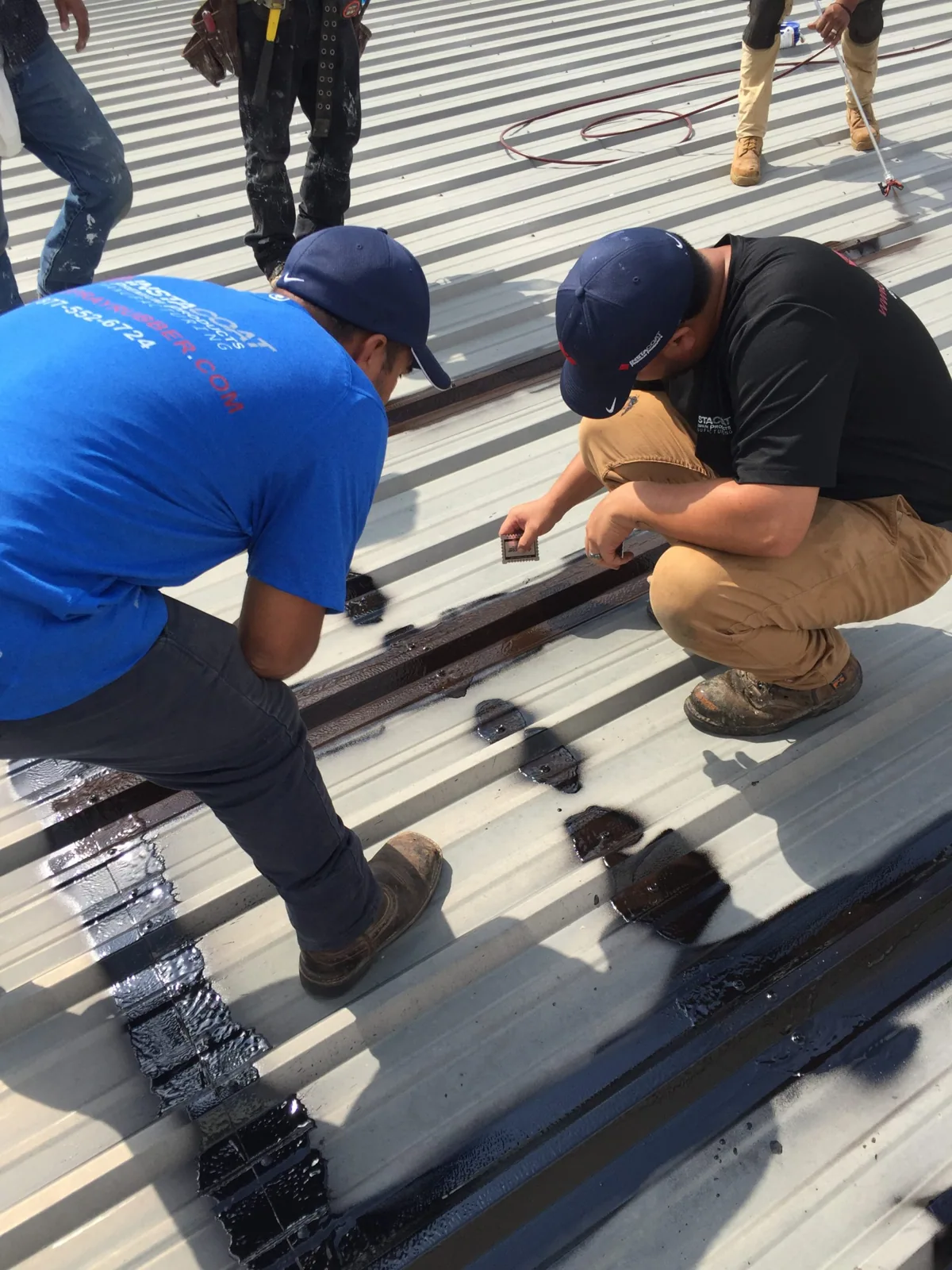
Water may enter at an upturned flashing edge and emerge indoors several feet away. We compare the stain location with the roof slope, drain or scupper position, seams, penetrations and wall transitions. At each point we note a split, lifted lap, loose termination, debris, ponding or a repair that changes the water route. We do not call a nearby surface mark the source until the path connects.
If a curb and the adjacent seam look sound, we keep following the geometry toward a drain or edge. If moisture appears below the membrane, the owner may authorize a small test opening to map its extent. The report labels confirmed conditions, probable routes and unknown areas separately. That distinction matters when a repair proposal needs a defined stopping point and contingency. A wider patch without a mapped boundary can hide wet insulation or leave the actual transition untouched.
Check the assembly and record what remains unseen
We identify the roof from seam pattern, edge details, labels and available maintenance records. A coating or older patch can make the membrane difficult to recognize, so we note uncertainty rather than choose a product by appearance. Where a test can change the recommendation, we explain why it is useful, obtain permission and plan a safe restoration before opening the surface.
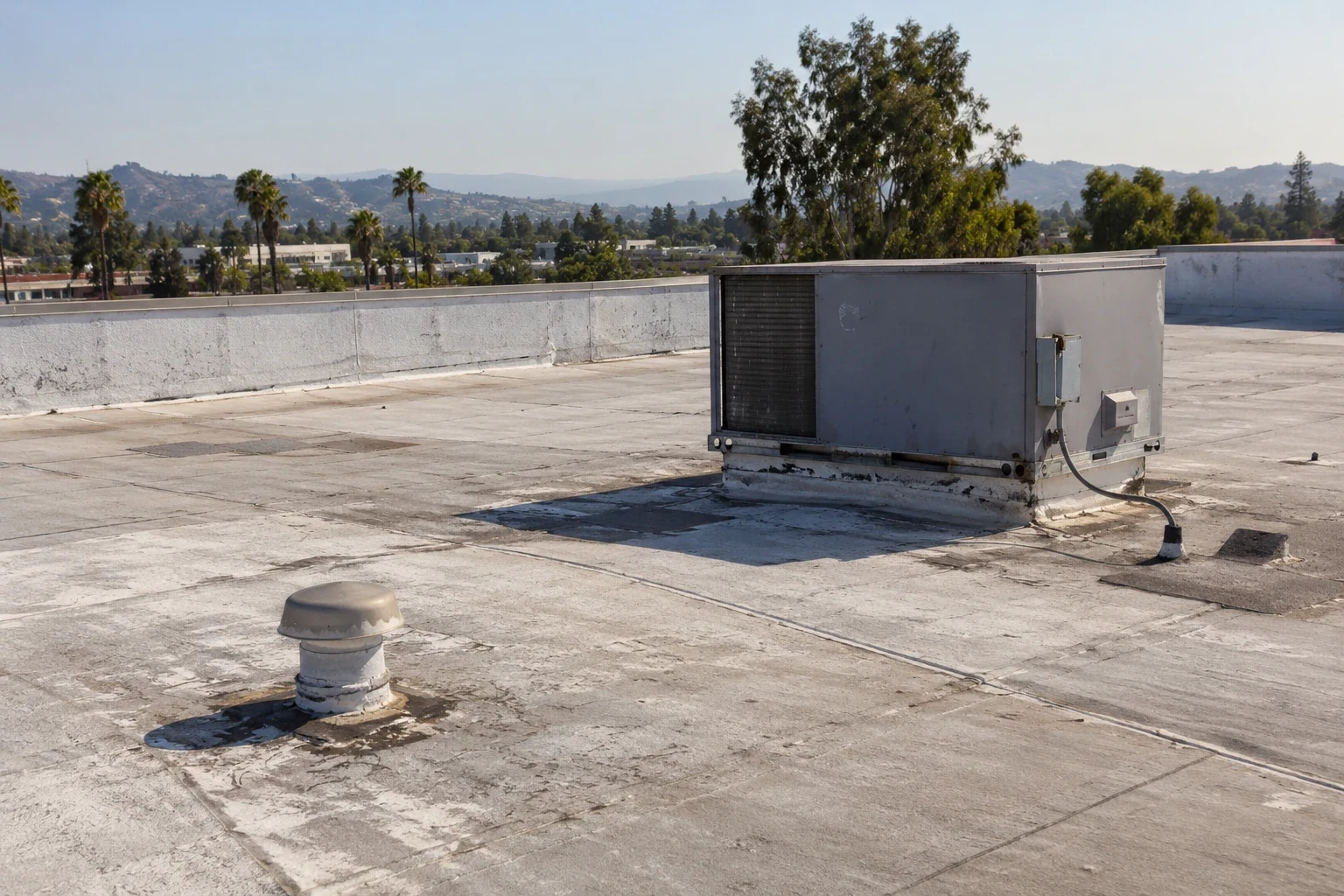
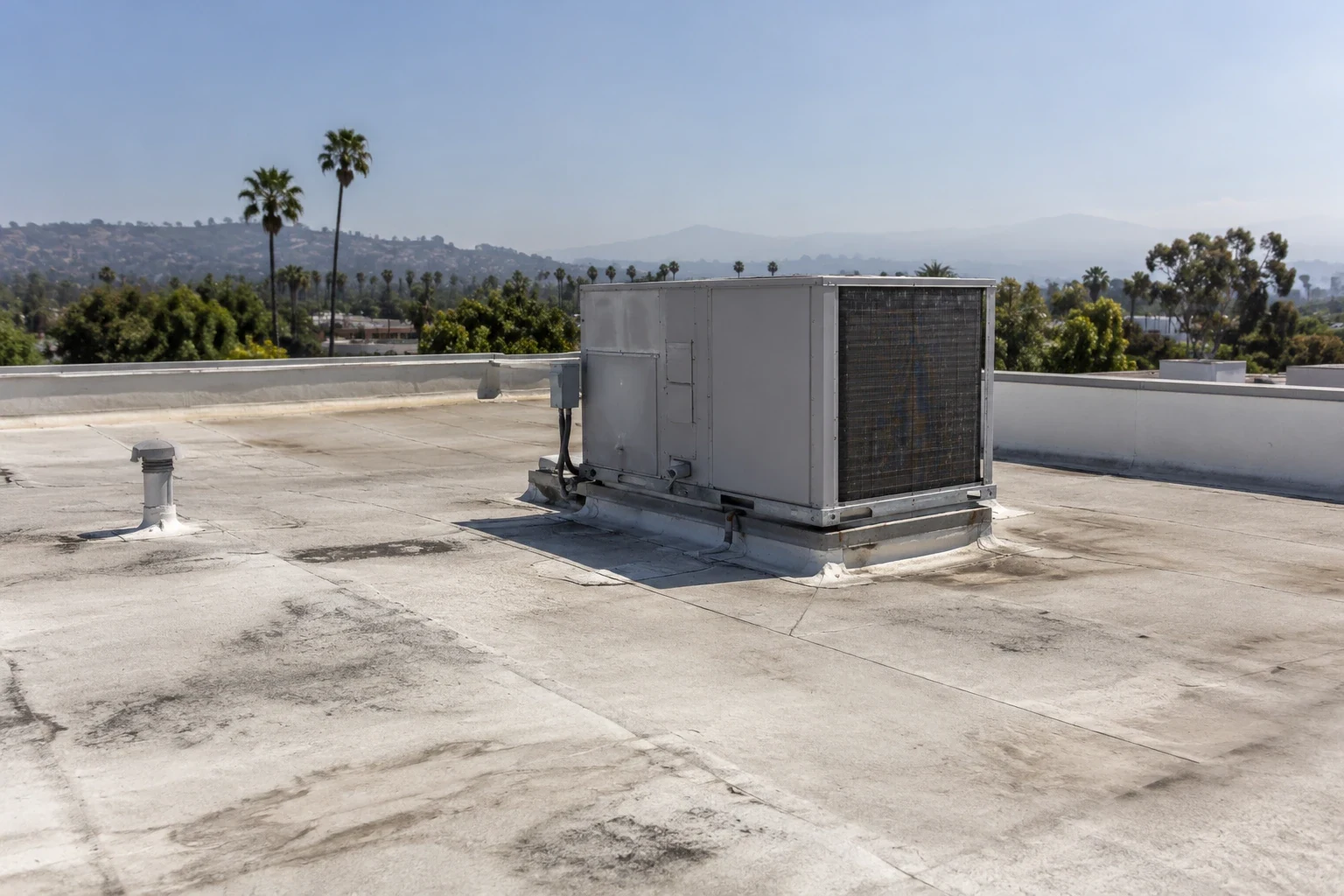
The field record includes drains, scuppers, penetrations, curbs, edge metal, walk paths and roof access. We photograph the defect and enough surrounding material to show the repair boundary. If an equipment bank blocks inspection, the report names the obstructed zone and the next safe access step. A condition report gives the owner a usable baseline. When the verified assembly is TPO, our TPO detail notes describe seam and flashing considerations, while the roof itself determines the method.
Separate a detail repair from a broader roof decision
A small puncture surrounded by dry, bonded material may accept a compatible patch after proper preparation. A split at a seam calls for restoring the seam, not covering its edge with a bead. A curb flashing failure can require removal back to sound material and rebuilding the turn-up and termination. We state what will be removed, what substrate will be checked and how far the repair extends.
Multiple wet areas, recurring movement or widespread loss of adhesion can call for additional mapping, but replacement is not automatic. We compare the size of the affected zone with the condition of adjacent roof and explain what evidence would change the scope. If water remains at an outlet, a drain and scupper review may help distinguish obstruction from a slope or detail problem. For future checks, preventive maintenance can revisit the same transitions and drainage points.
Use climate context as a prompt, not a diagnosis
Menifee’s adopted climate material identifies an inland, naturally dry setting and rising average temperatures with more extreme-heat days as city risks. That context belongs to Menifee, not a Beaumont weather station, and it does not prove that a particular roof has failed. We ask when a symptom appears and inspect the actual membrane, attachment, flashing and water path.
We look for laps with lost contact, split sealant at a transition, movement at a penetration and drainage that stays slow after the surface should clear. Exposure and heat may help reveal changes, but neither a warm surface nor an old detail alone identifies cause. If coating is considered, we verify substrate dryness, compatibility, adhesion and water movement first. Severe-rain and wildfire planning concerns in the market city should not be turned into a claim of event damage in Beaumont. The inspection record distinguishes observed condition from planning context and lists every area that could not be reached.
Set a safe sequence and an approval point
Before mobilizing, we agree on access hours, ladder placement, fall protection, material staging and how the work zone will be kept clear. The property contact identifies deliveries, public entrances, sensitive rooms and rooftop equipment that must stay available. If the building continues operating, we can discuss sequencing by roof area and timing a disruptive step around the schedule. The agreement should identify the person who can make a decision if concealed conditions differ from the expected scope.
During the repair, the supervisor photographs opened layers before they are covered, keeps drainage paths clear and protects exposed material if conditions change. Any proposed expansion is explained first. At closeout, the owner receives the completed detail photos, product and material notes, repair boundary and any limitation. A later visit can compare the same location. Separate service work in Riverside or San Jacinto has its own access plan and property record.
Compare repair scope with the cost of delay
Timing and cost follow roof assembly, access, safety controls, preparation, moisture extent and operating limits. If a test opening is needed, its location and restoration are part of the plan. If the owner has to protect inventory, keep an entrance open or work around equipment, that changes sequencing. We identify those drivers before quoting so the comparison is useful, not a number inferred from the city name.
Beaumont’s project tracker separates commercial and industrial proposals, but each record has an individual status and approval does not establish that construction began. Roof work should be evaluated just as carefully. A proposal or planned use is not evidence that a particular building is complete, occupied or ready for a roof replacement. We report only what the inspection supports: condition, likely water path, recommended repair, exclusions and next check. When new evidence changes the scope, the owner receives a clear explanation and can authorize the next step without guessing what the crew has found.
Commercial Roofing Questions
What does early business guidance tell us about a roof?
It does not identify a roof system or active project. We use the facility contact’s records and a field inspection to confirm materials, access and condition.
Can a stain be repaired from inside?
Interior protection may limit damage, but it does not stop the roof entry. We trace the path above and define a compatible exterior repair after confirming the assembly.
How do you handle a tracker project that is only proposed?
We do not treat a proposal as a completed building or scheduled roof job. The owner’s records and current site conditions establish the scope.
When should the crew open the roof?
Only when concealed conditions could change the work and the owner authorizes it. We identify the test location and restoration method before cutting.
What does the owner receive after repair?
The closeout should include photos, materials, repair limits, concealed findings and any area not accessed. A follow-up check can compare the same detail later.
Related Roofing Work
Request a documented Beaumont roof inspection
Request a Roof Assessment
We will map the reported symptom, confirm the assembly and show where a repair should begin and stop before work is expanded.
Service area
Menifee, Perris, Murrieta, Temecula, Hemet, Lake Elsinore and nearby Inland Empire communities
Quick contact
[email protected]
555-555-5555