
Emergency Commercial Roof Repair in Menifee, CA
Home / Commercial Roofing Services / Emergency Commercial Roof Repair in Menifee, CA
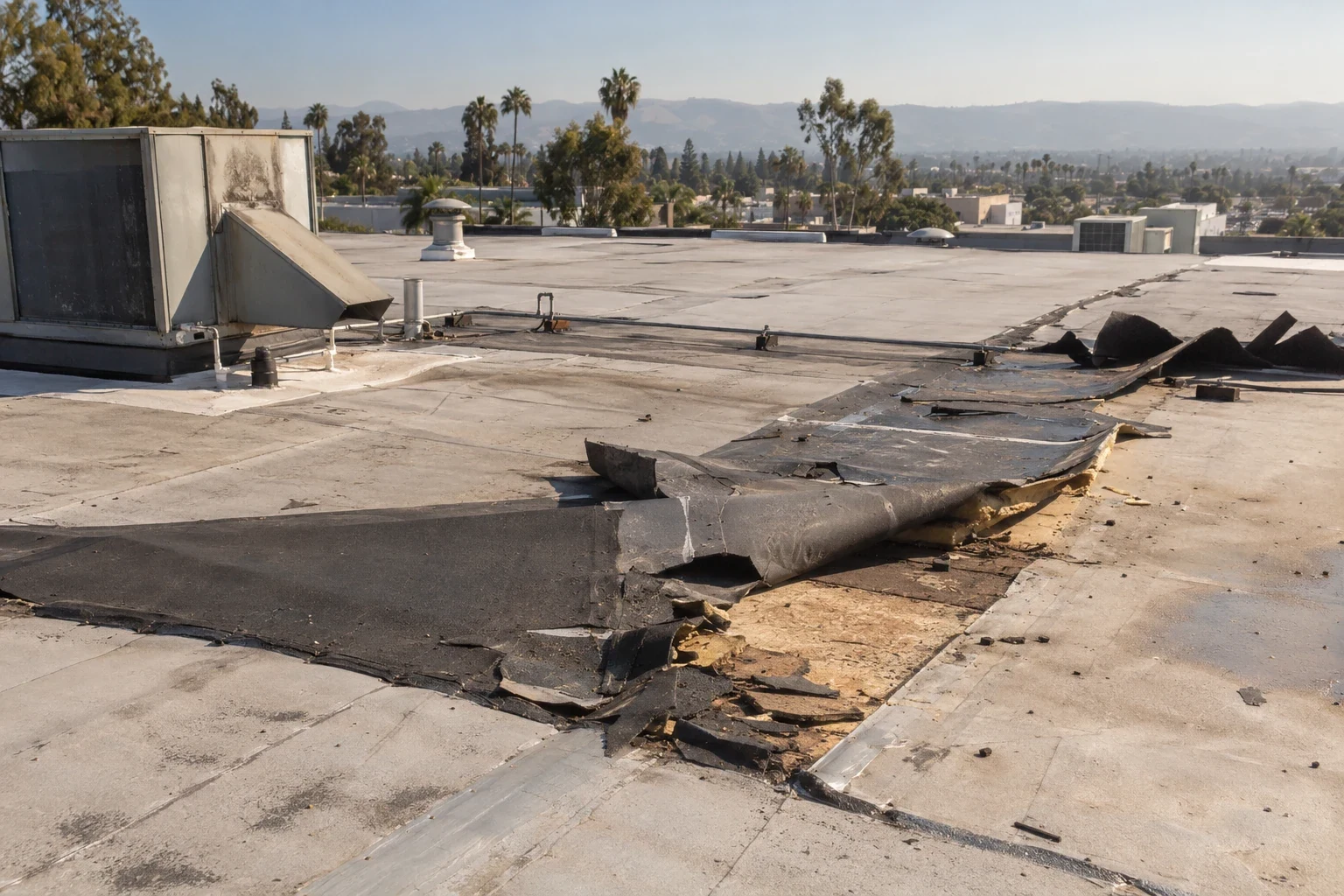
Water entering a work area can put equipment, inventory, and safe access at risk before a full roof review is possible. We respond around the clock, every day of the week, including holidays, to assess the immediate condition and plan the next safe step. The first visit identifies the affected room, likely roof entry point, and any protection needed inside. Menifee's inland dry climate and hotter days do not explain an active leak by themselves; we inspect the membrane, flashing, and drainage directly. The facility director receives a clear account of what was controlled, what remains exposed, and when a permanent repair can be evaluated.
Protect the building before tracing every detail
During an active leak, water control and permanent repair are separate tasks. We assess whether roof access is safe, protect the interior where practical, and locate the first visible opening or failed transition. The route may pass beneath a membrane before appearing indoors, so a temporary cover does not establish the full source. We tell the contact what area was reached and which conditions remain. A commercial roof leak repair can define the permanent correction once the opening and assembly are clear. If weather or access restricts the inspection, we schedule the next safe review rather than make a claim from a partial view. The facility contact also tells us whether water is near inventory, an electrical room, medical equipment, or an active work zone. That information helps prioritize interior protection while roof access is being arranged. We note the time of each report and whether rainfall or equipment use preceded it. Those details are clues for the inspection, not a substitute for finding the opening at the roof.
Gather the facts that guide the next visit
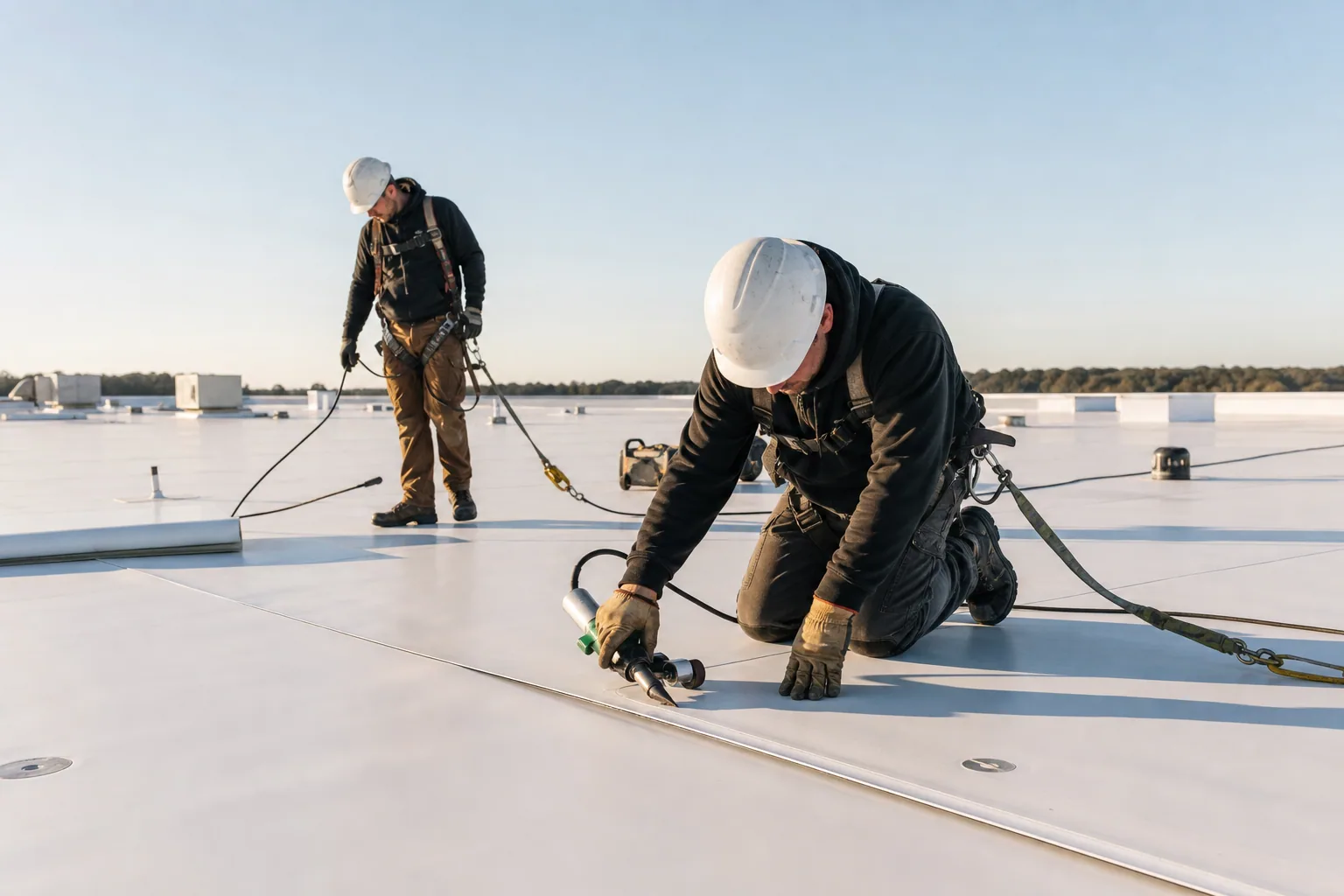
We ask when water started, which rooms are affected, whether equipment or electrical areas are nearby, and what access the facility can provide. Photos from staff can help locate the interior symptom, but they do not replace a roof inspection. On the roof, we identify membrane or metal, inspect drains and penetrations, and check whether water has reached more than one zone. The Diligence Notes records any temporary measure and its limit. If the cause is not immediately visible, a commercial roof inspection can broaden the review, followed by a commercial roof repair plan and document the conditions that require testing. If several rooms are affected, we create a simple location list so the field review can connect each symptom to a roof zone. When a single room is affected, we still inspect nearby drains, wall edges, and mechanical curbs because a leak route can cross the roof plane. The facility director receives an account of the area reached and any item that could not be checked during the first response.
Coordinate access in an occupied facility
The first response still needs an agreed access route, roof entrance, escort, and interior contact. We confirm whether a ladder, lift, or restricted area affects arrival and whether staff need notice before a room or equipment zone is entered. The temporary protection plan avoids blocking exits or active work paths. On the roof, the crew marks the area reached and secures materials so they do not create a second hazard. If wind or rain makes a surface unsafe, we explain that limit and coordinate a safer window. Around-the-clock availability means the request can be received at any hour; it does not mean every roof can be entered in every condition. A security desk or property office may need the crew roster and roof entry time before the visit. We confirm those details with the authorized contact and keep the work path separate from tenant or delivery activity where possible. If a lift or escort cannot be arranged, the report explains what that restriction means for the inspection. This avoids confusing a response attempt with a complete roof assessment.
Keep city context separate from the roof finding
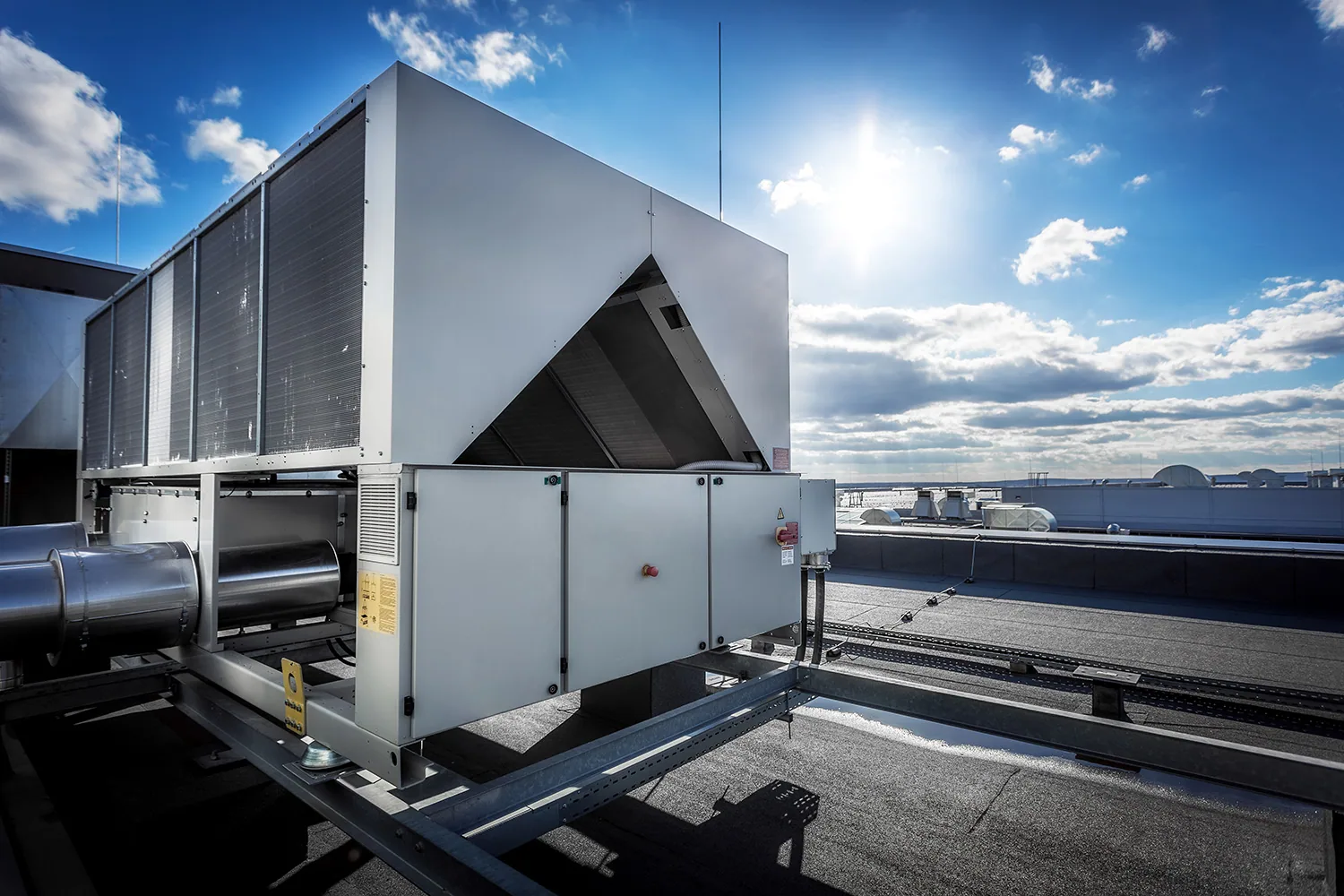
Menifee planning identifies increased temperatures and more extreme-temperature days as climate risks for the city. That context can make repeated movement at exposed seams and edge details worth reviewing, but the observed failure controls the emergency scope. The City’s economic strategy describes designated commercial and mixed-use areas along I-215, including the Community Core Economic Development Corridor. A property’s operating hours and access plan still need direct confirmation; a planning corridor does not identify the roof system or the location of a leak. We connect the local setting to scheduling and inspection, then base the repair on the assembly at the building.
Separate temporary protection from permanent work
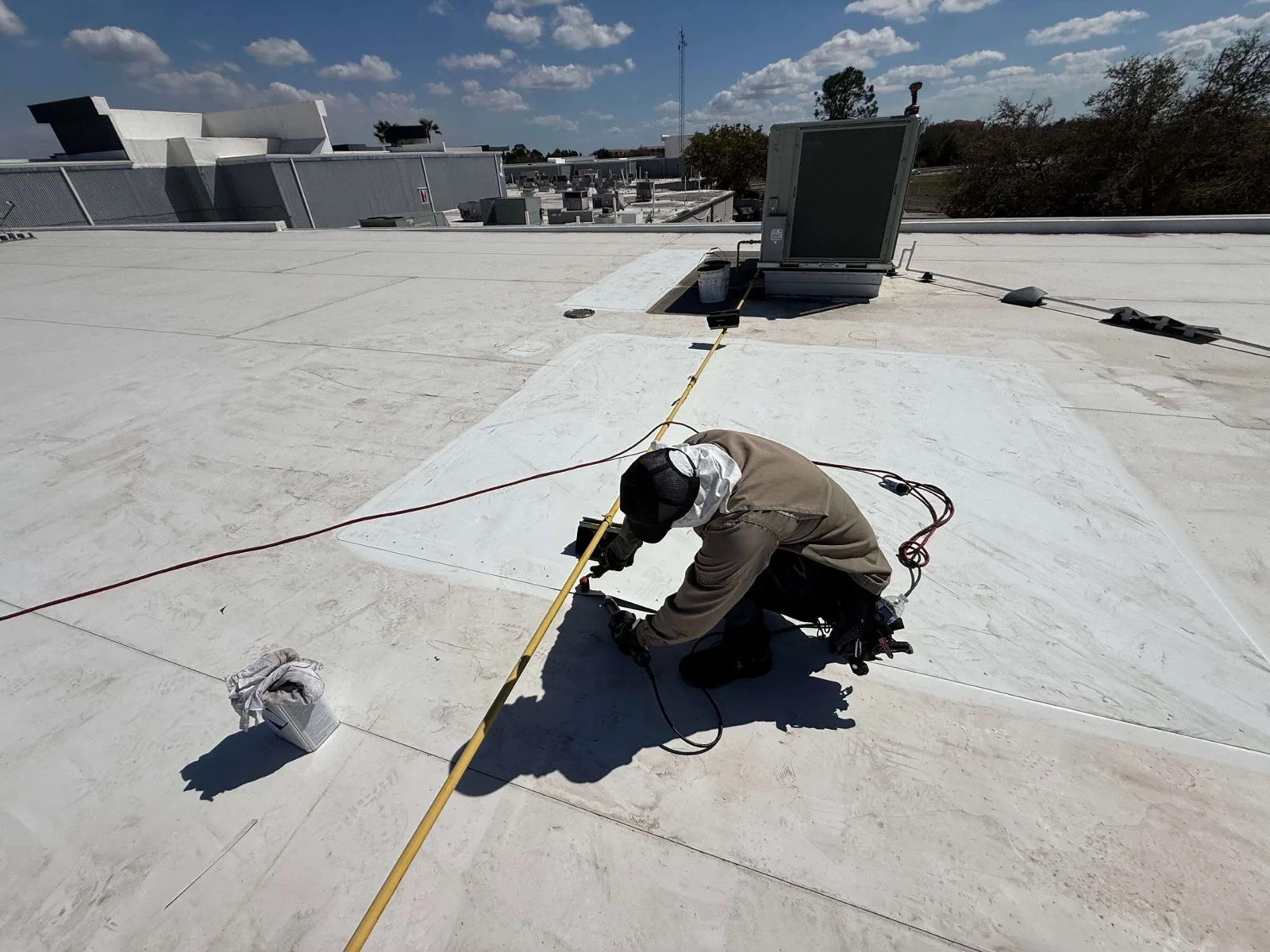
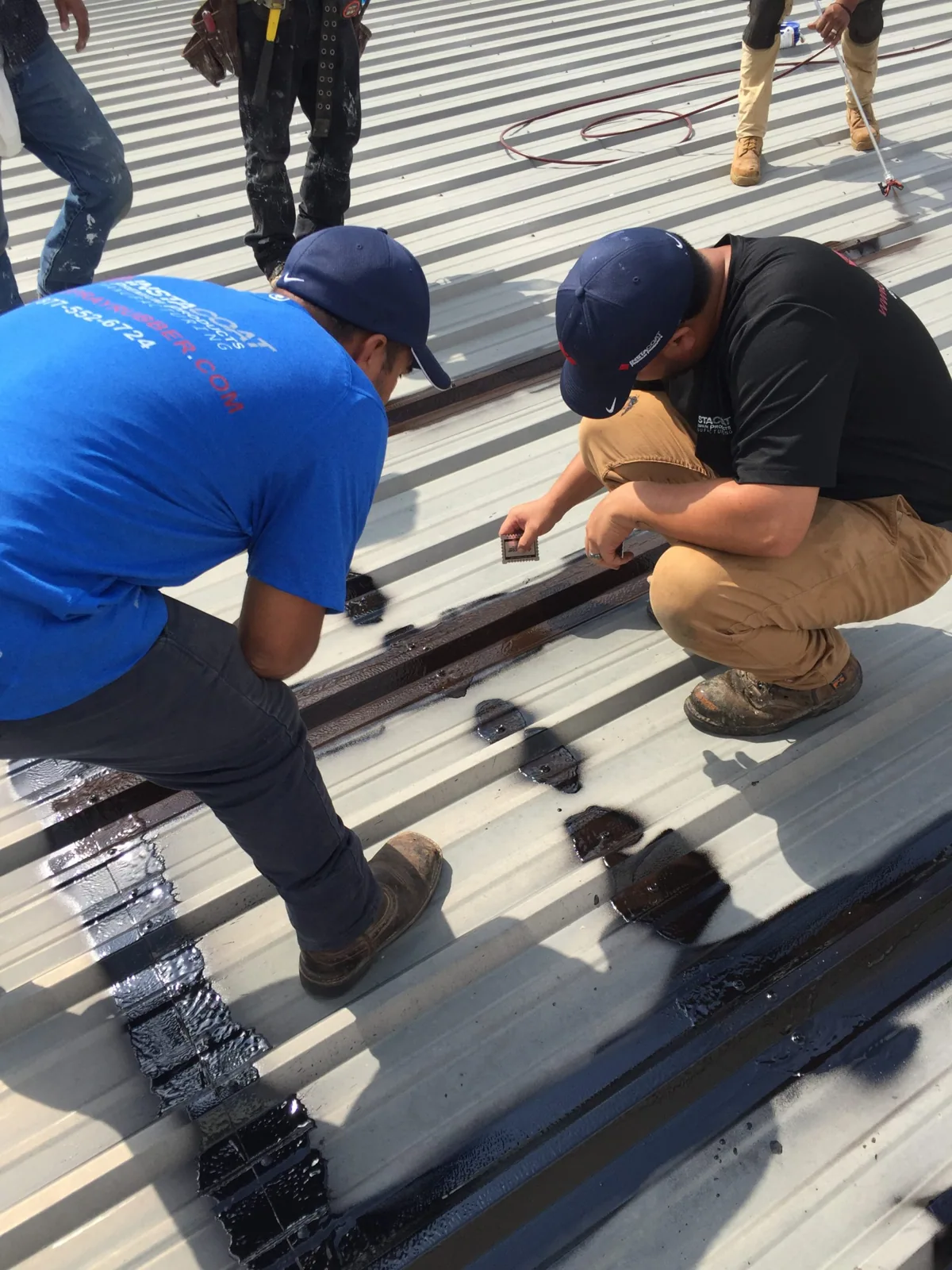
A temporary measure is useful only when its purpose and limit are understood. We document whether it covers an opening, diverts water, or protects an interior area while materials or access are arranged. The permanent repair can require drying, substrate preparation, compatible flashing, or removal of failed material. If the roof shows wind-related movement at edges or corners, a wind damage review can assess those details beyond the immediate drip. A written condition report keeps the temporary action, confirmed damage, and proposed permanent scope in separate records for approval. The permanent repair may require drying time or a clean surface that cannot be prepared while rain continues. We explain what must be ready before the final material is installed and whether the assembly can remain protected in the interim. A follow-up date or condition is written down, especially when a temporary cover depends on later access. The owner can then assign that next step instead of assuming the initial measure has resolved every roof concern.
Know what changes the response scope
Roof height, system type, weather, wet insulation, equipment conflicts, and interior protection affect what can be done during the first visit. If several zones are involved or the deck condition is uncertain, opening more material may require owner approval and a safer work window. Menifee’s adopted 2025 California Building Code and listed wind criteria are project design inputs, not an emergency diagnosis. We record the site condition and identify whether a designer or permit review is needed for subsequent work. For an active building, the contact also needs a practical next update time and the name of the area that remains under observation. We do not treat a temporary correction as full roof restoration.
Leave the next crew a clear starting point
Before leaving, we identify where the leak appeared, which roof areas were checked, what temporary protection remains, and what must happen before permanent repair. Photos and a zone label reduce repeat setup on the next visit. A property in the Community Core Economic Development Corridor still receives a building-specific access plan; corridor context does not replace site instructions. If the roof condition permits an immediate permanent detail, we explain the repair boundary and material choice. If another review is needed, we state the open question. Call at any hour when water threatens a facility, and we will coordinate the safest available response and next step. The handoff should also identify which materials or equipment need to be brought for the permanent detail. If the opening changes after the roof dries, the next crew compares it with the initial photos and records the difference. That can prevent unnecessary removal and make the repair decision clearer. The facility contact can keep the report with other roof records and use the same zone name during future maintenance.
Commercial Roofing Questions
Can your team respond after hours?
Yes. Emergency response is available around the clock, seven days a week, including holidays. Access and weather conditions determine what the first visit can safely accomplish.
What should we do while waiting for roof access?
Protect people first, move equipment where safe, and report the affected room to the facility contact. Avoid entering areas with electrical or ceiling hazards.
Will the first visit include a permanent repair?
Sometimes, when the opening is visible, access is safe, and compatible material is available. The report separates completed repair from temporary protection.
What if the roof cannot be accessed during a storm?
We explain the safety limit, protect the interior where practical, and coordinate the next safe inspection window.
How do you document a temporary cover?
We record the location, purpose, coverage limit, and follow-up needed so the owner knows what remains exposed.
Related Roofing Work
Request an emergency roof response
Request a Roof Assessment
Call at any hour and identify the affected area, access contact, and immediate safety concern. We will coordinate the safest available response and document what remains.
Service area
Menifee, Perris, Murrieta, Temecula, Hemet, Lake Elsinore and nearby Inland Empire communities
Quick contact
[email protected]
555-555-5555