
Commercial Roof Condition Reports in Menifee
Home / Roofing Capabilities / Commercial Roof Condition Reports in Menifee
A useful condition report lets a facility manager find the same roof detail again. Each observation needs a roof-zone label, a photo, a short description of what is visible, and a next step. The report distinguishes a confirmed opening from a suspected water path, a maintenance item from a repair, and an area not reached from one that was inspected. That precision helps a reader act without converting one field visit into a warranty or structural conclusion.
Before the visit, share roof plans, access rules, leak history, and known work. During inspection, the technician records membrane, seams, terminations, drains, curbs, edges, and conditions that limit access. Photographs should include detail and context views. A roof inspection can establish this baseline when the owner needs a current record.
Report Structure
Begin with the property address, inspection date, weather or surface conditions where relevant, roof areas included, and systems identified. A map should show north or another orientation, building outline, zones, drains, penetrations, and photo locations. If the site plan is incomplete, label approximate dimensions and ask the owner to verify them. Record access restrictions, such as a locked hatch or equipment zone, so missing coverage is visible.
Use consistent terms for condition and priority. An observation can state “open lap at grid reference B-4”; the recommendation can call for approved seam testing. Do not describe the recommendation as completed work. A summary table is helpful only if it links each priority back to evidence and next action. The asset register can store the report date and keep the original document available.
Evidence
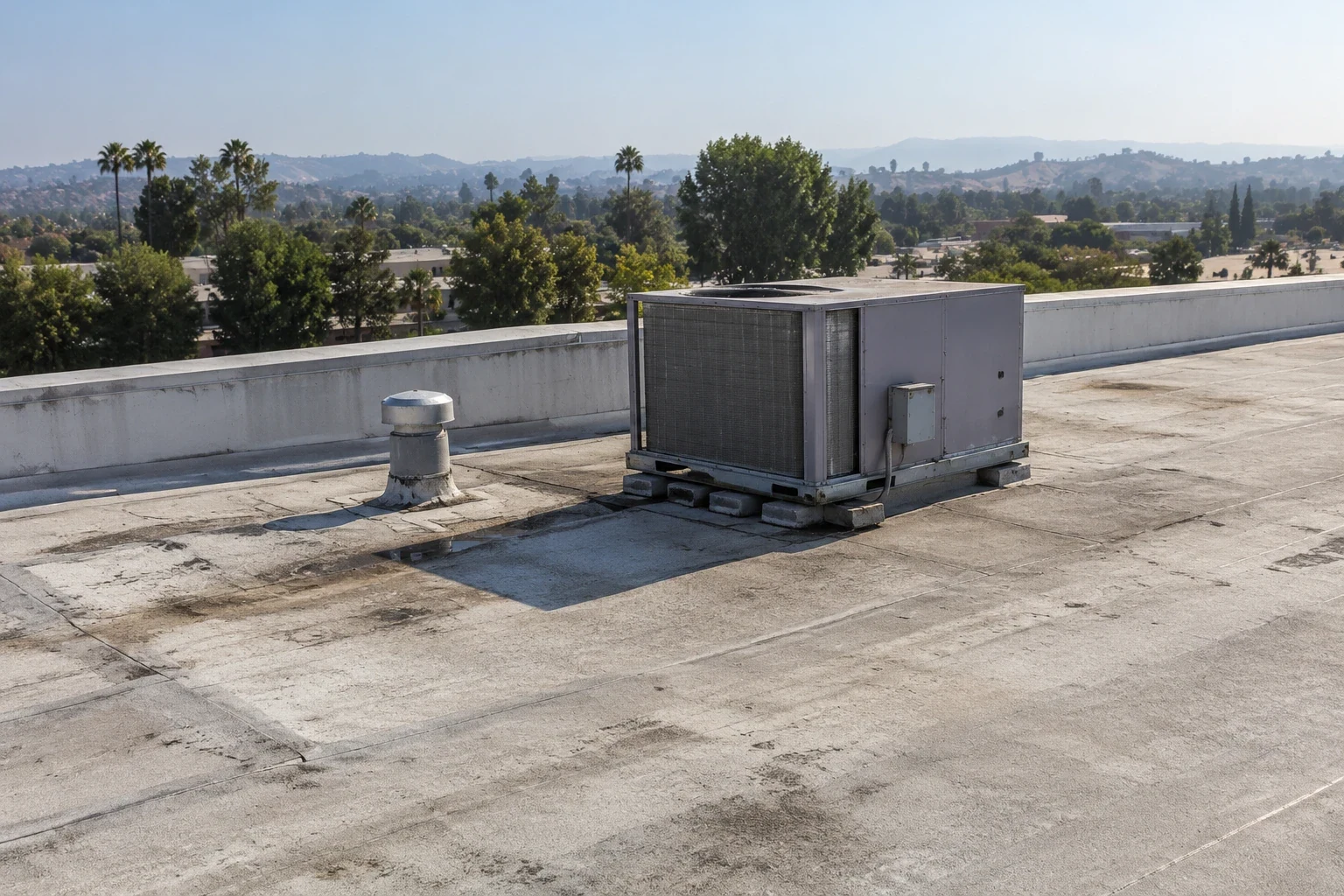
A clear photo record includes scale, orientation, and relationship to the roof plan. For a small crack, take a close image; then show the seam, curb, or wall where it occurs. Avoid a photograph that cannot be located later. Note whether the surface was wet, dusty, shaded, coated, or obstructed. If the condition is behind equipment or under a walkway, state that it could not be fully inspected rather than inferring its state.
Tests need their own method and limit. Identify the instrument or procedure, the area sampled, the result, and what the result can establish. A single moisture reading does not show the condition of the entire assembly. If destructive sampling is used, record authorization and layers found. Moisture survey methods can help target additional checks but do not replace a confirmed opening where needed.
Priorities
Prioritize findings by urgency and consequence: active interior water, unsafe access, a failed termination, drainage concern, or a maintenance item can require different response times. State why a condition ranks as urgent and what would change that priority. A risk score without a definition may mislead a finance or property team. The property manager, not the report template, decides whether to close an area or approve repairs.
Recommendations should say who needs to act: owner, roofer, engineer, mechanical vendor, or warranty contact. If the report identifies possible deck movement, refer for qualified structural review. If it finds a defective drain flashing, keep plumbing coordination separate. Capital planning can use the ranked evidence while keeping the repair decision with the owner.
Scope Limits
Write a concise limitations section. List roof zones not accessed, test areas not opened, weather limits, obscured surfaces, and assumptions supplied by others. Note that a visual inspection does not establish that concealed moisture is absent. If the owner asked about a leak, state whether the suspected entry path was confirmed, remains uncertain, or could not be tested. Do not quietly turn an inspection into a design assessment.
Keep photo captions factual and avoid claiming a component is “good” based only on a distant image. If no defect was visible in a zone, say what was examined and how. Use “not observed during this visit” where appropriate. The report should remain useful when conditions change, because a dated record is a snapshot rather than a promise of future performance.
Menifee Context
Menifee’s 2026 economic strategy identifies healthcare as a major employment sector and discusses logistics, manufacturing, and distribution as emerging activities. These are city-level themes, not roof findings. For any Menifee site, confirm the address, building, access, and owner before assigning an inspection record. City-level designations cannot substitute for field verification of roof assembly. Perris and Southern Gateway Economic Development Corridor are broad local references; a condition report still belongs to the verified address and roof zone.
The City’s economic strategy identifies healthcare as a major employment sector and names industrial logistics, manufacturing, and distribution as emerging activities. These broad economic notes do not prove the use or roof condition of a property in the report. Community Core Economic Development Corridor and Southern Gateway Economic Development Corridor are named planning areas, not tested locations or a service limit.
Quality Control
Before release, check that every finding maps to a photo and roof zone, every recommendation has an owner or approval path, and the summary matches the body. Verify dates, system names, units, and any quoted measurement. If the report includes an estimate, separate observed condition from proposed work. A second reviewer can catch a misplaced image or a recommendation copied from a different property.
Update the report through dated addenda rather than overwriting its baseline. If a follow-up inspection finds a new condition, retain the old photo and mark what changed. The property manager can compare the same area and decide whether the repair boundary should expand. A portfolio inspection program can standardize report fields while keeping each site’s evidence distinct.
Handoff
Provide a digital and, if requested, printed map with the full report, photo index, tests, limitations, and recommended actions. The facilities contact should know which findings require immediate attention and which can enter a budget cycle. Identify the date for the next check and the person responsible for scheduling it.
If the owner approves repairs, retain the proposal and completed work record with the inspection. Update the asset register only after verifying the closeout documents. The next inspection then begins from a documented baseline instead of treating an old recommendation as a current defect.
A report can also connect to warranty document tracking; transaction survey boundaries; Southern Gateway land-use context.
Use the photo index to avoid a report that forces a reader to hunt through dozens of unlabeled images. Each caption should say what is visible and where it sits on the plan. A close-up of an open seam needs a wider image that identifies the roof zone. If the photo does not show scale or orientation, state that limitation instead of implying a measured defect.
A report update should preserve the original issue date and identify any new inspection or test. Do not quietly edit an old observation after repairs; add a dated note describing the completed work and evidence. A property manager can then see the sequence from condition, to authorization, to repair, to follow-up.
If the owner asks for a condition grade, explain its definitions and boundaries. A grade may combine several roof zones, so pair it with the individual findings. The summary should not imply that an inaccessible roof section was evaluated or that an inspection predicts a fixed remaining life.
Commercial Roofing Questions
What does a condition report include?
Include the roof map, areas reached, photos, observations, tests, access limits, priorities, and next actions.
Does a visual report rule out hidden moisture?
No. It states what was visible and whether additional testing is recommended.
How should an urgent item be described?
Name the condition, roof zone, evidence, consequence, and action that needs owner authorization.
Can photos replace a roof map?
No. A map makes images locatable and repeatable during follow-up.
How are inaccessible areas handled?
Mark them as not inspected and state why access or testing was limited.
Related Roofing Work

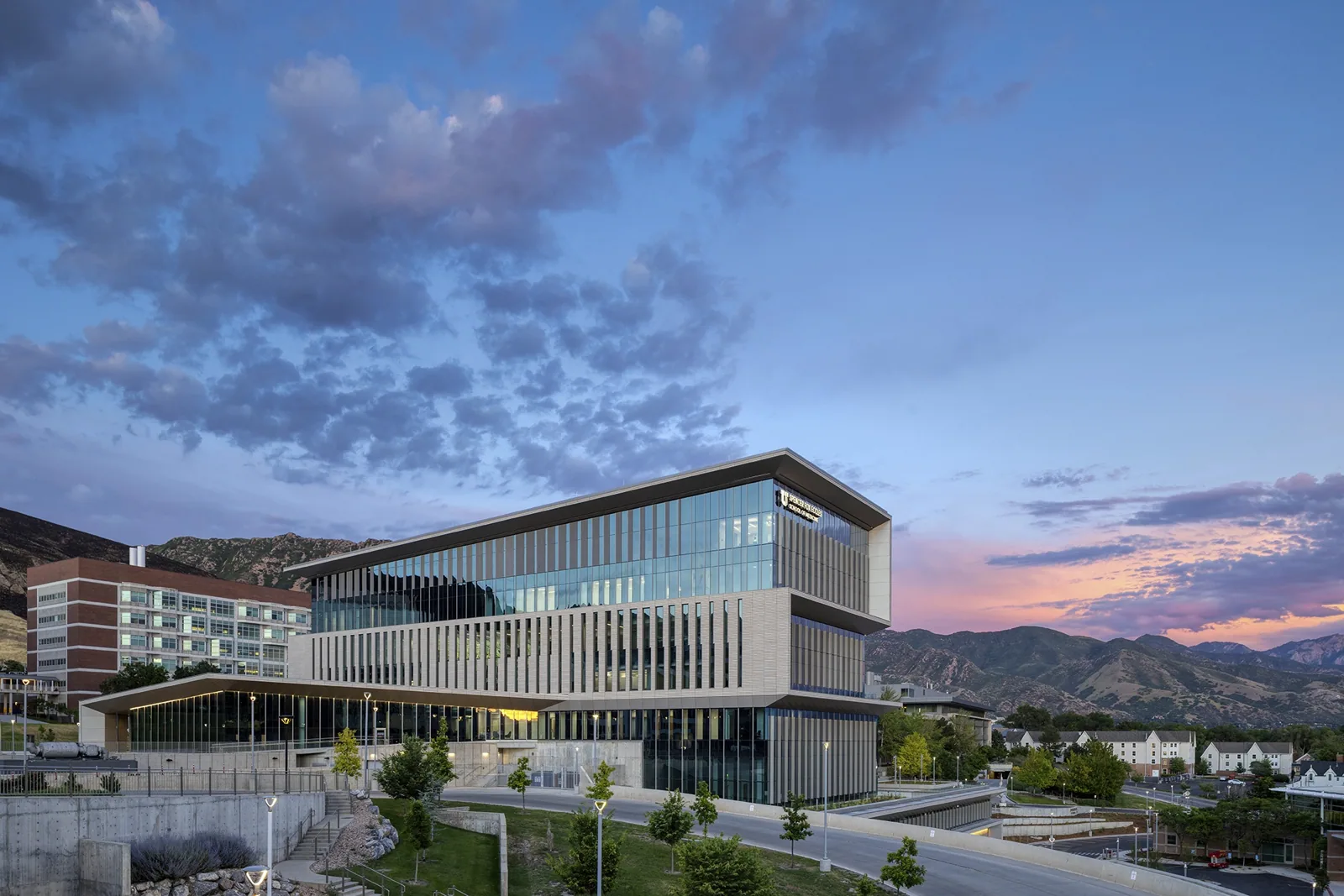
Arrange a commercial roof review
Request a Roof Assessment
Share the property records and operating needs. We can document roof conditions, identify open questions, and provide a practical next step for the facilities team.
Service area
Menifee, Perris, Murrieta, Temecula, Hemet, Lake Elsinore and nearby Inland Empire communities
Quick contact
[email protected]
555-555-5555