Commercial Modified Bitumen Roofing in Menifee, CA
Home / Roof Systems / Commercial Modified Bitumen Roofing in Menifee, CA
A modified-bitumen roof is a layered assembly, so a surface crack does not reveal how far a leak has traveled. We inspect the cap sheet, laps, flashing, base layers, and drainage before selecting a repair. The installation method matters too: torch, self-adhered, and cold-applied materials have different preparation and safety controls. A roof inspection records the existing layers and points where the assembly may need testing.
Identify the Layers Before Opening the Roof
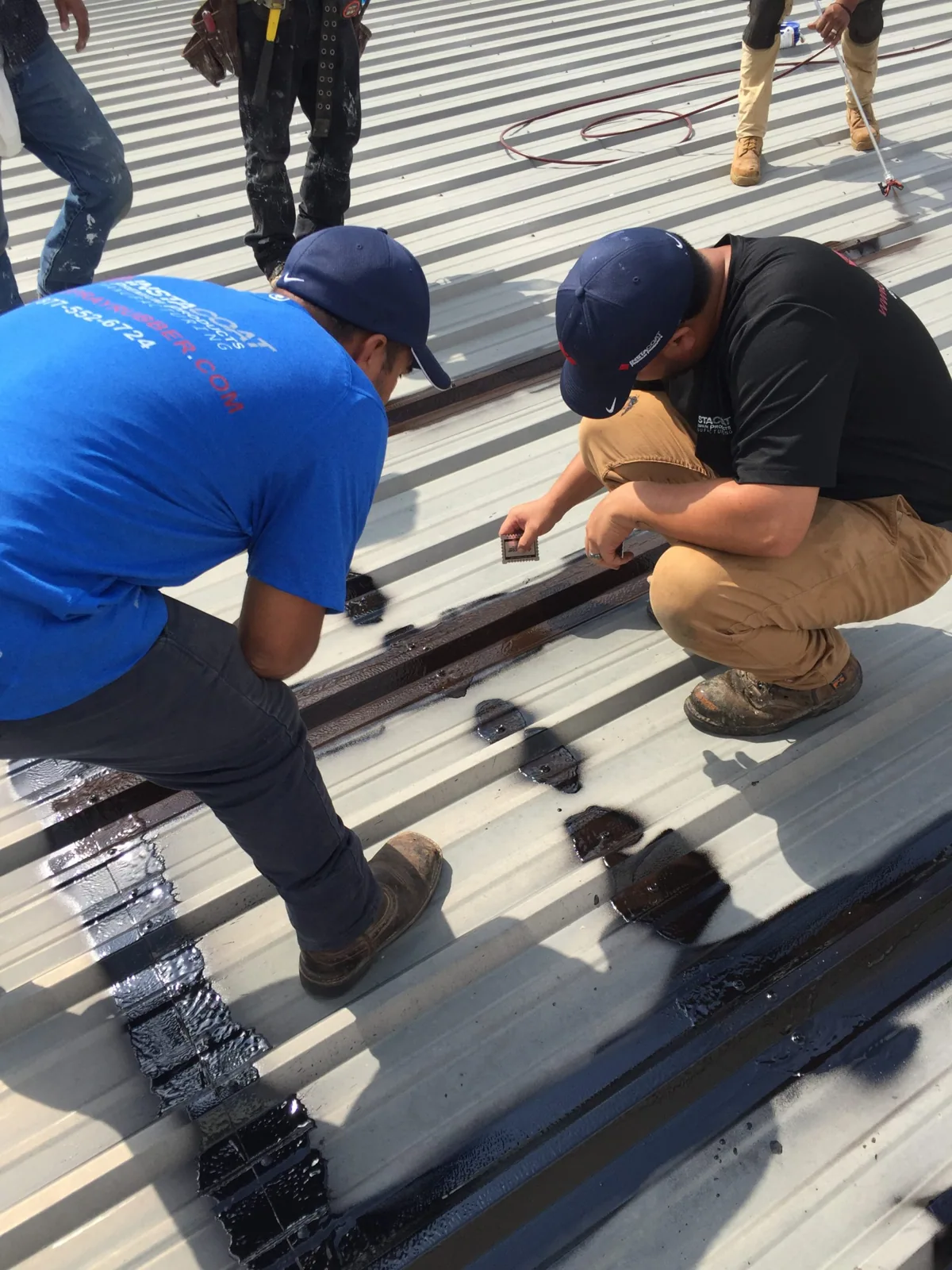
We look for cap-sheet surfacing, granule loss, open laps, blisters, splits, and patches that may conceal earlier repairs. A test cut can show how many plies remain, whether insulation is wet, and what deck lies below. We photograph each layer and close the opening with a compatible detail. Without that record, a repair allowance can underestimate removal or leave an unsound layer in place.
Different areas may contain different generations of material. We map transitions around drains, walls, equipment, and prior tie-ins rather than assume a uniform assembly across the roof. A cover-board and insulation review can locate wet substrate, while a repair plan shows whether a localized patch can be bonded to stable material. The owner receives a defined boundary and the evidence used to draw it.
Repair Laps and Surfacing with Compatible Materials
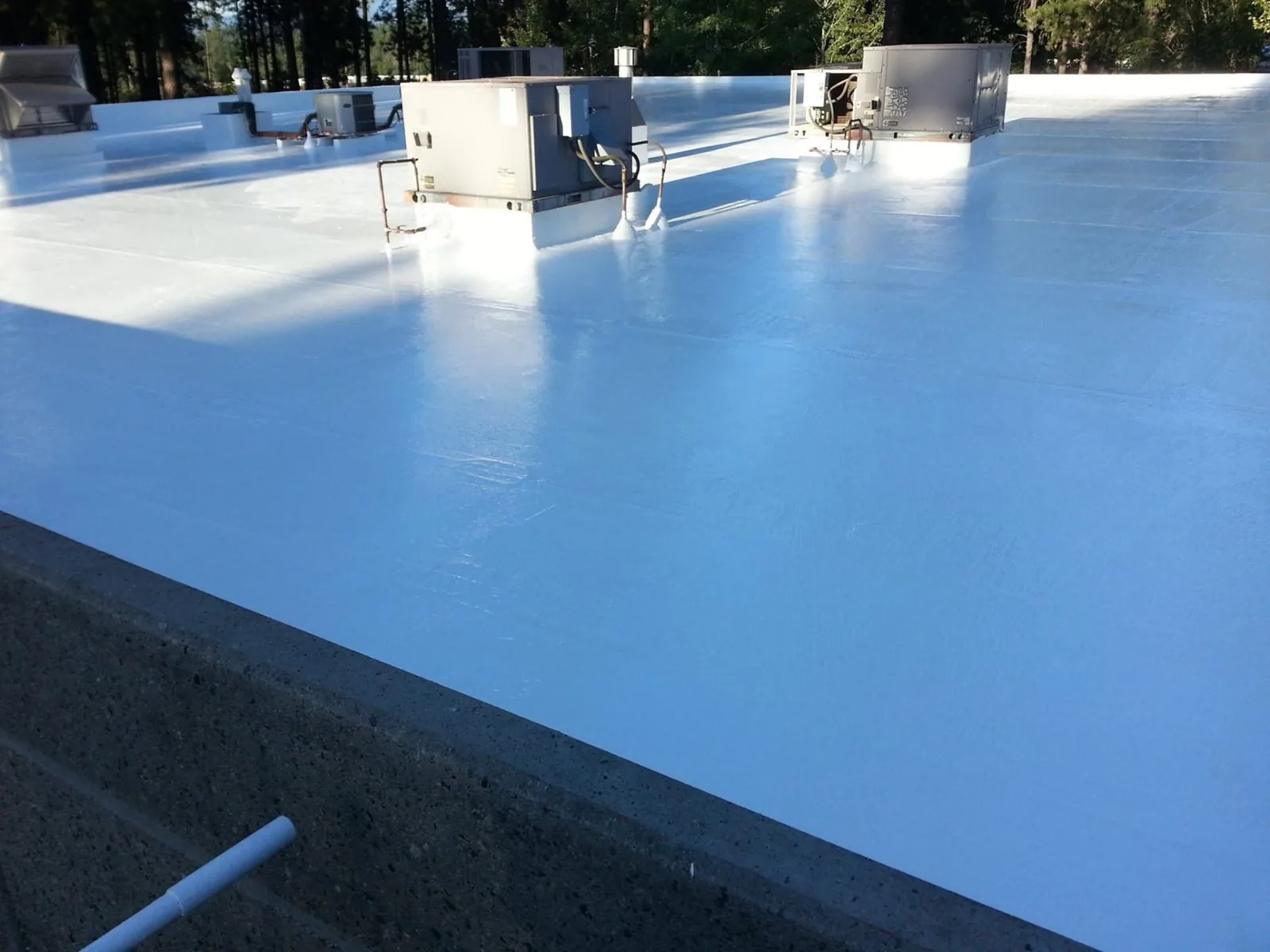
Open laps allow water to work below the cap sheet. We clean the area, remove loose surfacing, and expose sound material before setting a patch. The repair has to shed water in the direction of the roof slope and maintain enough bonded contact around its perimeter. A granule finish can protect the exposed surface, but it does not compensate for a patch edge that is loose.
Blisters may indicate trapped moisture, air, or a bond issue; cutting one open without a plan can make the roof harder to close. We confirm the defect and choose the repair method with the material system in view. Where a metal transition meets the membrane, the edge and coping review checks attachment, laps, and counterflashing. A separate built-up roof comparison can help owners distinguish layered asphalt systems by the specification and exposed construction.
Choose the Application Method and Safety Controls
Modified bitumen products may be torch-applied, self-adhered, or installed with an approved cold process. The specification and roof conditions determine which method is allowed. Torch work requires hot-work permits, fire watch, extinguishers, and inspection of concealed spaces. Self-adhered sheets need the right temperature and clean substrate. Cold-applied materials require compatible adhesives and cure conditions.
We confirm the method before mobilization and keep the product submittal with the field plan. If hot work is not permitted near occupied areas, an alternate assembly or sequence may be needed. A building contact should identify sensitive rooms, combustibles, and shutdown restrictions. A phased work schedule can keep access controlled while each zone is opened and closed. The closeout records which application method and safety steps applied to the installed area.
Product storage and substrate moisture matter before the first sheet is placed. We check labels, shelf condition, ambient and surface conditions, and primer requirements against the current product instructions. A prepared area remains protected from dust, rain, and traffic until it can receive the membrane. If the surface no longer meets the specified window, we stop and restore the preparation rather than burying contamination in the lap.
Protect the Drain and Wall Transitions
Water follows the membrane toward low points, then tests the drain flange, scupper, wall base, and equipment curb. We inspect how the cap sheet terminates at each detail and whether the surfacing or patch has blocked a path. A drain bowl may need cleaning, clamp-ring adjustment, or new flashing, while a wall base may require removal of loose material before a new turn-up is formed.
Menifee’s Community Core Economic Development Corridor is planned for more concentrated retail and office development toward I-215. The Newport Road corridor is intended for neighborhood-oriented commercial uses near residential areas. Those contexts can influence access and work timing, but drainage and flashing conditions come from the inspected roof. The drainage review and ponding-water scope distinguish a blocked outlet from slope or deck movement.
Compare Overlay with Full Tear-Off
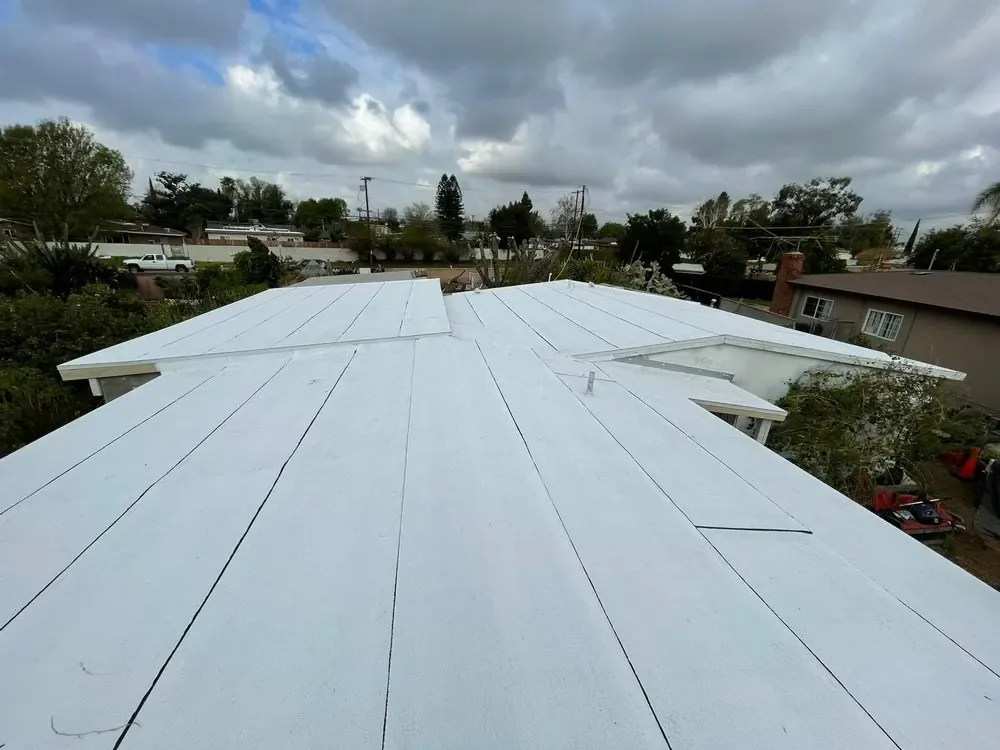
A recover can reduce removal when existing layers, attachment, moisture, and code allow another assembly above them. A tear-off exposes the substrate and lets the designer address wet insulation and deck conditions directly. We compare the two using test cuts, core information, edge height, drain details, and the number of existing roof layers. A new cap sheet over an unknown wet area is not a meaningful repair boundary.
Menifee’s code adoption and project wind criteria must be reviewed for the chosen assembly. The recover assessment documents what remains and what needs removal. If multiple plies are deteriorated or the deck needs work, a replacement plan may provide a clearer scope. The estimate separates demolition, substrate repair, insulation, membrane, metal, and disposal rather than bury all decisions in a single line. We also compare a single-ply EPDM assembly when the approved project criteria permit a different roof-system option.
Tie Weather Notes to Observed Roof Conditions
Menifee’s climate planning describes a naturally dry inland setting and identifies greater heat exposure as a city risk. We use that record to focus repeat checks on surfacing, laps, and metal transitions, then base repair quantities on the actual layers exposed. The Southern Gateway CEDS designation is the city’s planned Innovation District, with business parks and offices intended to attract large companies, technology, and healthcare. The Community Core Economic Development Corridor is identified as Menifee’s primary activity center and gathering place. Different building uses can affect staging and work hours, but the roof assembly and approved installation method govern this scope.
Log the Repair and Hot-Work Record
At completion, the owner receives marked repair locations, photos of exposed layers, application records, hot-work documentation where used, and any maintenance instructions required by the system. We note the test-cut results and the roof layers retained under a recover. The record also identifies water paths or edges that remain under observation.
Future maintenance checks laps, blisters, granule loss, drains, and metal terminations. The maintenance program records changes before a small split becomes a larger opening. If a later repair uses a different material, the existing assembly and manufacturer instructions guide the tie-in. A roof plan with each repair marked keeps the next inspection focused on the details that were actually opened and rebuilt.
At the end of each shift, we check that the membrane edge is sealed and loose surfacing has not entered a drain. The daily note identifies the last completed lap and any temporary protection still in place. If access stops before a detail is finished, the owner knows which location needs the next crew’s attention.
Commercial Roofing Questions
Can modified bitumen be installed without a torch?
Often, depending on the specified product and roof conditions. Self-adhered or cold-applied options still require the correct substrate, temperature, preparation, and manufacturer instructions. We confirm the permitted method before mobilizing.
How can you tell how many roof layers are present?
A test cut or core can expose the assembly. We document each layer, insulation condition, and deck before drawing a removal boundary. A visual surface inspection alone cannot establish the full build-up.
What makes torch work safe on an occupied property?
Hot-work authorization, fire watch, extinguishers, protection of concealed spaces, and a controlled work zone are part of the approved plan. If the location or operation does not permit torch work, we evaluate another specified method.
Can a cap sheet repair fix ponding?
It can restore a failed surface when the substrate and drainage are sound. Persistent water from slope, deck deflection, or a blocked outlet needs a separate correction. We identify the cause before pricing a surface patch.
Related Roofing Work
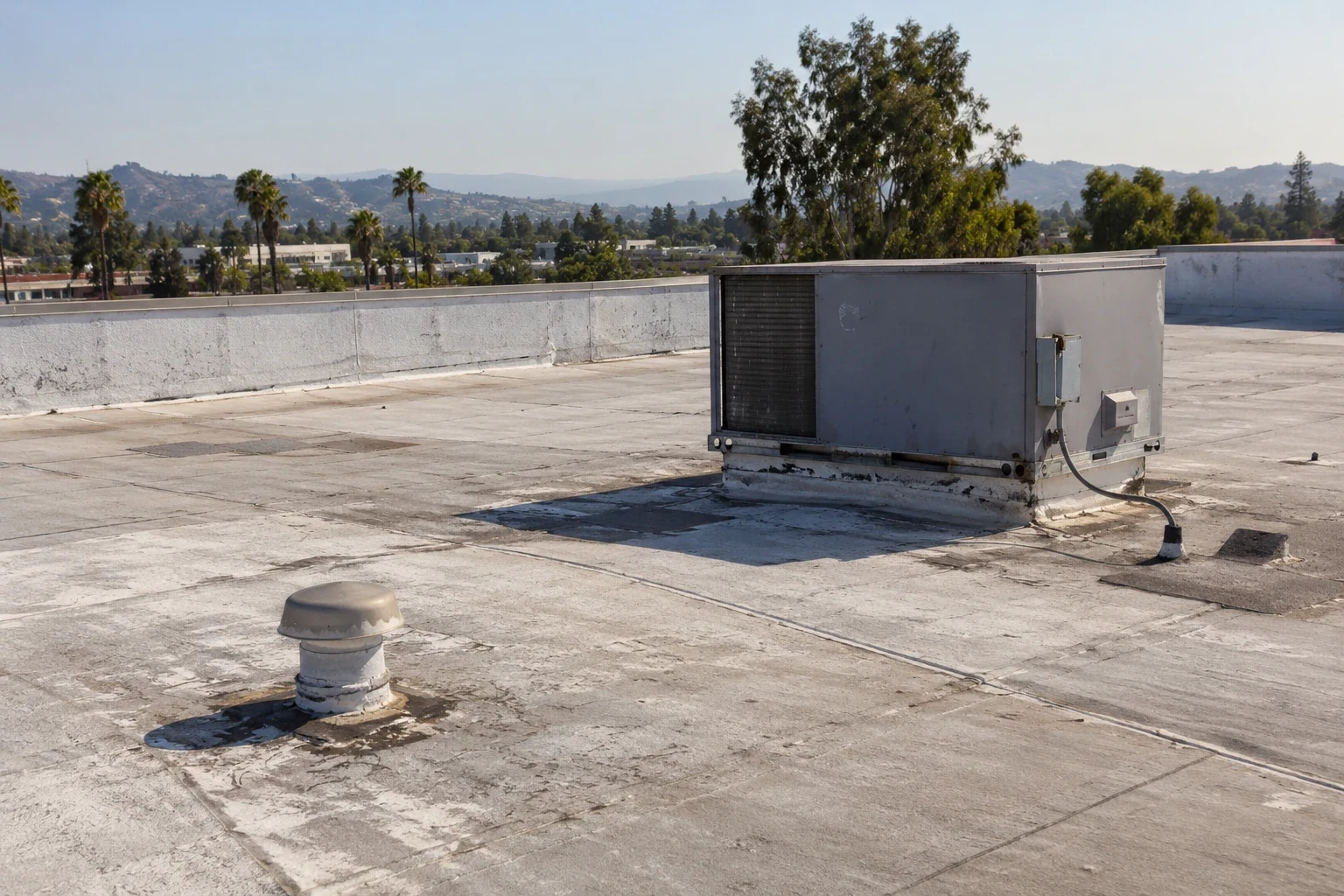
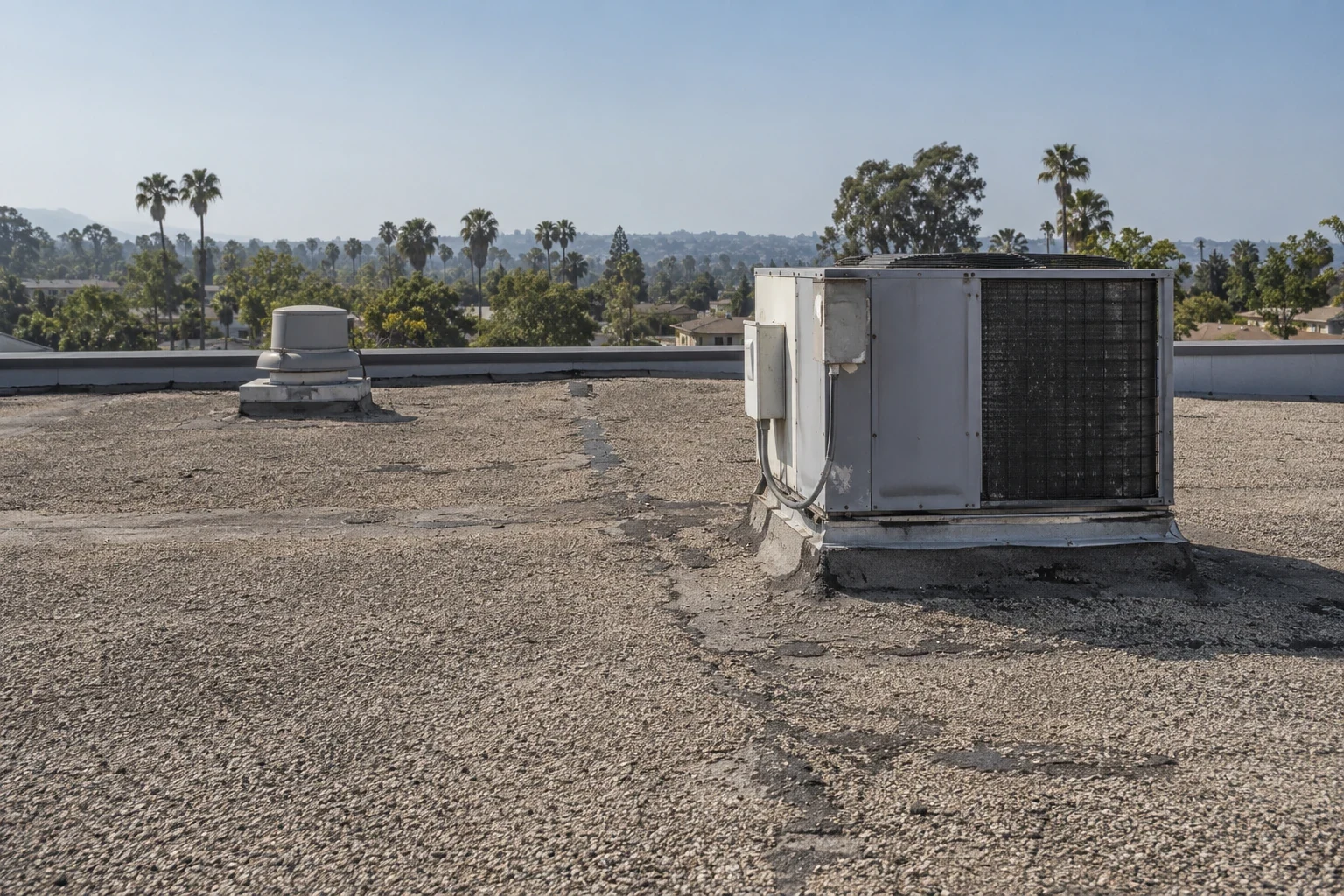
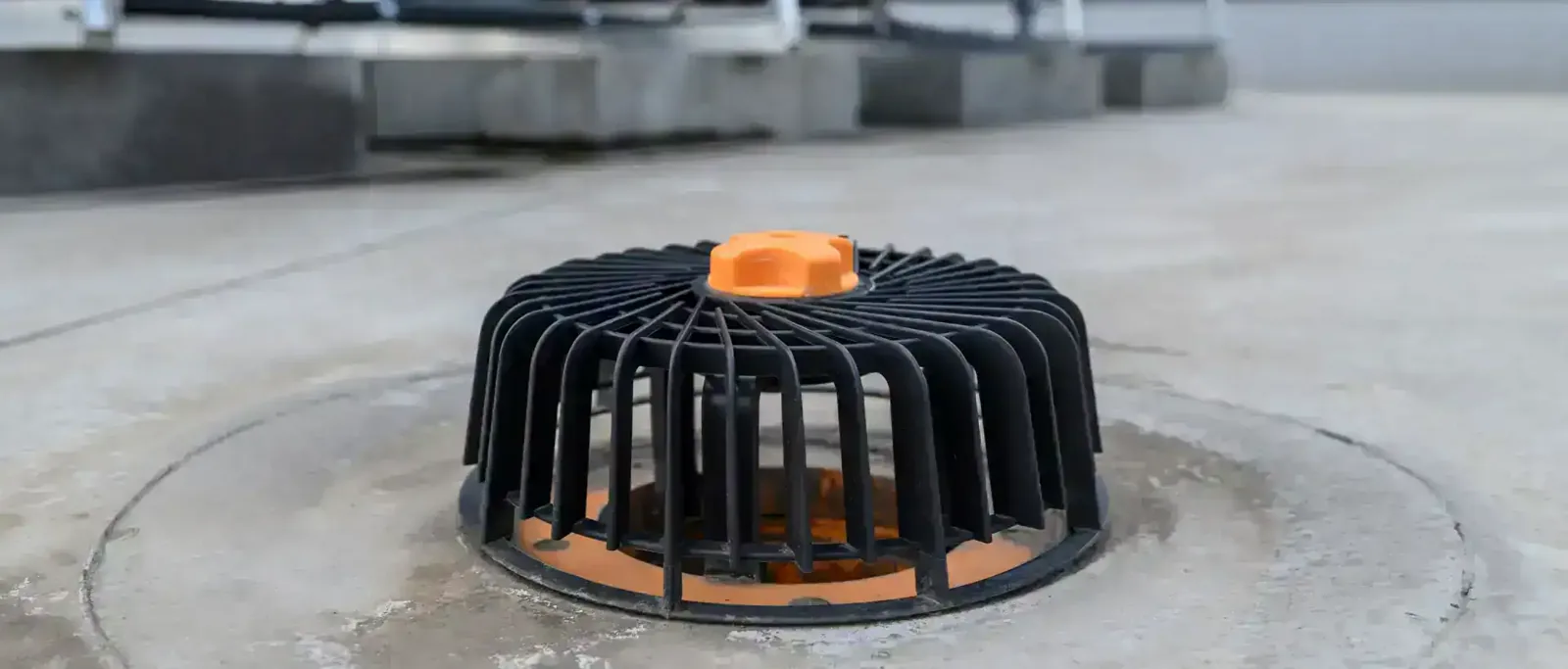
Review the Modified-Bitumen Layers
Request a Roof Assessment
Arrange a roof inspection with test locations where layers are uncertain. We will document the cap sheet, laps, flashing, drainage, and safe application method.
Service area
Menifee, Perris, Murrieta, Temecula, Hemet, Lake Elsinore and nearby Inland Empire communities
Quick contact
[email protected]
555-555-5555