
Commercial Roofing in Menifee’s Southern Gateway Corridor, CA
Home / Service Areas / Commercial Roofing in Menifee’s Southern Gateway Corridor, CA
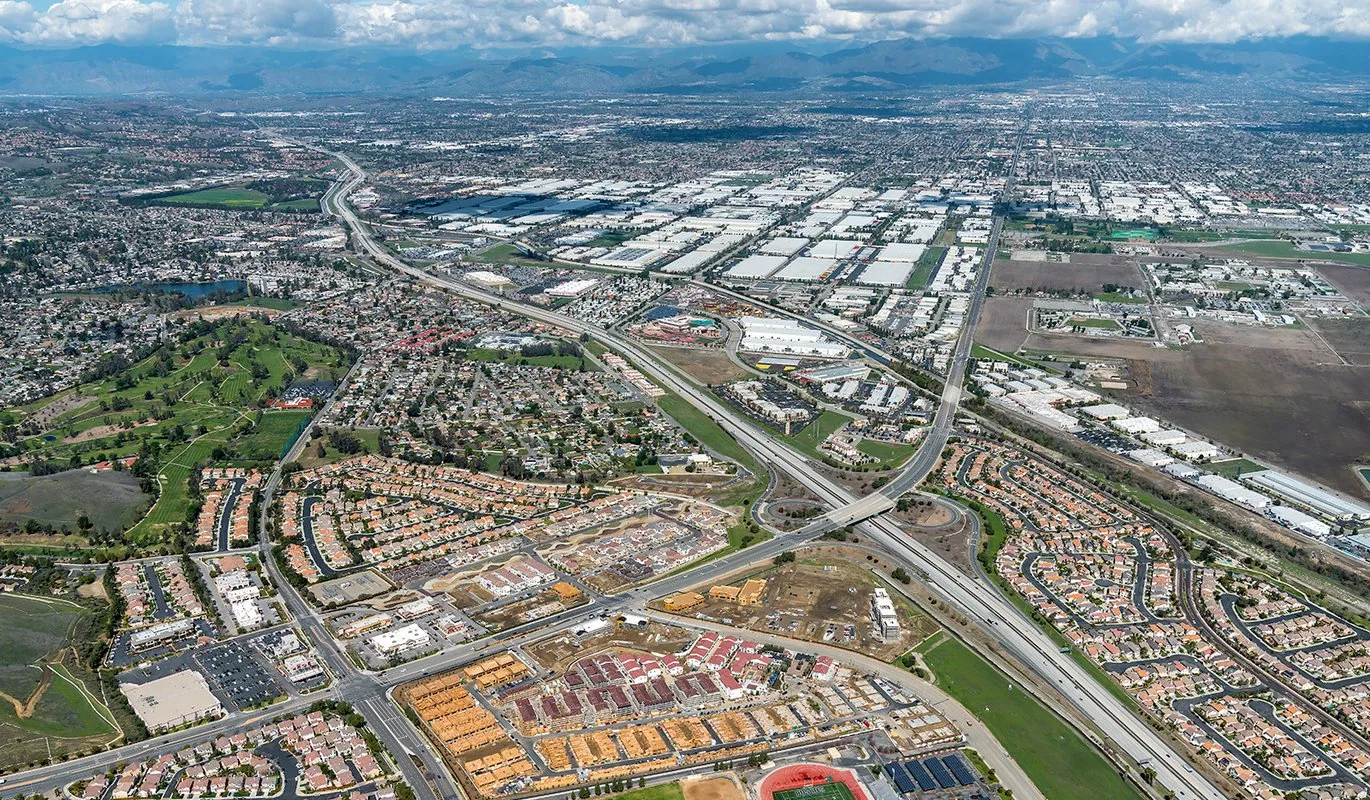
Sun load tests every transition between membrane and metal, especially where a parapet, curb, or equipment support interrupts a broad roof field. Menifee’s Development Code envisions Southern Gateway for business-park, light-industrial, office, and commercial uses while preserving rural character. Its economic strategy also names the area as a planned focus for an innovation district. This context can help a facility director plan around a changing area, but it is not a description of any individual roof. We identify the actual assembly, then inspect the exposed details where seams terminate and water changes direction. A focused report separates the defect itself from nearby wear, drainage limits, and conditions that may need a second visit.
Start with the Exposed Detail
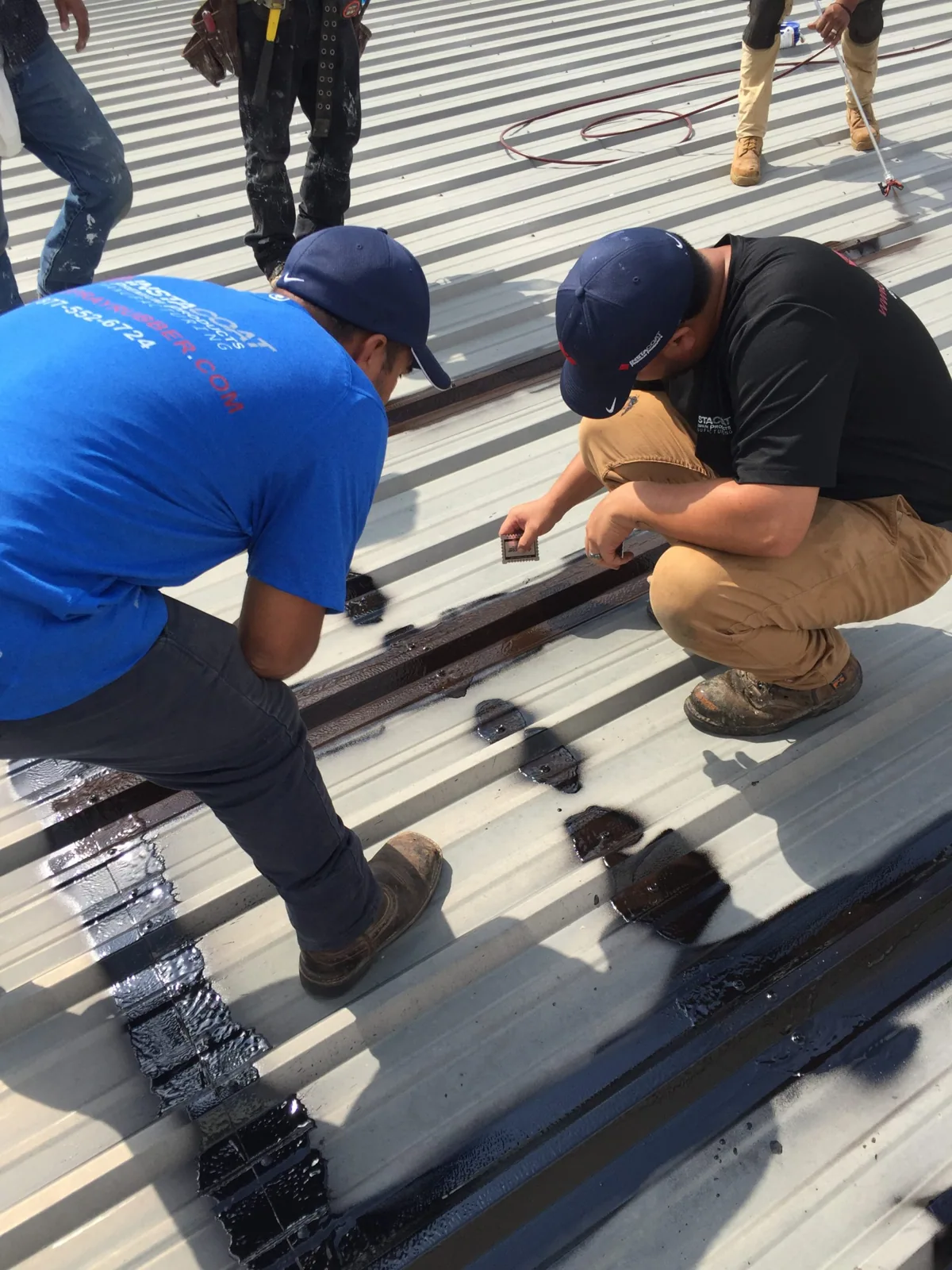
The first inspection should be orderly. We start at the interior report, locate the corresponding roof zone, and check the nearest high points, penetrations, and drains. Next we photograph the membrane surface and test the suspect lap or flashing. If the roof is metal, we examine fasteners, panel seams, and movement at transitions. If it is a membrane, we look at welds, adhesive bonds, and whether the surface can accept a compatible repair. Each observation gets a location and a condition label, so an owner can tell the difference between a confirmed opening, a risk area, and a detail that remains sound. For a wider geographic comparison, review Canyon Lake and Wildomar without carrying one site’s findings into another.
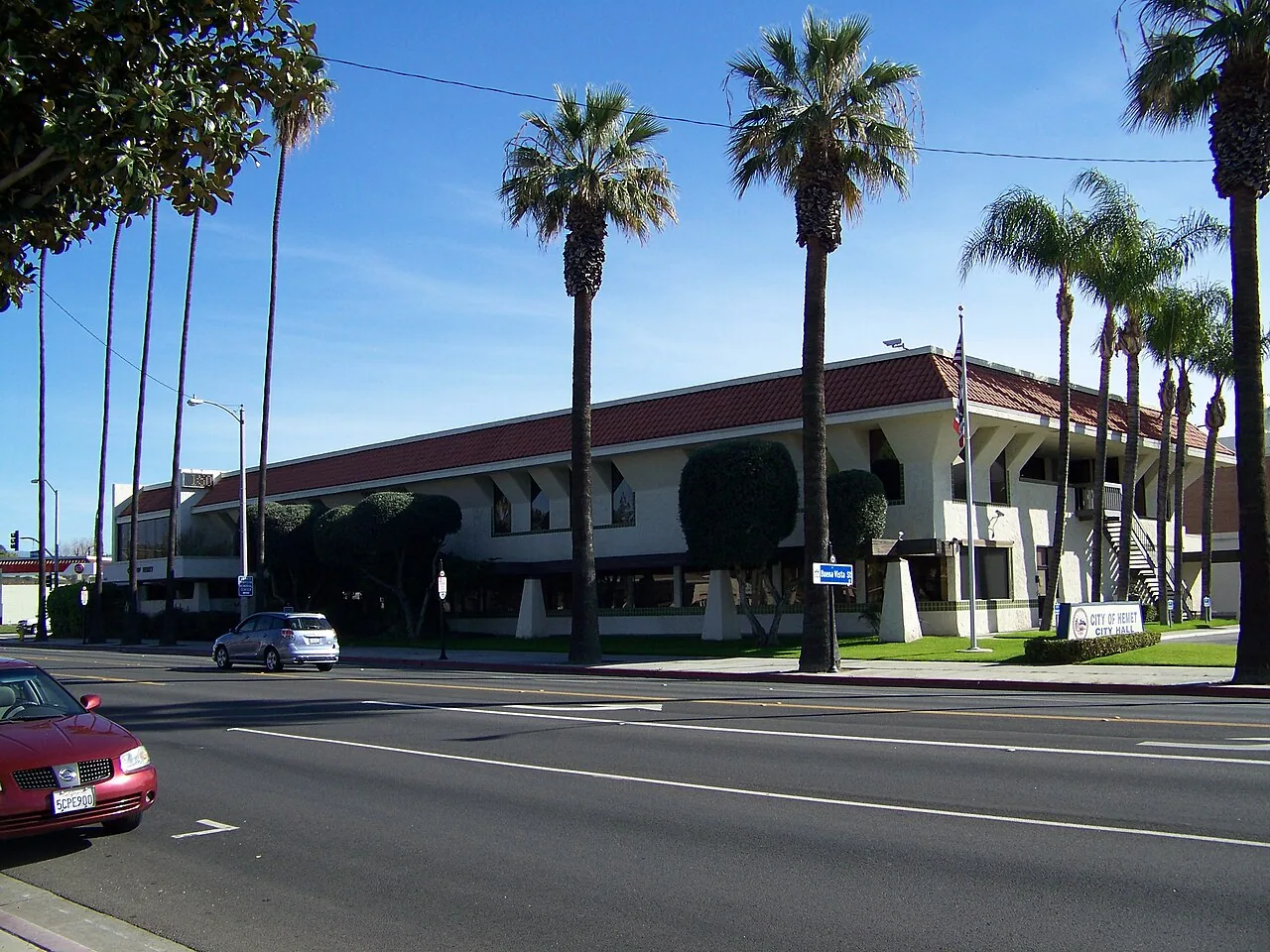
Check the Area Around the Defect
A commercial office or retail operation may need a dry interior while work happens overhead. Before opening the assembly, we agree on access points, noise timing, tenant notifications, and any HVAC protection. If a repair needs heat welding, we define fire-watch and material-handling procedures appropriate to the work. If removal could expose insulation, we plan the same-day closure and weather contingency. These details make a bigger difference than promising a quick schedule without seeing access. Our emergency crews can respond all hours to stabilize active water entry, then provide a permanent repair plan after the full roof condition is known. The inspection record identifies what was visible before any capital scope is priced.
Compare the Repair Options
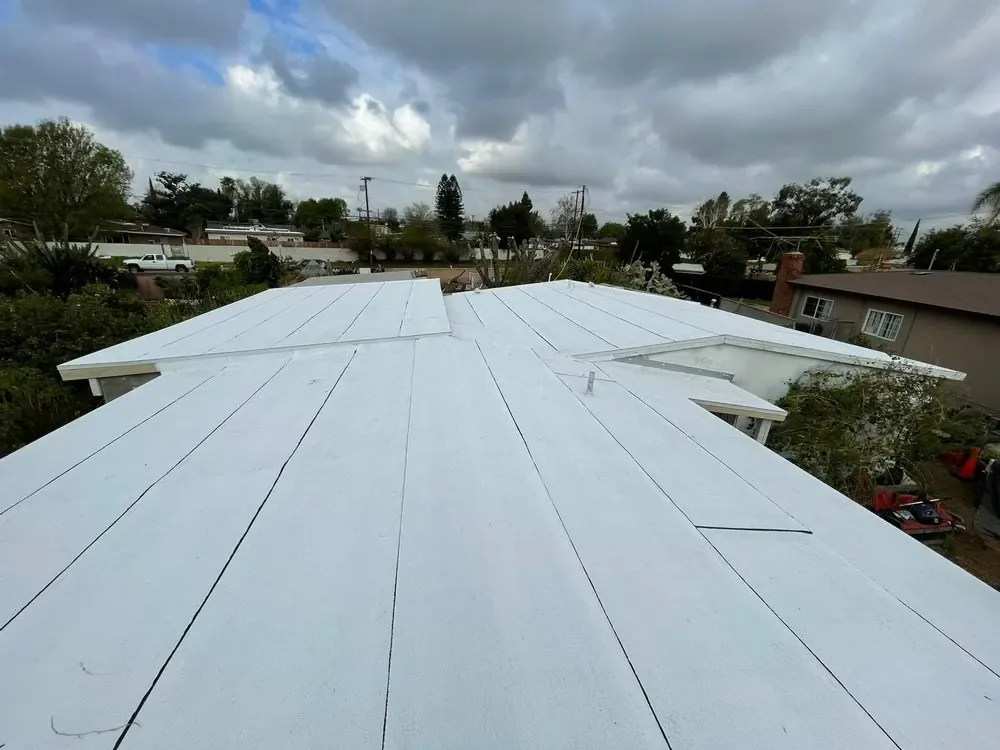
Menifee’s city climate materials identify increasing temperatures and more extreme-temperature days as local adaptation concerns. Heat can matter for work timing and material handling, while the roof’s actual movement and condition must be observed rather than assumed. We inspect sealant, edge metal, flashing corners, and penetrations for separation or brittleness. If several details have failed, the pattern can matter more than one patch. A maintenance plan can revisit exposed transitions after seasonal heat, equipment service, or new rooftop work. That follow-up gives the facility director a way to distinguish normal surface aging from a change that calls for repair. If the field membrane is TPO, its seam and flashing details must match the assembly found on site.
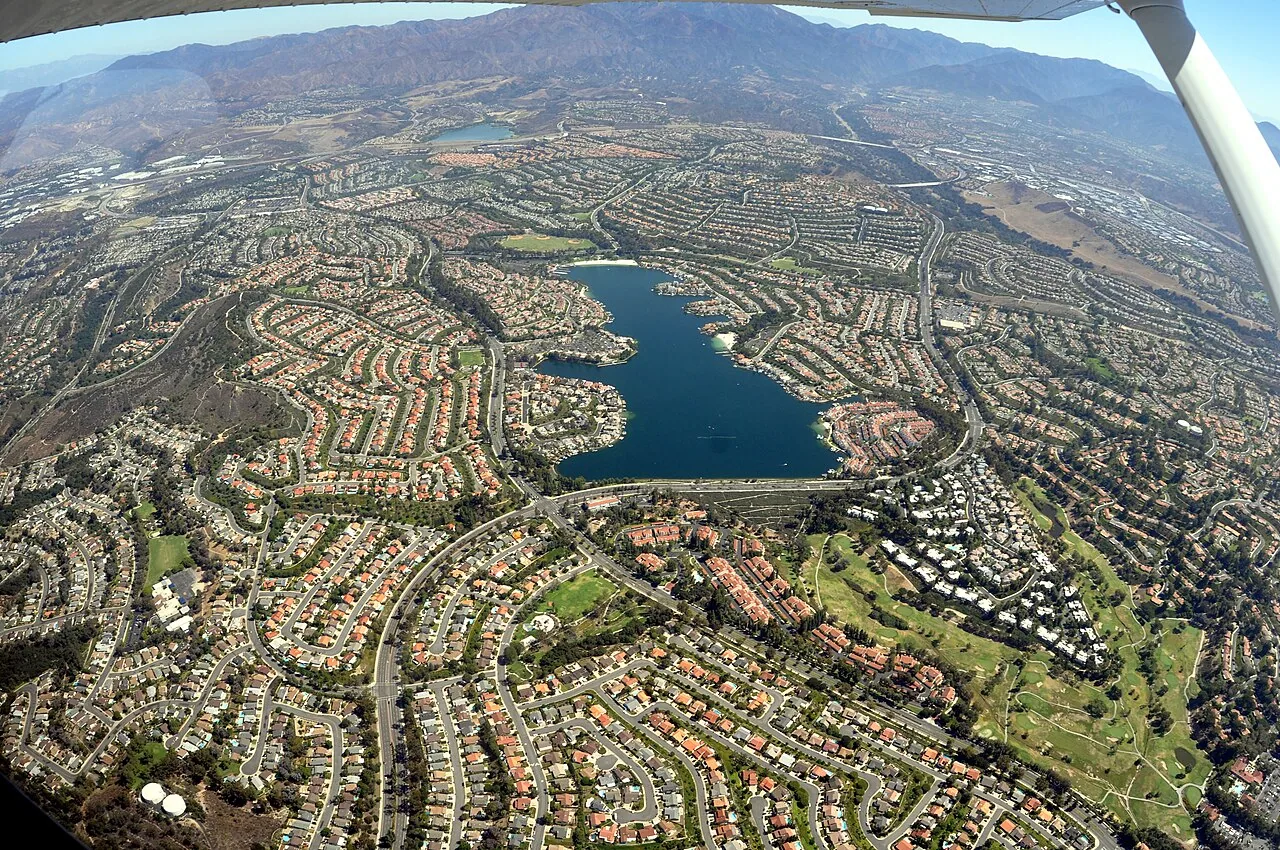
Protect Daily Operations
The right scope may be a repair, an overlay, a coating, or a tear-off. We do not select from the roof’s age alone. We consider the moisture pattern, membrane bond, substrate, drainage, existing layers, and any code or design conditions. A coating needs a sound surface and correct preparation; it will not correct saturated insulation or a poorly drained low point. A recover may preserve a serviceable assembly but can be unsuitable where wet material remains. For replacement, the proposal should state removal limits, insulation, cover board, attachment, edge work, and access sequence so the building team can compare proposals on a consistent basis. A planned maintenance program can capture the condition after equipment work or heat exposure.
Track Roof Changes Over Time
The closing record should carry the inspection forward. We provide images with zone labels, list the work completed, and point out areas that were not visible or could not be tested. A facility director can use that information to align repairs with budget cycles and planned equipment work. If a rooftop unit is scheduled for replacement, the roof details around its curb may need coordination before the unit lift. If the roof condition is stable, the report can identify what to monitor rather than sell a larger project. This approach gives each decision a documented reason and a practical next check. For limited damage with sound adjacent material, commercial roof repair can define a smaller correction.
Budget for Confirmed Work
A capital decision should reflect the evidence and cost drivers found during inspection. Tear-off, insulation replacement, access, equipment protection, edge metal, and occupied-building phasing can change a project’s effort. We list those items separately where possible. Menifee’s Southern Gateway is a planned business-park and office district intended to attract technology and healthcare industries. That plan does not establish a building’s age, condition, ownership, or roof assembly. We base the scope on the inspected property and use corridor context only when it helps coordinate access or understand surrounding use.
If repair remains reasonable, the report should say what it corrects and what stays in place. If a larger project is recommended, it should explain which repeated failures or moisture findings support that choice. A facility director can then align the work with maintenance schedules and planned equipment changes. The decision record should remain useful later: photos, roof zones, assumptions, and any test still needed before a replacement scope is final.
Keep Changes Under Control
Roof work can expose a second condition after old material is removed. Before the project starts, we identify how that discovery will be documented and priced, who reviews the change, and how the open area will be protected while the decision is made. Clear boundaries matter on occupied properties because one change can affect access, noise, or the timing of later work. A written process keeps a necessary adjustment from becoming an unrecorded expansion of the scope. Keeping one record for each roof zone also helps avoid repeating investigation when a leak returns.
The same discipline applies when another trade needs roof access. HVAC, plumbing, and electrical work can disturb membrane details around curbs and supports. We coordinate the sequence and inspect affected transitions after the trade finishes. If a new defect appears, photos and location notes can separate that condition from an existing issue. That record helps the facility director direct the next repair without relying on memory or a general statement that the roof was checked. Before approving a phased replacement, verify where each phase ends and how temporary tie-ins will protect the exposed edge. That detail matters when weather interrupts a shift or when a later phase begins months afterward. We document the closure condition and materials at each boundary so the next crew can continue from a known point.
Commercial Roofing Questions
Does heat mean a roof needs replacement sooner?
Heat is one condition to consider, not a replacement trigger by itself. We inspect the membrane, seams, flashing, insulation, and drainage, then compare the actual condition with repairable boundaries and any repeated failures.
How do you know whether coating is suitable?
We check adhesion, surface preparation needs, moisture, drainage, and material compatibility. When the base roof is not sound, we explain why repair or replacement should be evaluated before adding a coating layer.
Can you respond to a leak after business hours?
Yes. Emergency response is available around the clock. We stabilize the active water entry and document what was done, then coordinate a permanent repair window with the facility director.
Which details should be checked after rooftop equipment work?
We revisit the curb flashing, nearby seams, pipe supports, and any areas disturbed by lifting or service crews. The record should identify the unit and roof zone without treating equipment replacement as proof that the membrane was damaged.
Related Roofing Work
Request a roof inspection
Request a Roof Assessment
Share the building use, reported roof condition, and access window. We will inspect the affected area, document the findings, and outline practical repair or replacement choices.
Service area
Menifee, Perris, Murrieta, Temecula, Hemet, Lake Elsinore and nearby Inland Empire communities
Quick contact
[email protected]
555-555-5555