
Commercial Roofing in San Jacinto, CA
Home / Service Areas / Commercial Roofing in San Jacinto, CA
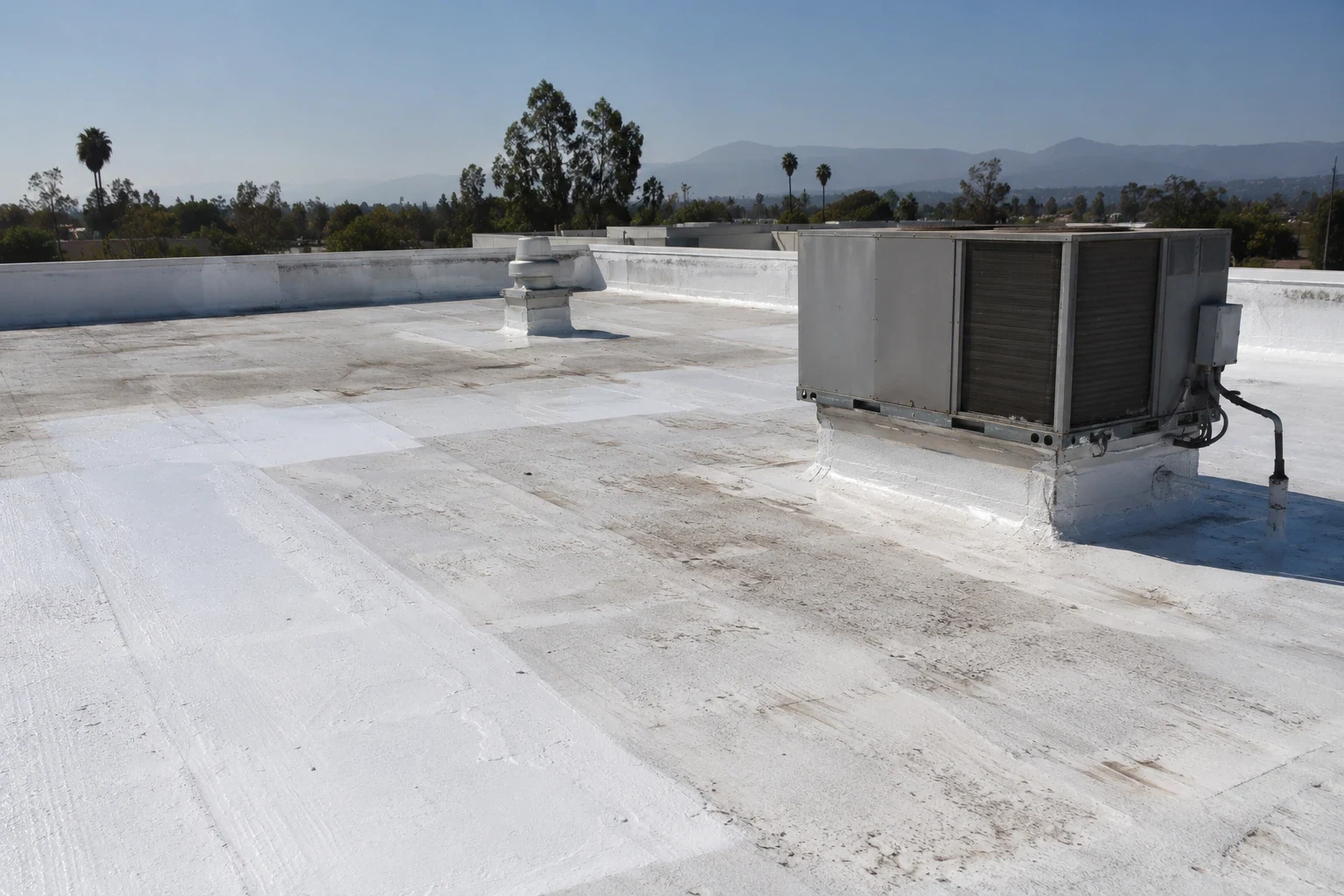
A split at a mechanical curb can sit above dry-looking rooms while moisture moves below the membrane. We inspect the curb, nearby seams, drainage direction and interior evidence in one sequence. The purpose is to locate the first weak point without treating the first visible stain as the whole problem.
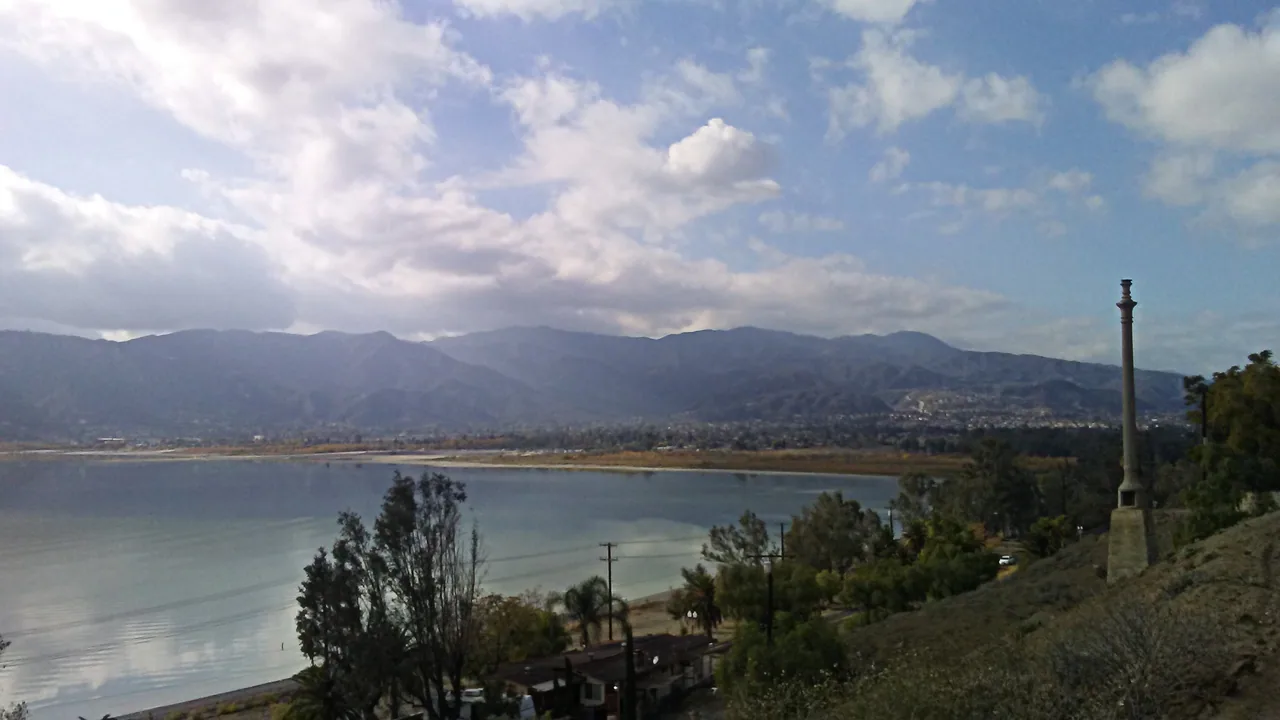
San Jacinto’s city development team works with businesses on retention, attraction, networking, workforce development, tourism and project support. This describes the City’s economic-development services, not a list of roofs or a diagnosis for any property. For a facility director, the useful first step is a roof record that connects the reported symptom to the actual assembly.
Use city context carefully
Citywide business-development programs can help explain the local environment, but they cannot replace field verification. San Jacinto’s public materials describe a development team that coordinates business support and project assistance. A specific office, shop, industrial building or community facility may have very different roof geometry and operating needs.
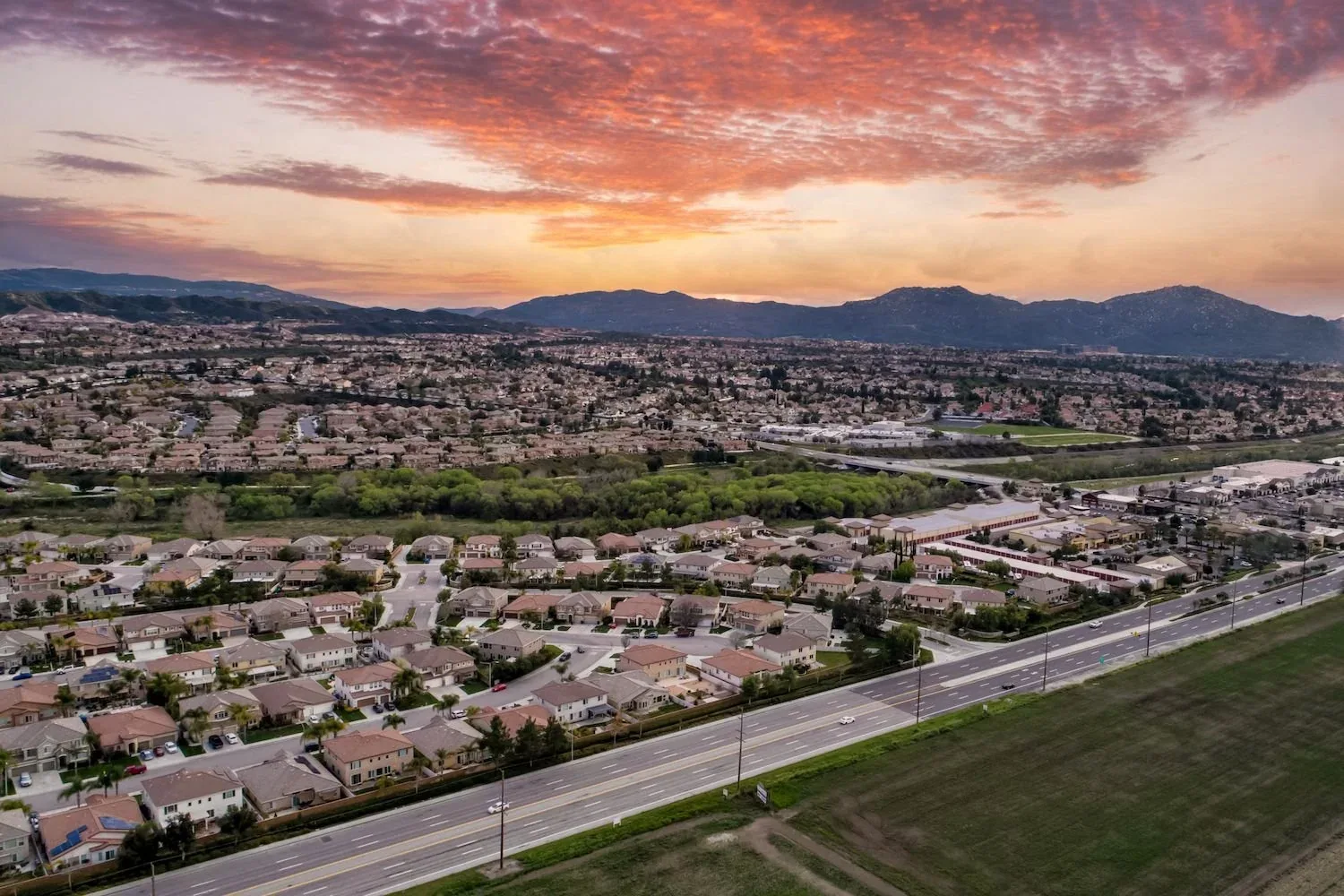
The nearby Hemet Downtown Specific Plan describes the downtown core as a commercial and civic hub for the San Jacinto Valley, with several districts and neighborhoods. That planning description belongs to Hemet; it does not establish a commercial inventory or roof condition in San Jacinto. It does offer regional context for facilities whose teams coordinate across the valley. The inspection remains local to the building.
Follow the water through each layer
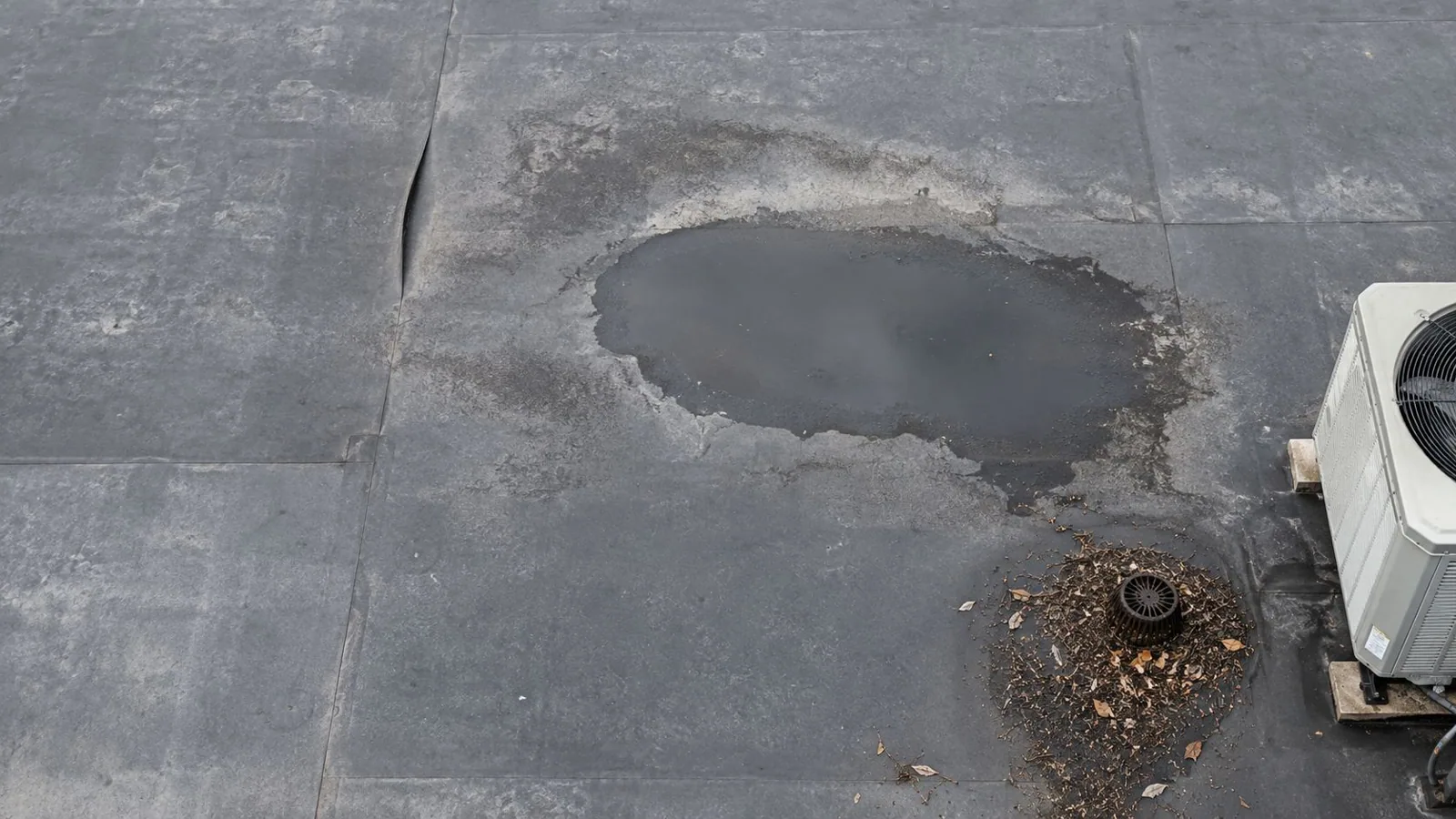
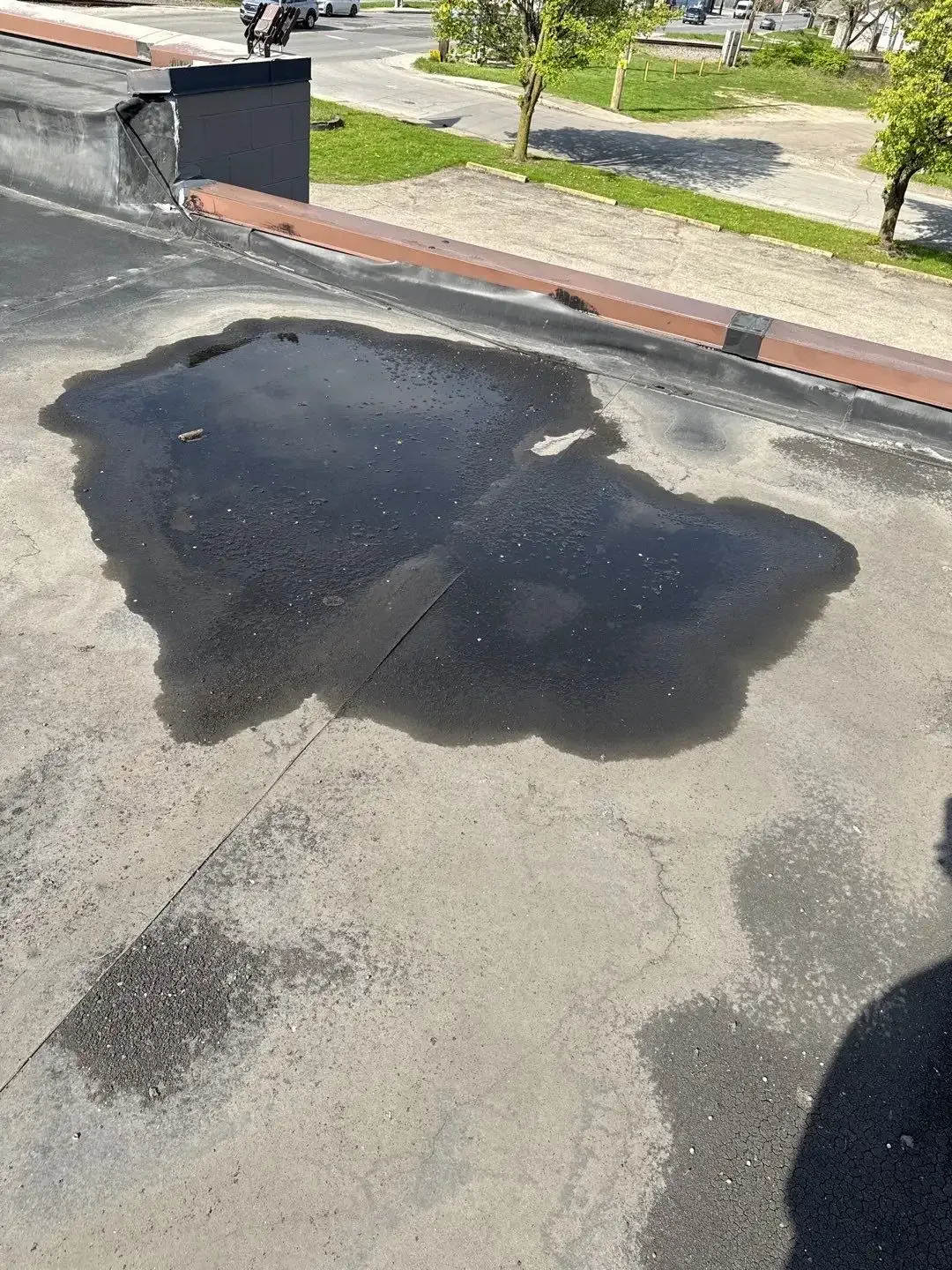
Start with when the leak appears, where it shows inside and what weather or equipment activity preceded it. On the roof, we check the closest drain, scupper, seam, curb, pipe penetration and wall transition that could feed that interior location. We look for a lifted membrane edge, an open lap, a loose counterflashing or a patch whose boundary has split. A shallow low area may hold water without being the entry point.
If moisture enters at one detail, it can move sideways beneath the surface before appearing below. When the suspected point is dry, the route may continue uphill or along a deck flute. We widen the investigation only when evidence supports it. A commercial leak-repair visit should distinguish temporary stabilization from permanent work and note whether the repair needs a test after completion.
Confirm materials before selecting a repair
Two membranes that look alike can require different preparation and joining techniques. We identify the roof system from visible seams, labels, prior records and approved tests where needed. We check whether old coating, adhesive or repair material will interfere with a new bond.
We also note edge attachment, walk paths, rooftop units, drains and the substrate condition where accessible. An infrared survey or core sample can answer questions that a surface inspection cannot, but each method has limits and should follow owner authorization. For a drone roof review, imagery may help map a large or obstructed field; close inspection is still needed to assess a seam.
Match the scope to the defect
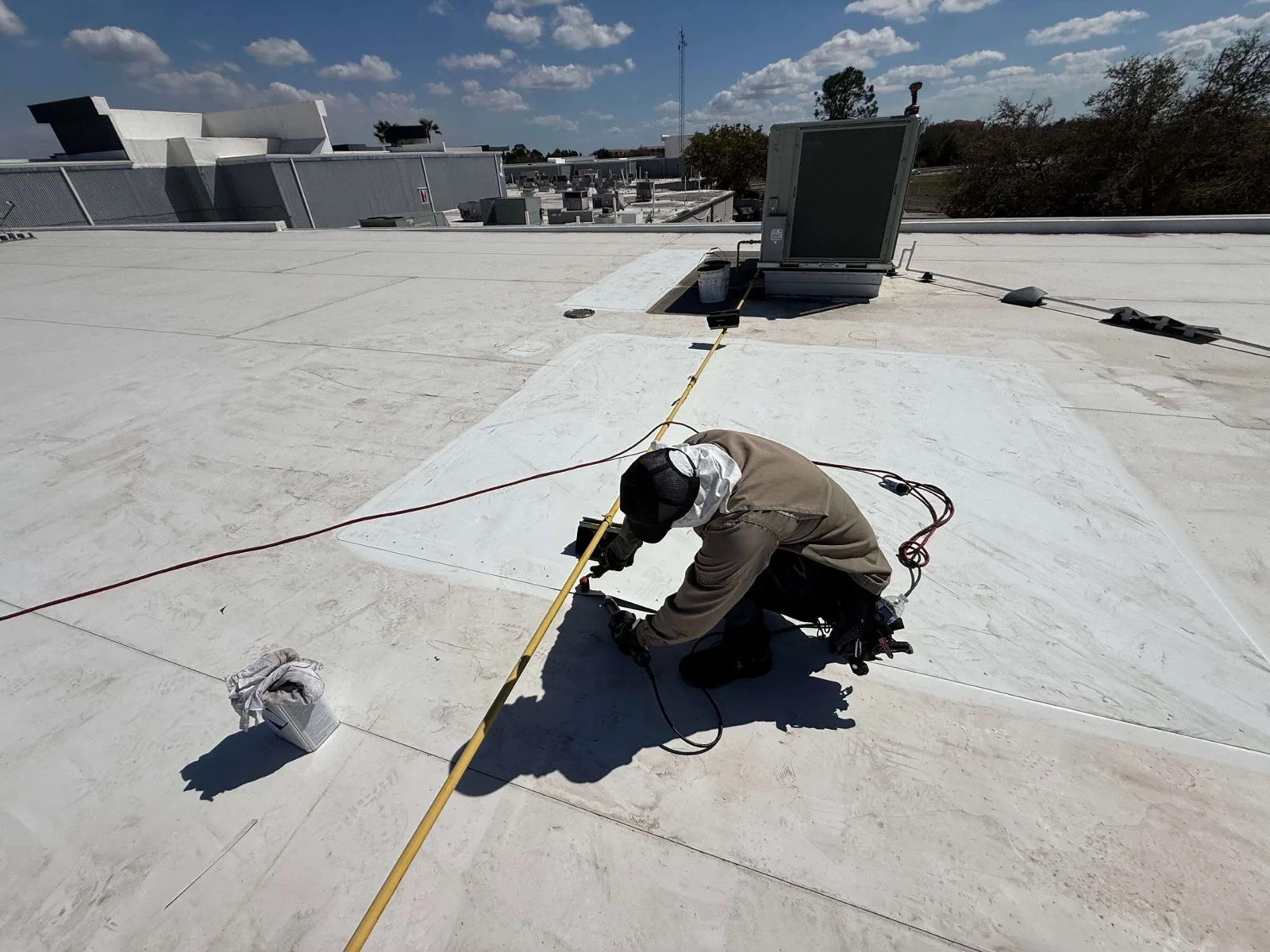
When adjacent membrane is secure and the substrate is dry, a localized repair may restore a puncture or small split. A failed seam needs a seam-compatible method over prepared material. At a wall, coping or curb, the repair must reconnect flashing to the field and termination so water cannot bypass the edge. If the deck or insulation is wet, surface work alone may conceal rather than correct the condition.
A sequence of repeated patches can signal that the assembly should be reviewed more broadly. We compare the number and location of failures, roof age if known, moisture evidence, drainage and disruption requirements. That review may lead to a targeted repair, a moisture survey, a recover discussion or a replacement plan.
Where the membrane can accept compatible restoration, the owner may compare a localized repair with a broader coating assessment. A repair scope should also state the time allowed for surface preparation, cure and protection from foot traffic. For recurring leaks, we can pair the visit with a claim documentation review when the owner requests records for an insurer; that review does not determine coverage. Nearby work in Hemet is a separate route, and its city-planning facts do not describe this building. The site contact receives dated photos and a defined next check.
Treat heat as a scheduling and inspection factor
Menifee’s adaptation plan flags a naturally dry inland setting and more frequent days above its extreme-heat threshold. This planning guidance concerns Menifee, so it does not report San Jacinto conditions or diagnose a roof here. In warm inland conditions, inspection timing can affect worker safety and may change how exposed materials feel during a site visit.
Heat can contribute to movement at roof details over time, but an observed split or loose termination still needs a close inspection. We record whether the area is exposed or shaded, whether seams are separated, and whether the surface has become brittle or worn. We avoid reading a single hot-day observation as proof of a wider system problem.
Coordinate access, occupants and roof protection
A good sequence begins with the site contact: confirm ladder access, escort needs, delivery routes, sensitive equipment and any rooms or entrances that must stay open. The crew then protects the route to the work zone, establishes fall protection and stages material without obstructing drains or public paths. If a tenant occupies the building, noisy work or equipment shutdowns can be placed in an agreed window.
Once work begins, photos document hidden conditions and any difference between the expected and observed assembly. The crew should stop before exceeding the agreed boundary, explain the finding and get owner direction on a change. At completion, we check seams and flashing, clear debris from drainage paths and record the work area.
Compare the roof findings with operating needs
A repair option has to fit both the assembly and the building. We explain what failed, what remains sound, how far moisture extends, and whether access or equipment limits the work. The owner can compare a focused repair with broader investigation by considering repair area, material compatibility, disruption, drainage performance and the consequence of leaving uncertainty unresolved.
For facilities that manage several properties around the San Jacinto Valley, consistent photos and labels make separate roofs easier to compare without assuming they share the same details. Hemet’s downtown planning context, for example, describes multiple city districts and intended land-use patterns, but each roof remains a separate asset. Menifee’s Northern Gateway corridor is another distinct service area, not a substitute for inspecting a San Jacinto building.
Commercial Roofing Questions
What should be checked first after a roof leak?
Record the room, timing and weather, then inspect the closest roof zone, drains, seams, penetrations and wall transitions. The visible stain may be below a different entry point.
Can a drone determine whether a seam has failed?
Aerial imagery can help map surface conditions or access limits, but it cannot always show bond strength or hidden moisture. A close inspection may still be needed.
Does heat automatically mean the roof needs replacement?
No. Heat context alone does not diagnose a roof. We examine the actual membrane, seams, flashing, substrate and drainage, then compare the evidence with the repair history.
Can roof repair happen while a facility is operating?
Often the work can be sequenced around access, deliveries, occupied areas and equipment. The owner and crew should agree on protected routes, work hours and any shutdowns first.
How do I know whether a repair is complete?
Ask for photos of the repaired detail, a written boundary, materials used, concealed conditions and a specific follow-up check after rain or at the next maintenance visit.
Related Roofing Work
Schedule around access and operations
Request a Roof Assessment
Share the reported leak location, building hours and roof-access limits. We will inspect the assembly, document the water route and present a repair scope tied to what the roof shows.
Service area
Menifee, Perris, Murrieta, Temecula, Hemet, Lake Elsinore and nearby Inland Empire communities
Quick contact
[email protected]
555-555-5555