Commercial Roof Replacement in Menifee, CA
Home / Commercial Roofing Services / Commercial Roof Replacement in Menifee, CA
A roof that keeps opening at different seams can make each patch feel temporary. Before recommending removal, we trace the water route, identify the assembly, and check how far visible damage extends. Menifee's city planning describes an inland, naturally dry climate and identifies rising average temperatures and more extreme-temperature days as risks for the city. That context makes movement at laps, edges, and penetrations worth checking, but the surface and assembly determine whether replacement is justified. We give the facility director a documented boundary, options, and an access window that fits the building's operation.
Trace the failure before choosing removal
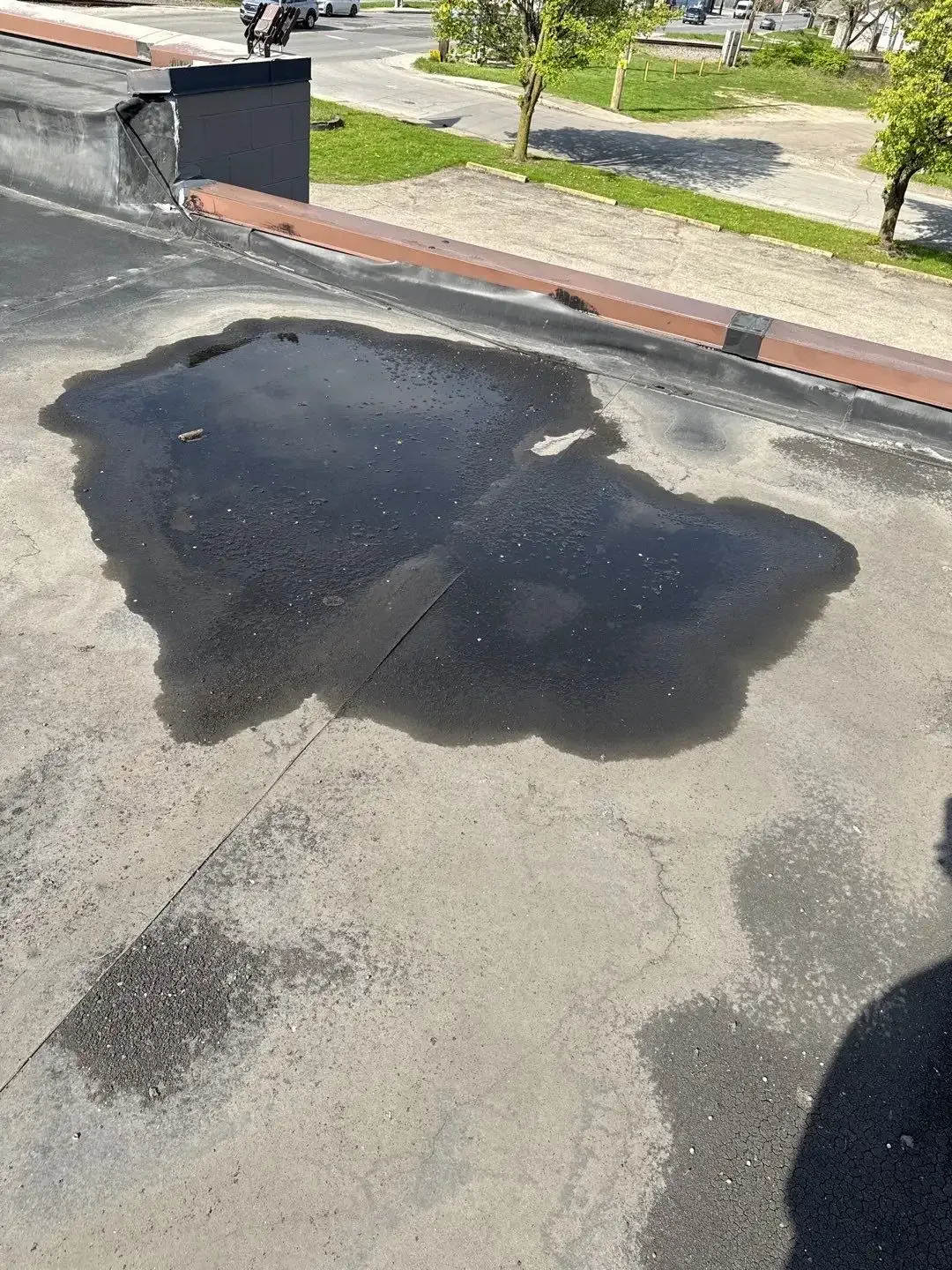
A recurring leak does not mean the whole roof has the same condition. Water can enter at one curb, travel along insulation, and appear far from the opening. We compare interior marks with surface clues, inspect seams and flashing, and note ponding or drain restrictions. If a repair can isolate the weak point and adjacent material remains sound, replacement may not be the next step. When failures repeat across zones or moisture continues beyond a seam, the evidence may support a wider project. A commercial roof inspection distinguishes observed defects from questions that need testing. For a facility director, that distinction matters because a partial repair can keep a sound section in service while a broad replacement is planned. We label each defect by roof zone and separate urgent water control from the larger capital scope. If a tenant reports another drip during the review, the Diligence Notes should connect it to a specific roof observation or leave it marked for follow-up. That record keeps unrelated symptoms from being bundled into one assumption.
Identify the layers and details
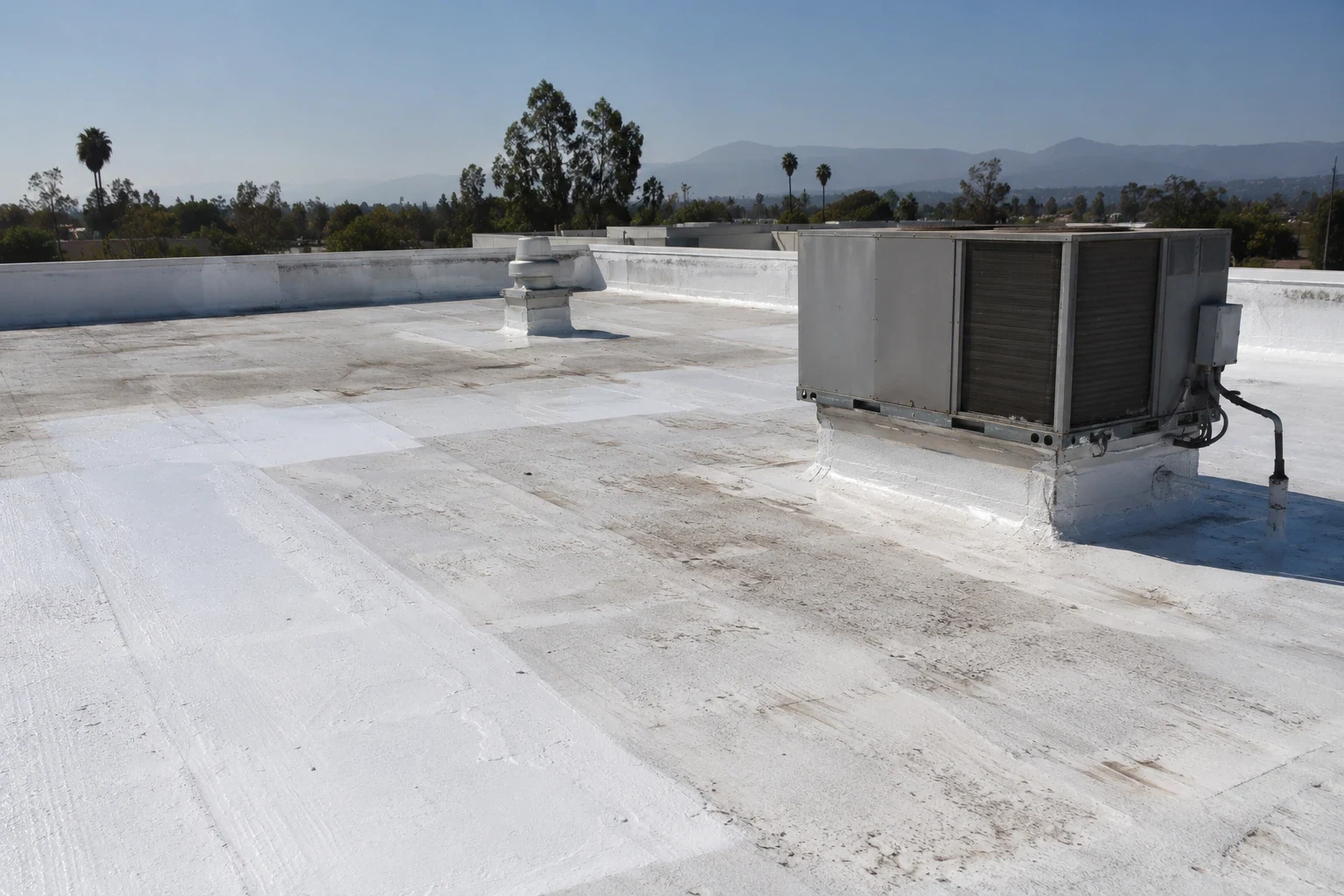
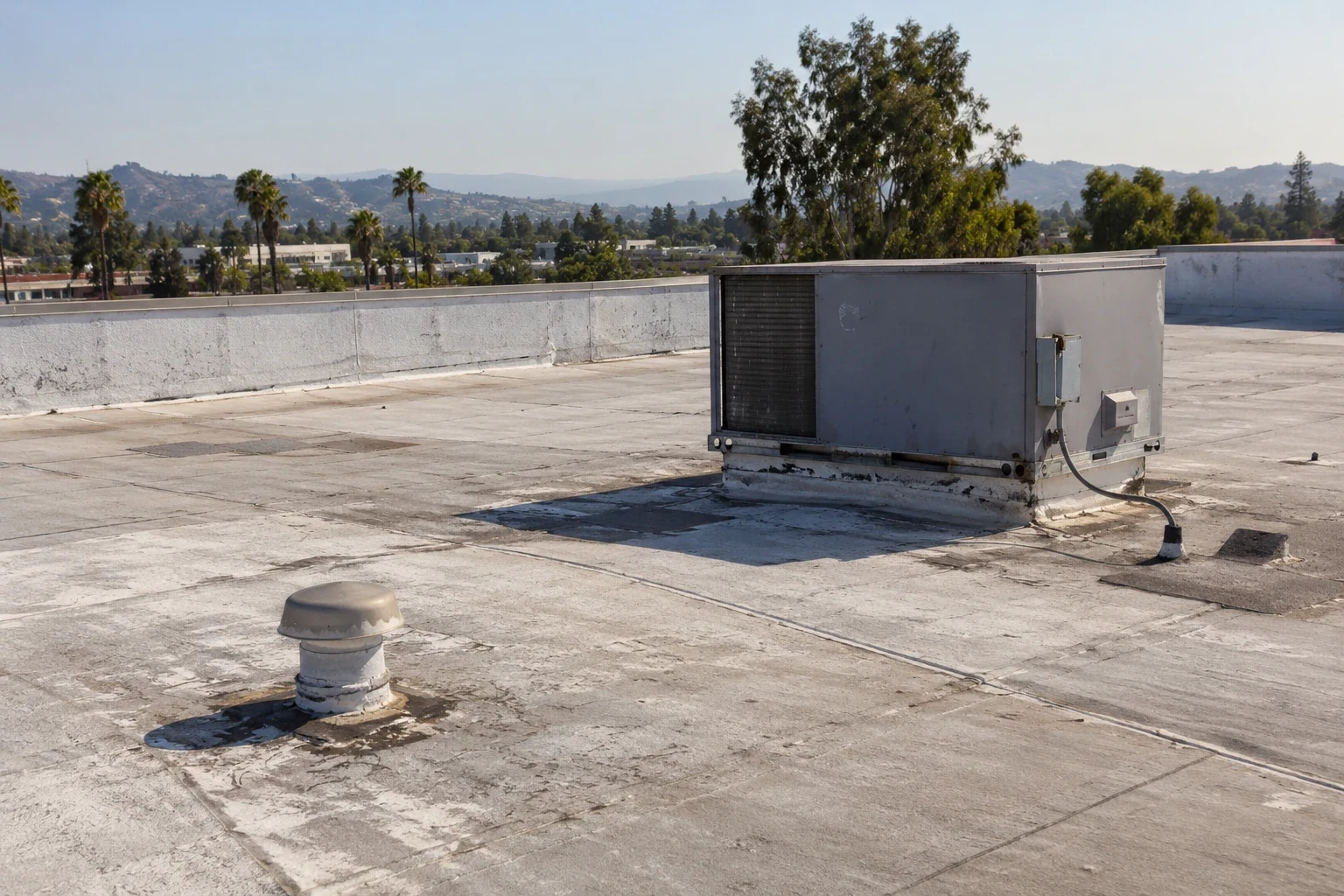
Tear-off decisions depend on what is installed, how many layers exist, and whether the deck and insulation can support another assembly. We inspect membrane type, attachment, edge metal, drains, penetrations, equipment curbs, and previous patches. A uniform surface may conceal wet insulation or a deteriorated deck, so we state when infrared review or a core sample could change the scope. We also check roof-to-wall transitions and available height at drains and doors. If evidence points to one limited area, compare a commercial roof repair before committing to removal. The record should say which observation supports each choice. We also review how penetrations were flashed, where rooftop equipment crosses the membrane, and whether a prior overlay changed the height at drains. Those details can make an apparently simple tear-off more involved than the roof area alone suggests. The estimate should name deck work as confirmed, provisional, or excluded rather than pricing concealed damage as if it had already been observed.
Compare repair, recovery, and replacement
A replacement removes existing material to an agreed boundary and addresses layers that prevent a reliable new system. Recovery can preserve a serviceable base, but only after existing layers, attachment, wet areas, and added height are reviewed. A localized repair makes sense when the failure is contained and nearby material can accept a compatible detail. We explain where each option begins and stops, then identify conditions that could change that boundary after opening the roof. When another assembly is proposed above the existing one, review a roof recover overlay before the bid compares totals. The low first-cost option does not help if it leaves a known water path.
Set design questions in Menifee
Menifee’s 2026 CEDS identifies healthcare as one of the city’s largest employment sectors and a priority for local job attraction. That does not identify a particular building or roof, but it points to a practical planning question: which functions must remain available during replacement? We confirm access, affected areas, and service windows with the facility director before setting a zone sequence. The City also describes the Community Core Economic Development Corridor as a connectivity project linking districts. Current building access is checked directly; a planned connection does not establish when a crew can reach a property.
The code-adoption sheet lists Menifee’s adopted 2025 California Building Code and project-specific wind criteria by risk category. These are permitting and design inputs, not a complete roof specification. The project team confirms the actual risk category and applicable criteria. We record roof geometry, edge conditions, and deck information when known, then identify questions for the design professional. Field observations remain separate from decisions about attachment, uplift, or required permit scope.
Phase the work around people and equipment
A live building needs a sequence that protects operations while the roof is open. We confirm access, loading, lift needs, rooftop equipment, tenant hours, and interior areas that need protection. Large projects can be divided into zones so staff know what is being removed, what is weather-tight, and what work remains. If an active leak needs control while replacement is planned, emergency roof repair can address the opening without pretending to complete the capital project. The plan defines weather protection, daily closeout, and who receives field updates. Boundaries matter where roof elevations or trades meet. Before demolition, the field lead checks where debris can leave the roof and how each completed zone will be closed against weather at day's end. A facility team can use that sequence to plan tenant notices, equipment shutdowns, or access escorts. If an interior space cannot be protected while its roof section is open, the work plan should change the zone order or schedule. The owner receives that constraint before materials arrive.
Read the cost and timing drivers
The price and schedule change with system type, tear-off depth, insulation, deck repairs, roof height, staging, equipment conflicts, edge conditions, and disposal. Unknown wet areas can change quantities, so we identify how a concealed condition will be documented and approved before work expands. Occupied facilities may need shorter work windows or separate zones, which affects production. We state what is included, which assumptions affect the bid, and what could trigger a change. A replacement needs a maintenance handoff: drainage review, photos, and a next inspection date protect the new work. Roof capital planning can organize the choices around building condition and budget timing. A project that uses more than one roofing assembly may also need separate attachment and flashing details for each zone. We identify where the existing roof changes and avoid carrying one repair assumption across a different membrane or metal section. If the building is part of an ownership portfolio, the condition record can make its priorities comparable with other roofs without treating them as interchangeable.
Leave the facility with a roof record
At completion, we record the areas replaced, details completed, items outside the approved scope, and any follow-up recommended. The owner should connect the bid, work sequence, and photos to the same roof zones. We review drains, edges, penetrations, and equipment transitions, then explain what should prompt a service call. A nearby commercial roof inspection starts with that building's own constraints; we do not carry an assumption from one property to another. Arrange an inspection around access hours, and we will return with findings and separated options. The record also gives the maintenance contact a practical next check: which drain to observe, which curb transition to photograph, and what change should trigger another visit. That does not replace periodic inspection, but it makes later observations more useful. When the selected system requires special maintenance steps, we include only instructions that apply to the installed assembly and approved scope.
Commercial Roofing Questions
What finding moves a roof toward full replacement?
Replacement gains support when failures recur across zones, moisture reaches multiple layers, or existing materials cannot accept a durable repair. We document which condition applies.
Can only one roof area be replaced?
Yes, when the boundary reaches a sound transition and drainage remains functional. We inspect adjacent seams before defining a partial scope.
How do you handle wet insulation after tear-off?
We photograph and map the opening, identify the affected layer, and pause for approval if the discovery changes the agreed work.
Can work happen while the facility stays open?
We can phase roof zones and coordinate access, noise, lift placement, and interior protection with the facility contact before work begins.
What should the closeout include?
It should identify completed roof zones, key details, approved changes, photos, remaining exclusions, and the next maintenance check.
Related Roofing Work
Review replacement options with a roof inspection
Request a Roof Assessment
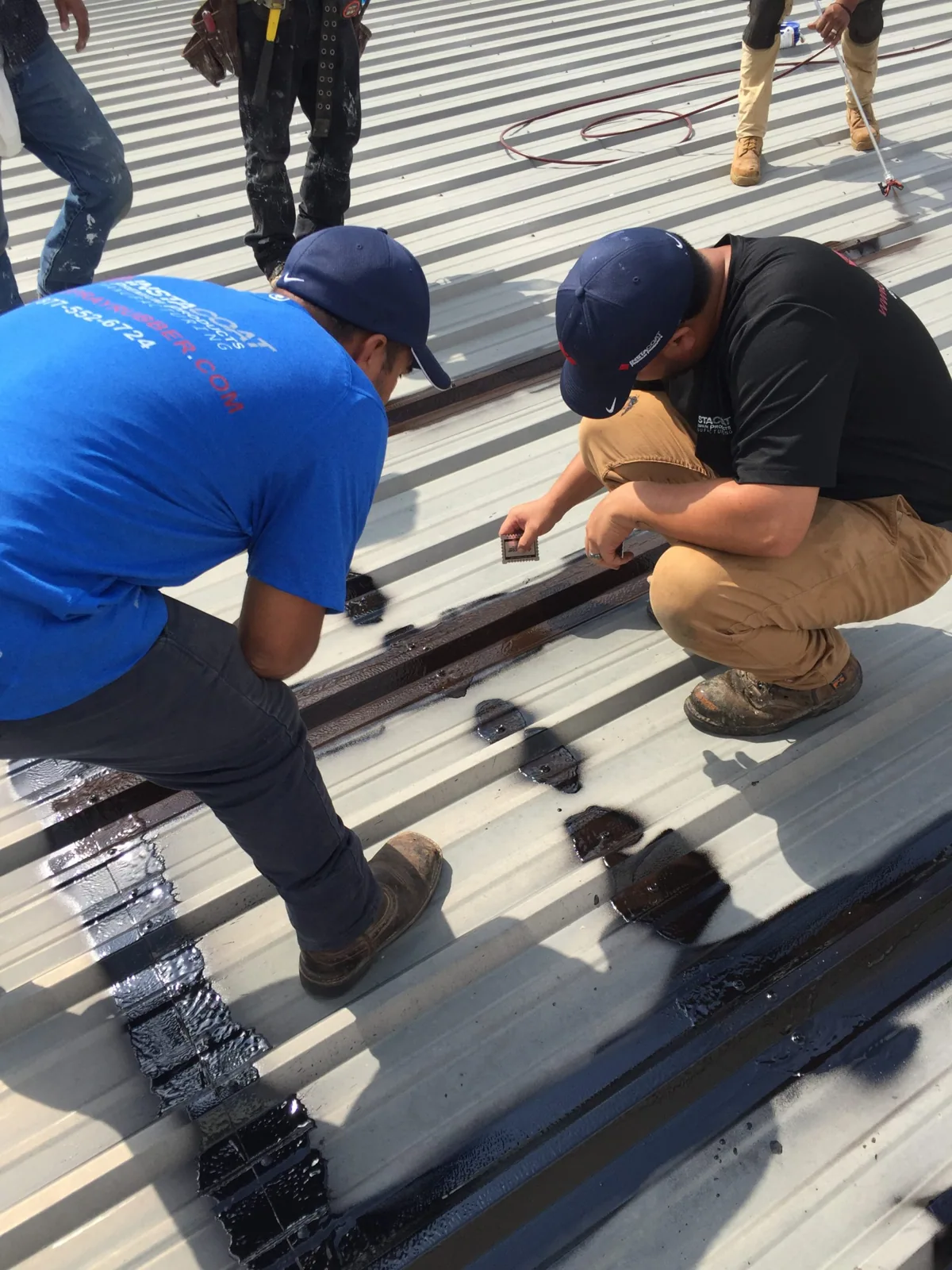
Arrange an access window with your facility contact. We will map visible conditions, confirm the assembly, and provide a written scope that separates replacement from repair or recovery.
Service area
Menifee, Perris, Murrieta, Temecula, Hemet, Lake Elsinore and nearby Inland Empire communities
Quick contact
[email protected]
555-555-5555