
Built-Up Roofing for Menifee Commercial Buildings
Home / Roof Systems / Built-Up Roofing for Menifee Commercial Buildings
A built-up roof can show a small surface split while water has traveled between layers before reaching a ceiling. The visible mark is a starting point, not the full repair boundary. We check the surface, the membrane plies, flashing transitions, and the interior evidence together, then separate a localized repair from a roof that has lost reliable attachment or continuity. That sequence keeps a proposal tied to observed conditions.
The assembly is made from alternating reinforcing sheets and bituminous material, with a cap surface or aggregate protection selected for the design. Repairs must bond to the material that remains sound. If the top layer hides wet insulation or a failed detail, covering the symptom may leave the water route active. A written inspection links each defect to a location and a next step before material is selected.
Trace the Separation Between Plies
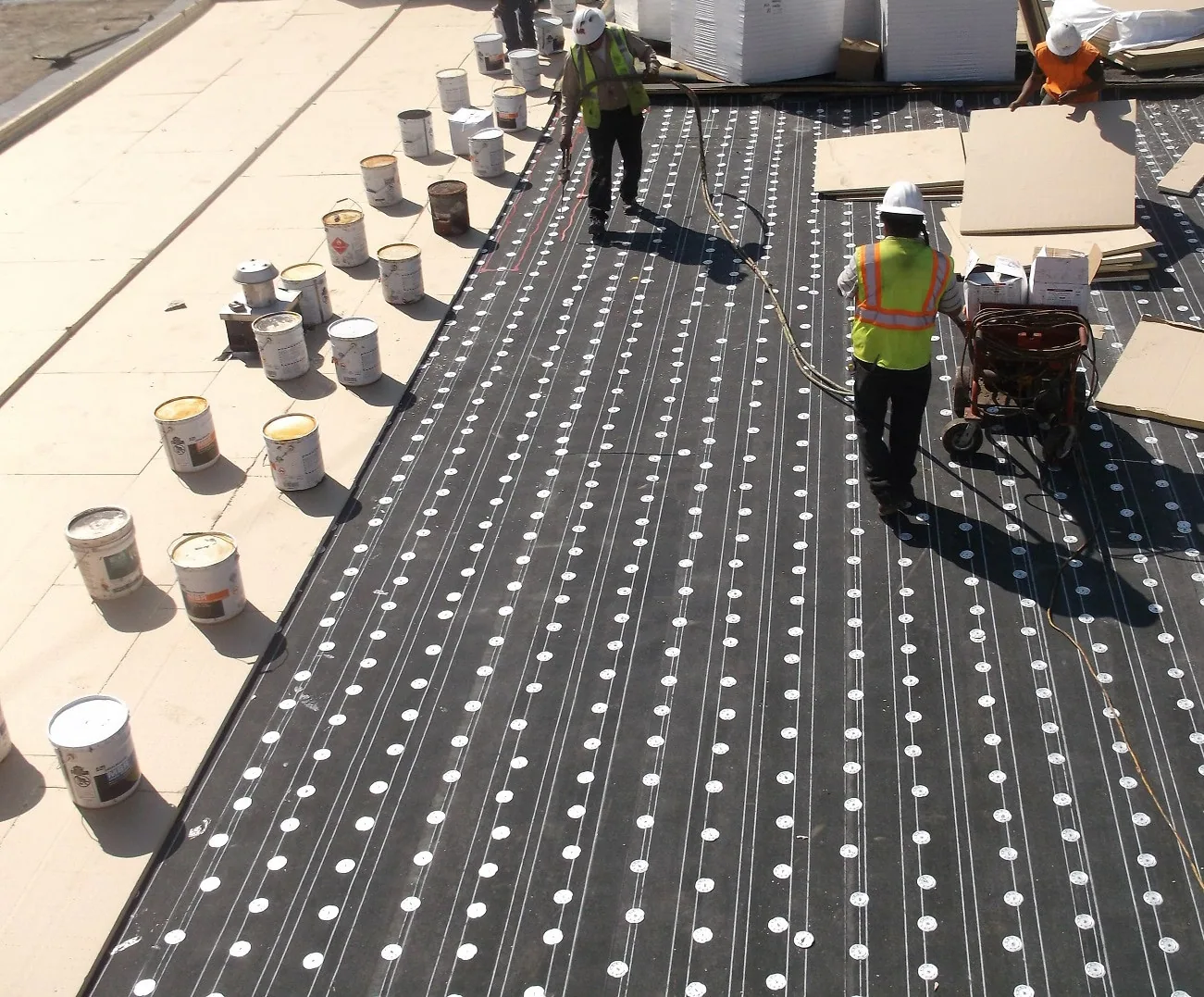
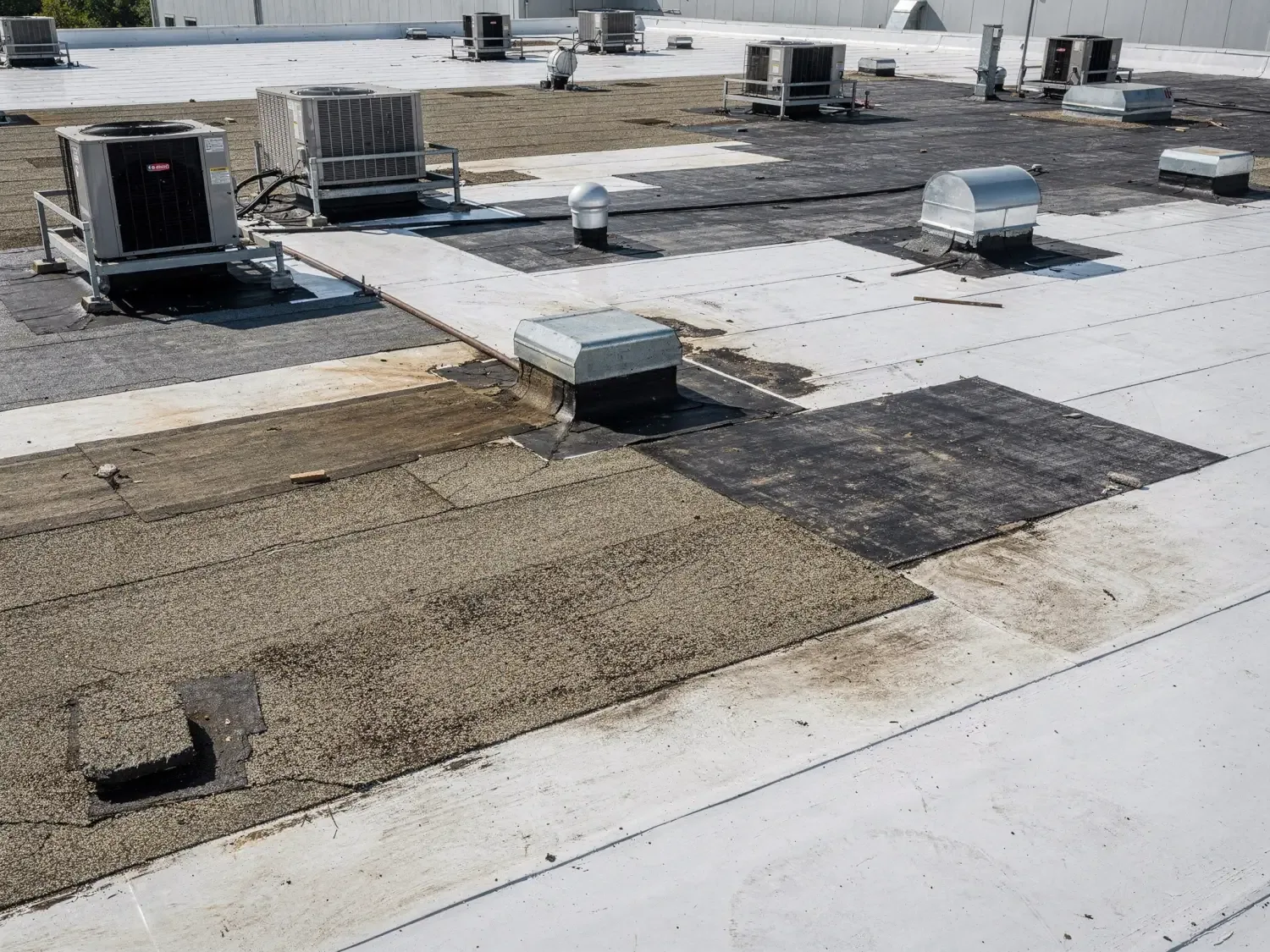
A blister, open lap, exposed reinforcement, or displaced aggregate can point to a different mechanism. We first mark where the surface changes, then look at seams, penetrations, parapet transitions, and drainage. A blister alone does not prove that the entire field is wet; a soft area, trapped moisture, or a separated ply changes the repair boundary. The inspection records what is visible and what needs a test opening.
The number of layers is not a shortcut for deciding whether a roof is sound. We check whether plies remain bonded, whether the cap sheet has split, and whether repeated patches have created abrupt edges. On a low-slope section, water held at a drain can load a weak seam for longer than a dry detail. A documented a condition inspection that traces the leak path gives the facilities lead a way to compare repair, restoration, and removal without treating every blemish as a replacement trigger.
Inspect Drains, Edges, and Tie-Ins
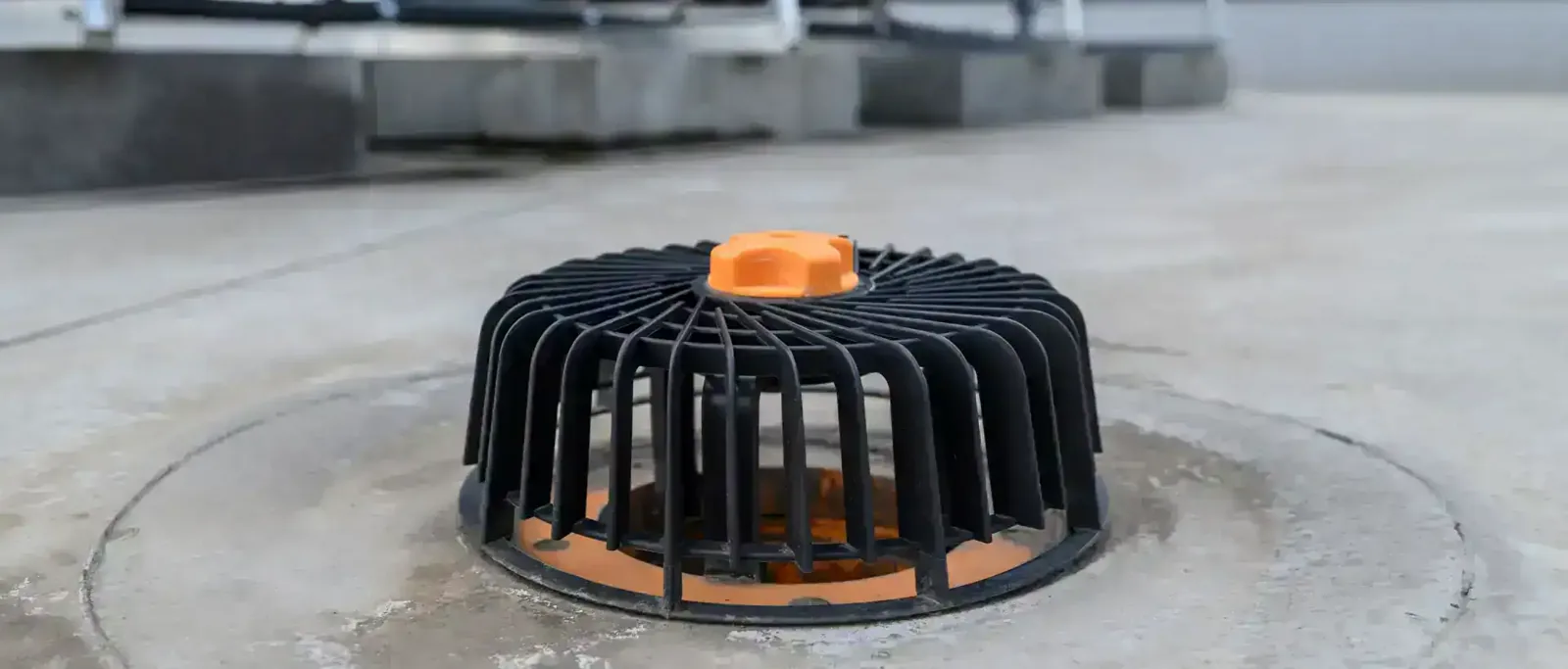
At each drain, the assembly must transition without a pocket that traps water or a patch that blocks the bowl. At an edge, the ply terminations and metal secure the assembly against wind and movement. We check curbs and wall transitions for a compatible tie-in because a new patch does not help if it stops short of the open route. Interior staining is compared with the roof map rather than assumed to sit directly below the entry point.
A core or other approved test can answer whether insulation is wet, but the opening must be closed with an assembly that restores the original function. We photograph sample locations, keep the test area limited, and note the surface buildup around it. Where drainage is part of the problem, the scope may include drain and scupper corrections before new work; a roof sheet alone cannot correct a drain that sits too high or a low area that retains water.
Connect the Detail to Menifee Conditions
Menifee is inland and naturally dry, while the City identifies rising average temperatures and more extreme-temperature days as climate risks. That planning context makes exposure and material movement relevant questions, but it does not establish the condition of an individual roof. We look for open laps, aged bitumen, and transitions that have lost flexibility, then connect those observations to the actual assembly rather than assigning a failure to the weather alone.
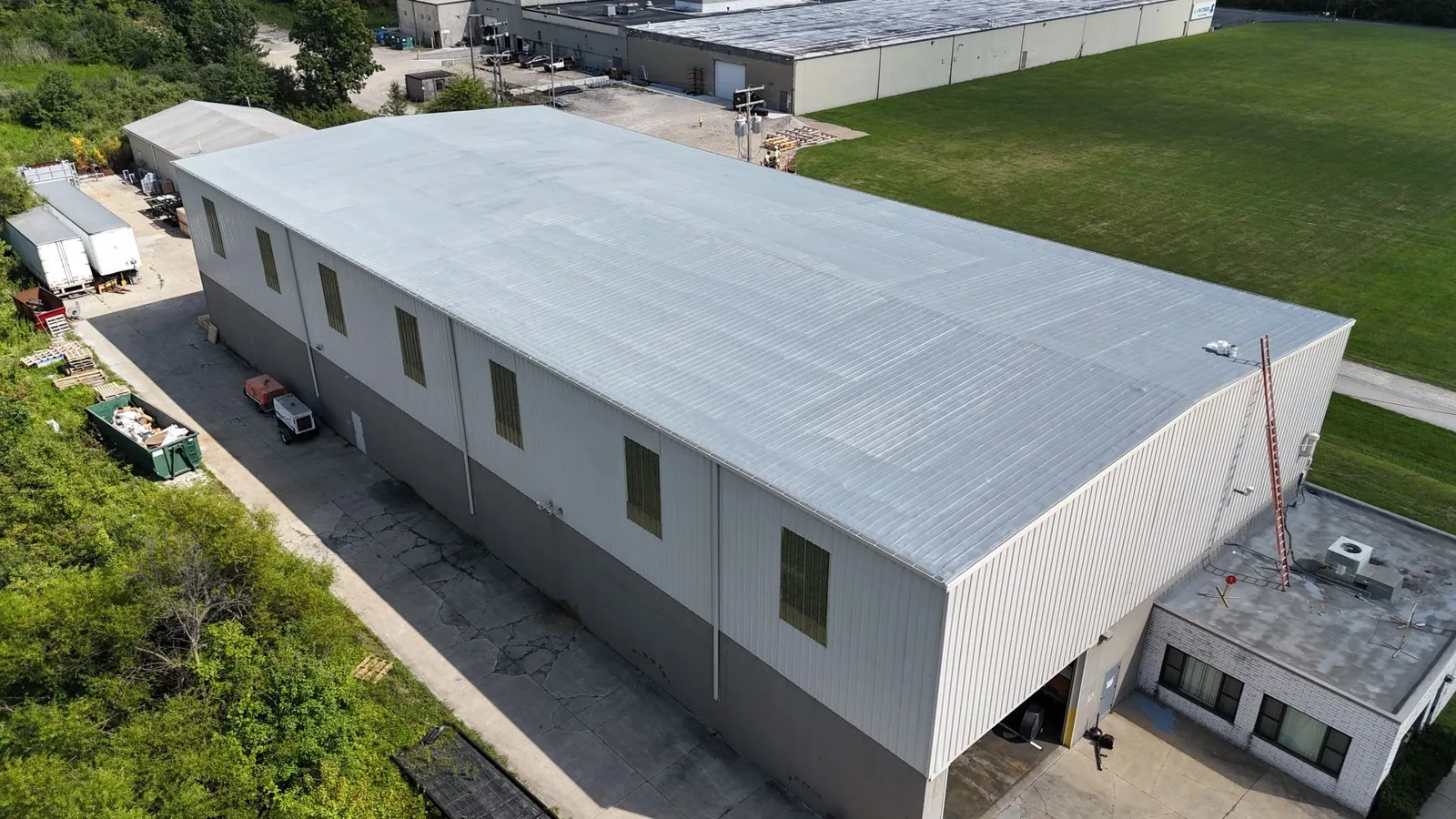
Business-park and industrial planning in the Northern Gateway Economic Development Corridor differs from the Newport Road Economic Development Corridor, which is planned for neighborhood commerce serving homes on both sides of the route. Those are different planning contexts, not a catalog of existing roof types. A warehouse roof may have broad field areas and equipment crossings; a smaller commercial building may have more perimeter transitions. We match a repair boundary to the documented roof geometry and the way the building is used.
Choose Repair, Recovery, or Replacement
A repair can make sense where the affected area is limited and surrounding plies remain bonded, dry, and compatible with the patch material. A recovery adds a new assembly over conditions that must first be proven suitable. If moisture is widespread, attachment is unreliable, or details cannot be raised without creating new drainage problems, removal may be the clearer scope. We compare those findings instead of treating the lowest layer count as an automatic reason to recover.
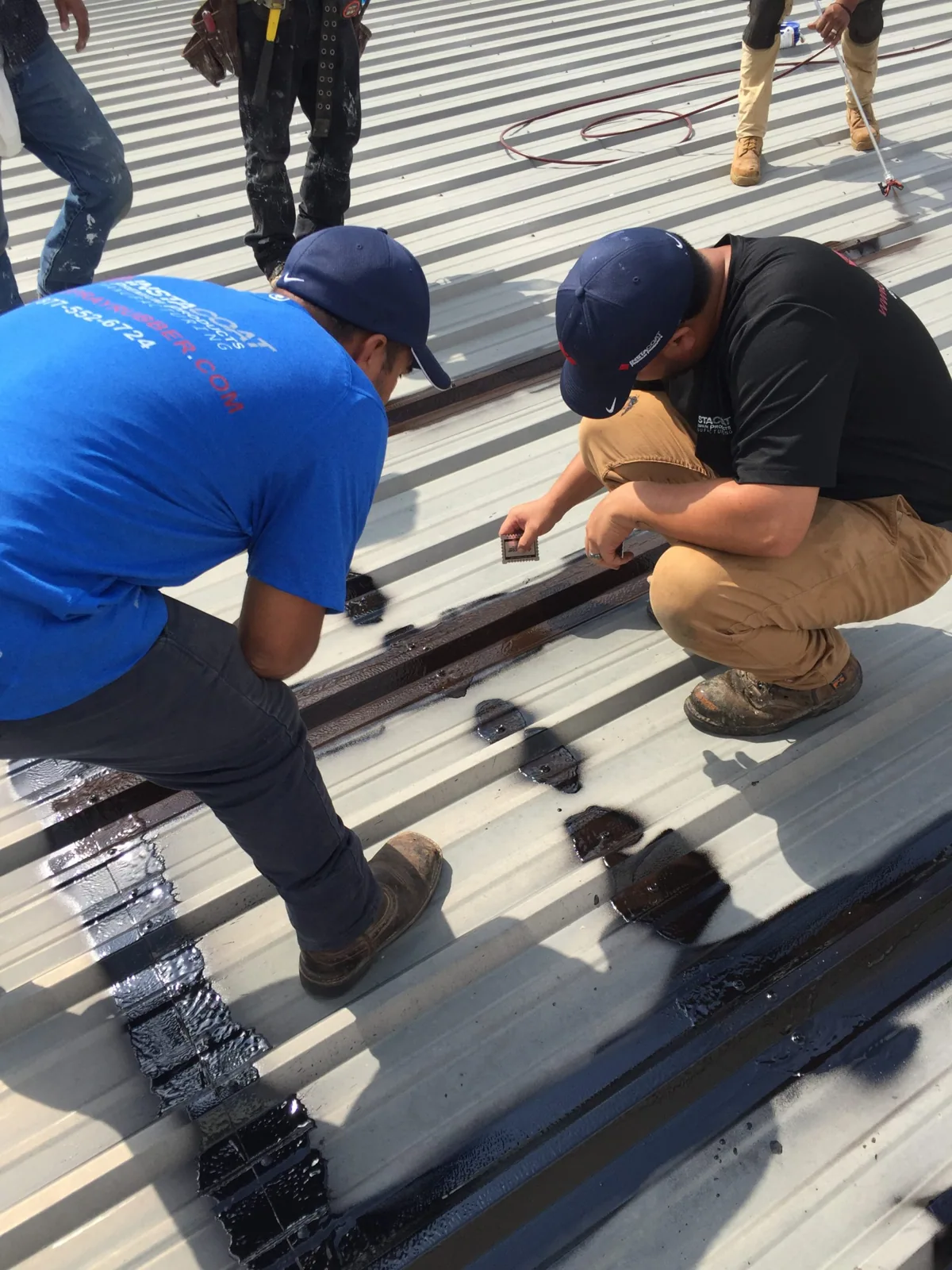
For a sound roof with an isolated seam failure, we remove loose material, prepare the surface, and rebuild the transition with the specified reinforcement and bitumen. When the existing roof has no stable termination for a patch, a full a new roof scope after removal may provide a more dependable boundary. The written scope notes which layers remain, what is removed, and how new perimeter and penetration details connect to the retained assembly.
Control Hot Work and Daily Closeout
A built-up scope can involve hot bitumen or other methods that require strict fire and access controls. We review the approved system, isolate work zones, protect openings, and coordinate with building staff before material is heated or placed. The work plan identifies a secure stop point at the end of each shift, especially when a roof cannot be fully completed before a weather or occupancy window changes.
Daily records identify the area completed, layers installed, details still open, and any condition that changes the plan. We test transitions before covering them, keep drains clear, and protect exposed edges when work pauses. For an occupied facility, material staging and odor or noise controls belong in the sequence. The handback records which areas can be accessed and which remain under construction.
Compare the Cost Drivers That Change Scope
Ply condition, wet insulation, edge metal, roof access, disposal, and the number of rooftop transitions all affect labor and sequencing. A proposal should distinguish a repair that returns one detail to service from a broader scope that addresses recurring failures across a field. We identify where testing may expand removal, and where a new tie-in must meet walls or equipment installed at a later date. That keeps the owner from comparing unrelated scopes by area alone.
Properties in the Northern Gateway and near Newport Road need the same field check: dimensions, staging, operating hours, and transition condition. A a photo-backed roof condition report can rank sections by consequence and set the next inspection milestone without assigning one life estimate to every assembly.
Keep the Next Inspection Tied to a Roof Map
After a repair, the closeout record should show the rebuilt area, the surrounding layers left in place, and any tested locations that were not opened. Follow-up visits return to those landmarks after normal use and weather. A drain basket, wall tie-in, or patch edge can then be checked without searching the whole roof. That record separates a repeat failure from a new entry point.
A coating or new cap cannot be assumed compatible with every built-up surface. We check the manufacturer instructions and test adhesion before recommending a restoration path. If the assembly is stable, an owner can compare a coating restoration scope where the existing roof qualifies with a more extensive replacement using the same condition map. That decision should include the protection needed for edges and penetrations, not only the open field, so the follow-up inspection has a clear set of details to revisit.
When the substrate calls for a different membrane family, compare the seam details in an EPDM option with different seam details and the heat-welded seams in a PVC membrane assembly. A local inspection in the Newport Road commercial corridor still begins with the roof itself, not the planned land use around it.
Commercial Roofing Questions
What does a blister mean on a built-up roof?
It identifies a raised area to inspect, not a complete diagnosis. We check adhesion, moisture, nearby seams, and whether the surrounding plies remain stable before deciding whether to open it.
Can a new layer go over the existing plies?
Only if the retained layers, attachment, moisture condition, and details support the specified recovery assembly. Test results and edge height determine whether the roof can receive another layer.
Why inspect drains before patching a leak?
Water can collect at a drain or low area and stress nearby plies. We check the bowl, flange, and surrounding slope so the repair does not stop at a symptom.
What should the closeout record show?
It should identify the repair location, layers removed or retained, rebuilt flashing, test openings, and any area that needs a follow-up check after normal roof use.
Related Roofing Work
Set the next roof check
Request a Roof Assessment
Arrange an inspection around site access and operating hours. We will map the roof condition, explain repair boundaries, and document the options that fit the assembly.
Service area
Menifee, Perris, Murrieta, Temecula, Hemet, Lake Elsinore and nearby Inland Empire communities
Quick contact
[email protected]
555-555-5555