Commercial Roofing Along Newport Road in Menifee, CA
Home / Service Areas / Commercial Roofing Along Newport Road in Menifee, CA
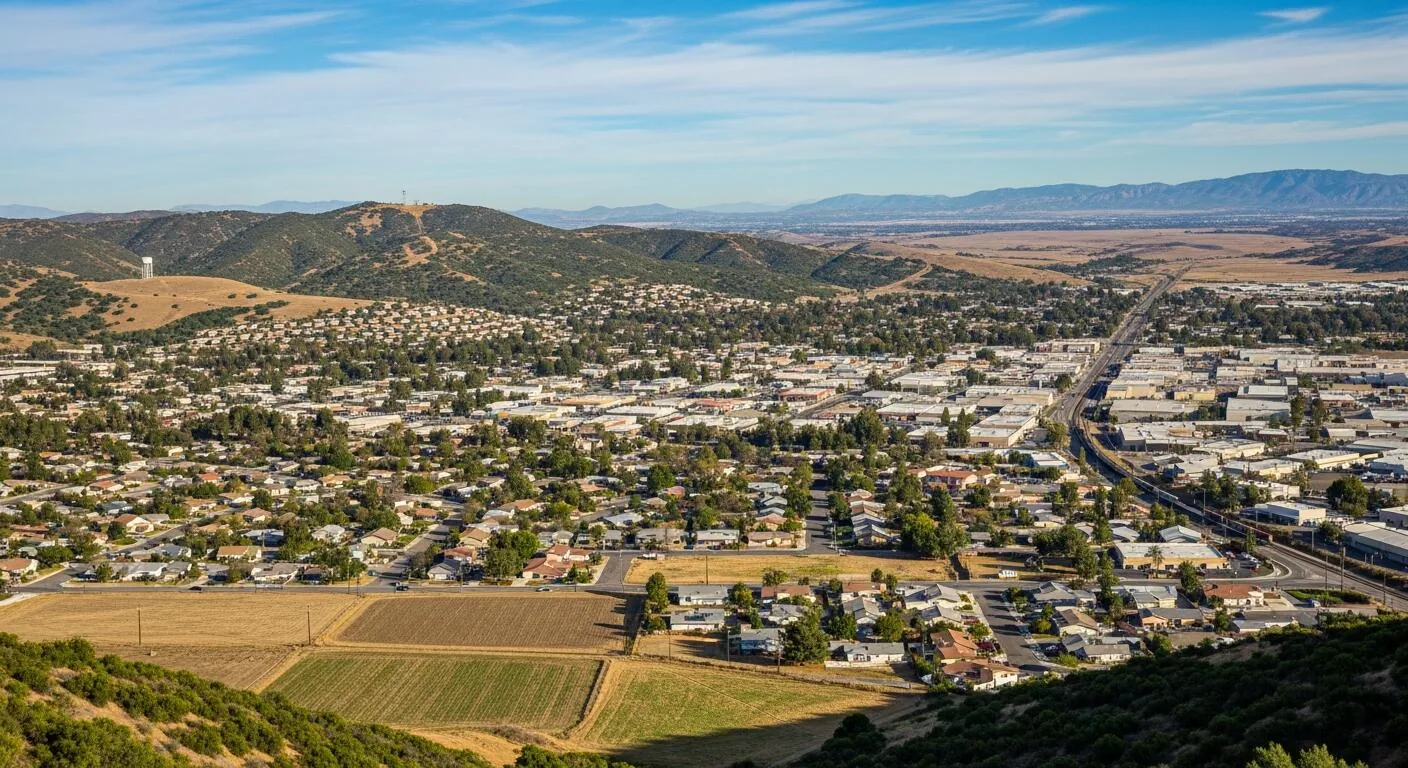
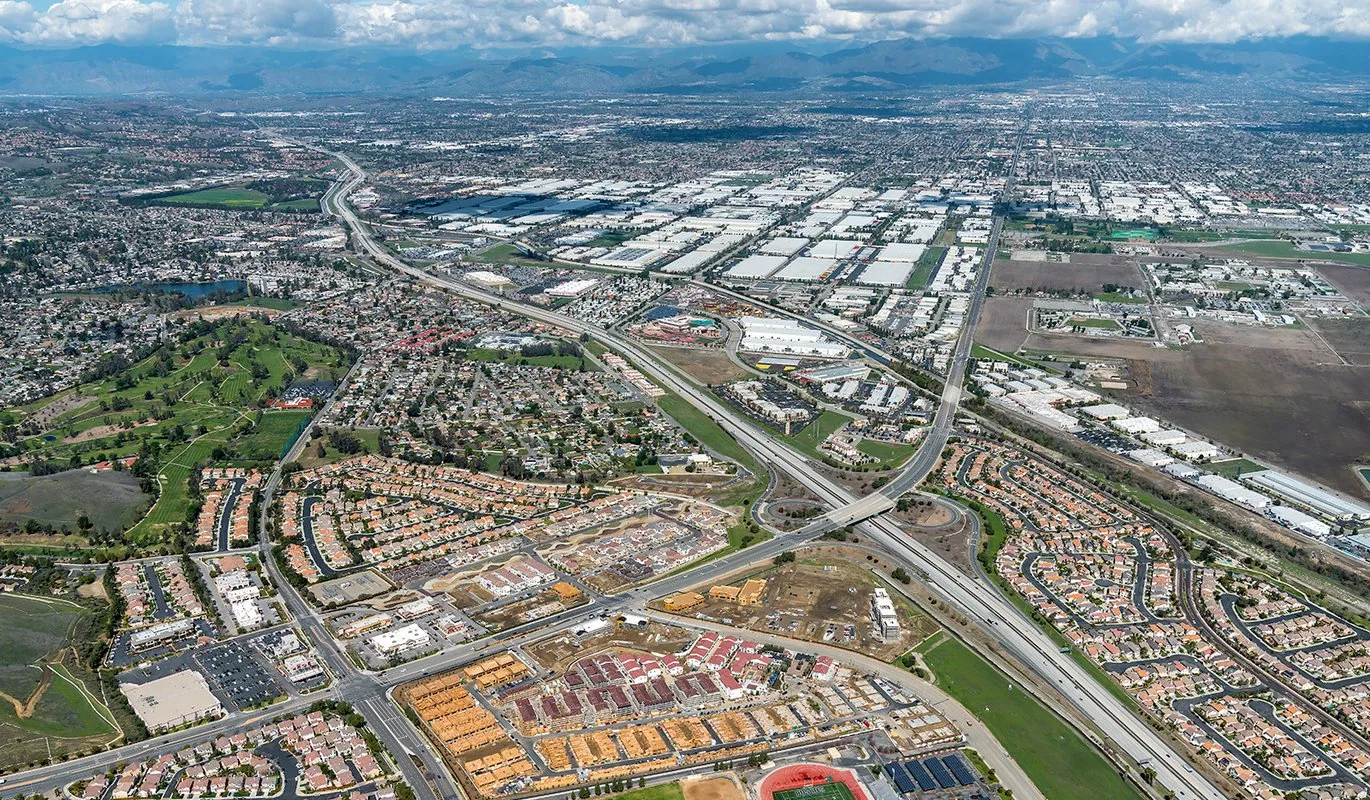
Water follows a path shaped by slope, drains, and flashing long before it reaches an interior finish. Menifee intends Newport Road for neighborhood-oriented commercial uses serving residential areas to its north and south. The city also plans business-park, office, or residential uses along Bradley Road as a buffer near single-family neighborhoods. For a facility director, this is context for planning access, not a reason to infer a building’s roof type. We inspect the membrane, perimeter, penetrations, and drainage details, then connect the field observations with the room or equipment area where water was reported.
Follow the Drainage Path
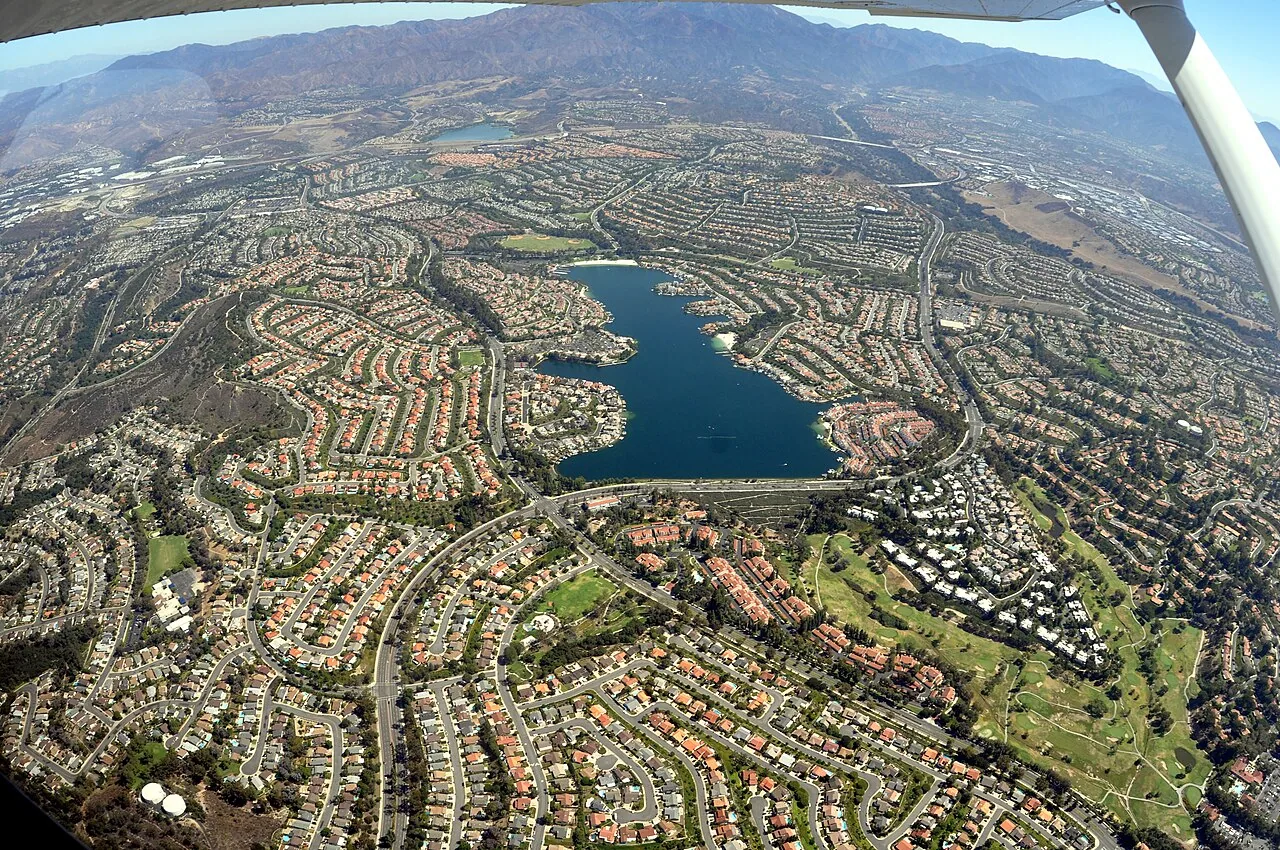
Begin with the roof’s low points. A drain basket can collect debris, a nearby seam can release, or insulation may have settled and changed how water moves. We check whether drains are open, whether crickets or tapered sections direct water correctly, and whether ponding has left a pattern of dirt or biological growth. Those clues guide the inspection but do not establish an exact leak by themselves. We test suspect laps and flashing transitions, photograph the surrounding field, and record what is visible below when access permits. That makes the scope traceable and gives an owner useful evidence rather than a broad statement that the roof is “in poor shape.” Comparisons with Southern Gateway and Canyon Lake stay separate from this building’s drainage diagnosis.
Confirm What the Roof Shows
Menifee’s adopted code summary gives category-specific wind speeds and lists Exposure Category C. For roof work, the actual project risk category and design conditions must be confirmed by the responsible design professional. During a field inspection, we still record the existing perimeter metal, fasteners that can be observed, and any loose edge components because they affect how a repair or replacement detail is built. A proposal should distinguish that inspection observation from engineering design. If attachment or edge metal will change, the scope should identify the transition, the supporting substrate, and any coordination needed with the project team. A roof inspection documents the low point, outlet, and nearby seam as different observations.
Repair the Detail, Not the Symptom
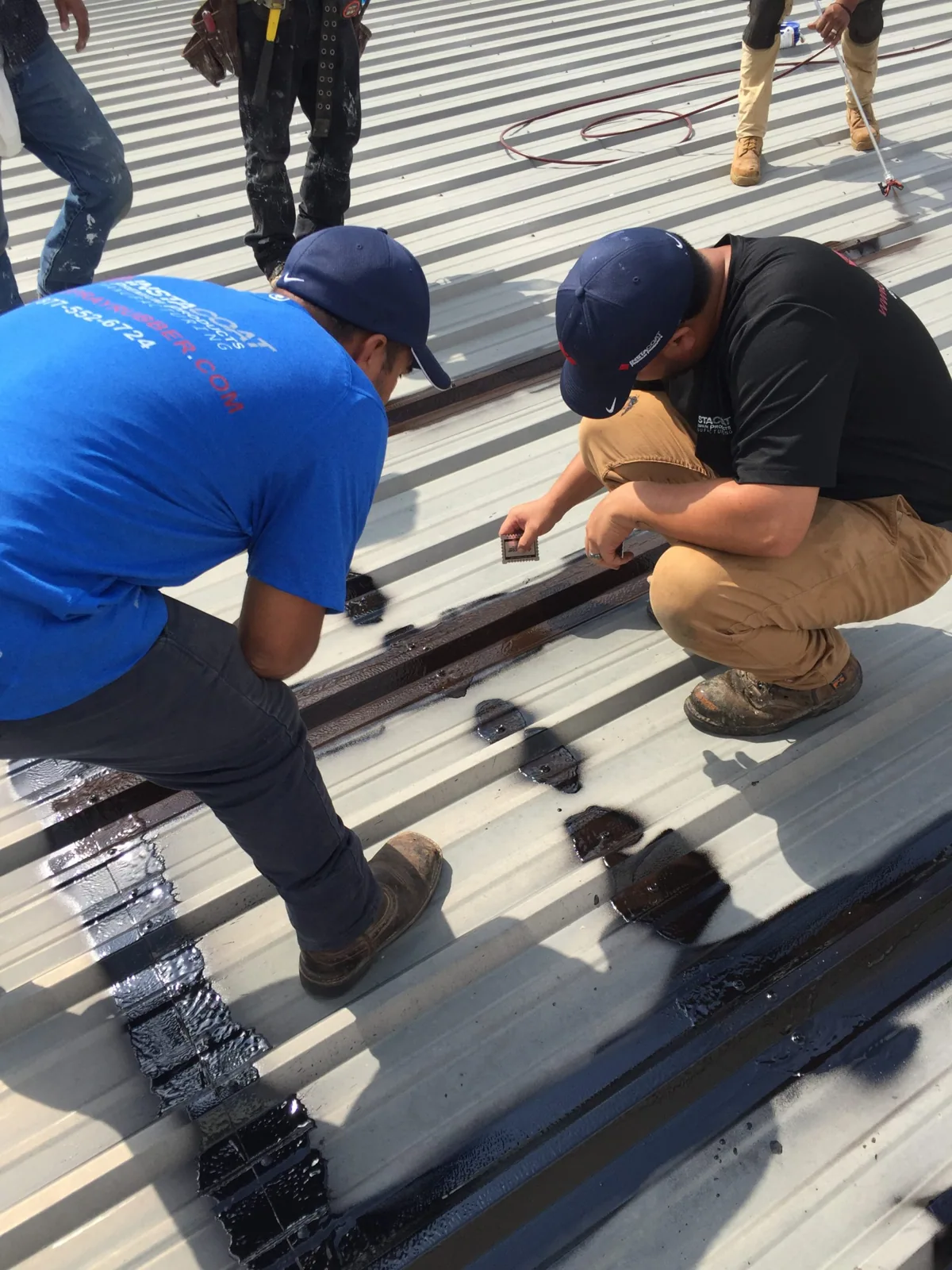
A repair at a drain or wall is different from a field-membrane patch. We remove failed material only within a defined boundary, prepare the substrate, and rebuild the flashing or seam in a way compatible with the existing system. If the surrounding surface is brittle or wet, we expand the investigation before promising a small repair. When moisture extends through insulation, a recover may not be appropriate until wet material is removed and the assembly is evaluated. We compare these options in plain terms: what gets opened, what stays, how drainage is handled, and what condition could prompt more work once the roof is exposed. For a TPO roof, the membrane system review considers weld quality and flashing compatibility at the drain.
Set a Work Window
Public and commercial schedules often have narrow windows for deliveries and parking. Before work, we confirm where a lift or material staging can sit, which entrances must remain open, and whether nearby equipment needs shutdown or protection. A phased repair may be safer than opening a large section at once, especially if weather could change before the membrane is closed. At the end of each shift, the crew checks temporary seams, drains, and the work boundary. For an urgent leak, our 24-hour response can stabilize the affected area; we then document the permanent repair separately so emergency protection is not mistaken for a final roof correction. On the next maintenance cycle, compare water-flow notes and clear debris only where included.
Leave a Clear Condition Record
The maintenance record should show which condition was found, where it was found, what was repaired, and what needs another look. We label images with roof zones or nearby equipment, record drain and flashing observations, and note any areas hidden by equipment or unsafe to enter. The next inspection can use the same labels and compare movement at the repaired detail. If an owner is weighing a broader project, this record also helps scope access and identify sections that may need opening. The result is a decision trail that fits the building, whether the next action is a repair, a monitored condition, or a planned replacement. A compatible roof repair can close a confirmed drain detail after the surrounding condition is checked.
Keep the Drainage Scope Specific
Drainage work deserves its own description. A cleared scupper, repaired drain bowl, or new tapered section can change how water moves, but none automatically solves a membrane failure upstream. We identify whether the issue is debris, an outlet, low slope, a damaged drain detail, or several conditions together. If the roof needs a design change, we mark the location and coordinate with the project team before altering the assembly. The report can then distinguish routine clearing from work that changes the drainage geometry.
A facility director can ask the proposal to identify what remains after repair. A drain may be cleared while a nearby membrane lap still needs separate work. If water has ponded, the closeout record should note the conditions checked and what follow-up would confirm improved flow. That is more useful than a single line saying drainage was addressed, especially when a later visit must compare the same low point.
Plan for Deliveries and Access
Commercial activity along a road corridor can bring shared parking and delivery constraints, but each property controls its own access. Before work, we confirm where a lift or material staging can sit, which entrances must remain open, and whether rooftop equipment needs shutdown or protection. If opening the assembly could expose insulation, we plan same-day closure and a weather contingency. These decisions should be based on the site contact’s rules and the roof’s condition, not a generalized schedule assumption. If a section has more than one drain, map each outlet and its contributing roof area before recommending slope correction. A blockage at one bowl can leave another functioning normally. The report should show which drain was tested, which path was clear, and whether the condition needs a design change or routine debris removal.
A phased repair may be safer than opening a large area at once, particularly when weather could change before the membrane is closed. At the end of each shift, the crew checks temporary seams, drains, and work boundaries. For an urgent leak, around-the-clock response can stabilize the affected area; we document the permanent repair separately so emergency protection is not mistaken for correction of the original entry point.
Commercial Roofing Questions
How can ponding water affect the inspection?
It can show where drainage is slow, but its presence alone does not prove a leak or dictate replacement. We check the surface, drains, slope, and nearby seams, then record whether the pattern persists after drainage and what corrective work is justified.
When is an infrared survey useful?
Infrared can help identify temperature patterns that may warrant confirmation, especially on a large roof. We interpret the scan with surface conditions and verify suspected moisture with appropriate follow-up before including wet-area removal in a scope.
What if a drain is blocked during emergency work?
We protect the opening, clear safe debris when included in the scope, and confirm water can move through the route. If a drain or leader needs repair beyond that work, we identify the separate task so temporary stabilization does not conceal the drainage issue.
How do you plan around retail deliveries?
We coordinate material arrival, lift placement, noise, and protected entrances with the manager. A written sequence identifies work zones and the periods when access may change, then the crew checks the area before each shift ends.
Related Roofing Work
Request a roof inspection
Request a Roof Assessment
Share the building use, reported roof condition, and access window. We will inspect the affected area, document the findings, and outline practical repair or replacement choices.
Service area
Menifee, Perris, Murrieta, Temecula, Hemet, Lake Elsinore and nearby Inland Empire communities
Quick contact
[email protected]
555-555-5555