Commercial Roofing in the McCall Boulevard Corridor, Menifee, CA
Home / Service Areas / Commercial Roofing in the McCall Boulevard Corridor, Menifee, CA
A rooftop inspection near McCall Boulevard starts with the building below the reported leak. A medical office, retail tenant, and back-of-house space may all need different access and noise plans, so the first visit maps both the water path and the operating constraints. Menifee’s strategy describes McCall as a commercial district with office and retail serving medical-center visitors and employees, as well as nearby residential areas. That mix can affect a facility director’s access plan; it does not establish a roof type or property condition. We inspect those conditions on the roof, one curb, seam, drain, and termination at a time.
Trace Water Back to Its Entry
A ceiling mark is a location clue, not a roof diagnosis. Water may enter at a pipe boot, travel along a deck flute, then show up several feet away. We inspect penetrations above the room, membrane seams that cross the likely route, and transitions at parapets or equipment curbs. If water has been inside more than once, we compare the report dates with prior repair records and photos. The point is to see whether the entry point was repaired, whether the symptom moved, or whether a second defect now feeds the same area. A written condition report should keep those possibilities distinct. Two different local frames are Northern Gateway and Community Core; their use patterns do not identify this roof assembly.
Inspect More Than the Ceiling
Medical and professional buildings often need a repair plan that protects work inside as carefully as the membrane outside. We confirm where staff, patients, and deliveries move, then schedule access so a ladder, lift, or material path does not obstruct those operations. If a curb flashing is being rebuilt, the work area must remain controlled while old material is removed and the new transition is secured. If a drain is involved, debris protection and a same-day flow check matter. The scope can state what will be open, how it will be kept dry, and who needs notice before work starts. We record visible conditions during a commercial roof inspection before recommending a repair boundary.
Match the Fix to the Assembly
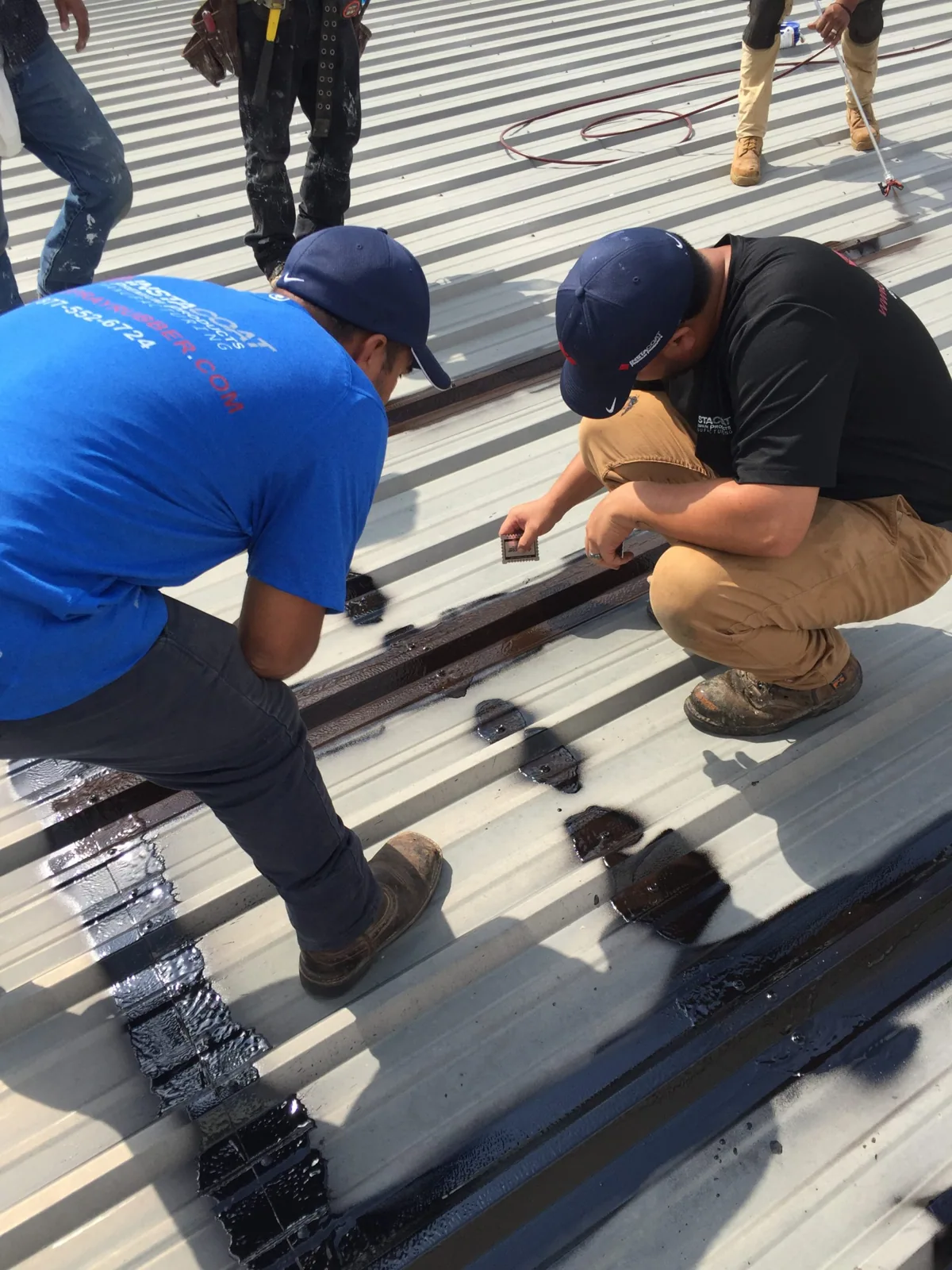
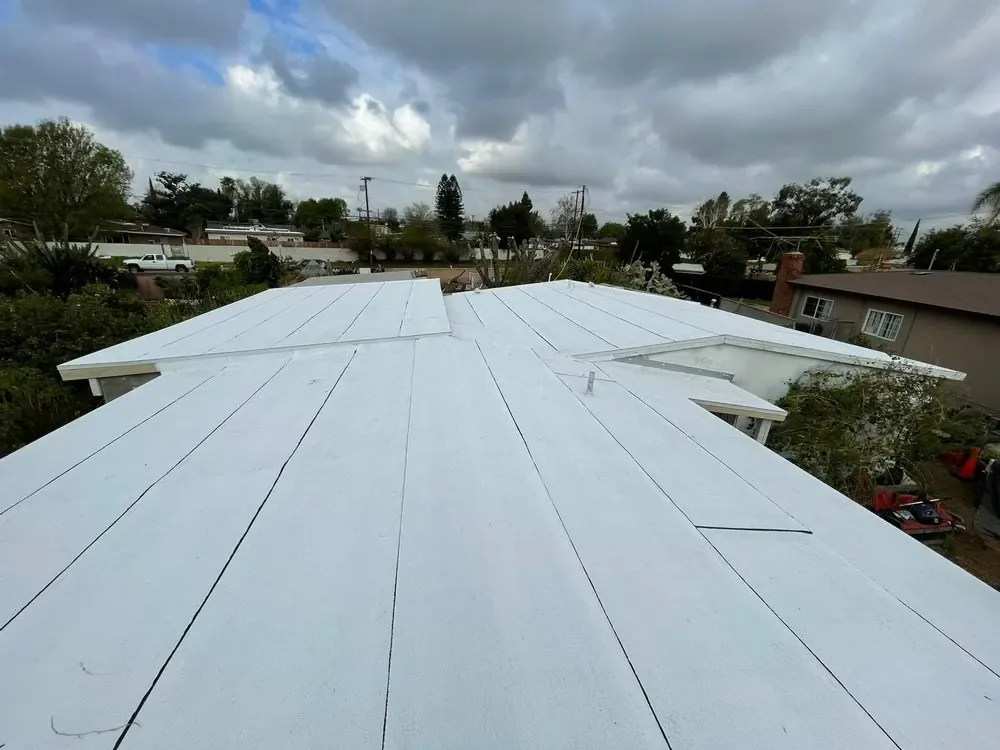
A repair should fit the existing assembly. We identify whether the roof is a single-ply membrane, modified bitumen, built-up roofing, or metal before choosing a compatible detail. Then we check adhesion, substrate firmness, and the condition of adjacent seams. A small opening with sound material around it may be suited to localized repair. Repeated splits, broad wet insulation, or widespread bond loss point toward a wider scope. We can document both options and show where the cost drivers differ, such as tear-off, insulation replacement, access, and protection for occupied rooms. A coating is considered only when the existing roof and drainage conditions support that approach. For a confirmed TPO assembly, the TPO membrane details can be examined alongside the actual seam condition.
Keep Care Operations Moving
Menifee’s code-adoption sheet lists the 2025 California Building Code and identifies wind criteria by risk category. For a repair or replacement that changes attachment or edge details, the design team must confirm the actual project criteria. Our field record can identify the existing edge condition, fastener pattern where visible, and any loose or corroded metal. We avoid turning one observed detail into a blanket statement about the whole roof. If the scope includes new edge work, the proposal should spell out the transition and the substrate requirements so an owner can compare a complete repair with a patch that stops short of the weak point. Keep recurring checks in preventive roof maintenance focused on the details this inspection identified.
Record What Changes Next
After the crew leaves, the facility director should know which condition was corrected and what still deserves attention. We return photographs and location notes with the invoice scope, including any areas we could not inspect because equipment or access restrictions remained. A maintenance plan can revisit drains, sealant transitions, and equipment curbs on a schedule that matches the building’s operations. If a leak returns, the record gives the next technician a starting point and prevents an unrelated ceiling mark from being treated as proof that the earlier repair failed. The same documentation also supports budgeting when several properties need separate roof decisions. When evidence supports a targeted correction, our commercial roof repair scope identifies the material and limits.
Protect the Occupied Work Zone
A roof scope near healthcare or retail operations needs a clear separation between exterior work and interior activity. We identify the route for workers and materials, protect entrances, and agree on rooms or equipment affected by each phase. If a temporary opening is needed to remove wet insulation, the crew closes it against weather before leaving. When noise or HVAC interruptions could affect staff and visitors, we set notice and timing with the facility contact. These controls belong in the work sequence, not in a vague promise to minimize disruption.
Emergency response and permanent correction serve different purposes. The first visit can stop active water entry and protect the interior. A later scope can address the failed flashing, seam, drain, or wet assembly that let water in. Keeping those scopes separate gives a facility director a clear operations and budget record. It also prevents temporary materials from being mistaken for a completed repair when more roof work remains.
Use the Local Context Carefully
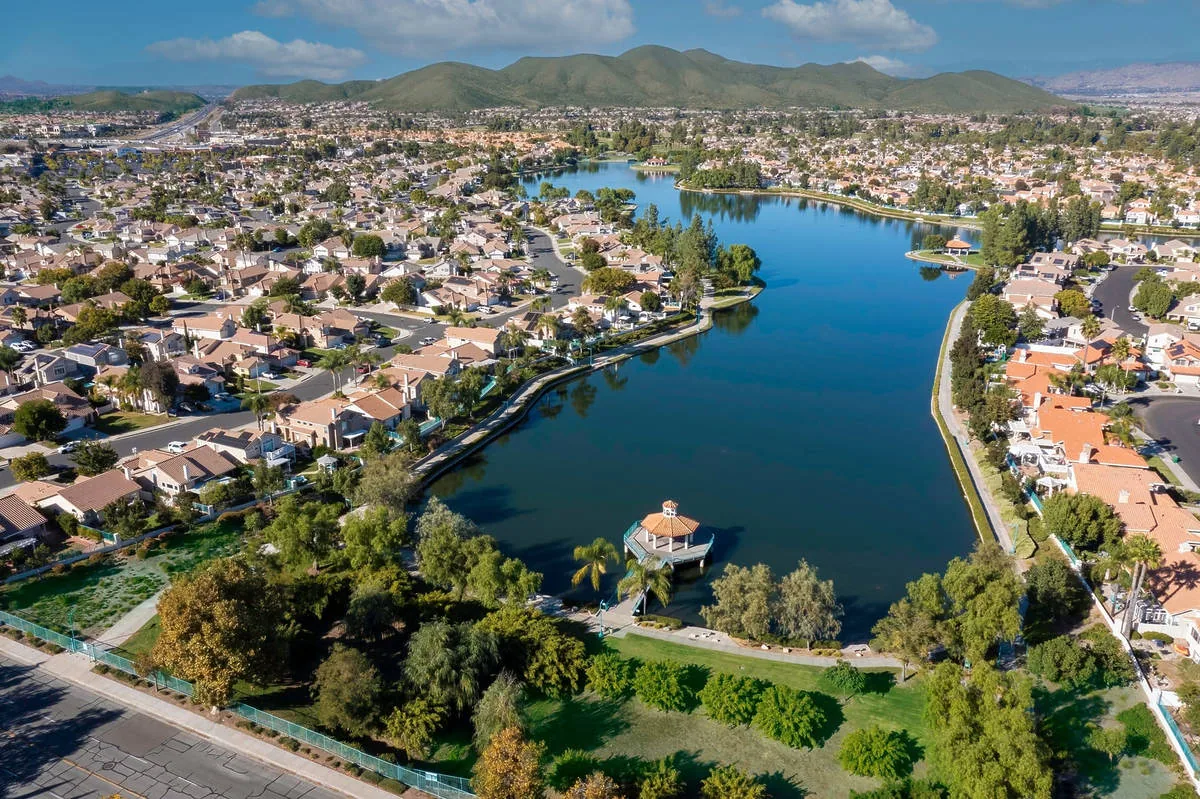
Healthcare is one of Menifee’s major employment sectors. That local fact makes operating schedules worth confirming at a medical or office property, but it does not tell us what occupies a particular building on McCall Boulevard. We ask the facility director which rooms, entrances, and equipment must stay available, then place those requirements beside the roof findings. The work sequence should reflect this building’s users rather than a regional label. A separate access note should identify roof hatches, ladder points, escort needs, and rooms below planned openings. If a medical tenant requires advance notice, we put that timing in the job sequence rather than leave it as a verbal request. This record helps the next shift see what was protected and what still needs review.
The McCall Boulevard and I-215 access point connects surrounding activity, including Sun City’s commercial district and a major medical center. That can help a team think through arrival and staging, but site access must be confirmed directly with the property. Before the inspection, we coordinate a safe arrival route and delivery window. This keeps regional context useful without treating it as proof of a current traffic pattern or a specific facility condition.
Commercial Roofing Questions
What makes a medical-office roof repair more involved?
Access, patient movement, sensitive rooms, and the location of rooftop equipment can affect the sequence. We document those limits before opening the roof, protect the work zone, and coordinate a dry-in plan so clinical operations have clear notice.
Will a new ceiling stain identify the exact roof opening?
No. Water can move along the deck or insulation before reaching the room. We trace above the affected area and test the nearby details, then mark confirmed findings separately from areas that need further opening.
When should a manager compare repair and replacement?
Compare them when moisture or material failures extend beyond one isolated detail, or when repeat repairs no longer address the same conditions. We describe repair limits, tear-off needs, insulation, access, and phasing so the decision has a clear basis.
Can work be scheduled outside patient hours?
We coordinate a practical access window with the facility director, including noise, deliveries, roof access, and protected entrances. Emergency stabilization remains available at any hour, while permanent work is sequenced around the operation whenever conditions allow.
Related Roofing Work
Request a roof inspection
Request a Roof Assessment
Share the building use, reported roof condition, and access window. We will inspect the affected area, document the findings, and outline practical repair or replacement choices.
Service area
Menifee, Perris, Murrieta, Temecula, Hemet, Lake Elsinore and nearby Inland Empire communities
Quick contact
[email protected]
555-555-5555