Commercial EPDM Roofing in Menifee, CA
Home / Roof Systems / Commercial EPDM Roofing in Menifee, CA
EPDM seams rely on a prepared bonding surface, compatible seam tape or adhesive, and firm pressure across the lap. A loose edge can admit water even when the rubber field looks intact. We inspect seam edges, patches, penetrations, and perimeter attachment before recommending a repair. The condition survey identifies which details need testing and which areas remain sound, so the owner is not asked to replace the field based on one isolated seam.
Check the Bonding Surface and Lap
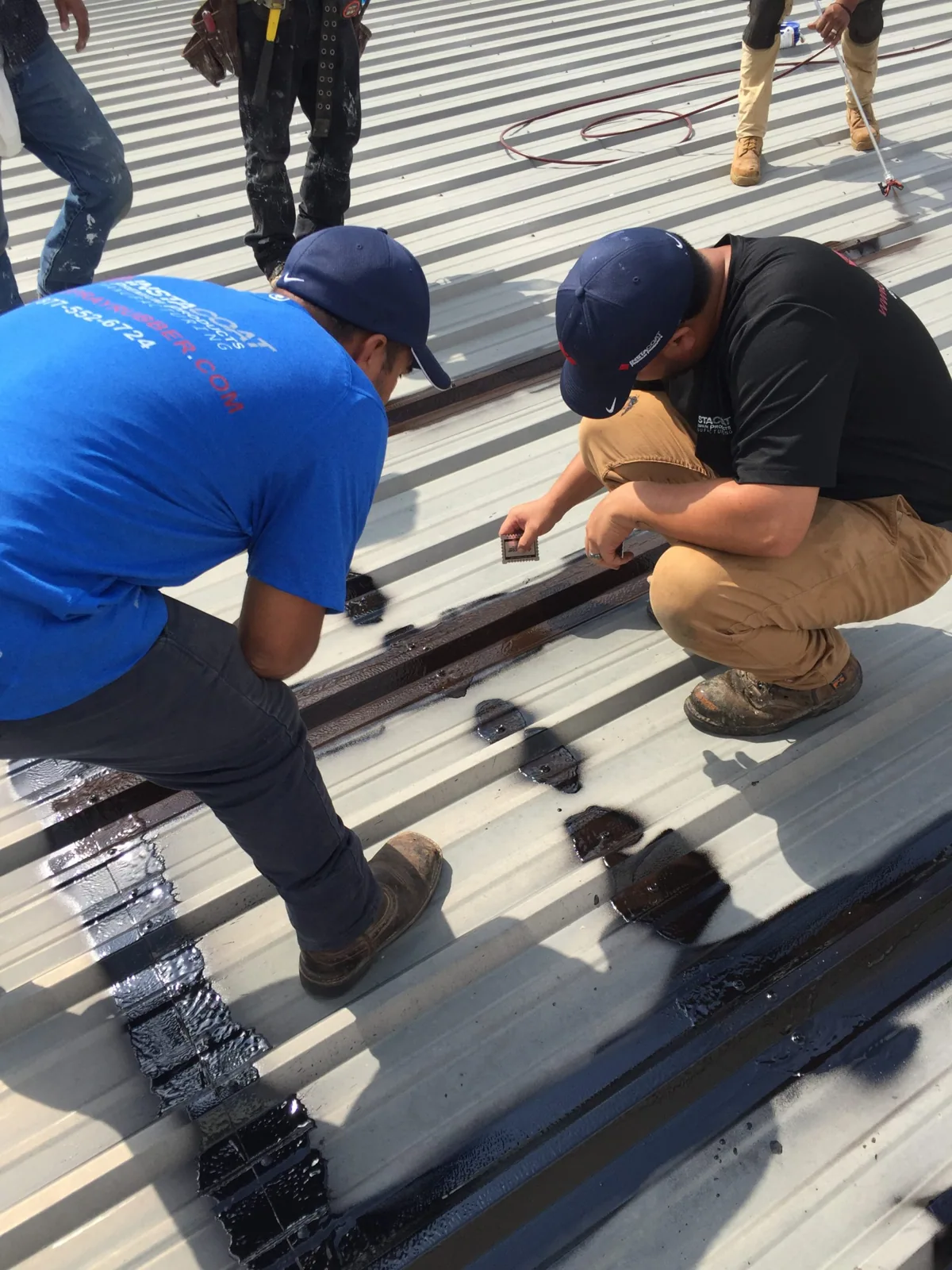
EPDM seam work begins with clean, dry material and a preparation method approved for that system. We inspect for dirt, chalking, old adhesive, and patch layers, then check representative laps for separation. A surface that has been exposed for years may require a different preparation than a recent repair. We record where a probe enters, whether the tape remains bonded, and how far the defect extends.
When a seam is open, the repair must extend onto stable material and maintain the lap direction that sheds water. A repair proposal maps each opening and explains the preparation and tie-in. If many seams are lifting, we compare the pattern with attachment, movement, and substrate condition rather than repeat small patches. That evidence can shift a decision toward a recover or replacement.
Inspect Boots, Curbs, and Corners
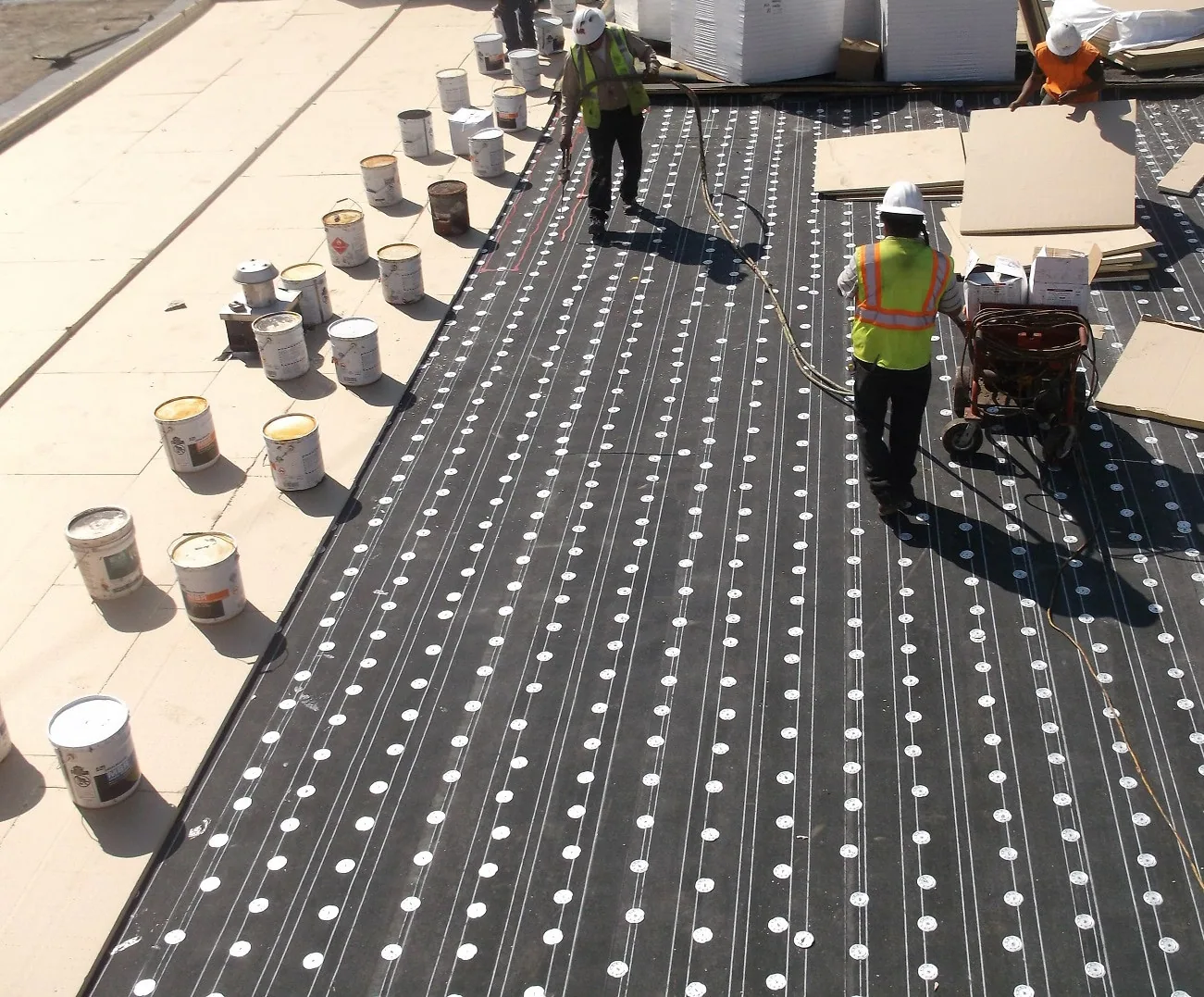
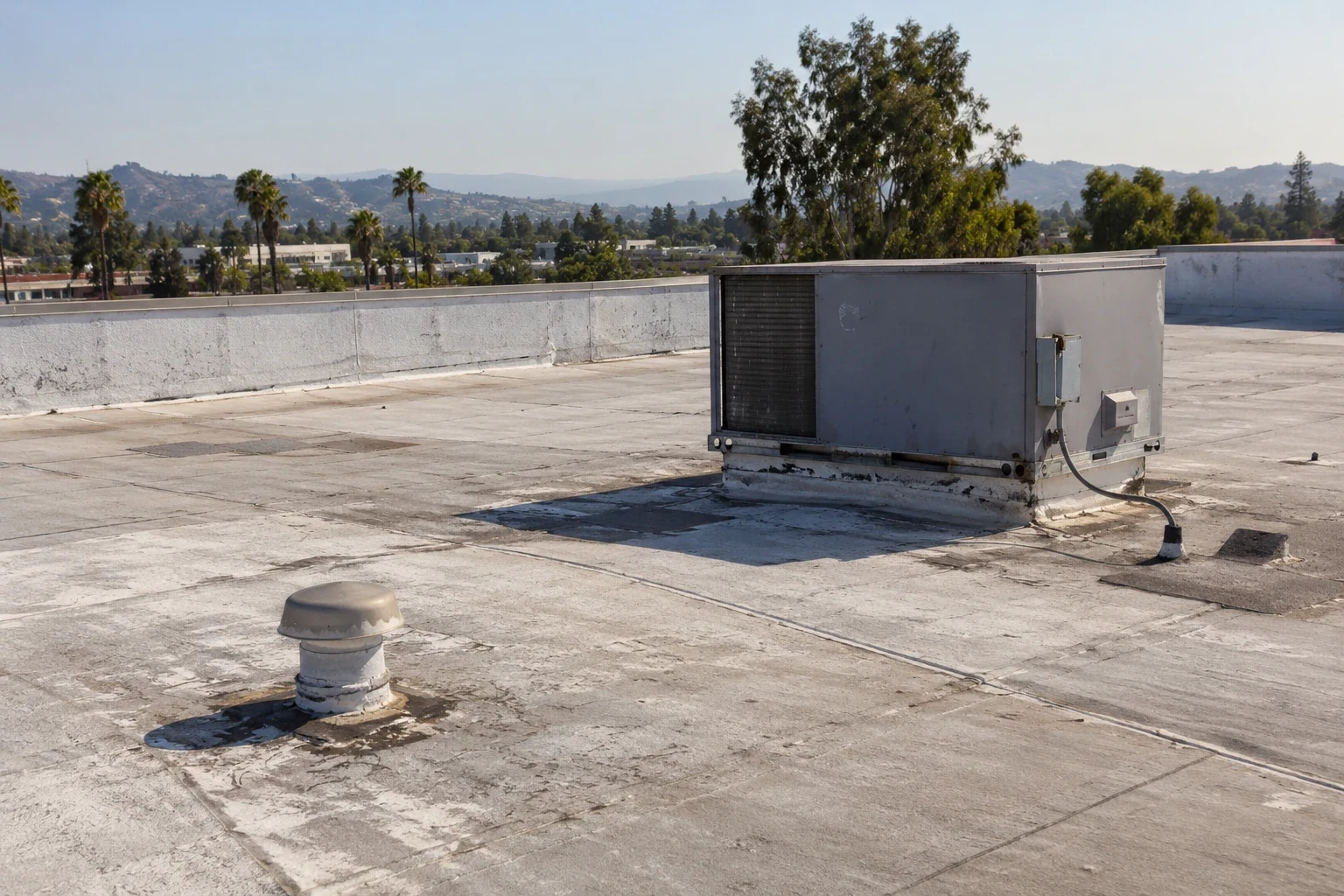
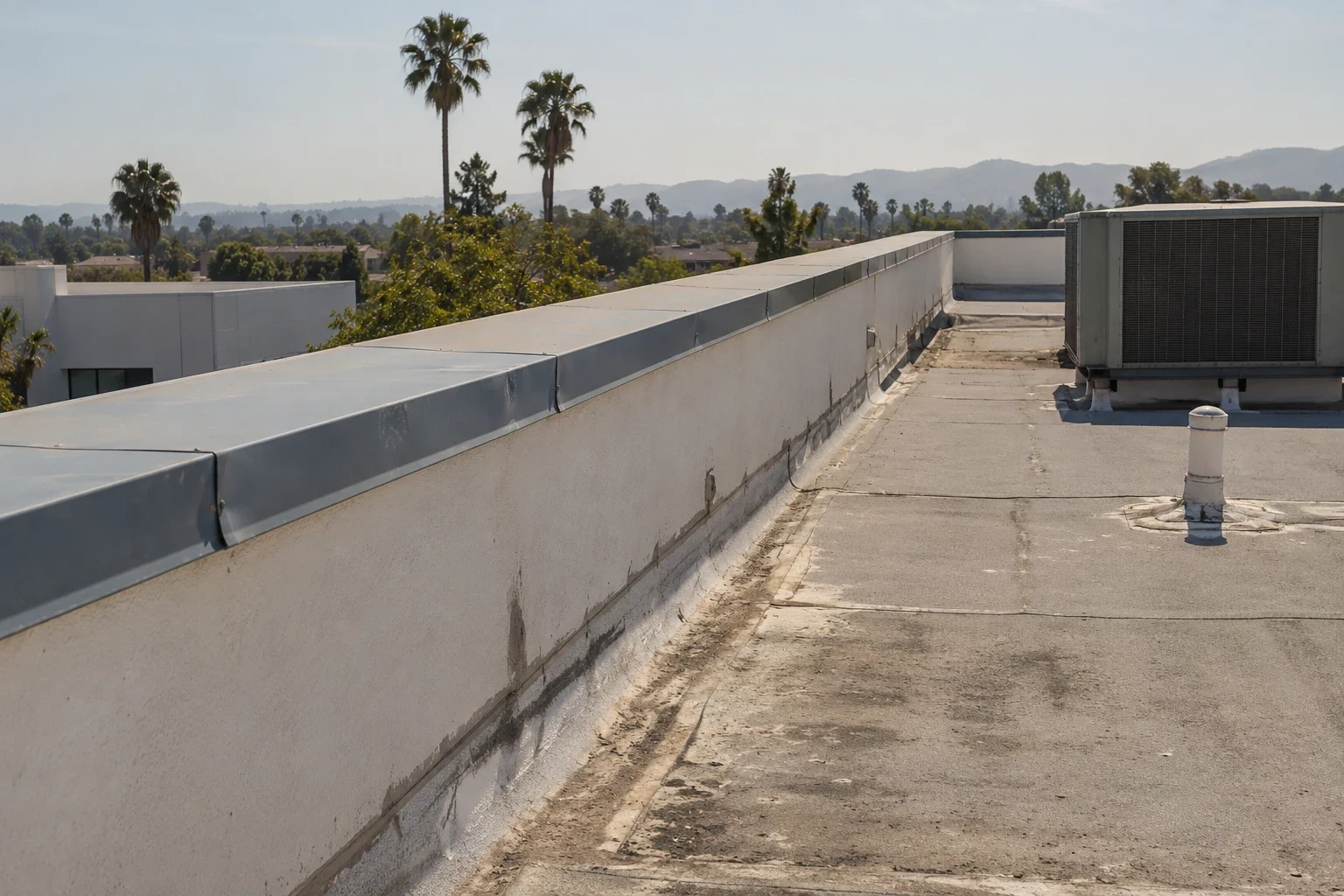
EPDM flashing details may use molded accessories, uncured sheet, adhesive, or a compatible cover strip depending on the opening. We inspect pipe boots for cracks, curb corners for movement, and wall terminations for secure compression or counterflashing. A bead of sealant may have been added during a prior visit, but the scope needs to identify whether the underlying detail still sheds water.
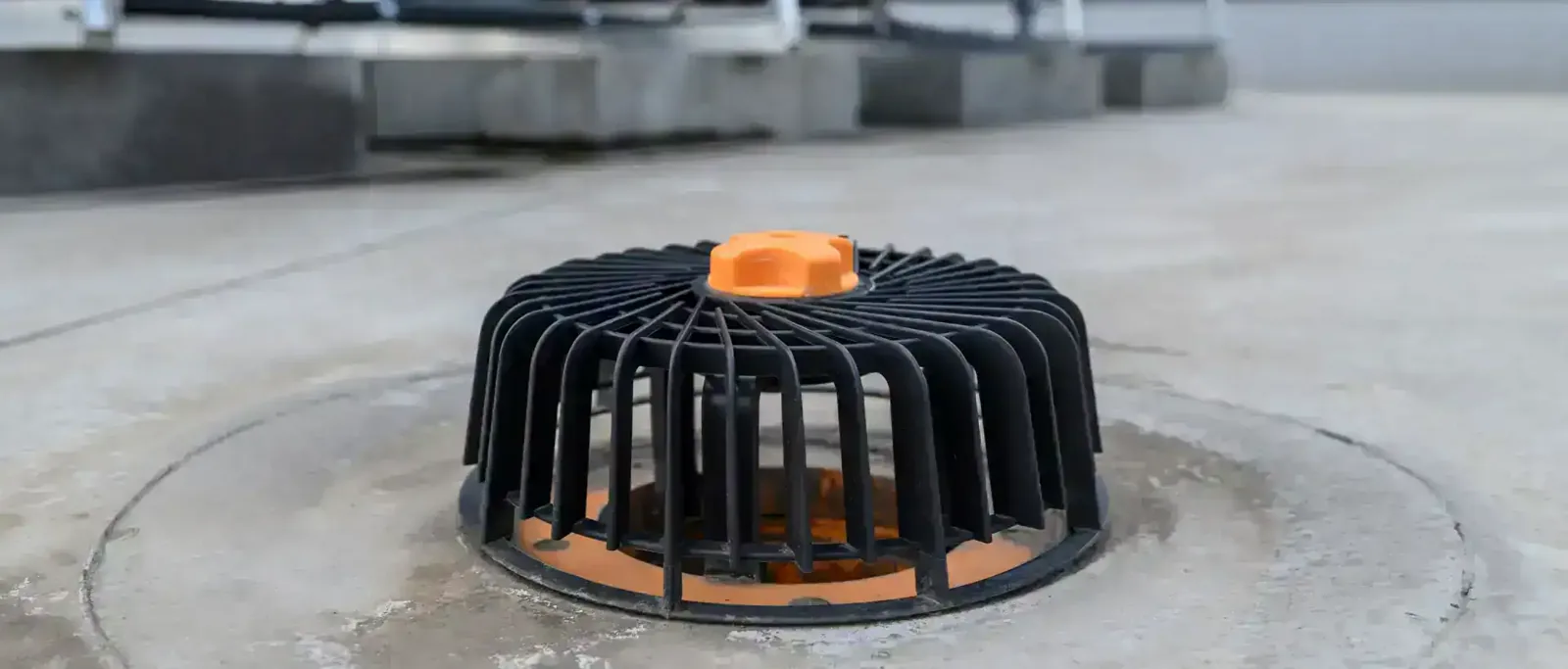
At a drain, the membrane must terminate to the bowl without wrinkles or trapped debris. The drain and scupper inspection checks the clamp ring and surrounding membrane. Where a metal edge holds the roof, a perimeter detail review checks whether the termination remains secure. We photograph corners and changes in plane because those locations can be hard to compare after a patch covers the original edge.
Separate Surface Aging from Leakage
Menifee’s Safety Element describes the city as inland and naturally dry, while flagging extreme-temperature days as a climate risk. On an EPDM roof, we use that context to set repeat observation points at exposed laps, wall turns, and penetrations. A dated comparison can show whether a split or shrinkage mark changed, but the inspection still needs to trace an actual water path before pricing a repair.
Check Restraint and the Drainage Path
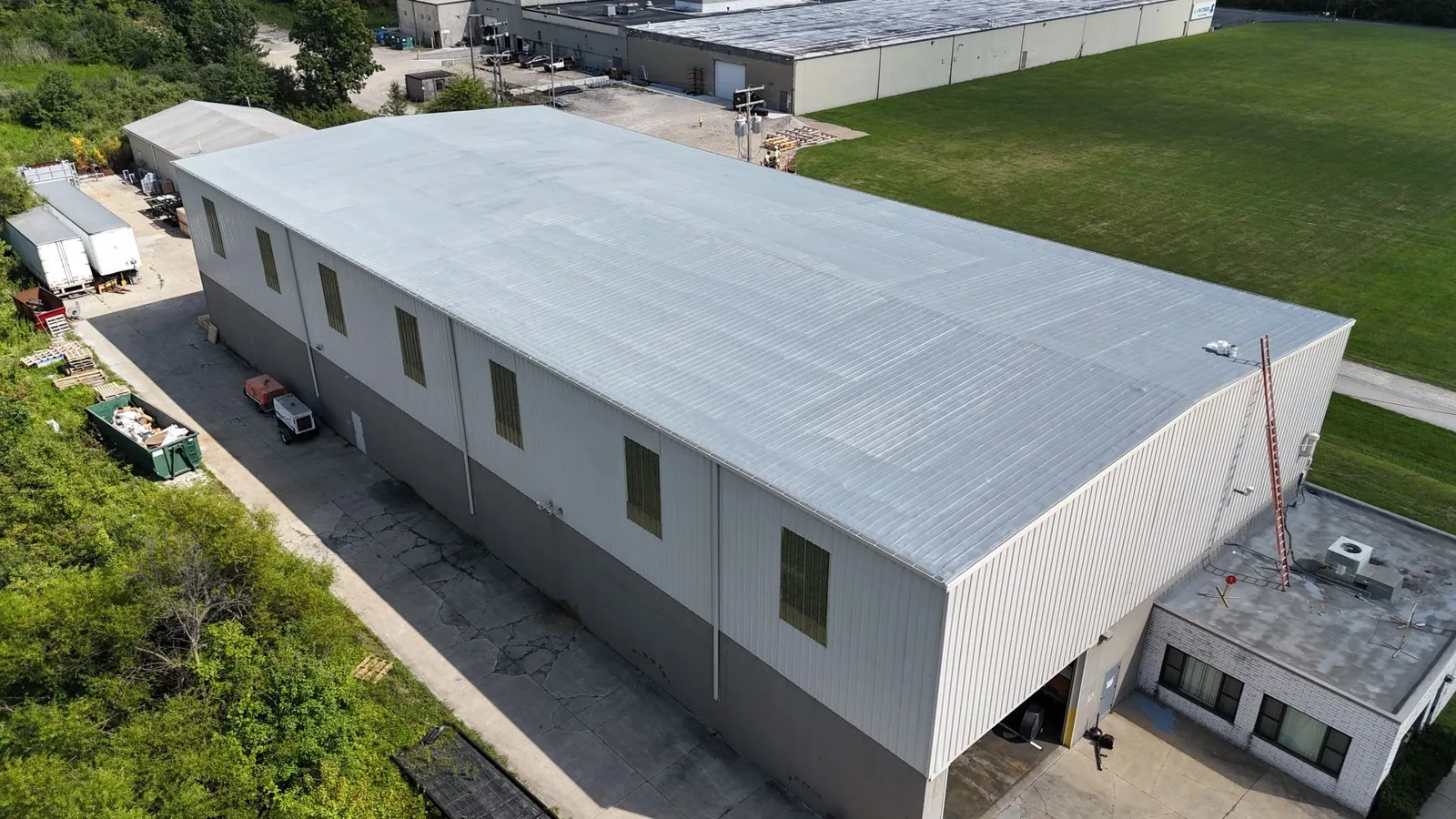
EPDM may be ballasted, adhered, or mechanically attached; perimeter restraint and field conditions should match the approved assembly. We inspect ballast displacement, adhesive contact where visible, fastener lines, and edge terminations. If a membrane has pulled away from a wall, the cause could involve shrinkage, attachment, or a failing edge detail. We do not treat a new bead of sealant as a substitute for identifying movement.
Water must move toward drains and scuppers without a blocked path. A low spot may need slope review after the outlet is confirmed open. Menifee’s Southern Gateway Economic Development Corridor has a planned mix of office, light industrial, and commercial uses. Nearby, the Newport Road Economic Development Corridor frames a commercial role next to residential growth on either side. Those settings inform access planning; the slope, attachment, and roof layers remain matters for inspection.
Choose the Smallest Sound Repair Boundary
A local EPDM repair can work when the membrane is flexible, the seam can be prepared, and the substrate is dry. A widespread loose lap or recurring wet area may call for more investigation before the owner approves a patch. We mark the tested boundary and identify what remains under observation. A moisture survey can guide test cuts when thermal conditions are suitable, but confirmation determines the removal limit.
A recover or replacement brings additional decisions about existing layers, deck condition, insulation, edge metal, and attachment. The recover evaluation checks those limits, while a substrate scope accounts for wet or deteriorated material. For a full replacement, we compare an EPDM assembly with a TPO assembly after confirming attachment, insulation, and project criteria. The proposal separates repairs from inspection and test work. That makes each path easier to compare and keeps a small defect from being priced as if the whole roof has failed.
Use the Project Details for Menifee Wind Criteria
Menifee’s code sheet lists exposure and wind-speed entries by risk category; the designer confirms the building’s criteria before an EPDM recover or replacement is specified. Our field record notes the existing membrane and edge restraint, then links those observations to the approved fastening detail. The McCall Boulevard Economic Development Corridor’s plan pairs offices, medical use, and housing compatible with the Regional Medical Center. The Southern Gateway development objective includes business-park, office, light-industrial, and commercial opportunities while retaining rural character. Neither land-use plan reveals a roof’s age or attachment, so the survey establishes the actual assembly.
Record the Tape, Patch, and Edge Work
Closeout photos should show seam preparation, installed tape or flashing, corners, drains, and perimeter conditions before the work area is released. We mark the repair on a roof plan and list materials used, test points, and remaining observations. If a section was inaccessible because of equipment or ballast, we identify that limit for a future visit instead of calling it inspected.
Routine care checks for new punctures, open laps, displaced ballast, and drain debris. The maintenance program records those changes and keeps the repair map current. If a future repair needs a different material, the existing EPDM system and approved compatibility guidance control the tie-in. The owner receives a clear baseline for the next budget or leak response, with no assumption that rubber sheet behaves the same at every seam.
We also record any repair that remains provisional until a later dry-weather test. The report identifies the area, the method used, and the condition that will trigger follow-up. When a leak call returns, the facility contact can compare the room report with the marked roof plan and direct the inspection to the right seam. That saves another round of searching and makes it easier to separate a new puncture from an old bond failure.
Temporary protection must stay secure until the permanent seam can be prepared under suitable conditions. We record when the temporary cover was installed, what area it protects, and who will check it if access is delayed. Once the permanent repair proceeds, we photograph the bond surface, lap, and finished edge. The owner can then distinguish a temporary stabilization from the final repair and schedule any remaining inspection.
Commercial Roofing Questions
Can EPDM seams be heat welded?
Traditional EPDM seams use an adhesive or seam-tape method rather than the hot-air weld used on thermoplastic membranes. We identify the actual system and follow its approved preparation and bonding steps.
Why does a seam repair need a clean test area?
Dust, oxidation, residue, or moisture can interfere with adhesion. A controlled test confirms that the preparation and selected materials bond to the existing sheet before the repair is repeated across the roof.
What does shrinkage look like at the perimeter?
We compare membrane reach, wall terminations, curb corners, and edge metal with the roof plan and prior photos. The finding needs to be tied to movement or an opening before the repair boundary is set.
Can you coat an EPDM roof?
A coating requires compatibility, cleaning, adhesion testing, and a stable substrate. We verify the selected manufacturer’s system and the condition of seams and flashings before considering it.
Related Roofing Work
Trace the EPDM Seam Before Patching
Request a Roof Assessment
Arrange an EPDM inspection that checks lap bonding, flashing, edge restraint, and drainage. We will document the tested boundary and any substrate question.
Service area
Menifee, Perris, Murrieta, Temecula, Hemet, Lake Elsinore and nearby Inland Empire communities
Quick contact
[email protected]
555-555-5555