Multi-Site Commercial Roof Programs in Menifee
Home / Roofing Capabilities / Multi-Site Commercial Roof Programs in Menifee
A portfolio roof program needs one reporting framework and many property-specific records. Start by agreeing on field names, report format, priority definitions, and who approves testing or repairs. Then inspect each address with its own access plan and assembly history. A shared dashboard can compare open findings, but it must link to the roof map and photos for the actual building. A finding at one site does not prove that another property has the same defect.
The owner supplies property lists, roof plans, known warranties, leak logs, and contacts. We flag missing or conflicting records before the first visits. Scheduling can group nearby sites to reduce travel, but access windows, tenant operations, and equipment restrictions remain local. A roof asset register can organize those records across the program.
Governance
Set a decision path before fieldwork: who submits a work request, who approves a test opening, who can authorize an emergency measure, and who signs closeout. Define what constitutes an urgent finding and where it is escalated. An operating company may manage the roof while a property owner holds repair authority; document those roles separately. Without a clear route, a high-priority report may wait for an approval that no one owns.
Use a central contact for program administration and a local contact for each property. The local representative confirms access, interior conditions, security rules, and room protection. Central staff can review status but should not change a site-specific boundary without the owner’s approval. Record the date and person responsible for any scope decision.
Consistent Inspection
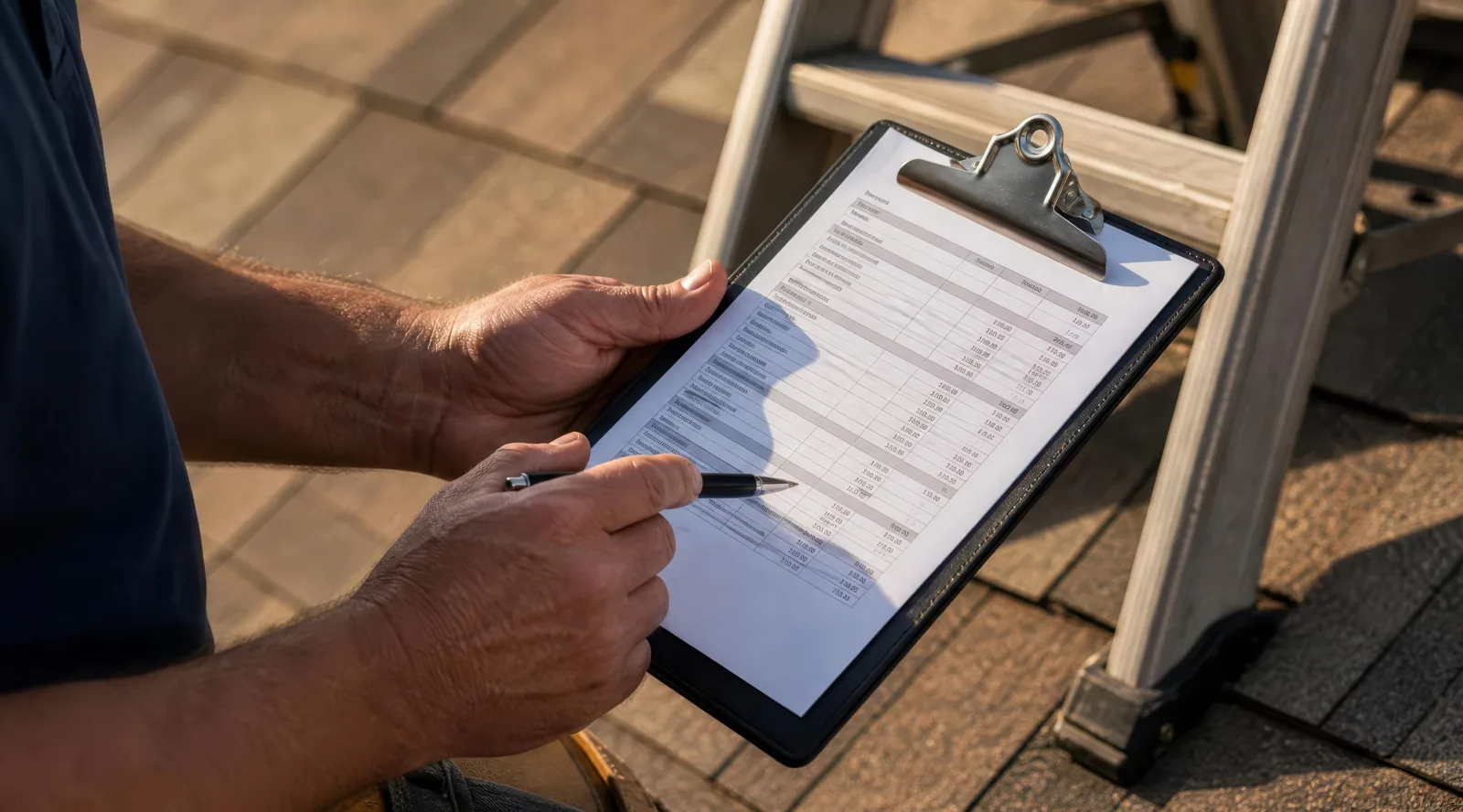
A consistent checklist should cover visible membrane, seams, terminations, drains, curbs, edges, patches, walkway routes, and reported interior water. The technician adds assembly-specific details rather than forcing every roof into the same template. Reports should use common severity terms with written definitions. If a location is inaccessible, state the reason. A missing observation should not be coded as a satisfactory roof condition.
Portfolio managers can compare performance across sites only when methods are comparable. Record the inspection date, weather, test procedure, and area covered. Separate visual review from moisture survey or destructive testing. A standardized condition report can improve consistency while preserving unique photos and limits for each property.
Dispatch
Dispatch work from a triage queue that shows active water, safety concerns, warranty notification, estimate status, and open approval. Assign each item to a person and due date. If a temporary repair is complete but permanent work remains, keep the follow-up open. The dashboard should not show an item “closed” until the approved boundary is verified and documents are received.
A vendor call should receive the site ID, address, access instructions, leak area, and recent roof history. Avoid sending an entire portfolio file when a local technician needs only one property’s records. After the visit, match the report and invoice to the same site identifier. Emergency response can be tracked separately from long-term project planning.
Budget Coordination
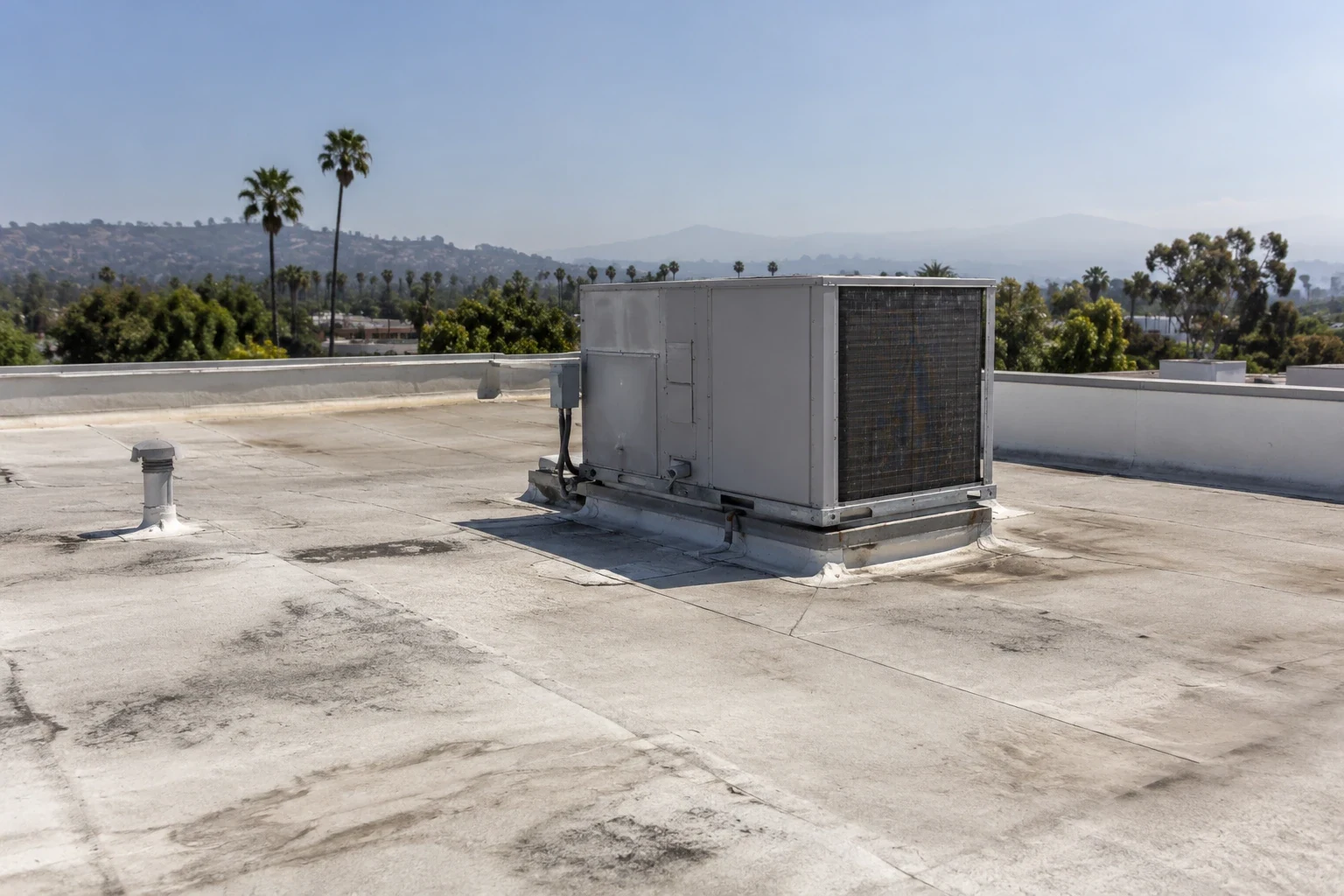
The portfolio budget can group projects by work type and year while keeping quantities and unknowns traceable to an inspected roof. Show immediate repair, planned restoration, and replacement as separate lines. Track whether the estimate is preliminary, bid-ready, or approved. A unit-price allowance for hidden insulation is not a final scope. The owner can compare options across facilities without assuming identical assembly or condition.
Projects may compete for access, equipment, or tenant windows. The program lead can sequence work based on business continuity and vendor availability, but the local manager must approve work hours and closures. Record any delayed item with its reason and a condition that would trigger earlier action. Capital planning can connect the field queue to budget cycles.
Menifee Context
Menifee’s economic strategy describes I-215 corridors as areas intended to concentrate commercial, office, and mixed-use activity. This citywide planning context does not reveal the ownership, condition, or operating needs of a roof portfolio. Wildomar and Community Core Economic Development Corridor are distinct place names, not evidence of any particular portfolio or contractor service boundary.
Northern Gateway Economic Development Corridor and Newport Road Economic Development Corridor are broad planning areas named in city materials. Their designations do not establish an approved radius, site access, or service boundary. Confirm each program address, owner, roof records, and operating contact. Keep location decisions property-specific even when the reporting system is shared.
Performance Review
Review program measures that lead to action: time from leak report to safe inspection, repair authorization delay, percentage of open findings with a next step, and closeout-document completeness. A low average response time can conceal one site with a serious unresolved condition, so keep exceptions visible. Avoid reporting an arbitrary number of “roofs protected” without defining the work and evidence.
Quarterly review can identify repeated details or repair methods, but a pattern is a prompt for inspection rather than proof of a systemic defect. Compare photos, product, age records, and environmental exposure before standardizing a repair. If the owner wants a capital recommendation, bring the relevant site reports and assumptions to the meeting.
Handoff
The program handoff includes property IDs, report dates, current priorities, owners, access limits, warranty contacts, approved work, and open questions. Preserve site-specific records beneath the dashboard. If a property enters or leaves the portfolio, confirm how files, warranties, and outstanding repairs transfer.
At the next cycle, update the queue from verified closeouts, new leak reports, and scheduled inspections. Keep an archive of prior conditions so a change can be seen over time. A shared program becomes useful when it supports the local property team without erasing the details of its roof.
Add separate references for warranty records; transaction surveys; Newport Road planning context.
A central dashboard should distinguish reported, inspected, proposed, approved, scheduled, completed, and verified states. Those labels prevent a submitted estimate from appearing as completed work. The site manager can confirm access and interior conditions, while program staff tracks approvals and dates. Closeout should require the final map and photographs before a portfolio item moves out of the open queue.
Use common service-level targets only where the owner can measure them consistently. A response clock can start at a documented report time, but emergency access, weather, and owner authorization may affect the next action. Record those pauses instead of hiding them in an average. The portfolio review should surface the exception and name a person who will resolve it.
If two sites use different assemblies or warranty issuers, retain separate specifications and repair methods. Shared vendors may make scheduling easier, but a standard detail should not be copied across an incompatible roof. The program lead can use a common checklist while requiring a site-specific review before pricing or installing materials.
Commercial Roofing Questions
How do you compare roofs across sites?
Standardize report fields and priorities, then review each property’s own photos, tests, assembly, and access limits.
Does a portfolio dashboard close a repair?
Only after approved work is verified and closeout records are linked to the property.
Who controls a site-specific change?
The owner or authorized representative approves the location, test, and expanded repair boundary.
Can nearby sites share one access plan?
Scheduling can group visits, but each roof and property contact has its own safety and access requirements.
What makes a useful program review?
Review urgent open findings, approvals, closeouts, and upcoming inspections with a named owner for each action.
Related Roofing Work
Arrange a commercial roof review
Request a Roof Assessment
Share the property records and operating needs. We can document roof conditions, identify open questions, and provide a practical next step for the facilities team.
Service area
Menifee, Perris, Murrieta, Temecula, Hemet, Lake Elsinore and nearby Inland Empire communities
Quick contact
[email protected]
555-555-5555