Commercial Roofing for Manufacturers in Menifee
Home / Industries We Serve / Commercial Roofing for Manufacturers in Menifee
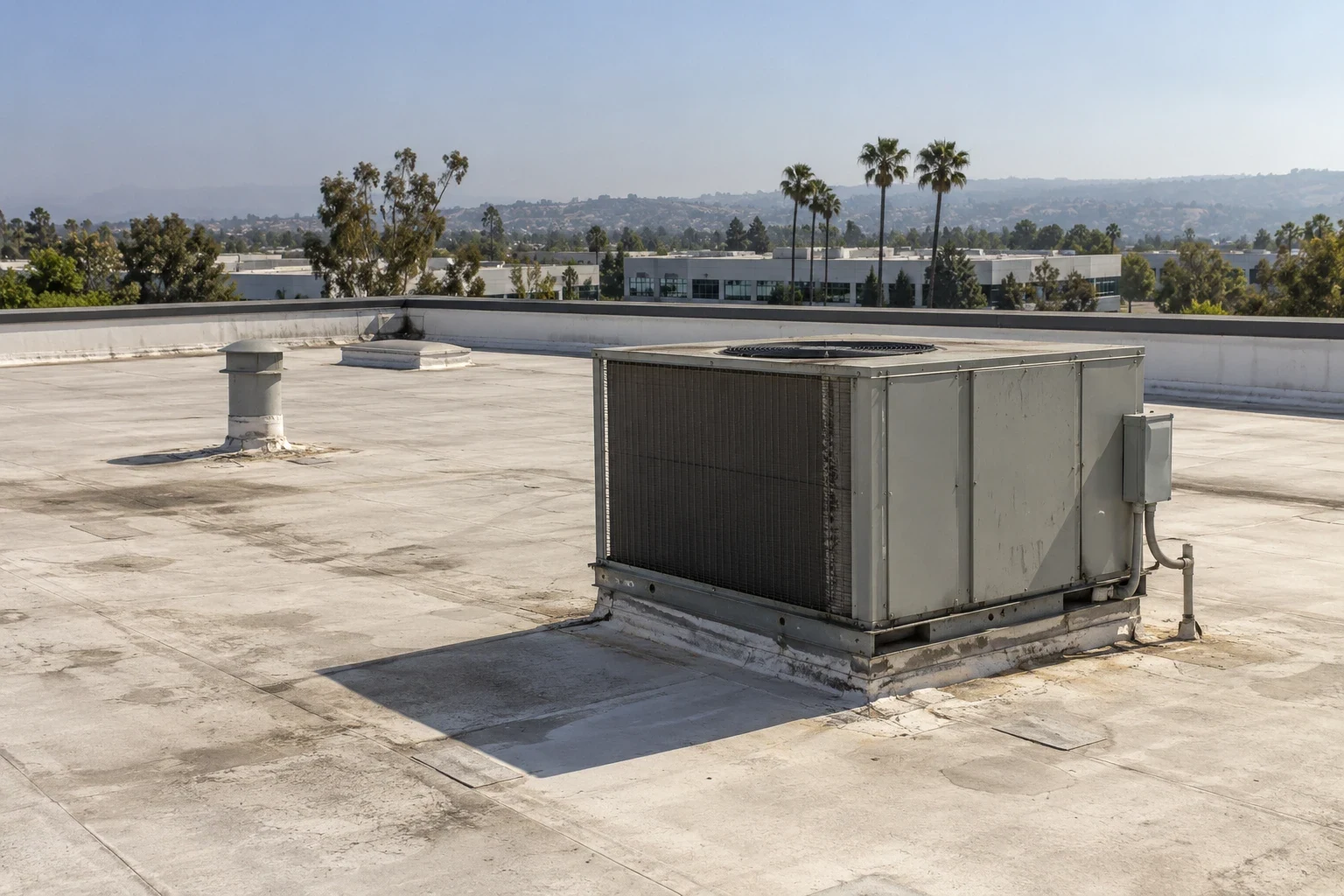
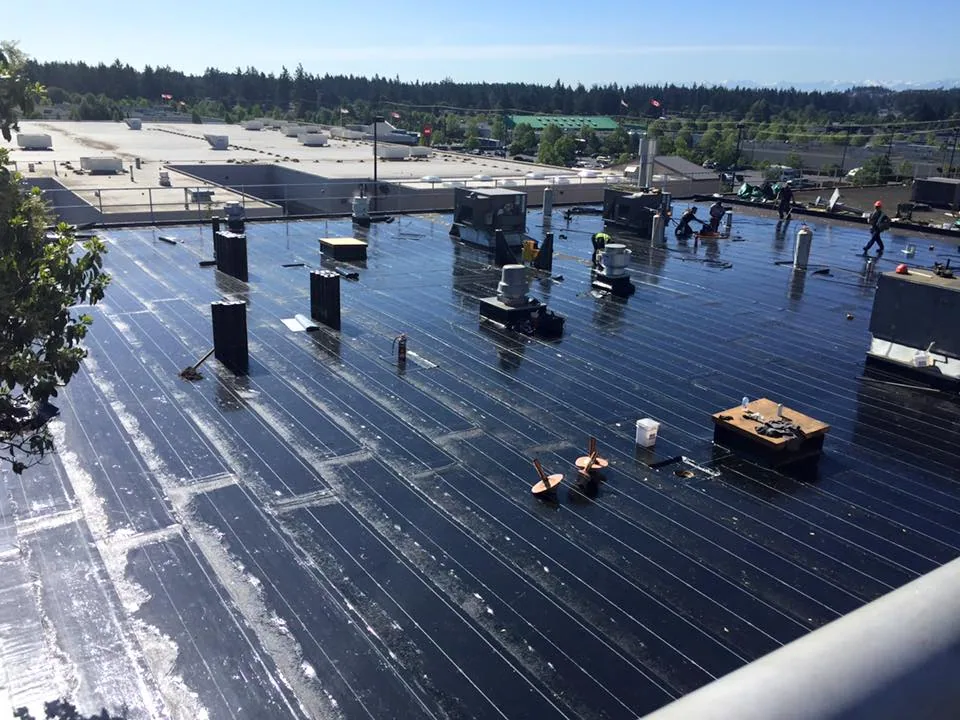
A manufacturing roof may support exhaust, make-up air, dust collection, process piping, rooftop units, and service walks. A leak or opening can affect production, inventory, controls, or an energized area below. We inspect the assembly with facilities staff and map each detail to the production zone. The report distinguishes observed damage from a process or equipment condition that needs review by another trade.
Operations identifies shift changes, clean zones, shutdown windows, and materials that cannot be exposed to dust or water. For a dedicated production roof, roof repair for a manufacturing building can outline the field work, while the plant supplies its safety and production controls.
Map Production and Roof Access
Before staging, the plant identifies service entrances, forklift paths, loading, personnel routes, and any restricted areas. We use an approved roof access point and keep lifts, debris, and materials outside live traffic. If production schedules change, a named contact can pause work and update the release time. The roof map notes the building area below each phase so facilities can protect the correct equipment and inventory.
Several production lines may share utilities but use separate shutdown controls. The roofing scope should not prescribe machine lockout or restart; the plant's qualified staff handles those steps. Phased roof work during production can mark each dry-in, inspection, and shift handback.
For a separate operational detail, consider multi-building maintenance records with process and safety controls confirmed by the plant.
Inspect Exhaust, Curbs, and Process Penetrations
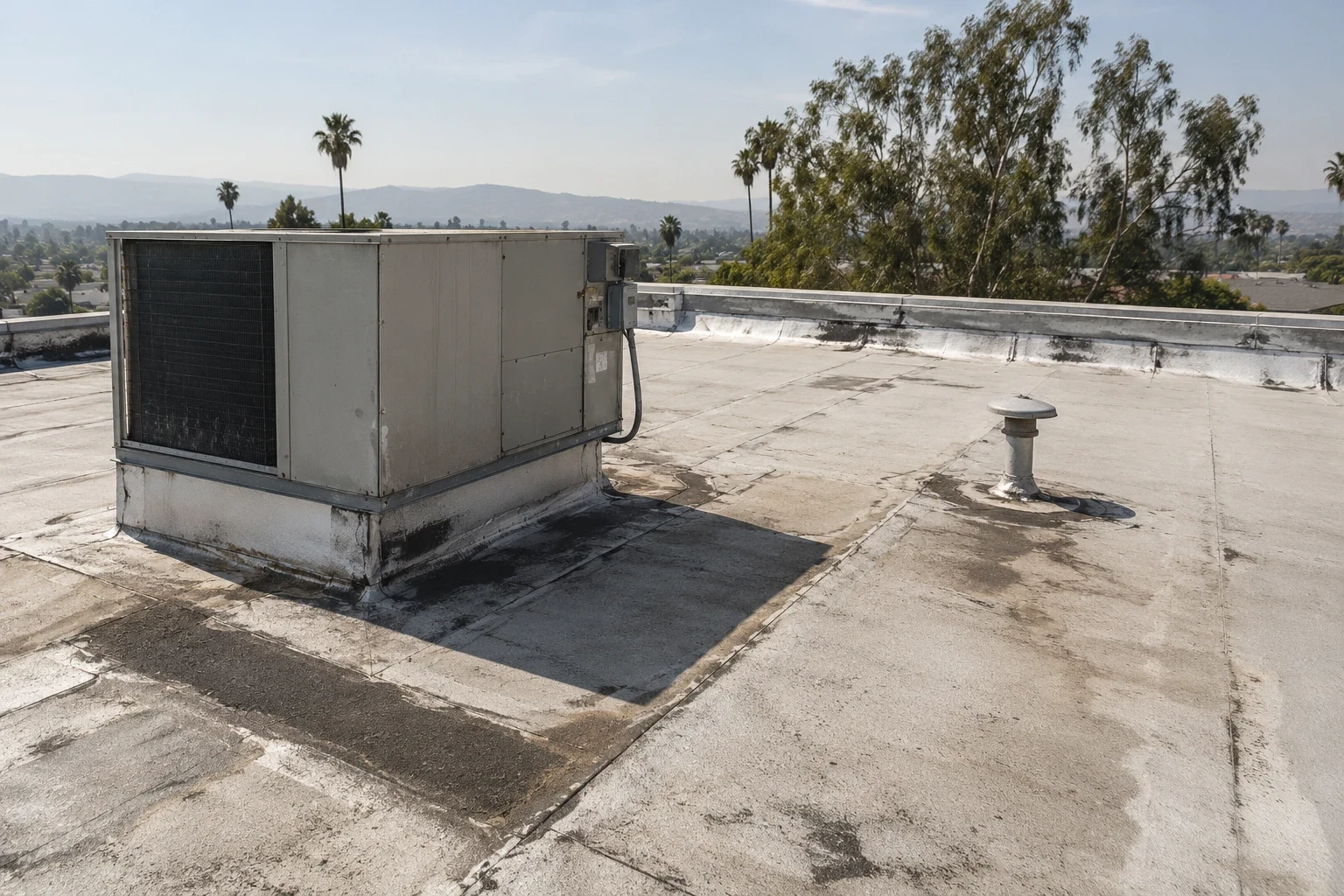
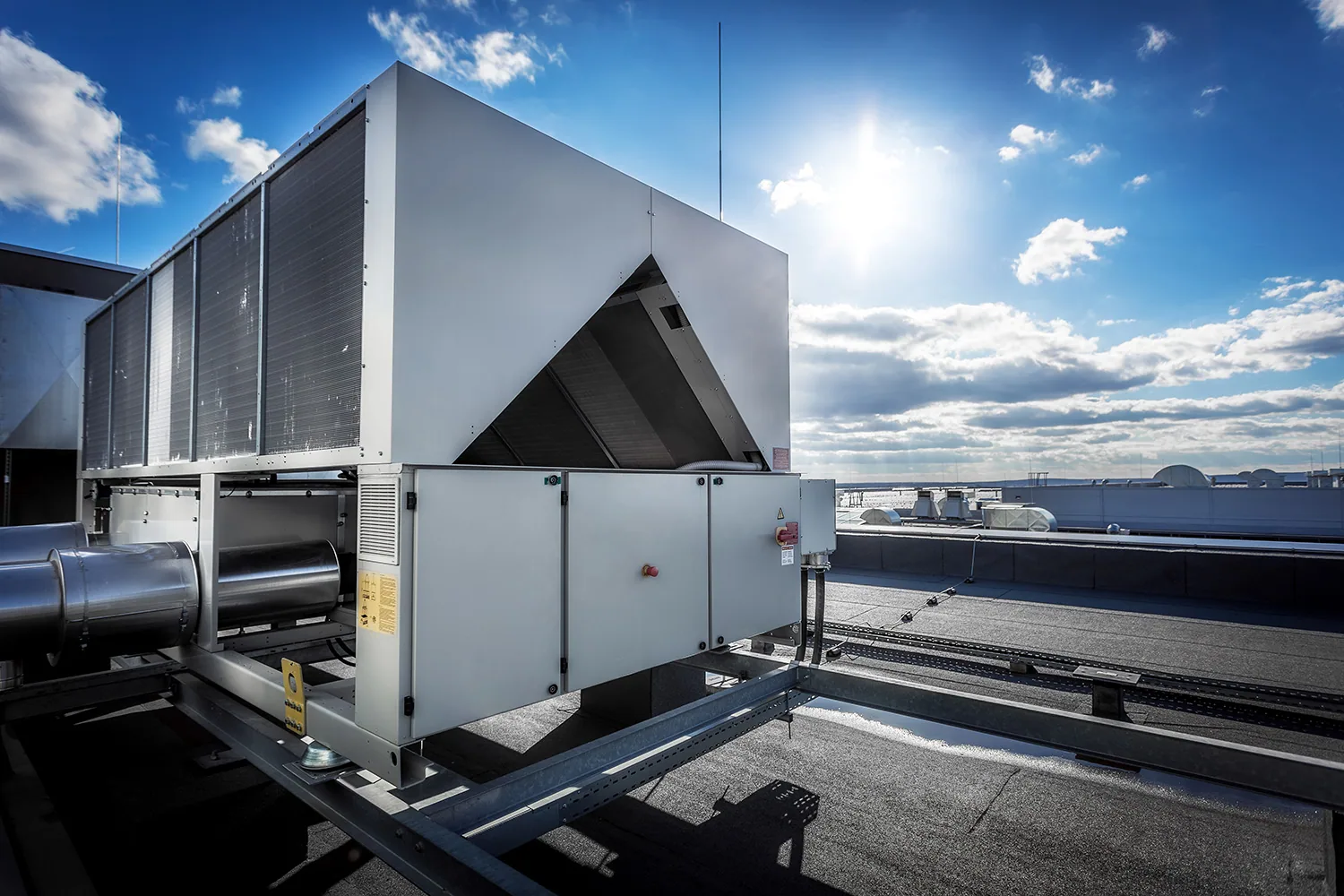
Exhaust stacks, dust-control equipment, make-up air, and process piping create roof transitions with different temperatures, vibration, and maintenance access. We photograph the base flashing, fasteners, counterflashing, and nearby membrane, then compare them with the interior report. If a process change altered a curb or support, we document it and identify the trade responsible for correction.
Hot exhaust or chemical exposure can affect material selection, but the actual process and compatibility need confirmation. We do not infer chemical resistance from a generic roof label. A review of process-related roof penetrations can identify a test or detail repair before a larger phase is priced.
Protect Product and Control Water
Water entry above production or stored goods may need temporary containment before a full diagnosis is complete. The plant identifies sensitive controls, packaging, raw materials, and contamination procedures. We record the affected roof grid, establish a safe temporary cover, and specify when it must be checked. Interior protection is planned with the owner so roofing debris or odor does not reach a clean process or finished product.
Drainage issues can spread beyond a single penetration. We inspect outlets, overflow paths, slope, and nearby seams, then separate a blocked drain from a flashing failure. A drain review with defined discharge paths gives facilities a boundary for cleaning or repair.
Use Manufacturing Context as Planning Evidence
Menifee’s 2026 economic strategy identifies manufacturing and industrial development as emerging sectors. The Northern Gateway Economic Development Corridor and Newport Road Economic Development Corridor are separate planning areas with different land-use context. Those city documents do not confirm a tenant, plant, production process, or completed building. The owner verifies the facility and supplies the approved roof plan and operational limits.
A property in the Northern Gateway employment area still needs an on-site inspection. We base material and schedule decisions on the assembly, measured moisture, exhaust conditions, deck, and access rules at that building.
Define a Repair, Recovery, or Replacement
A seam or curb repair may be limited when the surrounding assembly is dry and stable. If testing finds wet insulation, damaged cover board, or a compromised deck, the removal boundary changes. The estimate shows those findings, the test method, the tie-in, and the production effect of each phase. Recovery is considered only after attachment, drainage, and compatibility are reviewed.
A replacement plan identifies equipment handling, temporary cover, debris movement, material staging, and a secure stop point before a production shift resumes. An assembly inspection before shutdown planning can help define the work window without treating a production schedule as roof evidence.
Align Capital Work With Production Windows
Plant managers can compare repair timing with maintenance shutdowns, seasonal demand, inventory turns, and equipment replacement dates. We separate urgent water control from capital options and list the evidence behind each item. A schedule may phase one production zone at a time, but only if the owner approves the logistics and safety controls. The plan identifies the contact who accepts each daily handback.
For multiple sites, inspection records can use common fields while preserving different process loads and assemblies. Capital timing by production impact connects a roof condition to a decision calendar without projecting a service life that the inspection cannot support.
Record Roof and Process Interfaces
Closeout includes repaired seams, curbs, drains, photographs, test openings, materials, and any remaining process or equipment interface. It identifies the crew's access path, the area released to production, and the person who accepted it. If another trade must complete a connection or shutdown check, that action has a name and date. The roof map remains distinct from process controls and production records.
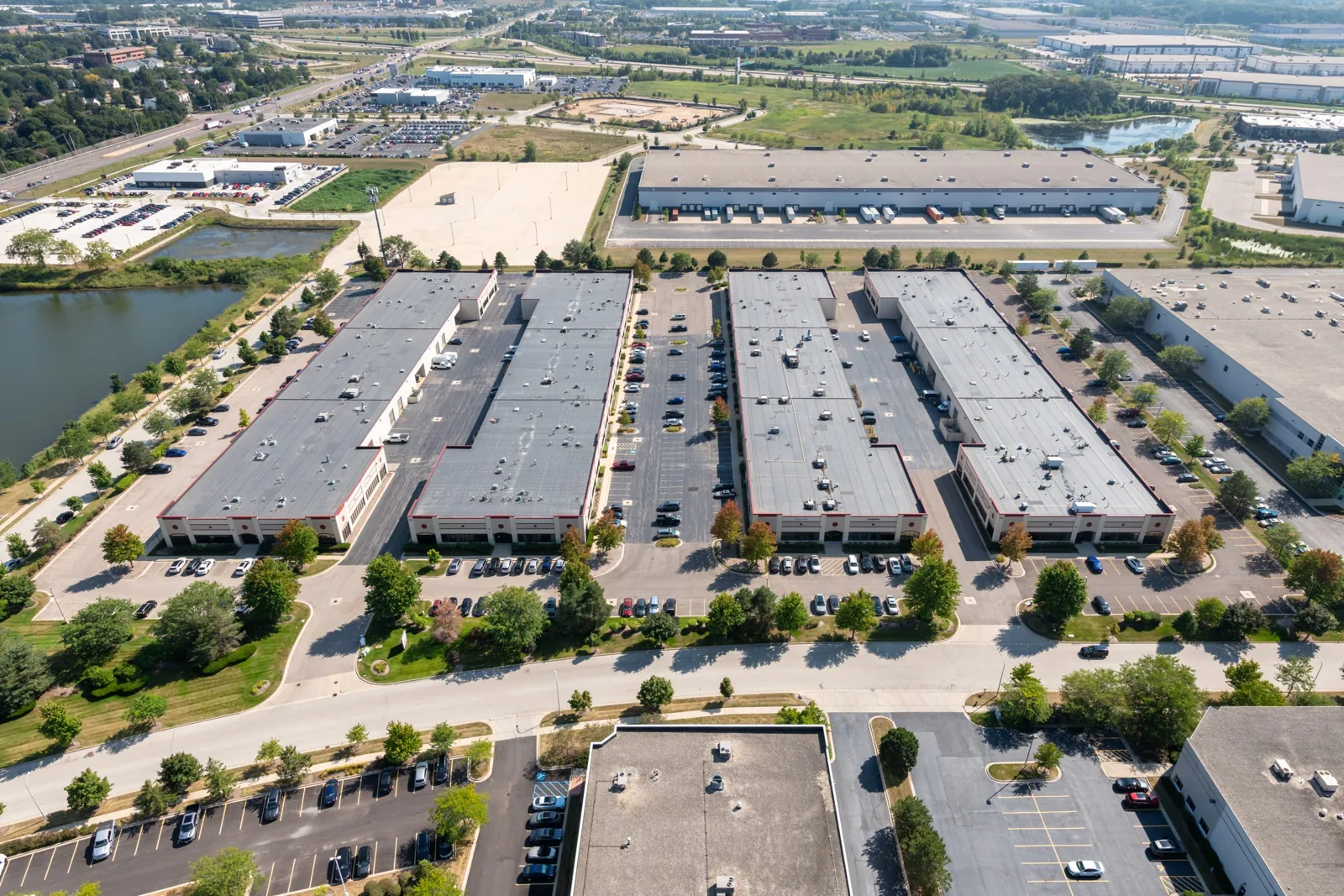
The city map assigns different planning categories to light industrial business parks and heavier manufacturing areas. A category does not show a plant’s roof system or process. Roof sequencing for logistics operations can provide a separate comparison when a property combines production with shipping and dock activity.
Before choosing a work window, operations can identify the production step most sensitive to dust, vibration, odor, moisture, or a temporary exhaust change. The plant may need separate permissions for a food-contact area, clean process, flammable material, or energized control room. Those requirements come from its safety and quality systems. We place the roofing zone and interior protection beside those controls, then confirm who can isolate equipment and who can accept restart. If demolition exposes unexpected wet insulation or deck corrosion, the crew documents the finding, installs a secure stop, and waits for a scope decision before moving into another line area. A written change order can state the new boundary, added containment, and schedule effect. The completion record should note which production area was released and which system interface remains for a qualified mechanical or electrical contractor. These steps keep a roof repair from becoming an uncontrolled process change and give the plant a record it can reconcile with maintenance and quality logs.
Where a production line shares a roof zone with a shipping area, the closeout can name the separate release contacts and the time each path reopened. The plant can keep inspection photographs with its maintenance record and note any cleaning step required after overhead work. A later visit should verify the repaired curb or seam before the equipment schedule is treated as normal.
Commercial Roofing Questions
Can production continue during a roof repair?
The owner decides by line and work zone. A phase may fit a shutdown window with protected routes, clean-area controls, and a secure handback.
Who handles process equipment shutdowns?
The plant’s qualified staff authorizes and performs process isolation. Roofing scope documents the membrane interface and access needed.
How are chemical or exhaust exposures evaluated?
We document the observed roof conditions and ask the facility to identify process materials and operating temperatures before selecting a system.
Can a leak be contained before the final repair is known?
Yes. Temporary water control can be scoped separately, with a boundary and recheck date while testing establishes permanent work.
What belongs in the production handoff?
Roof zones completed, equipment interfaces, photos, test closure, clean-up, production release, remaining actions, and an accepting contact.
Related Roofing Work
Coordinate a commercial roof review
Request a Roof Assessment
Plan a roof inspection with facilities and operations. We can map process interfaces, isolate repair zones, and tie each work phase to an approved production window.
Service area
Menifee, Perris, Murrieta, Temecula, Hemet, Lake Elsinore and nearby Inland Empire communities
Quick contact
[email protected]
555-555-5555