Commercial Roof Inspection in Menifee, CA
Home / Commercial Roofing Services / Commercial Roof Inspection in Menifee, CA
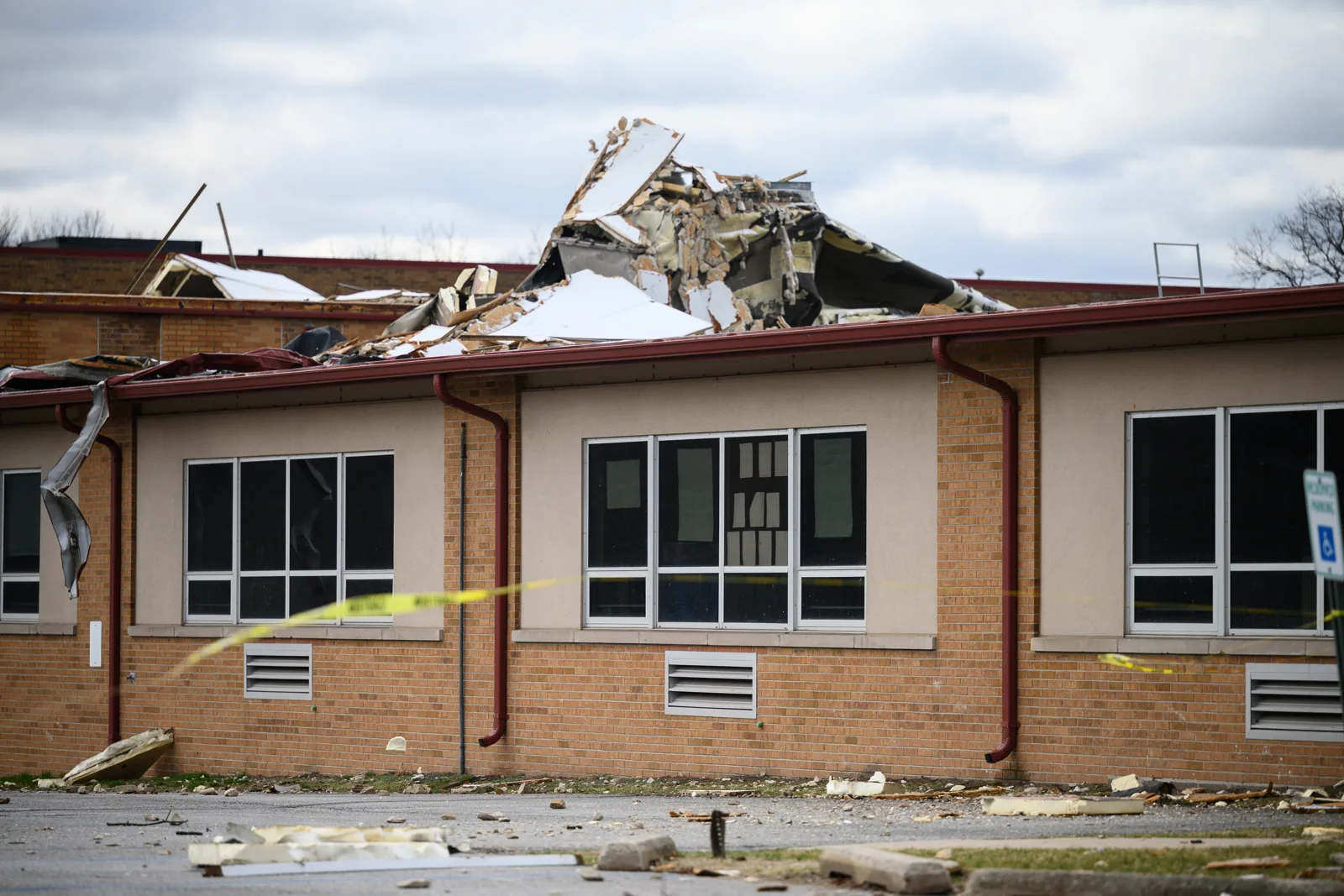
A roof walk with a leak report, upcoming tenant change, or capital question should create a record that a facility director can use again. We inspect seams, penetrations, drainage, edge metal, rooftop equipment, and any interior area tied to a report. Menifee’s 2025-2030 capital-improvement map lists projects along Newport Road and several other corridors. That planning information is not a building access map, so we confirm the entrance, operating hours, and roof route with the property contact before arriving. The report then names roof zones, photographs findings, and separates immediate work from conditions that need testing or monitoring.
Make each roof zone easy to revisit
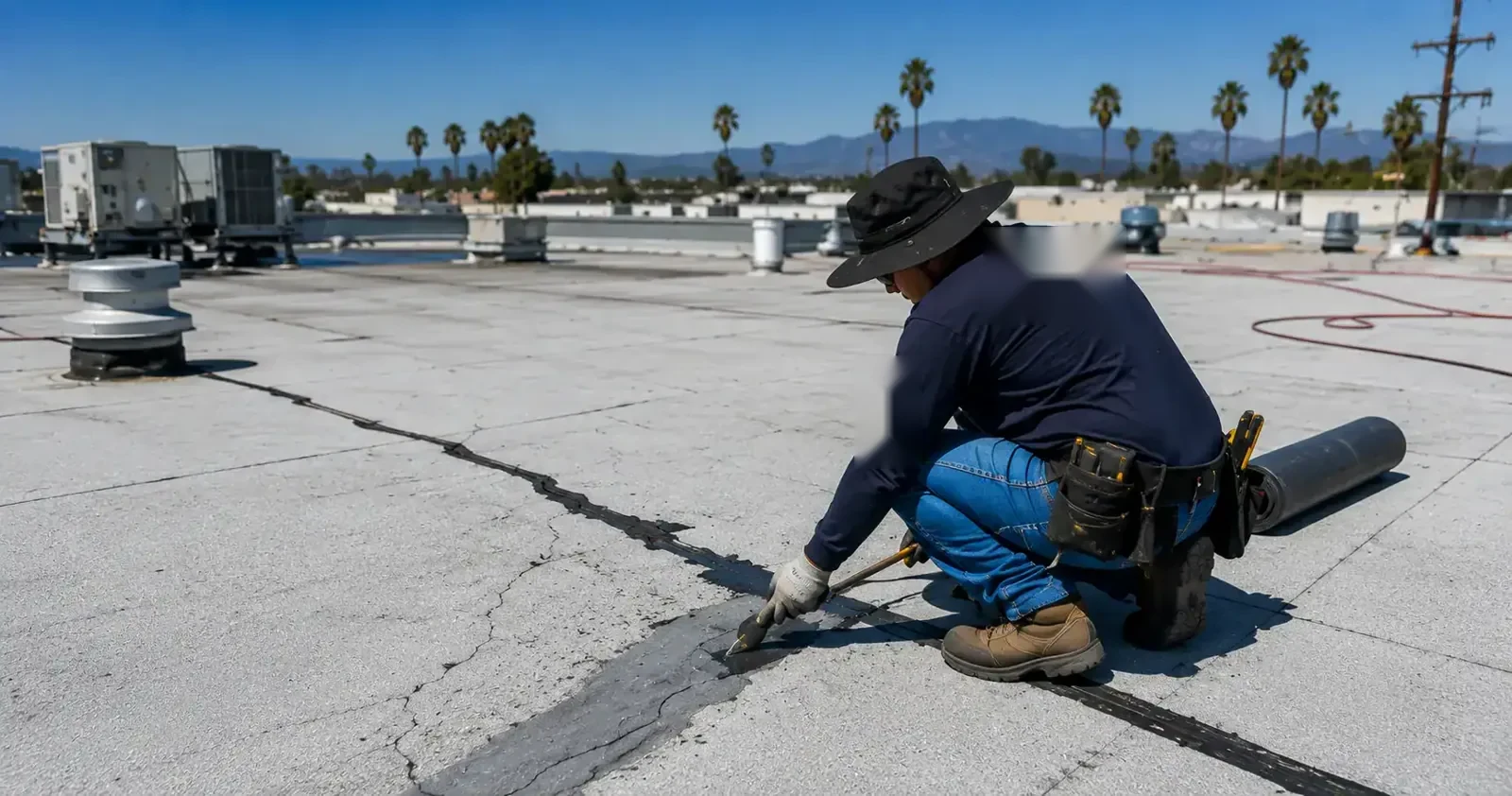
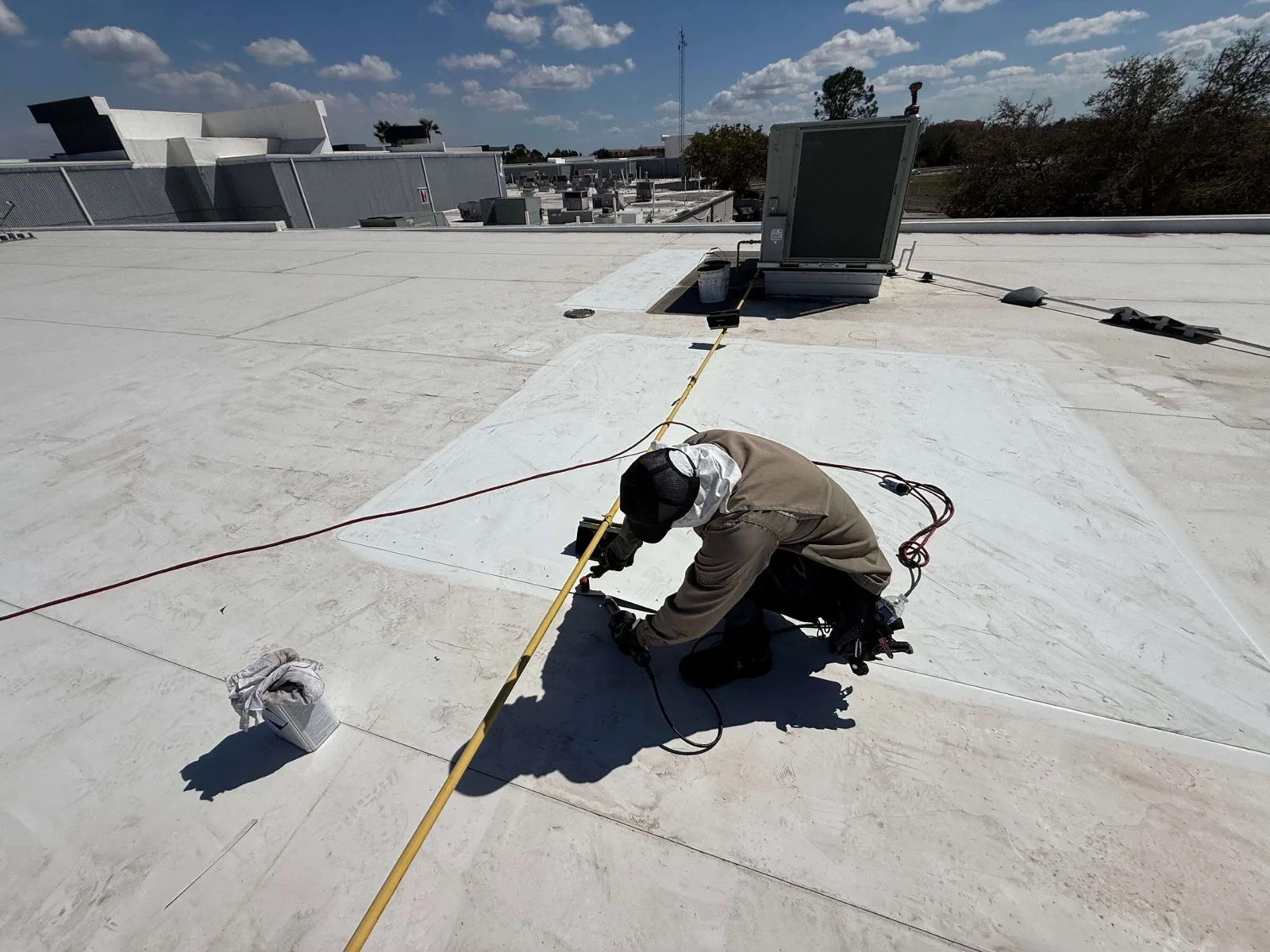
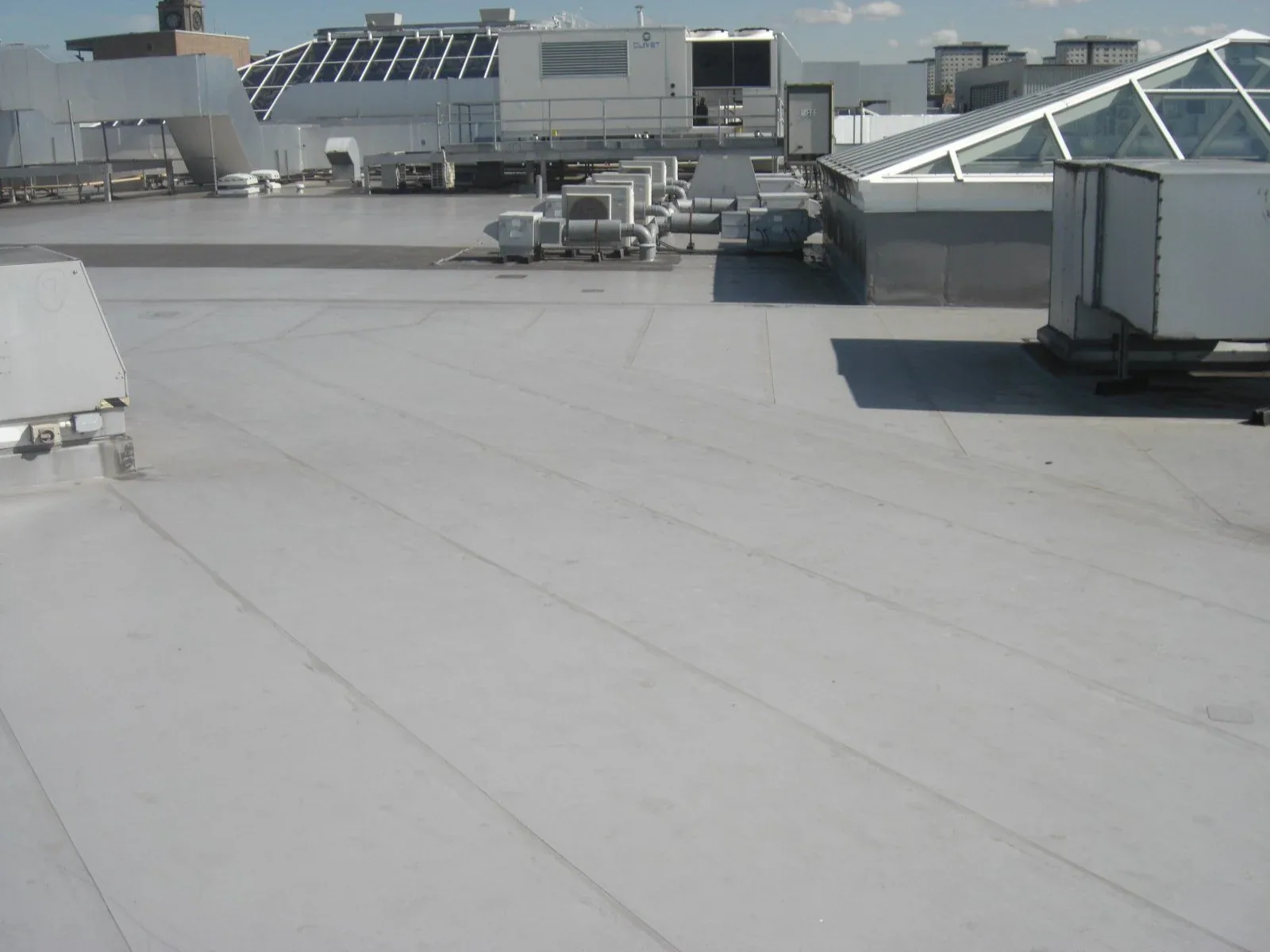
We set a route across the roof and record how each area meets walls, drains, curbs, penetrations, and perimeter edges. The assembly is identified before a detail is judged, because TPO, PVC, EPDM, modified bitumen, metal, and coating systems fail in different ways. We note open seams, surface wear, loose flashing, ponding, patches, or visible moisture clues. Photos need a roof-zone label and a short note about what the image shows. That lets a maintenance contact return to the same area later. If a leak is active, a leak repair review can follow the path from interior mark to likely entry point. We use a consistent naming scheme for upper and lower roof areas and note access from a stair, ladder, or hatch. A property team can compare that map with existing plans and service tickets. If the available drawings differ from what is present, we record the visible change without inferring when it was made. That simple cross-check makes later repairs easier to locate.
Separate visible damage from concealed questions
A roof walk can identify what is visible at the surface, but wet insulation or deck deterioration may remain hidden. We explain where a surface observation ends and whether a test could change the repair boundary. Infrared review can help locate temperature patterns that warrant investigation; a core sample may confirm layers or moisture at a selected point. Neither test replaces an interpretation of the full assembly. A moisture survey is useful when the result could change whether a repair stays localized or extends across another zone. The report identifies the question first, then recommends a test only if it can inform a decision. A surface reading is only one piece of evidence. We note whether a temperature pattern aligns with a stain, an open seam, or a previous repair, and describe what would confirm the suspected layer. If no test is likely to change the scope, the report can recommend monitoring instead. The owner receives the reason for that choice, so a scan or core is not requested as a routine add-on.
Review drainage and service access
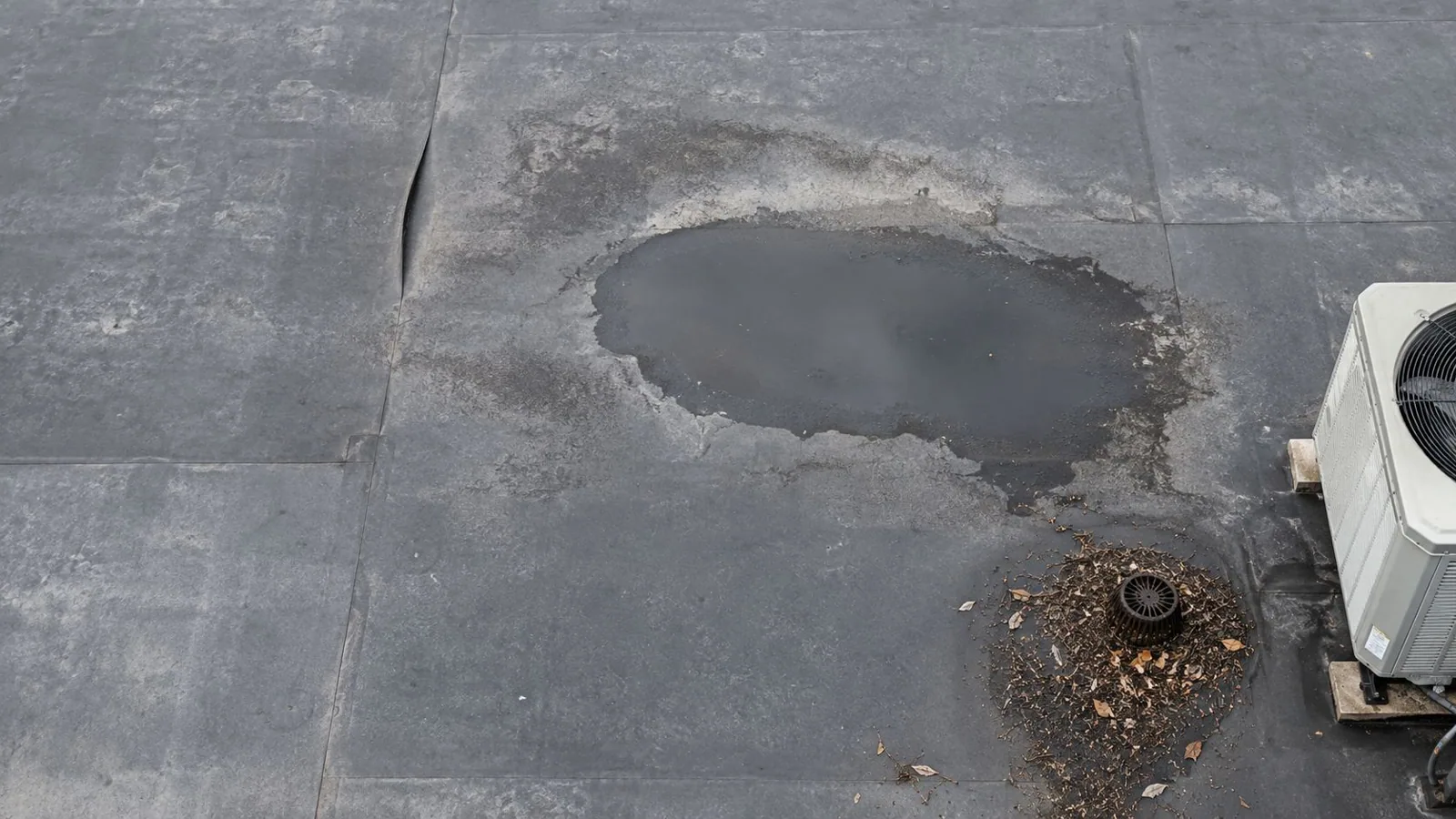
Debris at a drain, a blocked scupper, or a transition that holds water can shorten the time a detail has to shed moisture. We record whether water has a clear path, whether drains are accessible, and if equipment or stored materials block inspection. A roof with several mechanical units may need a route that avoids sensitive equipment and reaches each curb safely. The inspection also notes edge conditions and areas where maintenance staff cannot see from normal access. If a recurring seam or flashing condition appears, we can link the finding to a planned preventive roof maintenance visit rather than leave it without an owner or date. Drainage observations include the area around the inlet, the flow path toward the drain, and any visible obstruction. We also record whether rooftop equipment makes a transition hard to inspect or a service route unsafe. A clear photo of a blocked path gives maintenance staff a specific location to revisit. When a roof drains through scuppers, we include the parapet transition and the visible outlet condition.
Connect the review to Menifee operations
Menifee’s capital map lists projects along roads such as Haun and Garbani, including planned interchange work. Those listings are infrastructure context, not a roof inventory. We check current route instructions and site access with the property contact before arrival.
The Southern Gateway Economic Development Corridor and Newport Road Economic Development Corridor are distinct planning areas along the city’s commercial network. They can help the facilities team identify a general location, but they do not determine roof material or condition. We label the specific zones inspected and note whether a planned roadway project affects the visit route that day.
Turn findings into a ranked action list
The report can group items as urgent, planned, or monitor, but each label needs a reason. An open penetration with active water has a different time need from a surface wear pattern that has no interior effect. We identify whether a repair can be completed at once, whether the assembly needs testing, or whether budgeting for restoration or replacement is appropriate. Cost and timing depend on access, system, roof height, wet material, and operating hours. Menifee’s adopted 2025 California Building Code is a project input where a repair changes design or permitting, but the inspection itself does not make a code determination. We state when another professional review is needed. A priority list is most useful when each entry names the evidence and the effect of waiting. We may identify a detail that could admit water during the next storm, a seam that warrants planned repair, and a surface area to monitor at the next visit. The report avoids assigning a deadline that the roof condition does not support. The facility director can attach an owner and a target window after reviewing access and budget.
Plan a useful walk for occupied property
Before arrival, we confirm the contact, roof entrance, escort requirements, and areas where staff or tenants should remain undisturbed. For an occupied building, the route can include staging limits, lift access, and interior spaces related to leak reports. We ask for existing roof plans or service notes when they can help identify changes between zones, but the inspection stands on observations made at the building. If roof access is delayed or a zone cannot be reached, the report identifies that limit. A drone roof inspection may document inaccessible surfaces where regulations and site conditions permit, while a hands-on review remains necessary for many details.
Build the record your next decision needs
The condition report includes photographs, roof-zone references, noted deficiencies, access limits, and recommended next actions. We can connect a recurring defect to a flashing review or a capital planning discussion when the evidence supports it. For a property in Menifee’s Newport Road Economic Development Corridor, the report still names the exact building zone inspected and avoids applying one site's condition to another. Arrange an inspection with your operating window and any known water history. We will return with a roof record that distinguishes confirmed work from issues needing another check. We can include a brief field summary that points to the strongest evidence first, followed by the open questions and recommended next action. If the owner wants to compare multiple buildings, the same roof-zone labels make records easier to sort while each property's findings remain separate. A photo index can identify view direction and detail type so later reviewers can locate the same seam or drain without repeating the entire walk.
Commercial Roofing Questions
How long does a commercial roof inspection take?
Roof size, access, assembly changes, and the number of reported conditions affect the visit. We confirm a work window after reviewing the property and operating needs.
Will the inspection identify every leak source?
It identifies visible conditions and likely routes. Concealed moisture or inaccessible details may require testing or a follow-up visit.
Can you inspect around rooftop equipment?
Yes, when the facility provides safe access and any required escort. We note equipment zones that could not be reached.
What does the report help us decide?
It organizes defects by roof zone, urgency, and evidence so you can compare repair, maintenance, testing, and capital options.
Can a drone replace a hands-on inspection?
No. A drone can document some hard-to-reach surfaces, but many seams, penetrations, and material transitions require close inspection.
Related Roofing Work
Schedule a roof condition review
Request a Roof Assessment
Share your access window and any known water history. We will inspect the reachable roof zones, photograph findings, and provide a clear action list for your facility.
Service area
Menifee, Perris, Murrieta, Temecula, Hemet, Lake Elsinore and nearby Inland Empire communities
Quick contact
[email protected]
555-555-5555