
Standing-Seam Metal Roofing in Menifee
Home / Roof Systems / Standing-Seam Metal Roofing in Menifee
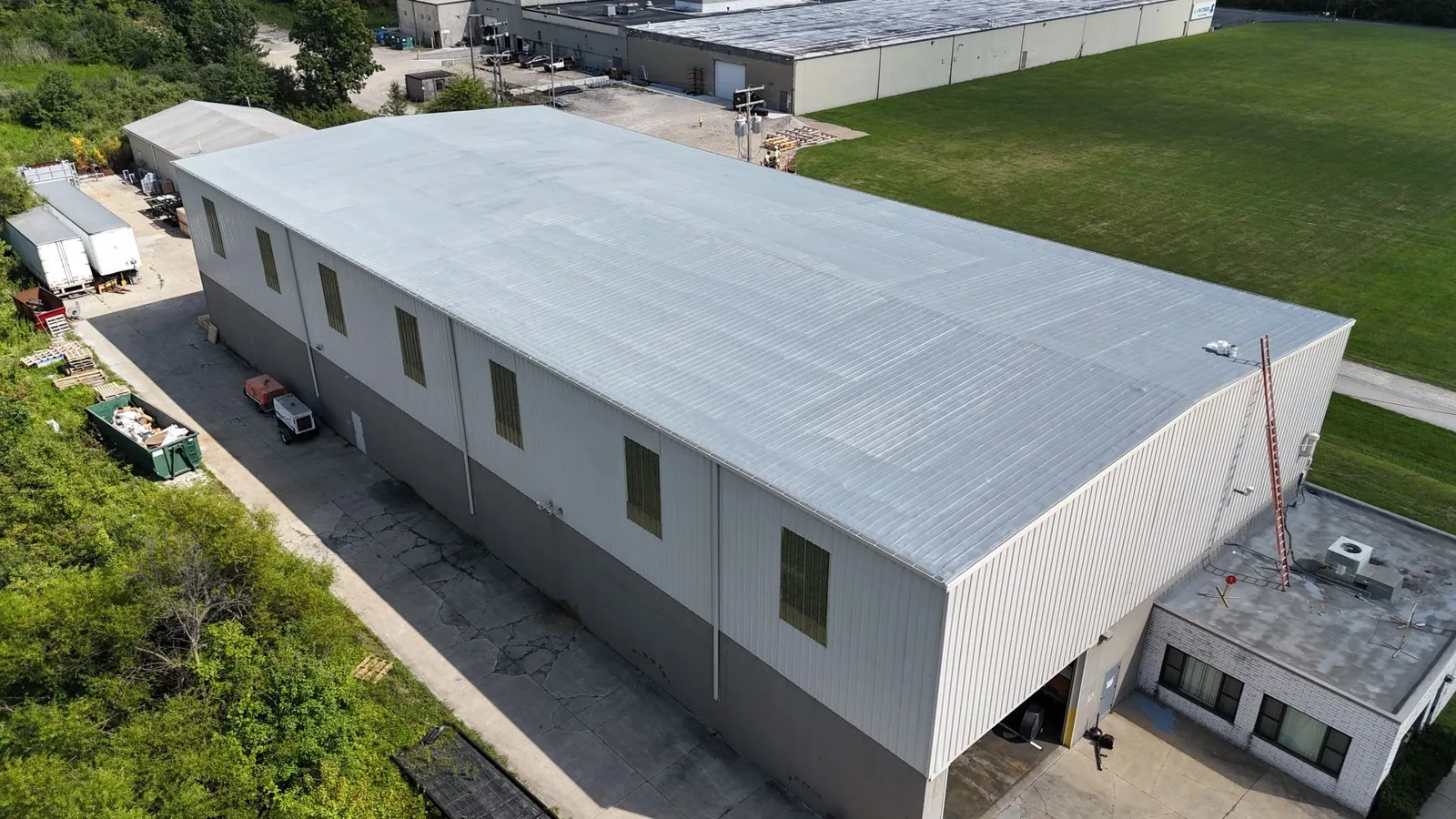
A standing seam can remain upright while a panel below it has shifted, a clip has loosened, or a closure has opened at the eave. The raised rib is only one part of the assembly. We trace movement from the panel field into its attachment, then check the end laps, penetrations, ridge, eave, and wall transitions. That shows whether the issue is isolated to a detail or follows a panel run.
Standing-seam roofs use raised interlocking seams, with clips or other concealed attachments allowing the panels to move as temperature changes. The specific profile, substrate, underlayment, and fastening pattern must be identified before repairs begin. A replacement panel or exposed fastener placed without matching the assembly can create a new water path. Our inspection records the panel geometry and connection details before proposing a repair or replacement.
Follow Panel Movement to Its Restraint
Long panels change dimension as their surface temperature changes. A fixed point, sliding clip, or interrupted panel run controls where that movement occurs. If a clip binds or a fastener backs out, stress can appear as a distorted seam, torn slot, or shifted end detail. We inspect representative locations along the same run and compare them with the panel orientation, rather than infer a roof-wide problem from one raised rib.
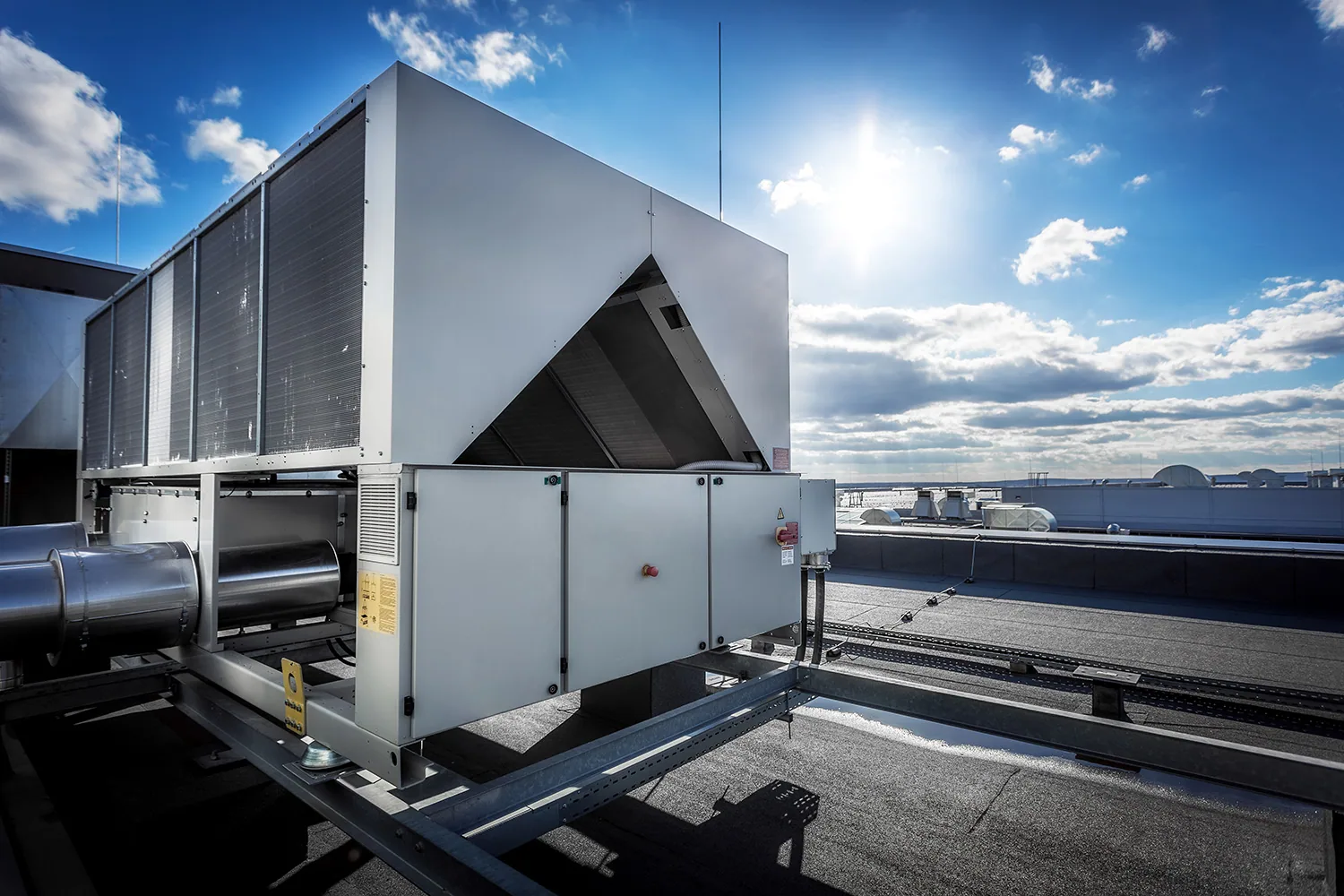
A seam that will not lock may reflect profile damage, debris, prior repair, or a panel that has moved beyond its intended travel. We record the condition and check adjacent clips before applying a sealant. A bead across the rib may hide the opening while restricting movement. When a change of direction or curb interrupts the field, equipment-curb flashing at rooftop openings helps show where flashing and support must work together.
Inspect Closures, Fasteners, and Penetrations
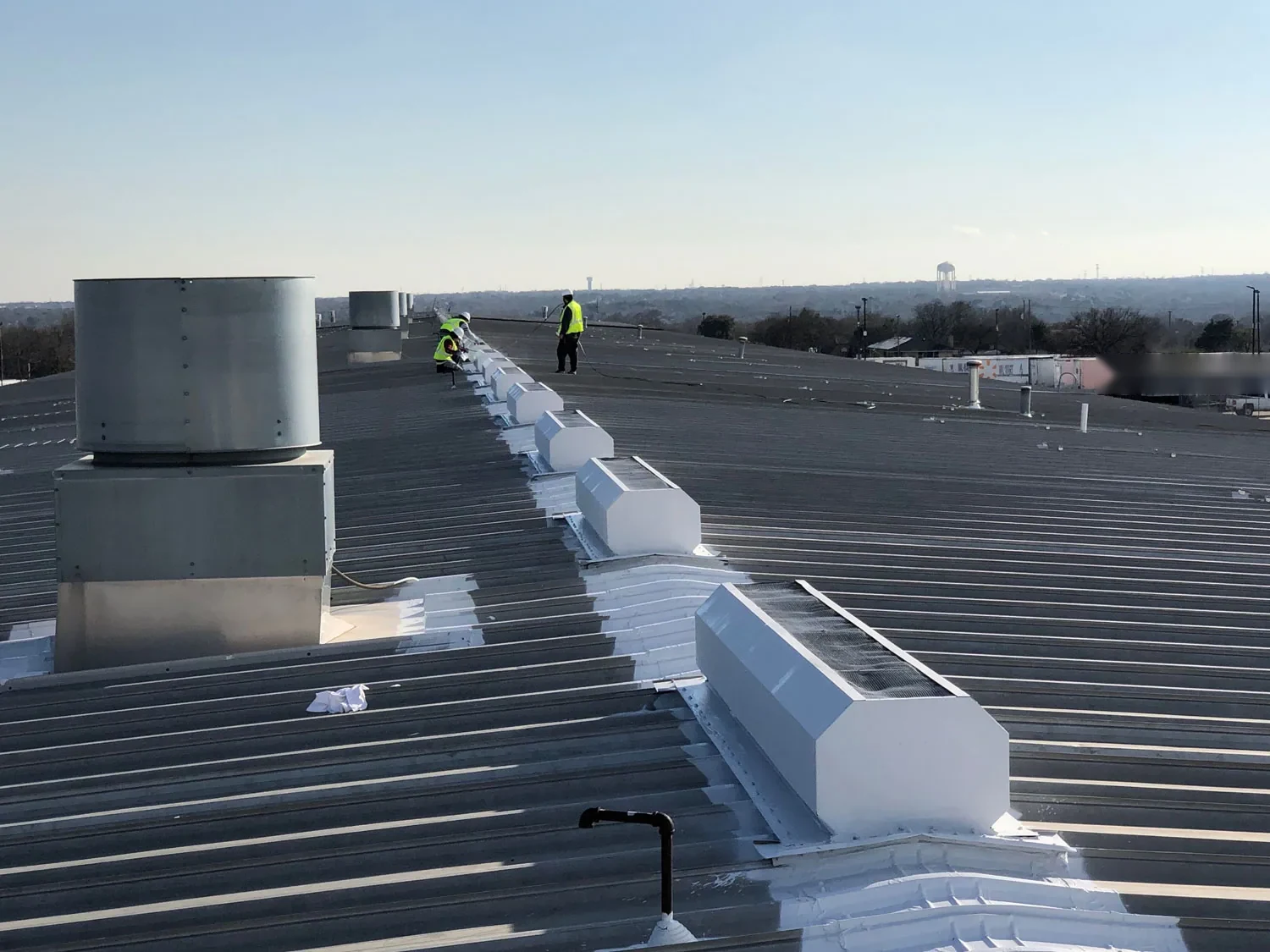
At ridge and eave lines, closures keep wind-driven moisture and debris from entering beneath the panels. At a penetration, the curb or boot must accommodate both the panel profile and movement. We check sealant condition, metal laps, attachment points, and signs of water staining below. A wet ceiling near a fastener is not proof that the fastener is the only entry point, so we compare the interior mark with the uphill panel path.
Metal-to-metal contact, incompatible metals, and damaged coatings can create corrosion sites that a surface patch will not solve. We inspect the finish, the condition of the substrate, and any dissimilar-metal transition before selecting a repair product. The owner receives photographs of the affected seam and surrounding field. A broader a condition inspection that traces the leak path can separate one failed curb from repeated panel movement or recurring edge issues.
Set Design Checks for the Menifee Site
City climate planning calls out more extreme-temperature days and a rise in average heat for inland, naturally dry Menifee. That makes movement observations worth recording, but a specific seam still has to be evaluated on the roof.
The code sheet adopted by Menifee lists several basic wind-speed categories and Exposure Category C, but a project still needs the correct risk category and site-specific criteria. The Northern Gateway Economic Development Corridor has a stronger industrial planning emphasis than the Scott Road corridor. Newport Road Economic Development Corridor planning supports neighborhood commercial activity. Those planning distinctions help describe property contexts, not roof construction. We review the building use and roof geometry before selecting attachment or perimeter work.
Match the Repair to the Panel Profile
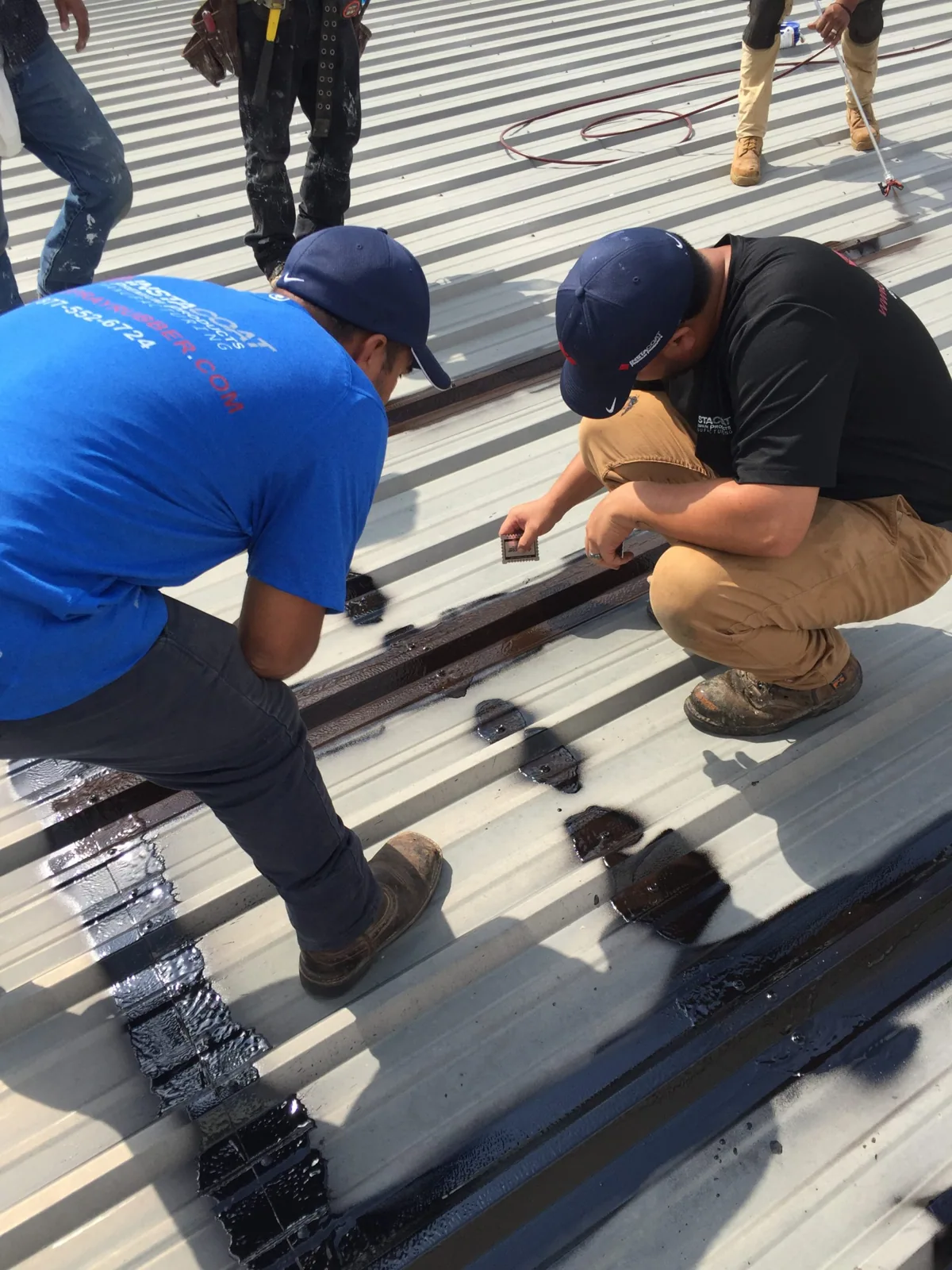
A loose clip, failed closure, or damaged panel seam each calls for a different repair. We identify the panel manufacturer or profile when possible, check whether replacement parts fit the installed geometry, and document any field modification. A sealant can assist at a designed flashing, but it is not a substitute for a seam or clip that carries movement and uplift forces. The scope names what is repaired and what remains unchanged.
If corrosion has thinned a panel or attachment has failed repeatedly, a local patch may not restore a reliable boundary. We can compare panel replacement, broader re-roofing, and repair while checking how each option meets the existing roof. A replacement of a damaged panel run may be relevant when the damage is spread across the field, but only after the substrate and edge conditions are confirmed. Keep the comparison tied to the observed failure, not a generic lifespan.
Plan Panel Runs and Perimeter Details
Panel layout begins with the actual roof dimensions, slope, framing, drainage, and the location of curbs and wall lines. Long runs need a movement strategy that matches the specified clips and panel profile. We document where panels terminate, where they cross a transition, and where trim turns around an edge. A planned seam location is easier to inspect than a field splice created to work around an unrecorded obstruction.
Installation records should identify the panel profile, clip type, fastener pattern, and compatible underlayment or separation layer. A detail schedule describes how ridge, eave, valley, curb, and wall connections close the assembly. On an occupied property, material lifts and fall-protection boundaries also affect when work can proceed. We sequence each run so the crew closes weather-exposed edges before moving to a new section.
Compare Repair and Replacement Boundaries
The owner needs to know whether failure is confined to one seam or tied to a repeated panel and attachment pattern. We map each damaged area, note how many similar details appear on the roof, and identify any concealed condition requiring a test opening. A repair proposal should include the compatible materials and the panel movement left available. A replacement proposal should explain how its edge and penetration details connect to the building.
For a facility in the Northern Gateway, a long roof run may make staging and panel handling central to the work plan; that is a project observation, not a claim about every industrial-zoned parcel. Newport Road has a different planned mix of commercial uses. We assess the actual site and compare sequencing with building hours. A a photo-backed roof condition report helps owners rank sections by evidence and urgency, without assuming all panels have the same condition.
Record the Next Seam Check
A maintenance record should show the panel run, seam locations, clip access points, penetrations, and any repaired finish. The next visit can compare those exact details for fresh movement, open closures, or coating damage. After severe wind or a significant roof event, a visual check should start at perimeters and transitions, then follow panel runs inward. Repeated observations can distinguish a recurring connection problem from an isolated impact.
Cleaning debris from valleys and keeping drains open protects the path away from the metal field, but drainage work must not alter panel attachments. Where a recurring leak begins near a curb, tie the inspection to a preventive maintenance plan that tracks repeat details and the connected flashing. The written log should note parts that were not accessible and when access can be arranged. That gives the facility director a practical next check instead of a blanket promise that the roof is sound.
If panel movement cannot be corrected with compatible parts, compare a a documented metal roof retrofit assembly or the field seam details in a TPO membrane comparison for a low-slope roof. Our site review can also include access planning for commercial and medical-office settings near McCall Boulevard commercial properties when the specific building is within an approved service area.
Commercial Roofing Questions
Why does a standing seam lift or distort?
The cause may be panel movement, a binding clip, a damaged rib, or a prior field repair. We follow the same panel run and inspect adjacent attachments before choosing a correction.
Can sealant repair a raised seam?
Sealant belongs only where the specified detail calls for it. A seam that no longer locks or a clip that prevents movement needs a repair matched to the installed profile.
What changes the wind attachment review?
Risk category, exposure, roof height, panel system, edge zones, and project documents all matter. Menifee code data is one input; the project design criteria must be confirmed.
How do you plan metal panel replacement?
We measure the existing run, identify profile and trim, map curbs and edges, and plan safe lifting and closure sequencing before removing exposed panels.
Related Roofing Work
Set the next roof check
Request a Roof Assessment
Arrange an inspection around site access and operating hours. We will map the roof condition, explain repair boundaries, and document the options that fit the assembly.
Service area
Menifee, Perris, Murrieta, Temecula, Hemet, Lake Elsinore and nearby Inland Empire communities
Quick contact
[email protected]
555-555-5555