
Commercial Roof Due Diligence Surveys in Menifee
Home / Roofing Capabilities / Commercial Roof Due Diligence Surveys in Menifee
A transaction survey is a time-limited snapshot, not a warranty or destructive investigation. The buyer or lender needs to know which roof areas were reached, what conditions were visible, and which assumptions could change the budget. We compare available plans and repair records with field observations, then identify urgent water concerns, near-term maintenance, and items needing further testing. The report separates estimated work from verified quantities.
Coordinate access early with the seller or property manager. A locked roof hatch, tenant schedule, equipment shutdown, or active construction can reduce coverage. Confirm whether destructive testing is authorized and who restores each opening. A commercial roof inspection can establish observable condition; transaction timelines should preserve room for follow-up when the assembly or moisture status remains unclear.
Scope And Access
Define the requested buildings, roof areas, access method, and decision deadline. Ask for roof plans, permits, warranty agreements, prior assessments, leak logs, invoices, and known tenant alterations. If square footage comes from a broker package or plan, state that source and whether it was field-verified. The survey should list areas not accessed, testing omitted, and weather or safety limitations.
A walkover is not a structural certification. If the deck appears deflected, corrosion is visible, or equipment loads are in question, refer the issue to an engineer. If moisture mapping is needed, identify a sampling plan and limitations. A buyer should know whether the reported condition applies to the visible surface only or has been tested through the assembly.
Field Review
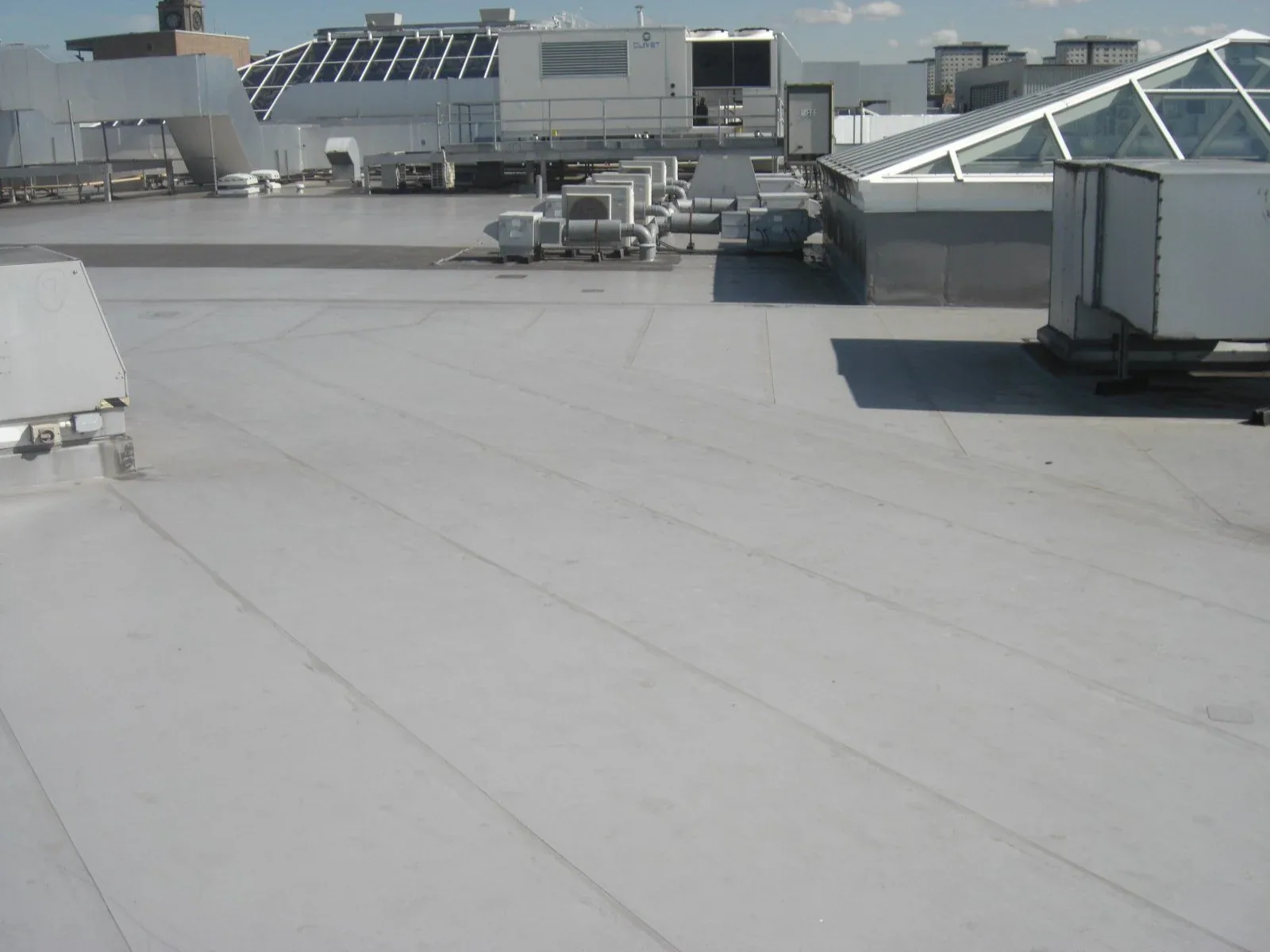
Inspect roof membrane, seams, flashings, terminations, drains, overflows, edge metal, equipment curbs, and visible patches. Note repair quality and whether dissimilar assemblies meet at an addition. Map each observation to a photo and location. Record ponding or debris as observed at the visit without inferring that it persists after all weather. If a leak report exists, match it to an interior area and roof features where possible.
Ask who maintains the roof, which contractor performed prior repairs, and whether a warranty issuer must inspect. Compare dates with visible materials but do not assign an installation age from appearance alone. A seller’s description can guide attention; it should remain identified as reported rather than independently verified. The condition report format gives a repeatable record for the transaction file.
Budget Assumptions
Separate immediate leak control, maintenance, repair, restoration, and replacement assumptions. For each recommendation, state the roof area, quantity source, work type, access, and unknowns. If concealed wet insulation or deck condition may change the scope, provide a range or unit-price assumption instead of a fixed promise. List interior finishes, mechanical work, hazardous-material review, and structural services as excluded unless expressly included.
A buyer can then adjust its capital model based on the known scope and uncertainty. Do not treat a rough estimate as a contractor bid or final price. If the sale agreement requires a repair credit or completion, the parties should define acceptance criteria and a deadline. Capital planning can use the survey’s findings while preserving transaction assumptions.
Risk And Priorities
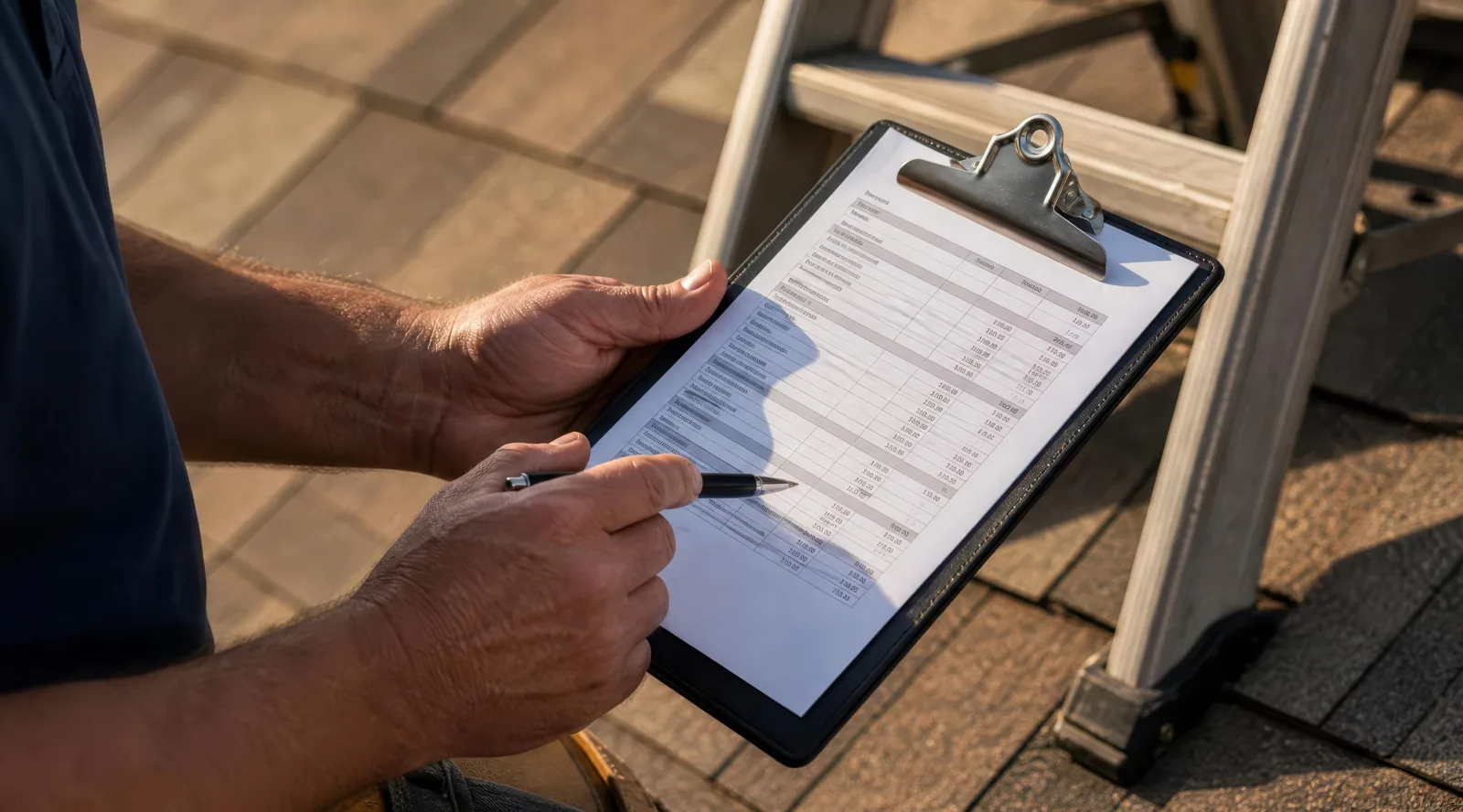
Prioritize active water, safety, access, and repairability before long-range replacement planning. A roof with a small verified flashing opening may need prompt repair; an inaccessible area requires follow-up rather than a favorable rating. Explain the basis for each priority and confidence level. If two buildings have similar age but different moisture, drainage, or patch history, do not combine their findings into one portfolio assumption.
A lender or buyer may request a short executive summary. Keep it tied to the technical report, using direct language for critical conditions and a link or attachment for supporting photos. Avoid collapsing unresolved tests into a single “good/fair/poor” label. A major open question should remain visible before closing if it could affect scope, access, or near-term capital.
Menifee Context
The City’s 2026 strategy describes commercial and industrial development themes at publication; that dated planning context is not a current inventory of transaction properties or roof systems. Temecula and Northern Gateway Economic Development Corridor are geographic references only; neither proves the identity or condition of the asset under review.
For a Menifee transaction, confirm parcel, owner, tenant permissions, permit history, and project criteria with the responsible parties. Community Core Economic Development Corridor and Southern Gateway Economic Development Corridor are broad land-use names, not a survey result or contractor boundary. An on-site roof review remains the basis for the condition summary.
Follow Up
A follow-up list should identify the party who can authorize each next step: access restoration, moisture testing, engineering review, warranty inquiry, or a repair estimate. State the expected lead time only after confirming availability. If the transaction closes before a test, assign responsibility in the deal documents rather than letting the open item disappear.
When a second visit occurs, reuse the same roof map and photo labels. Record what changed and what the new test establishes. Preserve the original survey because it reflects the earlier condition and access window. A follow-up that finds new damage should update the decision record without overwriting the initial snapshot.
Handoff
The buyer receives the dated report, marked roof plans, photo index, document list, assumptions, exclusions, and unresolved conditions. Include warranty copies when provided, but state whether transfer or coverage was confirmed. If the seller restricted access, name the affected area and propose a practical reinspection after permission is granted.
A transaction survey helps a buyer ask better questions; it cannot establish that every concealed defect is absent or predict a fixed service life. Keep the next inspection and capital decision linked to the evidence. That gives the new owner a clean starting file after transfer.
Transaction files may need separate review of warranty transfer questions; roof record organization; Northern Gateway planning context.
A transaction team should keep the report date visible in any executive summary because conditions can change between inspection and closing. If rain occurs, a tenant reports a leak, or another contractor performs work after the survey, the buyer may need a focused update. A dated snapshot should not be presented as a post-event assessment.
For cost planning, distinguish measured quantities from allowances. A visual estimate may identify likely membrane replacement while leaving substrate depth unknown. The buyer can request a test opening if access and transaction terms permit. Document who restores the test area, whether the seller may observe, and how findings affect the follow-up estimate.
When a seller supplies a roof warranty, compare the covered-area map with the inspected building. Ask whether previous additions or equipment changes were approved and whether transfer requires a fee or written consent. Until the issuer responds, list transferability as unconfirmed rather than assigning it a value in the deal model.
Before close, confirm whether a more recent tenant repair, equipment installation, or weather event changed the inspected roof. If so, request a targeted update that names the affected zone and records who authorized access. Keep the earlier survey in the transaction file so the buyer can distinguish the original observations from a later repair or test.
Commercial Roofing Questions
Is a transaction survey destructive?
Not unless the owner authorizes testing. The report lists whether openings or moisture tests occurred.
What if the seller limits access?
Name the unvisited area and recommend a reinspection after permission is available.
Can the survey predict a fixed roof life?
No. It describes observed condition and assumptions at the inspection date.
Are preliminary cost figures bid prices?
No. They support planning and state quantities, access, exclusions, and unknowns.
Should warranty transfer be assumed?
No. Ask the issuer and retain written confirmation for the transaction file.
Related Roofing Work
Arrange a commercial roof review
Request a Roof Assessment
Share the property records and operating needs. We can document roof conditions, identify open questions, and provide a practical next step for the facilities team.
Service area
Menifee, Perris, Murrieta, Temecula, Hemet, Lake Elsinore and nearby Inland Empire communities
Quick contact
[email protected]
555-555-5555