
Commercial Roofing in Wildomar, CA
Home / Service Areas / Commercial Roofing in Wildomar, CA
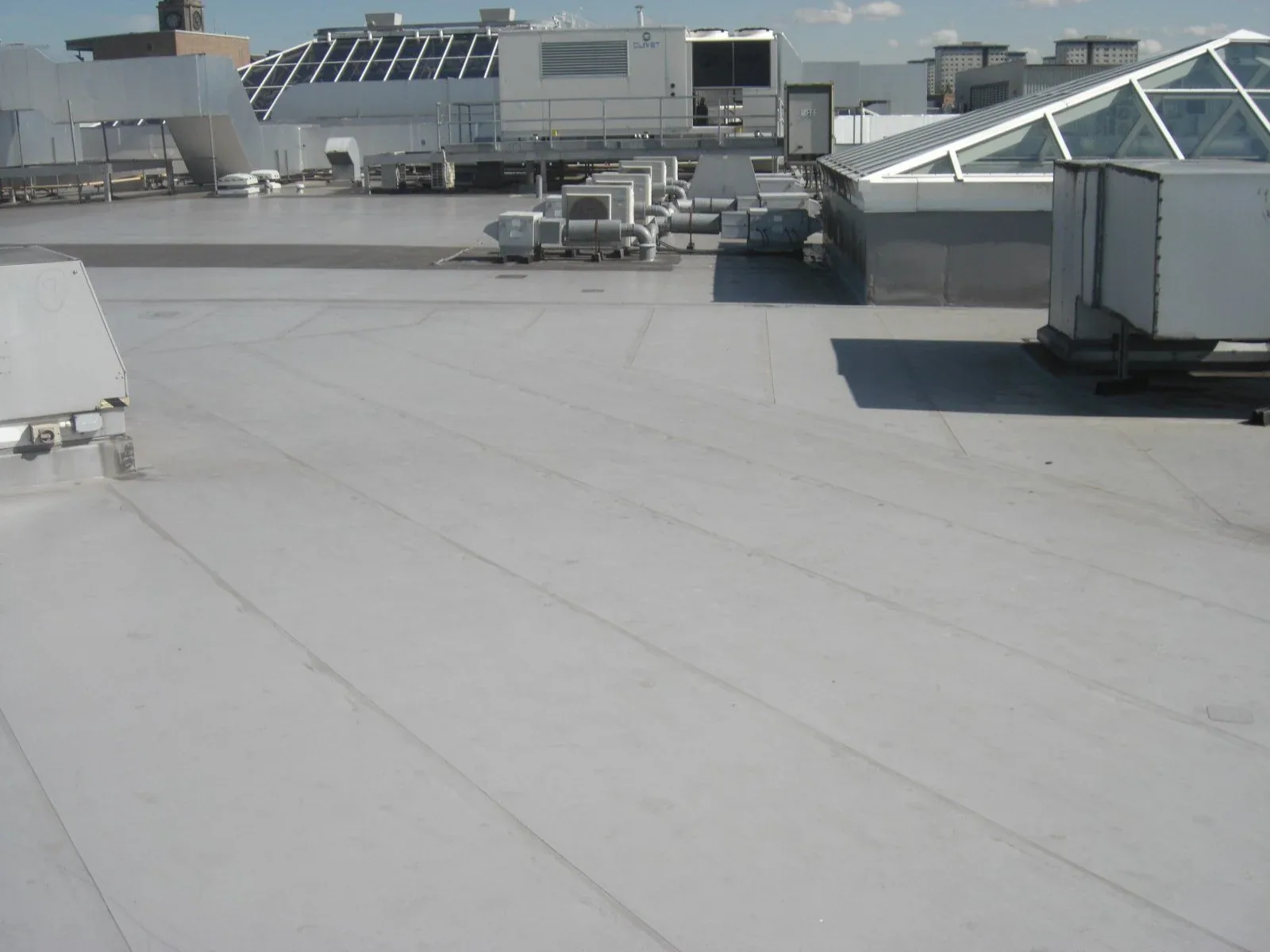
A lifted seam near a rooftop curb can look small while water travels beneath the membrane toward a wall or ceiling. In Wildomar, the first useful step is to mark the detail, inspect the roof surface around it, and follow the drainage path before choosing a patch. We compare the visible defect with the substrate, flashing and nearby penetrations, then separate the active repair from any broader wear that needs a second visit.
Wildomar's planning and economic-development tools also make land use and project status easier to review. That context matters when roof work touches active development or a changed use, but it does not tell us how a particular assembly is performing. A written field record ties the building's actual surface condition to a repair boundary, access window and next check.
Trace the water route before opening the roof
A ceiling mark is only the last visible point in a longer path. Water may enter at a lap, pipe boot, curb corner or edge termination, then move along insulation or deck before appearing inside. We begin above the stain, note slope and drain locations, and inspect seams that could carry water away from the entry point. If several details are close together, the report identifies which ones were checked and which remain outside the repair area.
The building owner gets a clearer decision when the suspected entry point is compared with interior evidence. We photograph the surface, record wet or displaced materials where accessible, and distinguish a confirmed opening from an area that only looks worn. When the roof supports active business use, the inspection plan can include an infrared moisture survey alongside hands-on checks. That combination helps decide whether repair can stay local or needs a broader scope.
Read the seam and substrate together
An exposed seam can be dirty, weathered or separated, and those conditions call for different work. We check whether the membrane edges remain bonded, whether movement has pulled at a termination, and whether the surface beneath the seam feels firm. On an older repair, we look for a layered patch that traps water or hides a split. The Diligence Notes records the exact roof feature and the condition around it, rather than treating every discoloration as a leak.
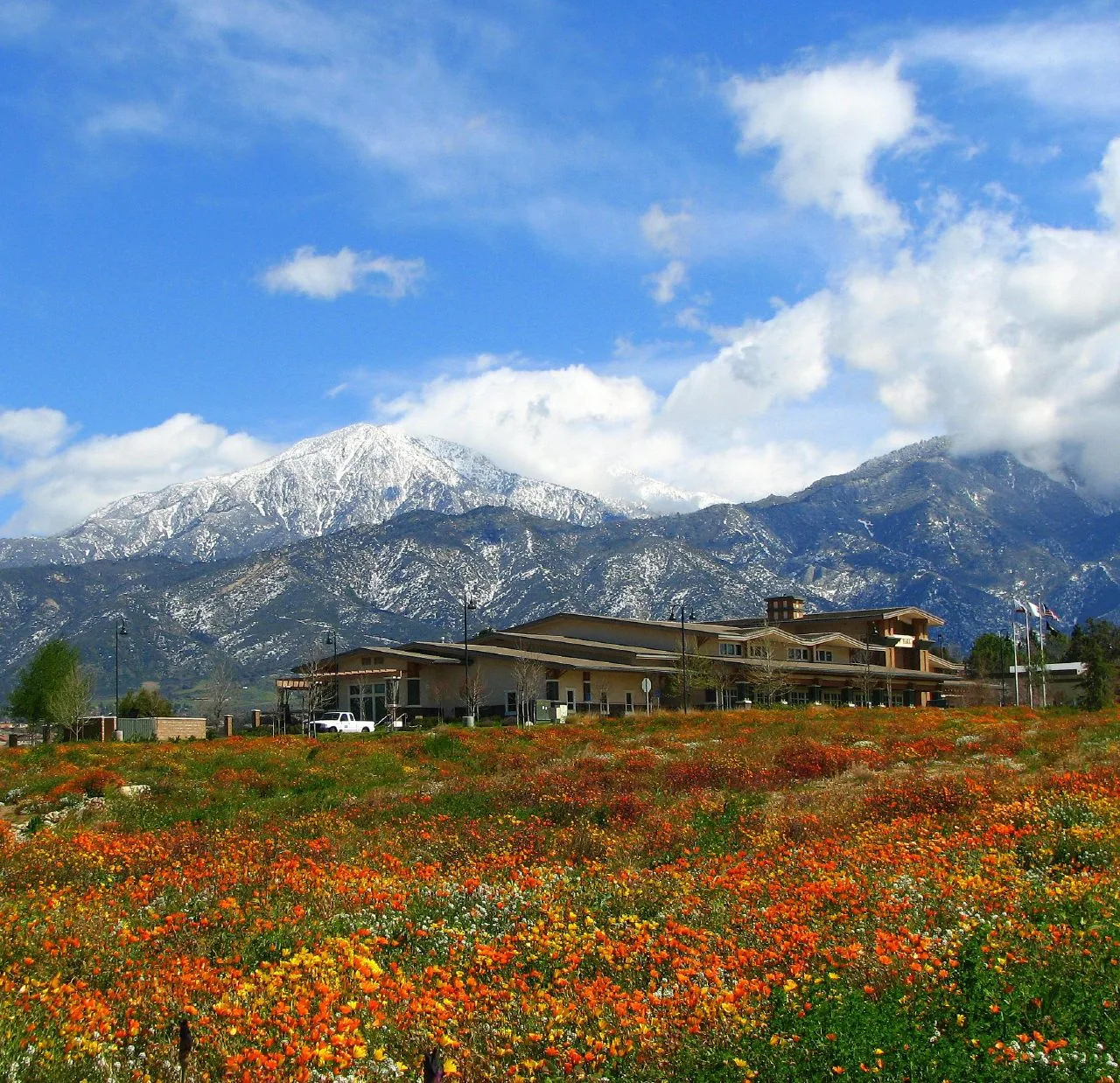
Wildomar's planning division provides parcel-level zoning and land-use information, so facility teams can confirm the allowed uses and development standards tied to a parcel. That is useful when a planned tenant change affects rooftop equipment, exhaust or access. If those details enter the scope, we mark them before a crew arrives. A separate commercial roof inspection can establish a baseline for the whole roof, while a smaller repair visit can stay focused on a known leak.
Set a repair boundary the roof can support
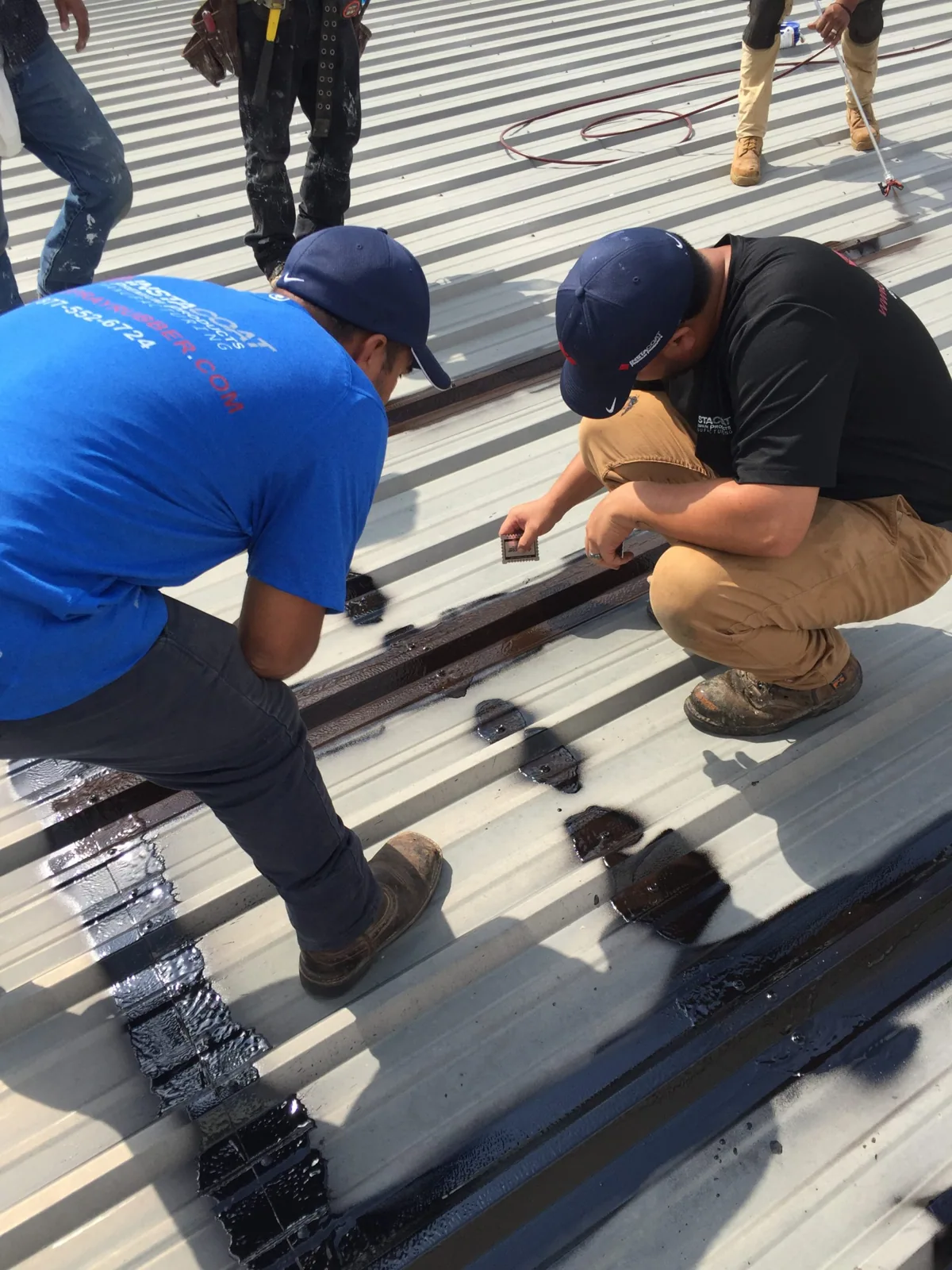
A repair should stop where sound material begins, not at an arbitrary patch size. We clean and prepare the affected area, identify the membrane and flashing type, and check whether the substrate can take a new bond. If damp material extends beneath the sheet or a deck seam, a top-layer seal can leave the entry path in place.
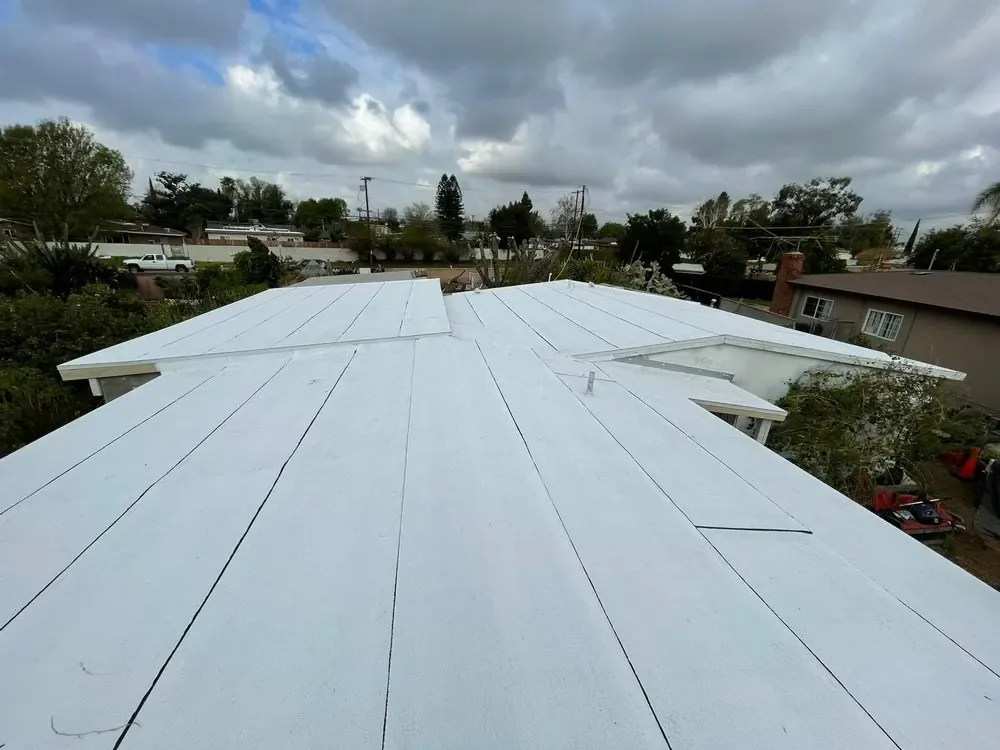
Where wear is limited and the assembly remains compatible, a localized membrane repair may keep the roof in service. Repeated seam failure, widespread wet insulation or brittle details can point toward replacement or recovery after moisture and code constraints are reviewed. A compatible TPO roof system is one option for some low-slope buildings, but selection depends on the existing assembly, drainage, attachment and expected rooftop use. We explain the practical differences before material is specified.
Use development records without guessing at the roof
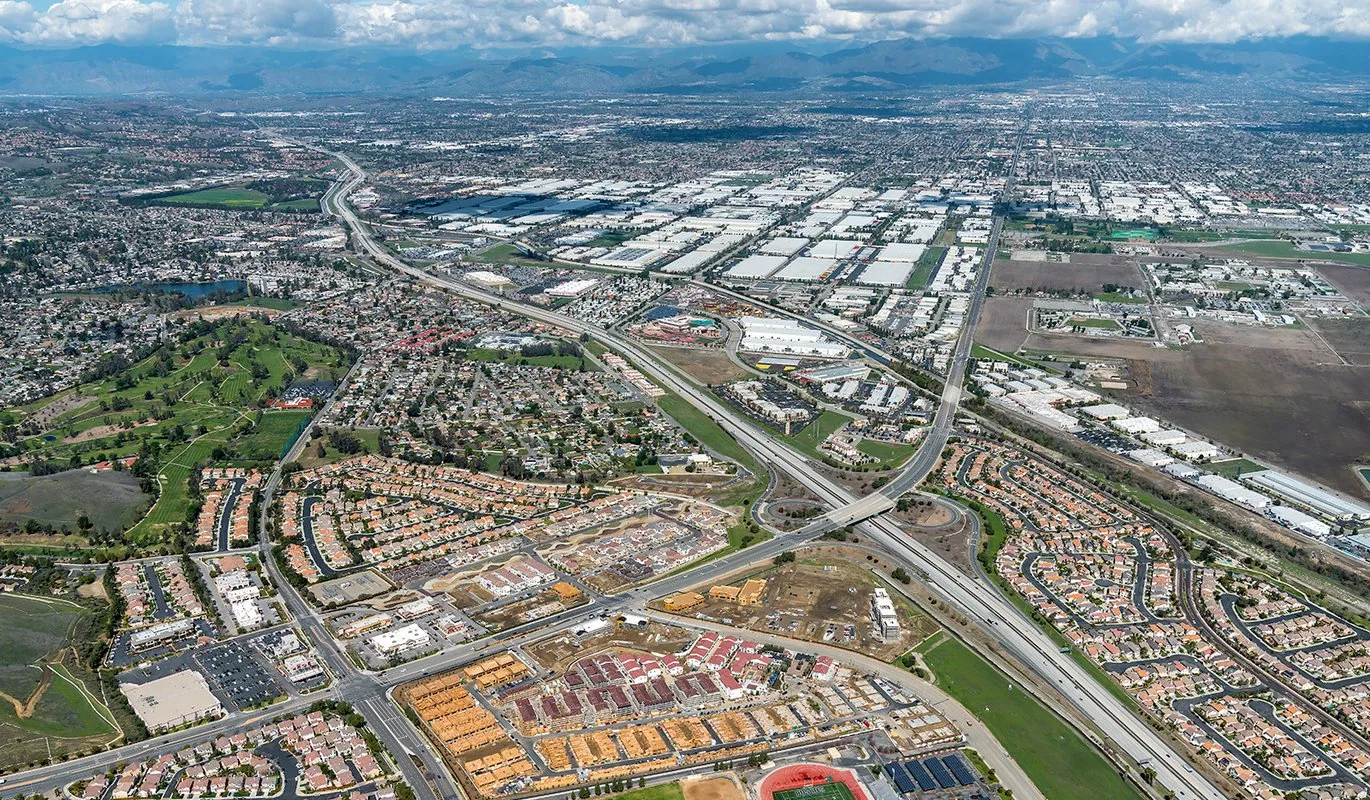
Wildomar publishes current development project information, including processing, permitted and construction status, and makes project plans available through its public tools. That can help a property manager understand whether nearby site changes may affect deliveries or access scheduling. It is not evidence of a particular roof type or completed building. We connect local context to the work only when it changes roof access, equipment coordination or the timing of an inspection.
Menifee's city plan links its inland, dry setting with hotter average conditions and more frequent extreme-heat days. That gives us a regional clue for safe rooftop scheduling; on a Wildomar building, the surface, seam edges and exposed flashing still determine what needs attention. A morning access window may be more practical when the surface is hot, while a documented reading and photos make later comparisons useful. The condition report records what the roof shows on the visit date.
Protect the operating day
Before work starts, we confirm the access point, roof hatch or ladder arrangement, tenant hours, rooftop equipment, and any area that needs to remain clear. The crew can stage materials away from drains and keep the repair path separated from active mechanical service. If the building cannot pause operations, we divide the roof into manageable work zones and keep the site contact informed when movement or noise will shift to another section.
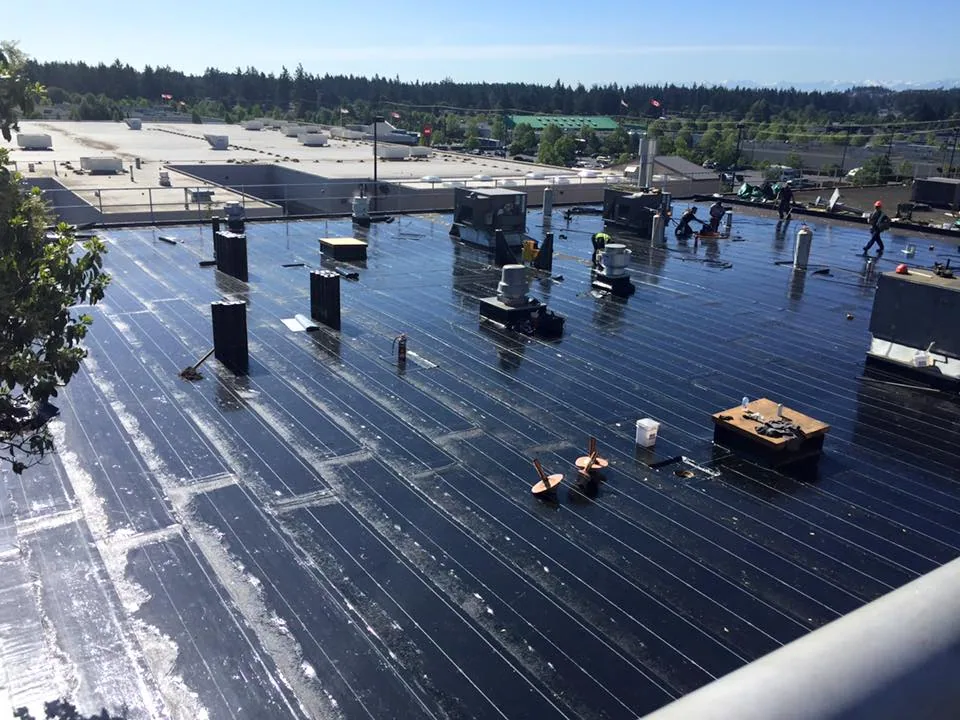
A repair that crosses a delivery path or a tenant's exhaust area needs a different sequence from one over a closed storage room. We plan around the building's use and note any equipment shutdown or escort requirement in the work plan. The same discipline helps a larger occupied-building reroof proceed without turning a roof decision into an operations surprise. After each work area is complete, we photograph the detail and keep debris clear of the drainage route.
Compare cost and timing by condition
Price is driven by what must be removed, how far the repair extends, whether insulation is wet, the height and access of the building, and how much rooftop equipment must be protected or moved. A small patch may be a poor value if a second failure sits beside it. A full replacement can be premature if the membrane and substrate remain sound. We document the visible condition first, then lay out the work options and the facts that change labor, material and schedule.
Wildomar's economic-development department describes site-selection support that can help identify utility, land-use, permitting and regulatory considerations early in a development process. For a roofing project, that local administrative context matters when a larger scope intersects with project approvals or a changing property use. It does not replace a roof inspection. The owner still needs photos, moisture findings, a defined repair boundary and a date to revisit any area that was not opened during the initial work.
Leave a useful roof record
A good record makes the next decision faster. We list the roof area, material visible at the surface, the detail inspected, the repair performed, and any limits on what was accessible. Photos are labeled by roof zone so a facility director can compare a later stain or seam change to the same location. If an area remains dry and stable, the report says what observation supports that conclusion and when the next check should occur.
For a neighboring property team, commercial roofing in Canyon Lake and roof work in Perris can involve different access and use patterns, while the repair method still begins with the actual assembly. Wildomar owners can also keep their maintenance file connected to a photo condition report and a preventive maintenance visit. That record gives the next inspection a clear starting point.
Commercial Roofing Questions
Where should an inspection begin when a ceiling stain is far from the roof opening?
We inspect the roof above the room, then check seams, penetrations and drains that could carry water sideways. Photos connect the stain to the likely entry point. The repair boundary follows roof evidence.
Can a small seam repair be done without replacing the whole roof?
If the membrane is compatible, the substrate sound and moisture local, a patch may be enough. We test those conditions, then compare a spot repair with any broader work supported by the roof.
What should the facility team prepare before a roof visit?
Share access hours, hatch or ladder rules, active equipment and the room where water appeared. We can coordinate tenant or service access before the inspection.
How does nearby development affect roofing work?
Project activity can change deliveries, access or equipment plans. Wildomar publishes project status information; we confirm building and roof conditions before setting scope.
What stays in the written report?
The report includes photos, inspected details, membrane and flashing observations, accessible moisture findings, completed work and a date for the next check.
Related Roofing Work
Set a roof inspection window
Request a Roof Assessment
Tell us how the building operates and when roof access is available. We will inspect the surface, seams, penetrations, drainage and substrate, then provide photos, a repair boundary and practical next steps.
Service area
Menifee, Perris, Murrieta, Temecula, Hemet, Lake Elsinore and nearby Inland Empire communities
Quick contact
[email protected]
555-555-5555