
Distribution Center Roofing in Menifee
Home / Property Types We Roof / Distribution Center Roofing in Menifee
A leak over a picking line can interrupt inventory handling before the roof defect is visible from the floor. Distribution centers often organize work around doors, conveyor routes, staging lanes, and shifts, so the repair plan needs an operations map as well as a roof map. We identify the water route, roof area, and access window, then divide the work into zones that can be protected and handed back.
The assembly may contain membrane, insulation, metal deck, drains, and equipment curbs, but we confirm those layers in the field instead of assuming them from the building label. A proposal names the failed detail, the boundary of removal, and the transition into retained material. That gives an owner a way to compare repair, recover, and replacement options against the same operating constraints.
Protect the Flow of Goods
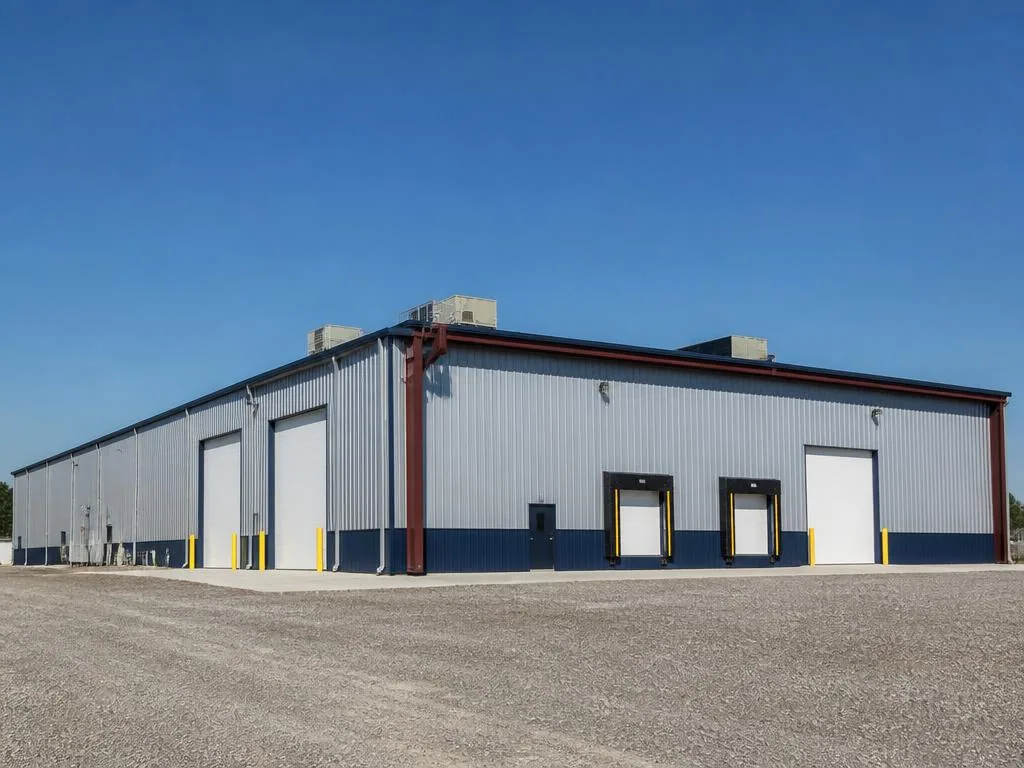
Roof work can interfere with a loading door even when the leak is on the opposite side of the building. Material delivery, lifts, debris removal, and fall-protection lines must be placed in relation to trailer movements and pedestrian paths. We meet the facility contact to identify critical doors, peak shifts, and routes that cannot be blocked. The plan notes what changes if a truck schedule or weather window shifts.
Interior protection is equally specific. We identify sensitive inventory, production equipment, and active picking zones beneath the roof area. A temporary barrier or a phased repair may protect product while keeping other lanes active. If a test opening is needed, the owner knows where it will occur and how it will be closed before the next shift.

Trace Water Across the Building
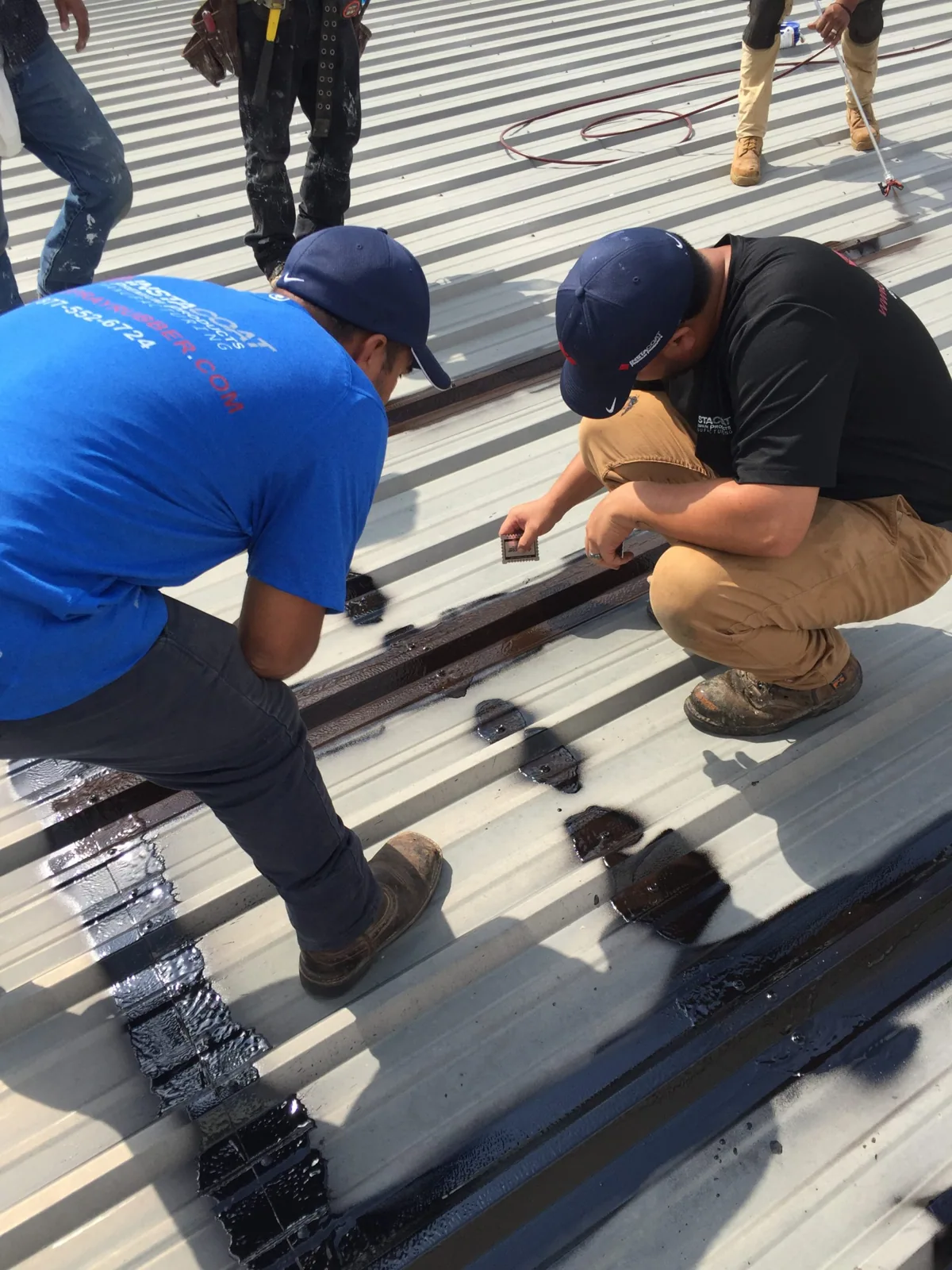
A stain can emerge downstream from a seam, skylight, or drain, particularly where the deck profile or insulation joint directs water. We mark the interior evidence and compare it with roof penetrations, panel laps, and drainage. Thermal imaging can narrow an investigation but does not identify every leak by itself. A test opening or close visual check may be needed to confirm whether insulation is wet.
The inspection separates an active opening from a broader roof condition. We check whether the membrane is attached around the affected bay and whether similar details have failed elsewhere. If the roof is a single-ply system, a condition inspection should record seams, edges, drains, and repair history before a patch is specified. The written scope states which evidence supports each work area.
Use the Industrial Context Carefully
Menifee’s 2026 economic strategy describes logistics, manufacturing, and distribution as emerging sectors associated with new industrial development. It also records that several industrial buildings were under construction or had recently completed entitlement at the time of that strategy. That is planning context, not confirmation that a specific center is operating or what it contains. We verify the building, roof, and current shift schedule directly.
The Northern Gateway Economic Development Corridor is planned with a stronger industrial emphasis than the Scott Road corridor, while Newport Road Economic Development Corridor planning focuses on neighborhood-serving commercial uses. A facility in the Northern Gateway may have different delivery access than a commercial property near Newport Road, but the address and operator determine the work plan.
Inspect Drainage and Equipment Routes
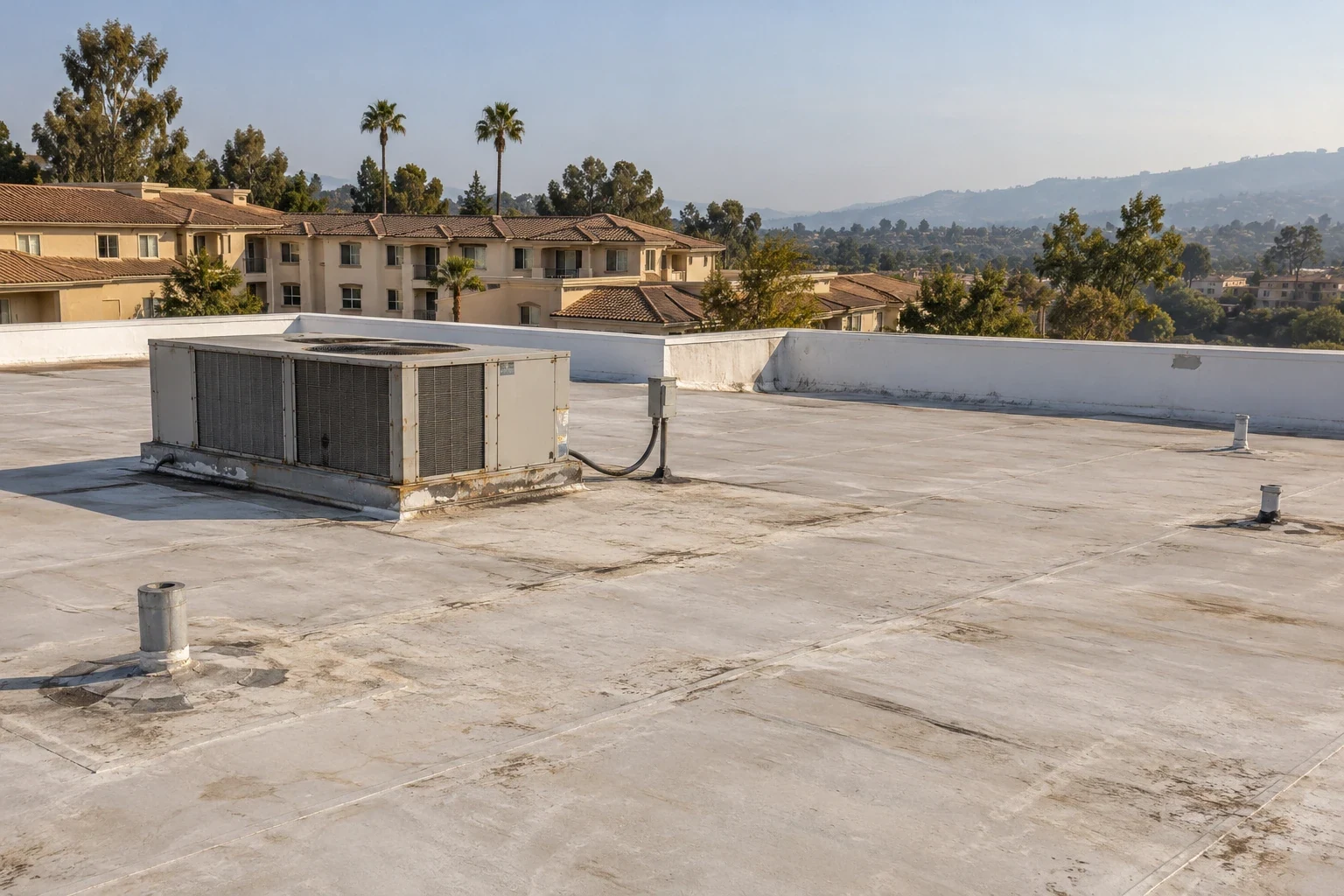
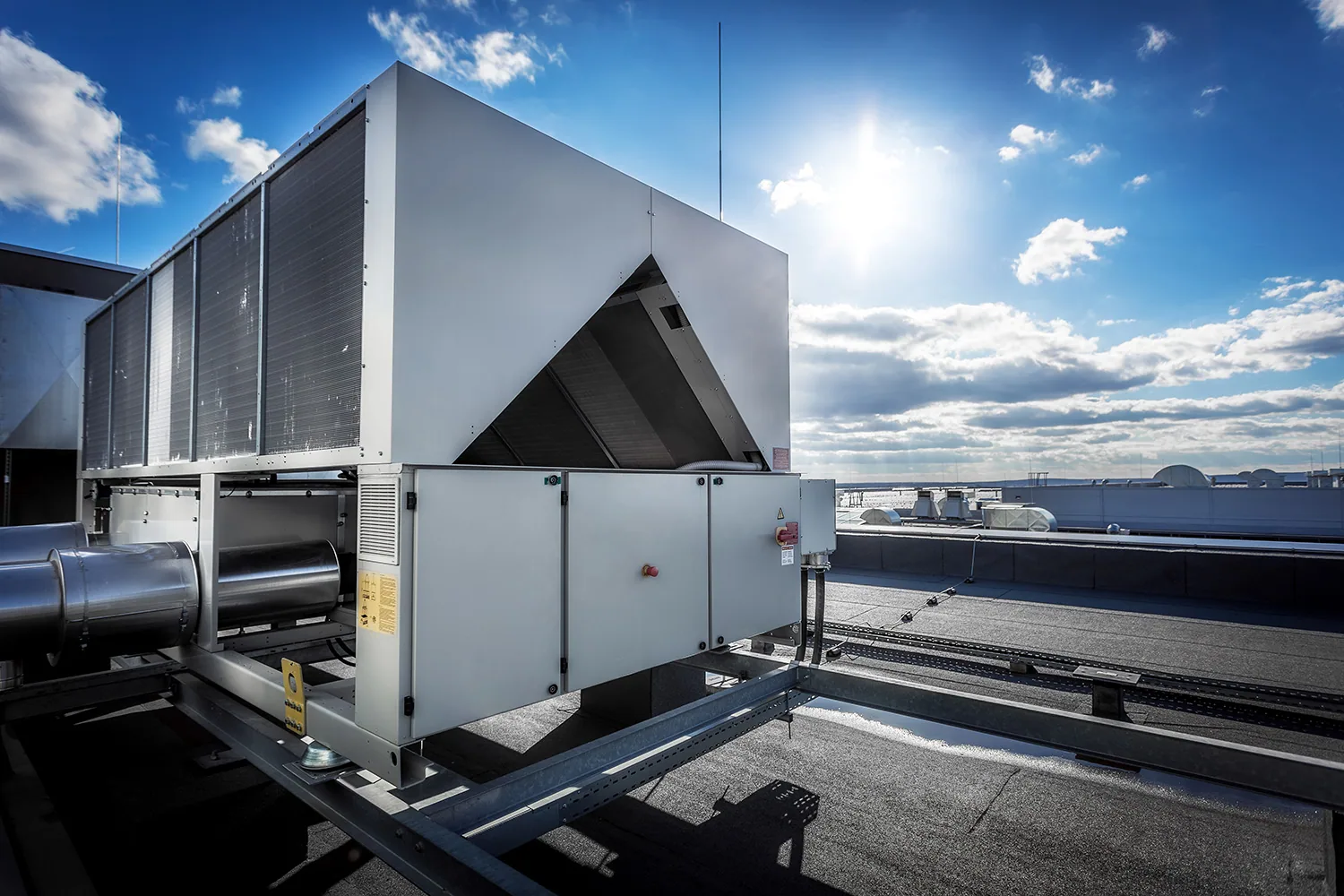
A distribution roof can carry exhaust fans, mechanical units, skylights, solar supports, and conduit in a grid that affects safe access. We map the equipment before selecting a path to the repair. At each drain, we check the bowl, flange, overflow, and nearby slope; a coating or membrane patch cannot clear an obstructed outlet. At each curb, we inspect flashing, fasteners, and movement around the opening.
Where rooftop service traffic has worn a path, we note the condition and identify a protected route for trades. Equipment replacements may have changed curb dimensions since the original roof work. A curb and penetration flashing scope should address both the new equipment footprint and the roof system, not rely on sealant alone.
Choose the Repair Boundary
A single failed seam can support a focused repair if adjacent membrane and insulation remain stable. Repeated failures across a bay may point to attachment or moisture issues that require testing beyond the visible stain. We explain what is confirmed, what remains concealed, and what would change the amount of removal. This gives the owner a reasoned boundary and a way to schedule the next inspection if the rest of the field remains in place.
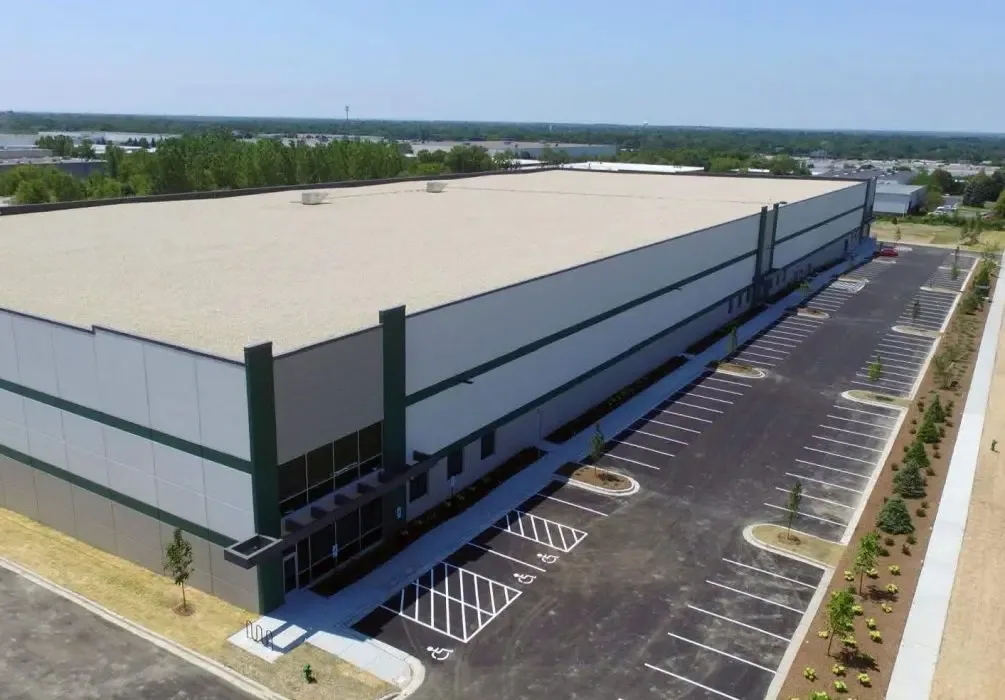
When a larger project is needed, a replacement scope should identify new drain and edge details, staging, phased work, and zone handback. A warehouse roof plan and a cold-storage roof review may share access issues, but the specific equipment and operating conditions drive the detail.
Set Shift-Level Controls
We divide the roof into areas with a clear start point, safe edge, and weatherproof stop condition. The schedule identifies lifts, material storage, debris routes, and hours when interior work or shipping must pause. Where hot work is specified, fire controls and designated watch responsibilities are built into the day plan. A status update tells the manager which doors or roof zones are affected before a shift begins.
Each daily log records completed seams, open edges, temporary protection, and test results. If the next shift is delayed, the log gives a precise restart point rather than a general note that work is incomplete. At closeout, the manager receives a roof plan tied to the distribution operation, with access restrictions and maintenance follow-up clearly marked.
Compare Cost and Timing Drivers
The amount of wet insulation, number of drains and curbs, access distance, lift requirements, debris handling, and shift windows all affect cost and timing. We list those drivers separately so an owner can see why a repair allowance differs from a full reroof. If testing may expand the removal area, the proposal states that condition before work begins.
For long-term planning, a photo-backed condition report and capital plan by roof zone can show which work is immediate and which can be monitored. The Menifee CEDS places economic corridors along Interstate 215, but those planning lines do not prove a particular facility’s access or condition. A maintenance visit should follow the actual route and prior findings.
The closeout map records the leak origin if confirmed, repair materials, adjacent details, test points, and any area that could not be opened. It also notes which rooftop access points were returned to normal use. A later leak investigation can compare the new mark with the completed work and avoid reopening an unrelated area. The facility team can store the report with shift and equipment records.
A roof program is more useful when observations recur at the same locations. We check drains, penetrations, and repair edges on the next visit, then update the map if equipment has moved or a new curb has been added. Where a proposal references a TPO seam, the record should identify the actual installed system rather than infer it from age or appearance.
Where inventory needs tighter temperature control, compare the zone handoff in cold-storage roof moisture and temperature controls and maintenance records from preventive roof maintenance with repeat inspection points. A facility near the McCall Boulevard Economic Development Corridor still needs an address-level roof survey before work is scheduled.
Commercial Roofing Questions
How do you keep loading doors open during roof work?
We plan lifts, debris routes, and active roof zones with the facility contact, then identify doors or lanes that need temporary controls before the shift starts.
Can infrared scanning find the entire leak?
It can help locate thermal differences, but the findings need comparison with visible roof conditions and, where appropriate, test openings. We record what the scan can and cannot confirm.
What if the roof has several similar leaks?
We map each location and compare seams, drains, and moisture evidence. Repeated defects can point to a wider boundary, but we verify the conditions before expanding the scope.
What does a phased reroof handback include?
Each zone has a recorded completion state, protected edge, access status, completed details, and remaining items so operations know what can return to normal use.
Related Roofing Work
Arrange a roof condition review
Request a Roof Assessment
Set an inspection around building access and operating hours. We will map the roof condition, explain repair boundaries, and document the options that fit the assembly.
Service area
Menifee, Perris, Murrieta, Temecula, Hemet, Lake Elsinore and nearby Inland Empire communities
Quick contact
[email protected]
555-555-5555