Commercial Roof Leak Repair in Menifee, CA
Home / Commercial Roofing Services / Commercial Roof Leak Repair in Menifee, CA
A wet ceiling tile is the last visible step in a longer water route. The entry may be at an open lap, a curb, a wall transition, or a drain that cannot move water away. We start with the interior report, then check the roof above and nearby for the first weak point. Menifee's inland, dry climate and changing temperature risk make exposed seams and edge details worth reviewing, but a leak diagnosis comes from the building's actual roof. A field visit leaves the facility director with photos, the likely entry path, immediate water-control options, and a clear statement of what still needs to be checked.
Follow the route from room to roof
Water can run along insulation, deck flutes, or a seam before it reaches a room. We note when the leak appears, what activity preceded it, and whether several interior areas are involved. At the roof, we check nearby drains, penetrations, wall flashings, laps, and previous patches. One stain does not define the repair area. We mark likely source and travel path separately so the owner can approve a focused correction without treating a guess as a finding. When active entry requires an immediate response, emergency roof repair can prioritize safe water control and the next inspection step.
Check the detail above the water mark
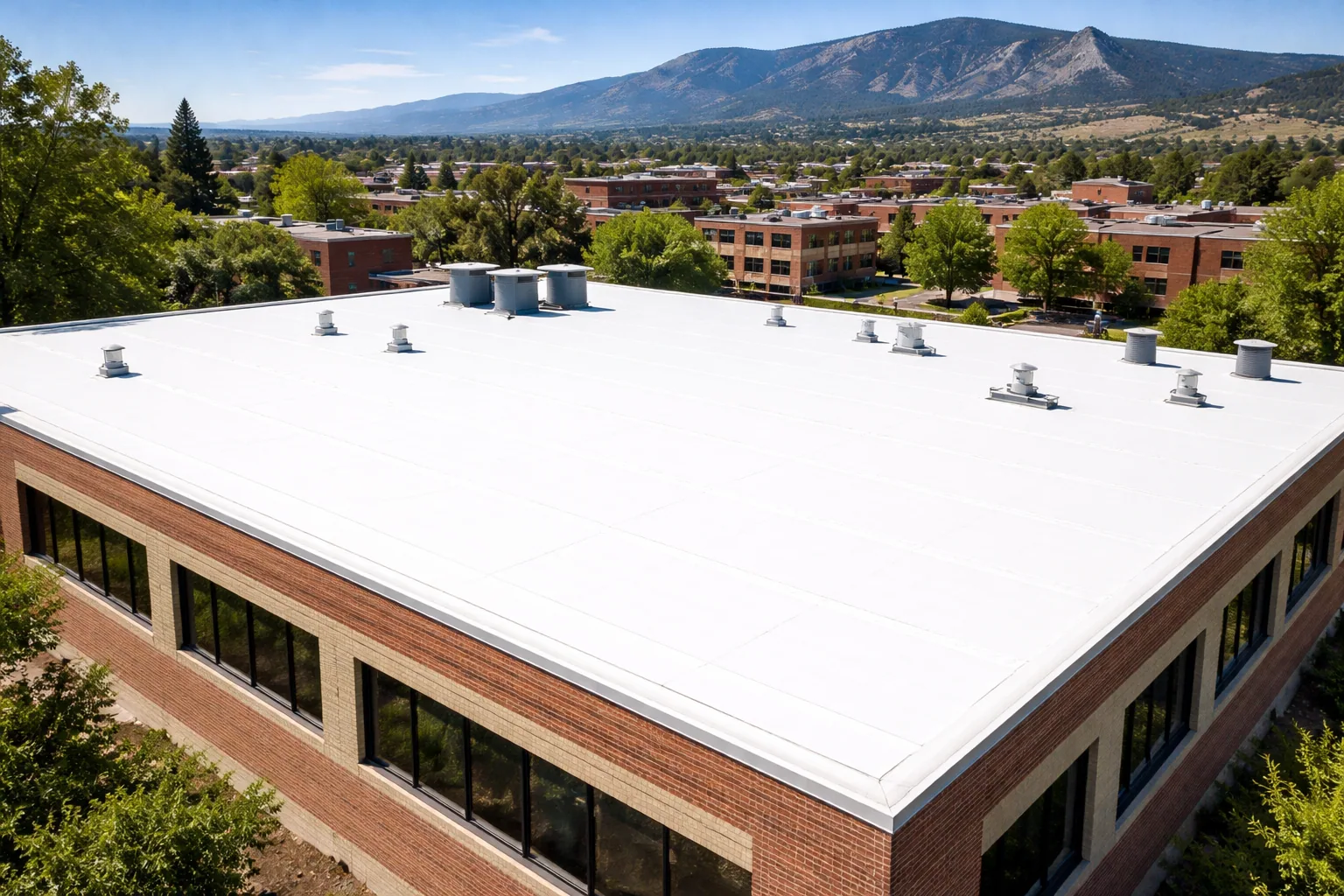
The roof system changes how a leak should be repaired. We identify the membrane or metal, then inspect its seams and transitions for separation, punctures, lifted flashing, or loose fasteners. A curb may require rebuilding the flashing while the field membrane remains serviceable. A drain leak may start at the bowl, clamp ring, or surrounding membrane. We inspect the assembly before choosing materials, because a patch that does not bond can fail beside the original opening. If several details may be involved, a commercial roof inspection creates a wider condition record. The walk also checks whether the visible defect is near a change in roof height or material. Water may follow a wall, deck flute, or insulation seam, so we do not limit the inspection to the point directly above a ceiling tile. We take photos from a repeatable position and label the roof zone. If access prevents a full view, the report says which area remains outside the inspection and what would make a second visit useful.
Separate urgent control from permanent repair
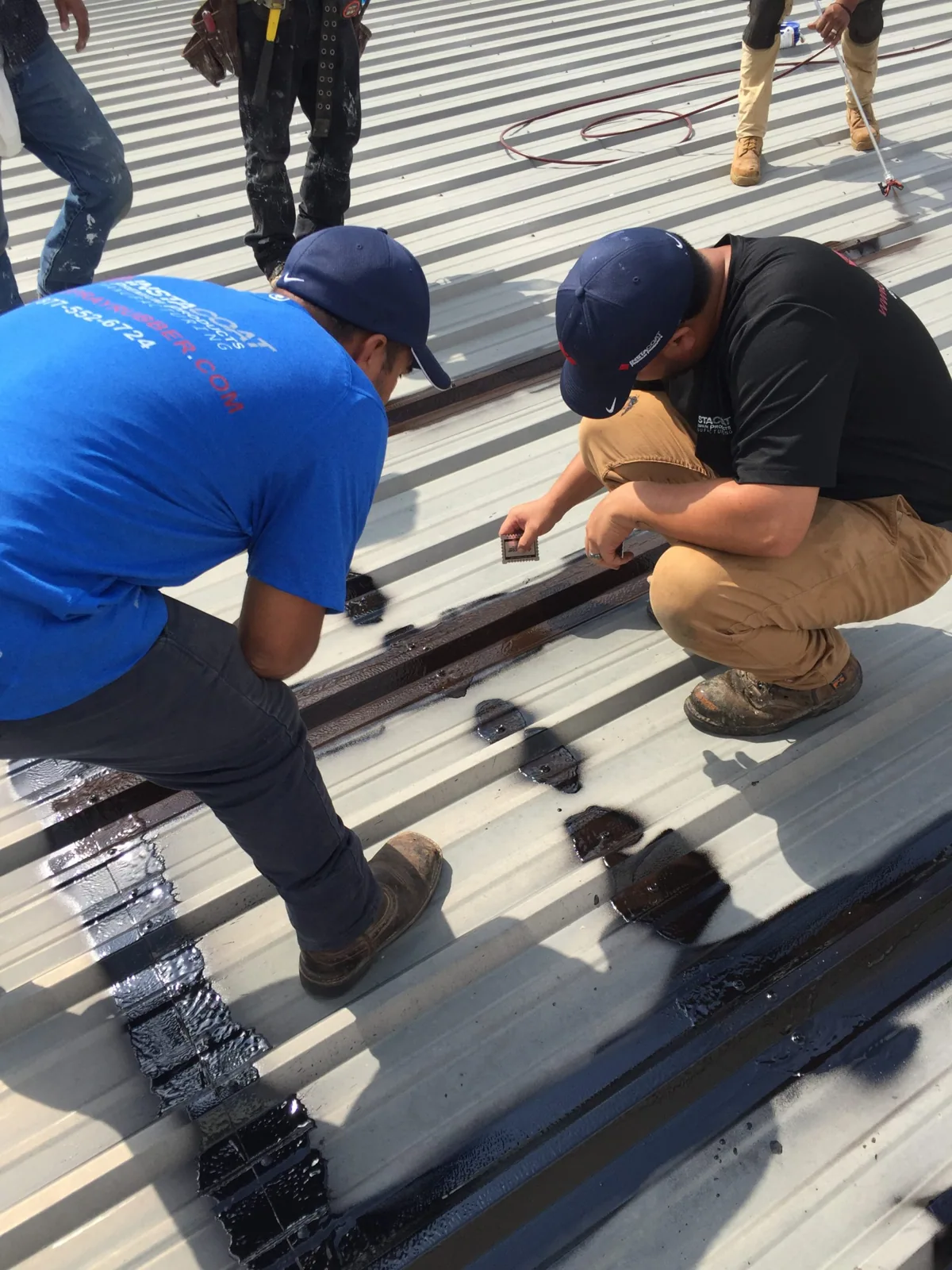
Temporary protection can reduce interior exposure while a permanent detail is prepared, but the two scopes are different. We state where temporary coverage ends, what it protects, and when the roof should be revisited. A permanent repair requires sound substrate, compatible material, proper preparation, and an edge that can remain sealed. If rain is still reaching the building, we also discuss safe interior protection and how staff can report new water without entering an unsafe space. A commercial roof repair can correct a bounded failure; repeated leaks across zones call for mapping before more patches are placed.
Keep local context tied to the roof
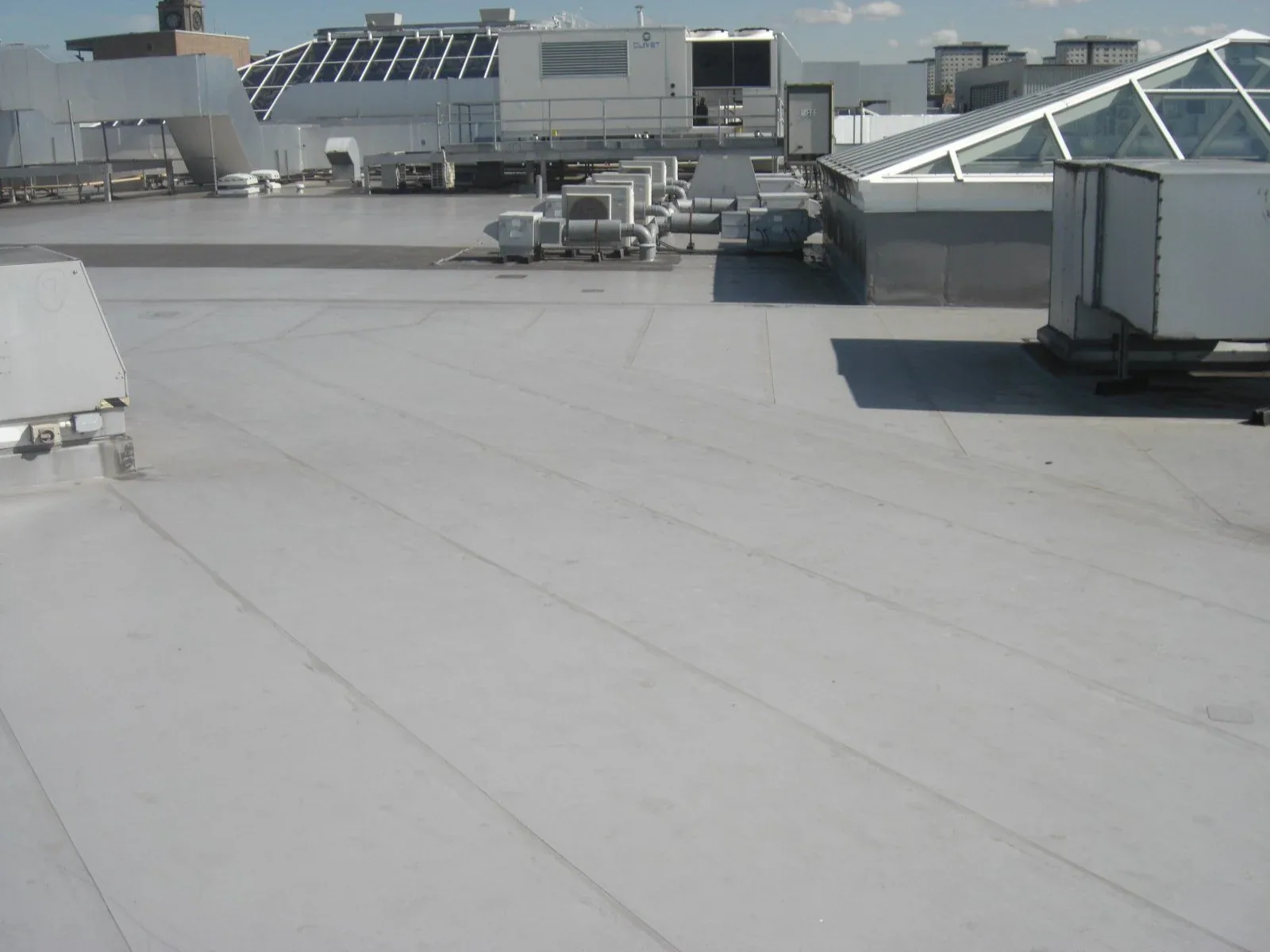
Menifee’s capital-improvement map lists roadway projects that include Newport Road and the I-215 interchange network. The map helps a dispatcher remember to check current routing, but it does not show roof access or prove a project’s live construction status. The facility contact provides the entrance, roof route, and check-in instructions for the actual visit.
The Newport Road Economic Development Corridor is a broad planning area, not a single building. We use its name only to orient the location; once on site, we document the roof system, nearby details, and any inspection limit. A separate area, the Southern Gateway Economic Development Corridor, has its own planning context. Neither designation determines where water entered; the observed assembly does.
Make a quick response workable
A fast roof visit still needs safe access. We confirm the contact, roof entrance, ladder or lift point, escort requirements, and any interior area that must be protected. For an occupied facility, the crew keeps material and tools away from customer or staff paths and communicates when a noisy task is underway. If rooftop equipment must remain available, we avoid blocking the service path. The work note states what was reached, what could not be inspected, and what is needed for the next visit. Around-the-clock emergency response is available for urgent roof conditions, including weekends and holidays, with the scope tied to the access that can be arranged. When a tenant or department is affected, the facility contact can help prioritize the room that needs protection first. We keep the route from roof access to the work area clear, confirm any escort, and identify where materials can be staged without blocking operations. If the roof is unsafe to access during active weather, we explain the next safe inspection window. The response note distinguishes water-control measures from a permanent repair, giving the owner a clear decision instead of an implied completion claim.
Decide whether the leak is isolated
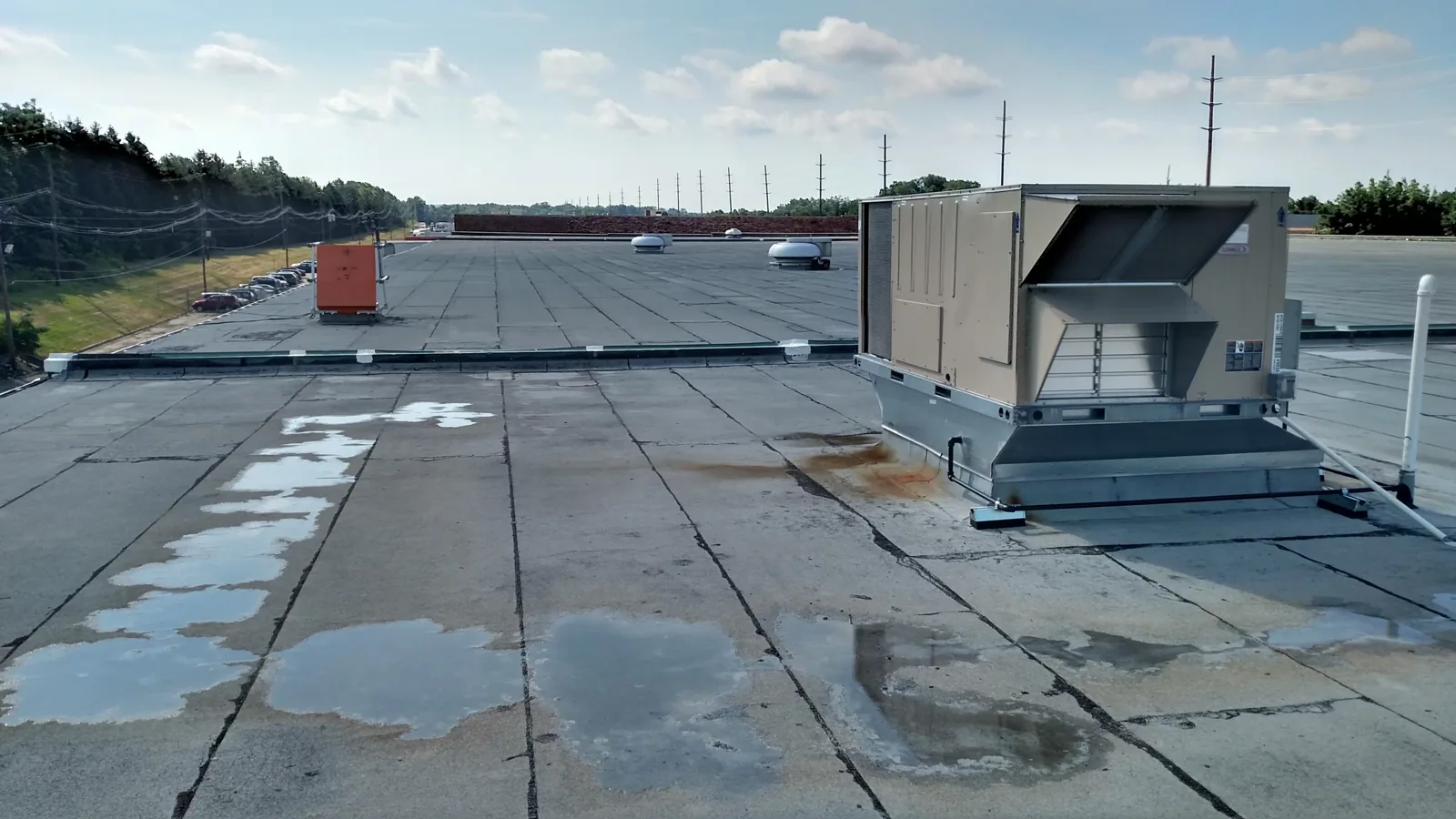
A single leak can be localized when the opening is visible, surrounding material is stable, and moisture has not moved into a wider section. Repeat wet areas, multiple patches, or separation across several seams can point to a larger condition. We explain whether infrared review or a core sample could resolve the extent and what the result would change. The facility director can then authorize a repair, a test, or a broader condition review. Cost and timing reflect roof height, system, access, equipment, interior protection, and whether the roof remains wet. We distinguish confirmed work from an option that depends on testing. A flashing failure review can isolate a curb or wall transition when the membrane field remains serviceable.
Give maintenance a next check
After repair, we record the roof zone, materials used, photos, and any detail to observe during the next visit. A return check after weather can help verify that the repaired edge remains closed, but it does not replace routine maintenance. If the property is in Menifee’s Northern Gateway Economic Development Corridor, we still identify the specific building and route rather than treating the district as one roof. When recurrence suggests broader concern, membrane puncture repair or a wider inspection can follow the actual finding. Arrange access, and we will provide a usable report of the entry path and next decision. The maintenance contact can compare a later photo with the closeout image and note whether the same detail moved or another area became wet. That information helps distinguish a repair issue from a second entry path. We can set a follow-up after the next suitable weather window when the roof condition warrants it. The report also identifies access limitations, so a later reviewer knows whether the full transition was visible or whether part of the conclusion remains provisional.
Commercial Roofing Questions
Can the leak source be found during one visit?
Often the visible roof detail provides a likely source, but water may travel before appearing indoors. We identify what the walk confirms and list any test that could change the boundary.
Should staff put a bucket under the leak?
Protect people and equipment, and report the affected room to the facility contact. Do not enter an area with electrical, ceiling, or structural hazards.
What if the leak stops before the crew arrives?
The roof can still show an open seam, patch edge, or drainage issue. Photos, timing, and interior location help direct the inspection.
Can a temporary cover serve as the final fix?
Temporary protection controls immediate exposure but may not restore the assembly. We define what it covers and schedule a permanent detail if needed.
How should repeat leaks be handled?
We map each affected zone and compare the observations. Several locations may call for moisture review or a broader repair plan instead of another isolated patch.
Related Roofing Work
Get the water route documented
Request a Roof Assessment
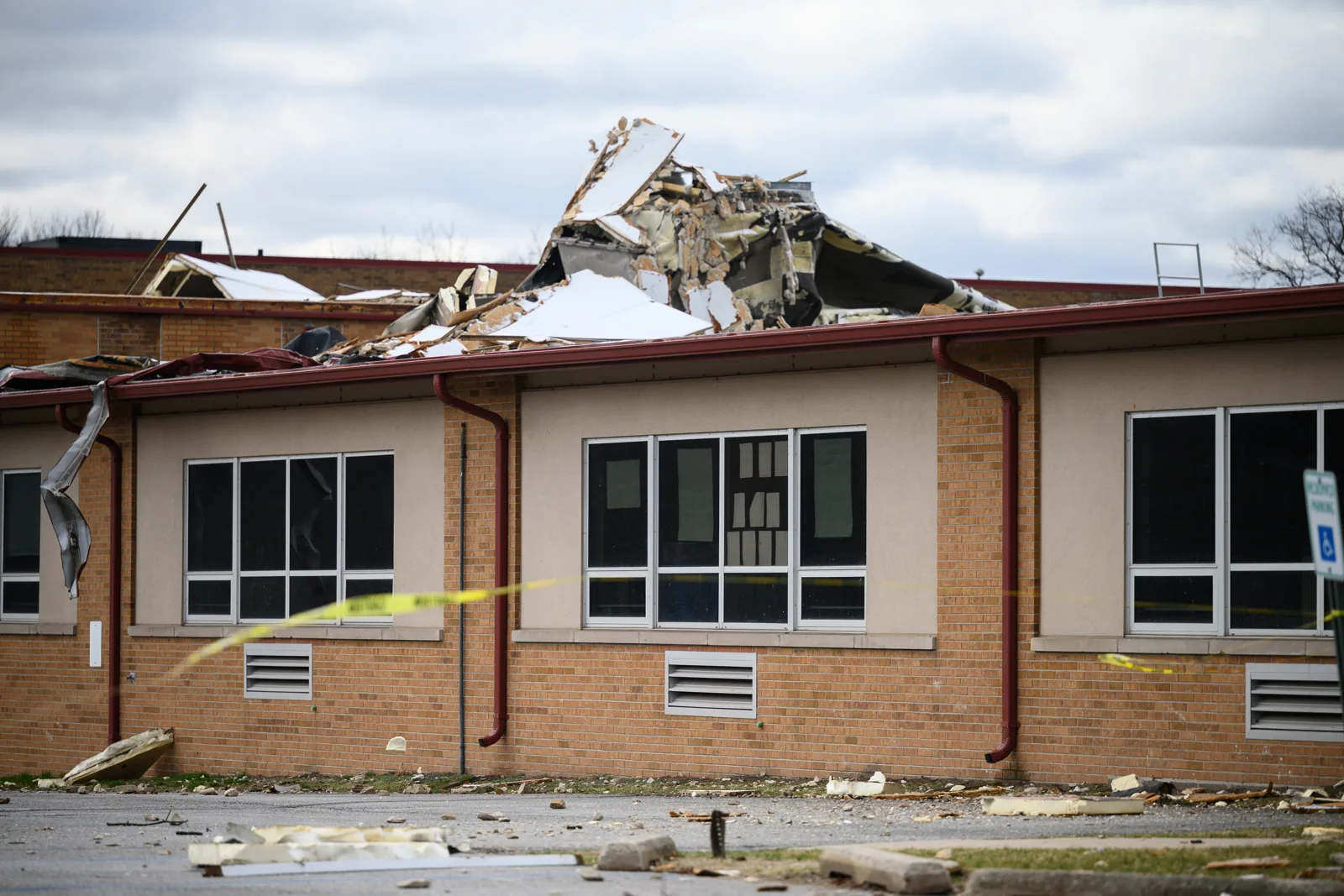
Tell us where water appeared and when the roof can be accessed. We will inspect the likely entry points, protect the operating area, and explain the permanent repair and follow-up.
Service area
Menifee, Perris, Murrieta, Temecula, Hemet, Lake Elsinore and nearby Inland Empire communities
Quick contact
[email protected]
555-555-5555