Hotel Roofing in Menifee
Home / Property Types We Roof / Hotel Roofing in Menifee
A damp ceiling below a guest corridor may trace to a roof drain, parapet, mechanical curb, or seam well outside the visible stain. Hotels add guest arrivals, housekeeping turns, kitchens, and rooftop equipment service to the access plan. We map the interior report to the roof grid, note active equipment and water direction, then identify what can be repaired now and what still needs testing.
The property contact can mark occupied rooms, event hours, delivery routes, and spaces that require quiet or restricted access. We build a work phase around those facts and set a handback for each area. For facilities with different room and care schedules, compare roof coordination in senior living buildings. A hotel plan remains tied to its own roof layout and operating calendar.
Keep Guest Routes Out of the Work Zone
A lift or material staging area can affect the entrance, valet route, loading court, or a path to an outdoor amenity. We walk the property with the facilities contact and mark an alternate path before equipment arrives. The roof plan shows where barricades begin, which door stays available, and who can authorize a change if arrivals or deliveries shift. Each completed zone has a defined release point.
Interior protection should match the room or corridor below the work rather than the building as a whole. We agree on ceiling access, covering, dust control, and whether a room needs to be taken out of service during testing. The report ties the protection to the roof-grid location and the planned inspection step. An occupied-property sequence can keep these decisions visible through a larger project.
Map HVAC, Exhaust, and Amenity Details
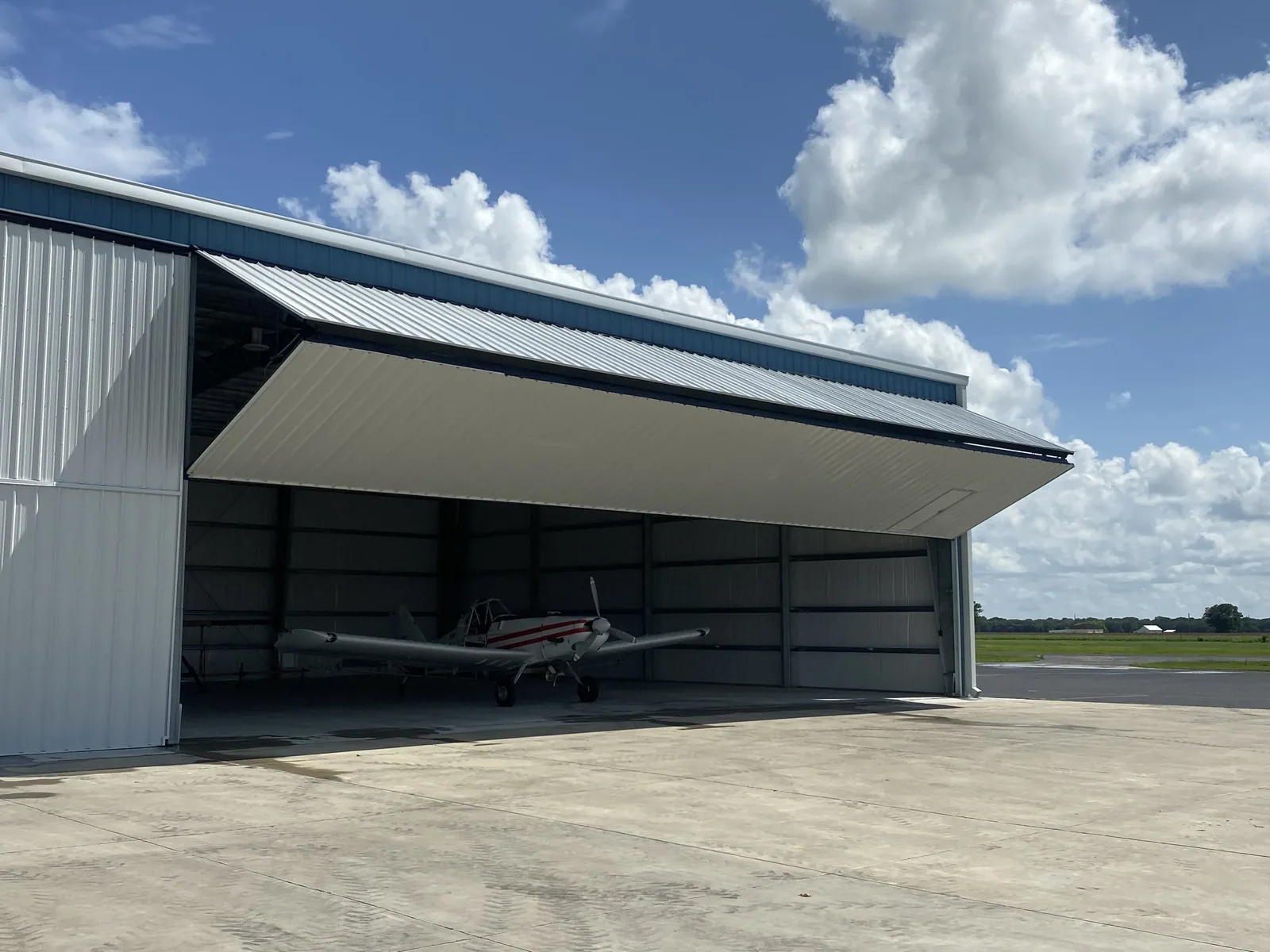
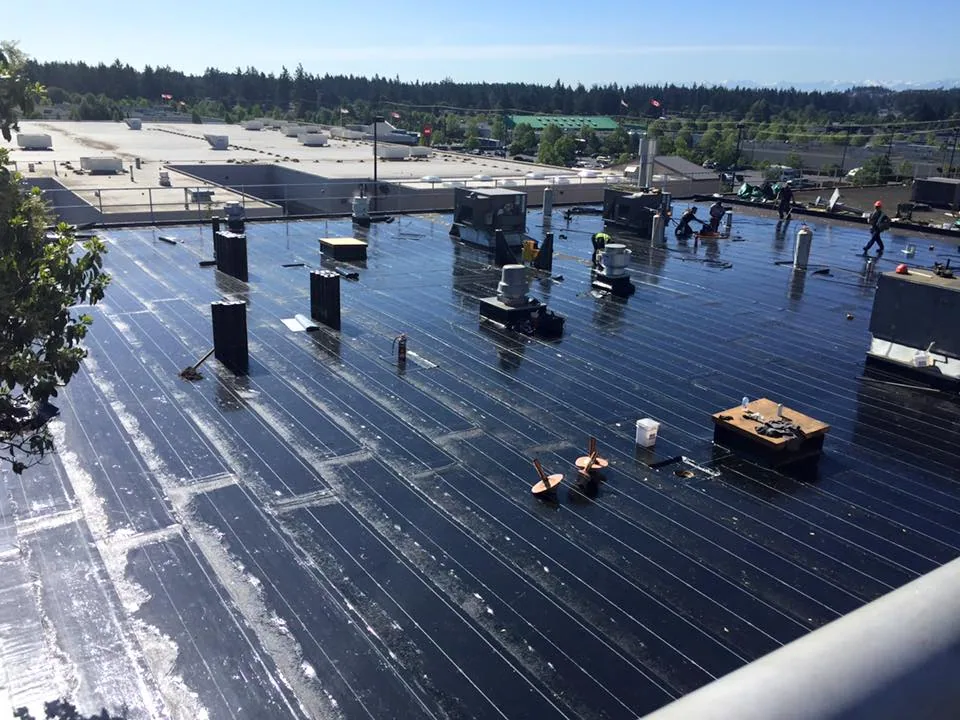
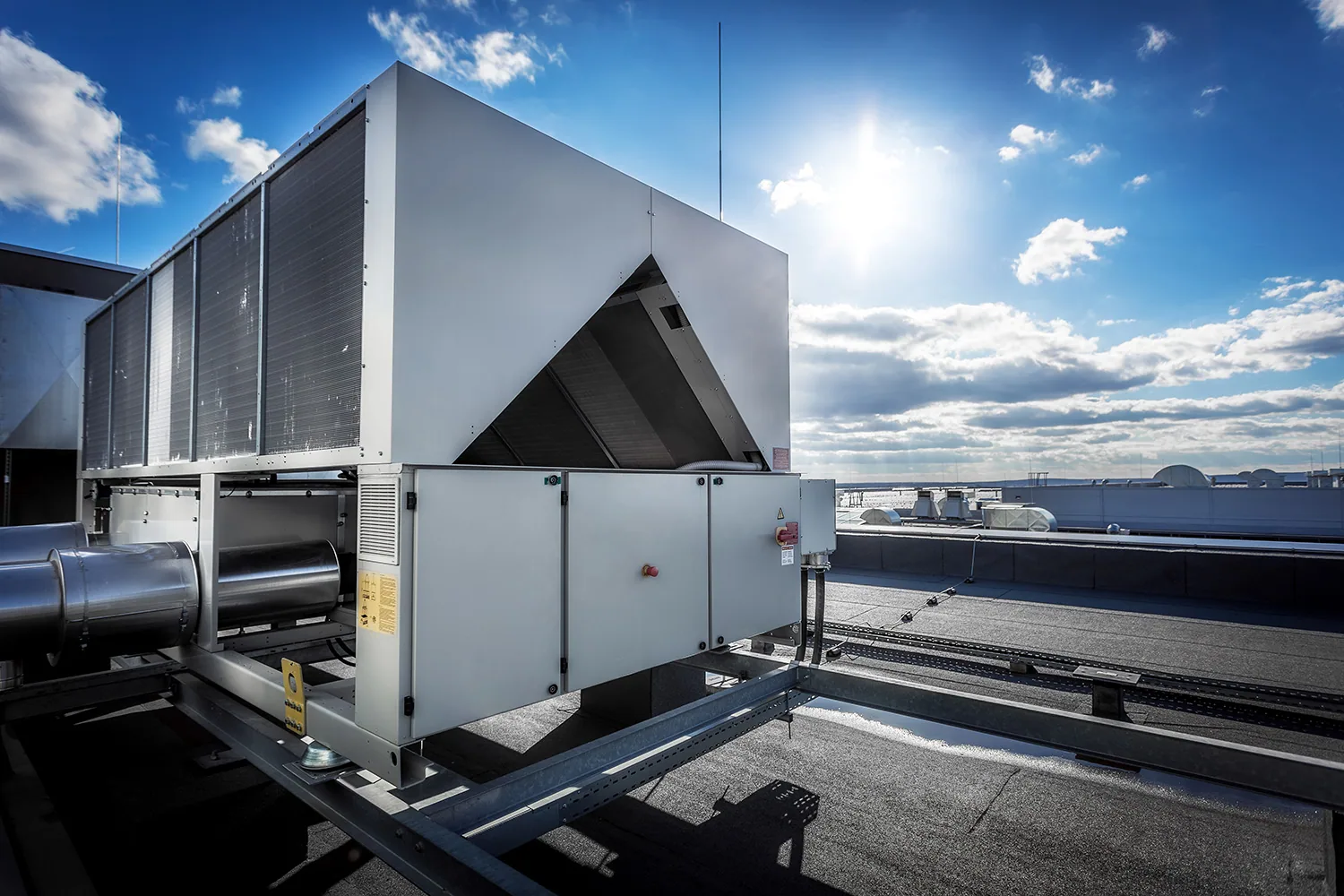
Hotel roofs can have multiple mechanical units, kitchen exhaust, plumbing vents, antenna supports, and equipment serving different wings. We label each curb and note flashing condition, service access, and any change in equipment footprint. A recent replacement may have altered the curb or left abandoned fasteners nearby. Photographing the detail before opening it helps the owner track what the mechanical and roofing trades each need to address.
Where equipment operates continuously, the facility engineer identifies shutdown limits and safe routes for service. We keep roof access clear for that work and do not treat a membrane repair as permission to move or modify mechanical equipment. If a leak appears below a unit, we compare its drain path and adjacent seams with the interior pattern. A curb and support inspection can define the roof interface without expanding the mechanical scope.
Follow the Water Beyond the Stain
Water can travel along a deck, insulation joint, or framing before it reaches the guest room ceiling. We record when the mark appeared, whether it changed after a later rain, and any plumbing or equipment event in that zone. On the roof, we check laps, penetrations, wall transitions, drains, and old repair edges that align with the route. If the evidence remains mixed, the report names the next test instead of assigning blame to a visible detail.
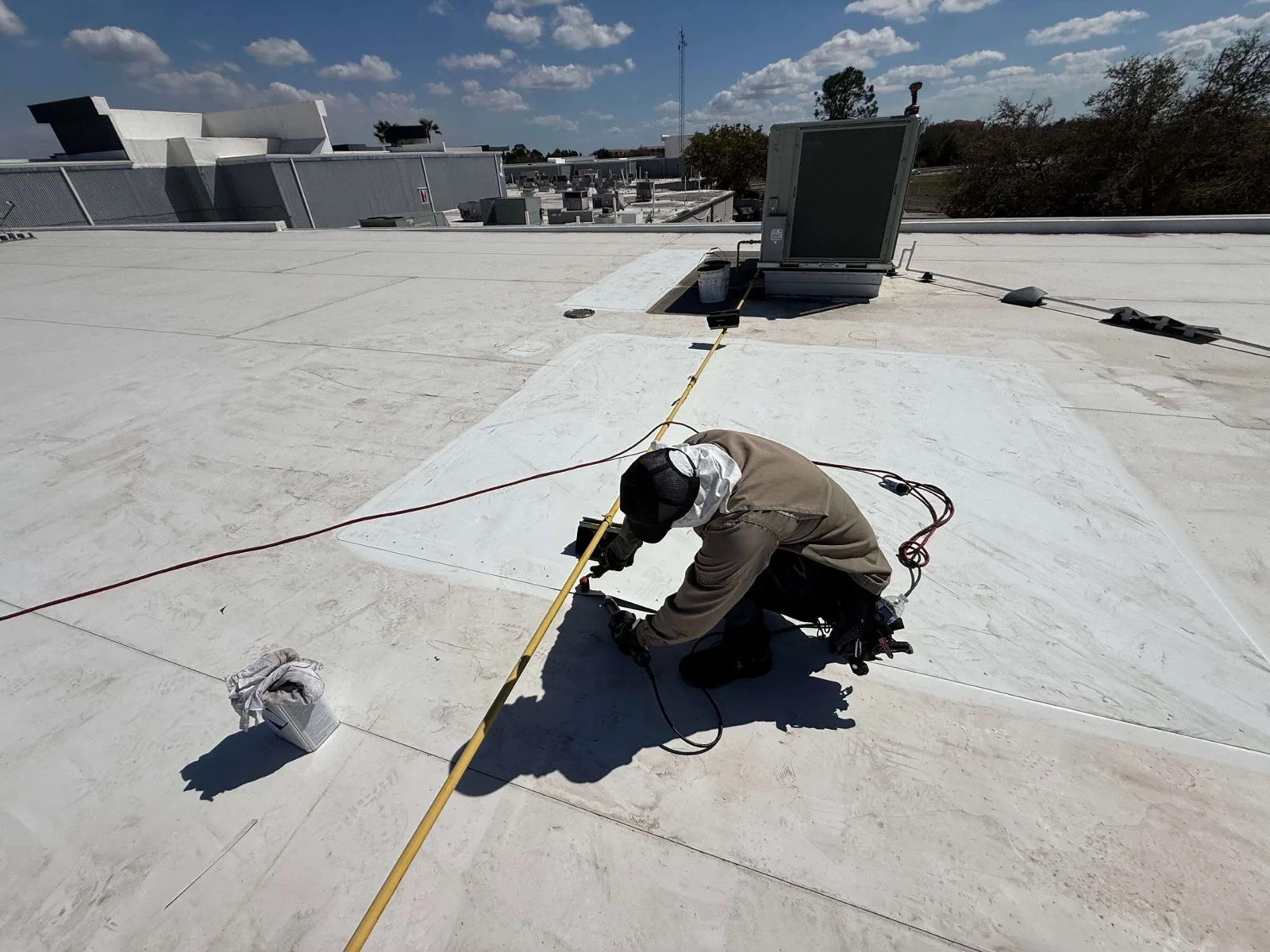
A temporary dry-in may be needed while testing continues. The work note identifies its boundary, inspection date, and the person who will confirm it remains secure. A permanent repair should close the supported opening and leave nearby conditions available for follow-up. For active water entry, a leak response that documents the source path helps the hotel coordinate rooms and maintenance.
Plan for Menifee Heat and Commercial Access
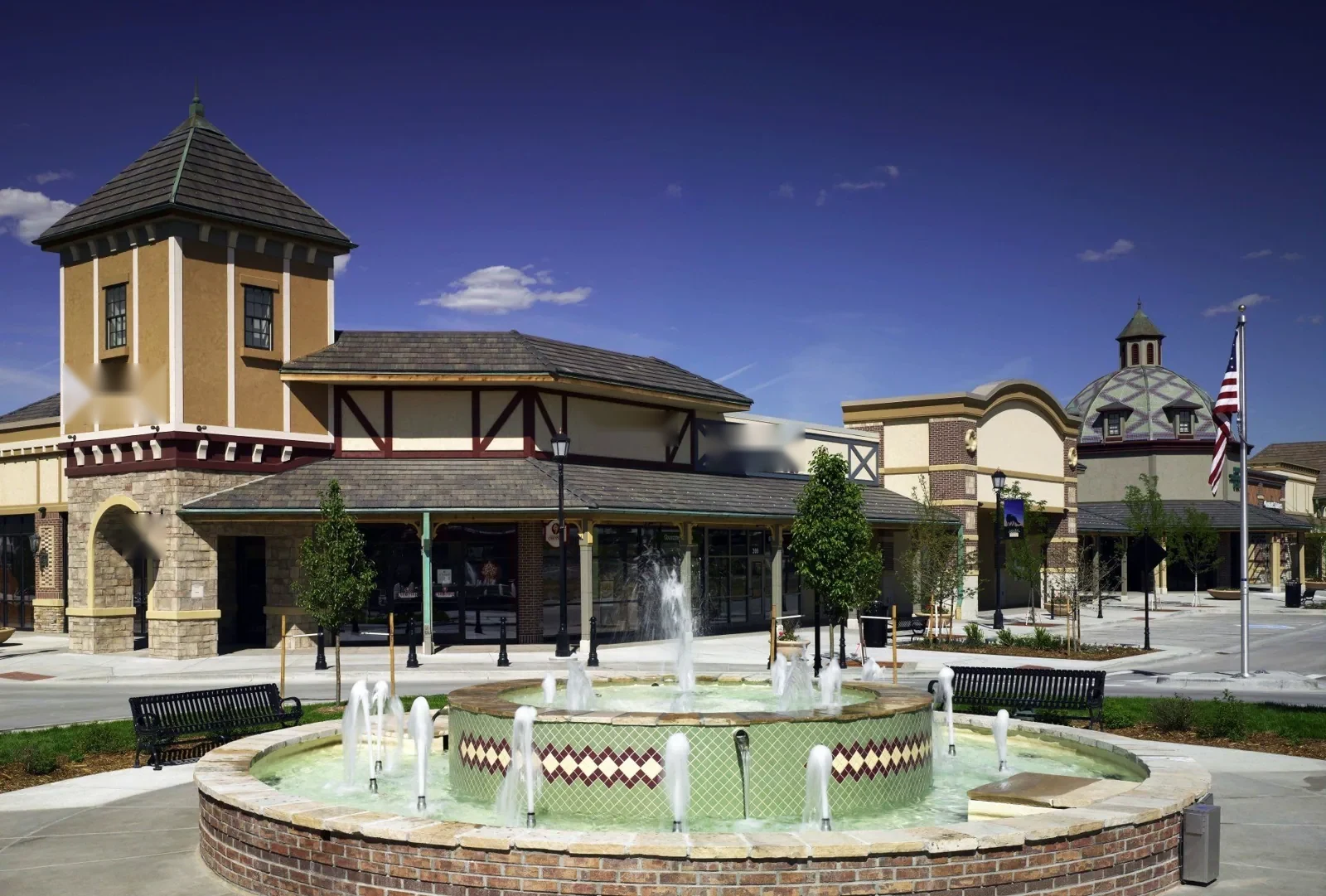
City planning describes Menifee as inland with a naturally dry climate and flags rising average temperatures and more extreme-temperature days. For a hotel, that makes the approved work window, worker heat controls, membrane temperature, and product installation limits part of scheduling. The planning context does not establish a particular roof's condition. We inspect the existing assembly and record surface conditions before selecting materials or application timing.
Menifee’s Economic Development Corridors along Interstate 215 are designated for commercial, office, and mixed-use activity. The Newport Road Economic Development Corridor is described as combining retail and office uses, while the Community Core Economic Development Corridor is planned as an activity center. Those settings can involve different deliveries and public access, so the property contact confirms the actual route. A roof review in the Community Core Economic Development Corridor starts with that building-level coordination.
Separate the Immediate Repair From Capital Work
A localized seam or curb repair may resolve the confirmed path if surrounding material remains stable. If moisture testing shows wet insulation or the same detail has failed across multiple areas, we present a larger phase with its own removal limits and tie-ins. The hotel can compare short-term water control with the scope needed to restore a broader roof zone, without treating a single room complaint as proof of system-wide failure.
For replacement, the plan identifies temporary protection, guest-area boundaries, equipment access, and when each portion of the roof will return to service. We also note the inspection needed before a new roof edge is closed. Costs and duration depend on assembly, deck, moisture, staging, and operating restrictions; the field record makes those drivers reviewable. A phased replacement proposal should show these choices before work begins.
Inspect Drains, Parapets, and Roof Edges
A roof drain can be clear while its flange or surrounding membrane is open. We inspect the bowl, strainer, overflow, slope, parapet transition, coping, and termination in the same zone. If water is crossing a wall or backing up at an outlet, the detail should be photographed before a field patch covers the edge. The scope separates drainage correction from seam or flashing work so each repair has a clear test.
Menifee's planning map distinguishes commercial, office, and industrial land-use contexts; it is not a roof inventory. At a hotel, the owner must confirm whether a terrace, pool deck, or mechanical zone connects to the roof area under review. We define the boundary on site and retain existing access requirements. A targeted edge and coping assessment can document parapet conditions without presuming an entry point.
If the hotel shares a roof with apartments, offices, or a connected service wing, the roof map should separate those areas before work is priced. Different contacts may control equipment access, guest notices, housekeeping routes, and after-hours alarms. We identify the person responsible for each boundary and retain one closeout record per assembly. That reduces the chance that a repair in a common zone is mistaken for a completed inspection of the adjacent roof. For a different occupied-property pattern, compare roof coordination across apartment buildings.
Give Operations a Room-by-Room Roof Handoff
The closeout lists each completed roof zone, repaired detail, drain checked, test opening closed, and remaining observation. A simple grid reference lets maintenance staff connect the work to a room or corridor report without relying on memory. The hotel receives any cure or access restriction and the expected timing for normal use below the phase. If a condition needs a later test, it remains a named follow-up item.
Menifee’s McCall Boulevard Economic Development Corridor includes intended office, medical, and residential uses, while Newport Road is planned for neighborhood-serving commercial activity. Those are city-scale references, not a claim about one hotel's address. Portfolio teams can use roof condition reports with repeatable zone labels to compare properties while preserving each building's actual assembly, equipment map, and operating calendar.
Commercial Roofing Questions
Can guests remain in the hotel during a reroof?
Often, when room access, lift paths, noise periods, and temporary dry-in are sequenced with property operations.
How do you protect an occupied room below testing?
We locate the test on the roof grid, agree on interior covering or temporary room limits, and record when the area can reopen.
What information helps trace a recurring room leak?
The room location, first observed date, rain timing, plumbing work, and any prior ceiling repair help compare the interior clue with roof details.
Should HVAC work happen before roofing?
We coordinate both scopes so equipment removal or replacement does not leave a curb or membrane edge exposed between trades.
What does the hotel receive at closeout?
A zone map, repair descriptions, photographs, open follow-up items, and any restriction that affects guest or maintenance access.
Related Roofing Work
Arrange a roof condition review
Request a Roof Assessment
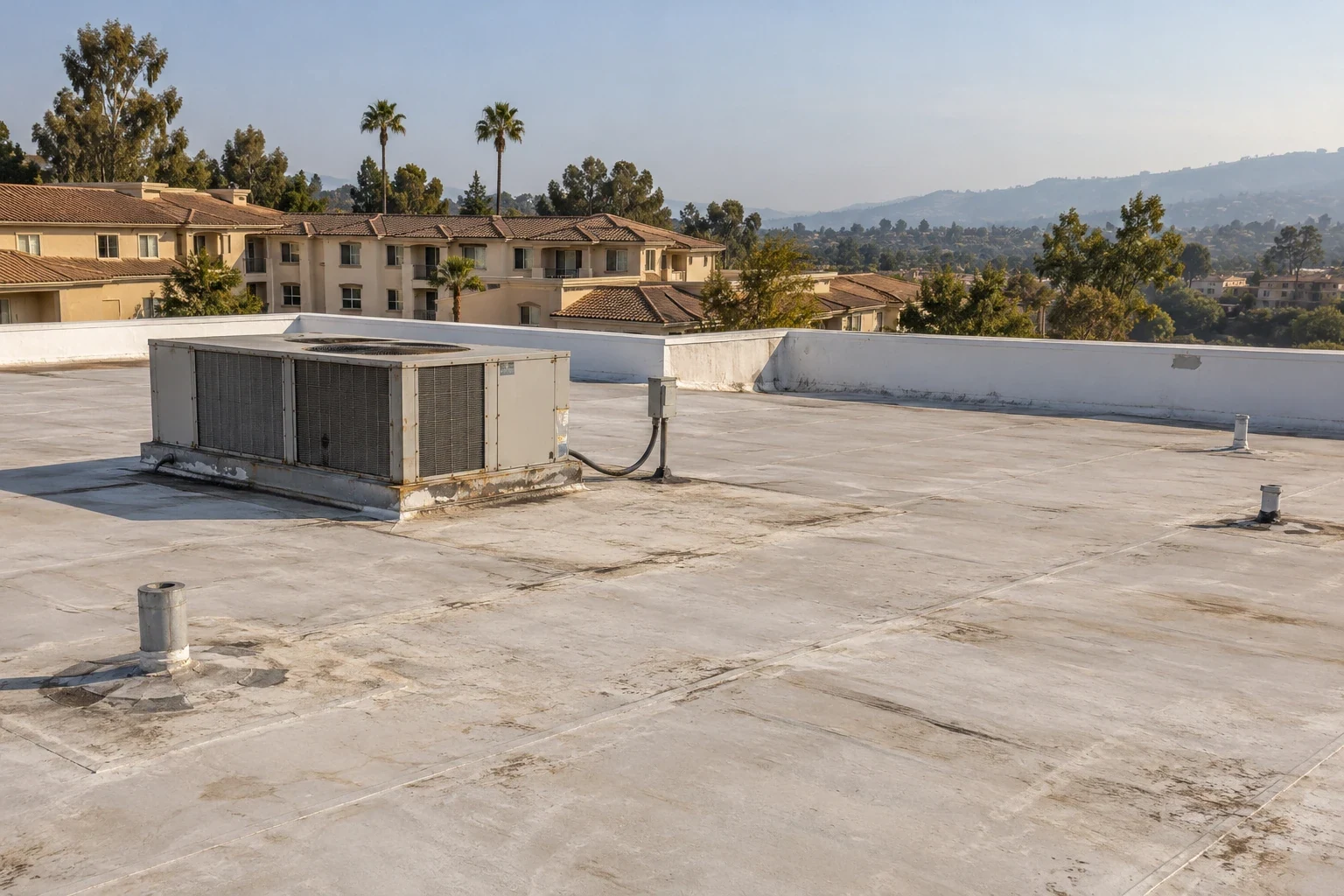
Set a roof review around guest access, housekeeping, and delivery windows. We will map the reported condition, define the work zone, and document a practical handback.
Service area
Menifee, Perris, Murrieta, Temecula, Hemet, Lake Elsinore and nearby Inland Empire communities
Quick contact
[email protected]
555-555-5555