
Commercial Edge Metal, Coping and Gutters in Menifee, CA
Home / Commercial Roofing Services / Commercial Edge Metal, Coping and Gutters in Menifee, CA
A coping joint can open just enough to let wind-driven rain reach the wall before anyone sees a roof leak. Around Menifee, exposed metal also moves through hot surface cycles, so we inspect seams, cleats, fasteners, and the substrate beneath the edge as one assembly. A gutter or downspout adds another connection to check: it must capture water from the roof and carry it away without pulling loose or backing up. We photograph the entire perimeter, mark the failed segment, and trace water toward the interior. A roof inspection can distinguish a loose metal detail from a membrane, wall, or drainage condition before the repair boundary is priced.
Read the Whole Perimeter
The roof edge has several linked parts. The membrane terminates at a metal edge or parapet, flashing covers the transition, and coping protects the top of a wall. A failure at one joint can direct water behind another component. We inspect the roof-side termination, metal laps, splice plates, cleats, fasteners, corners, and wall surface, then note whether the metal is bent, corroded, separated, or simply missing sealant. A repair should identify which layer is loose and what supports it. Adding sealant over a moving joint can hide an opening briefly without restoring attachment. The Diligence Notes should show the edge condition from both roof and exterior angles when access allows. A replacement profile must suit the parapet width, coping shape, and substrate that carries its cleats. We measure the cap, note joint overlaps, and inspect end dams or corners where water can enter. Metal type and finish matter where new pieces meet older components; incompatible metals or fasteners can create corrosion at the interface. Long runs need room for thermal movement instead of a rigid seam that restrains the cap. A corner fitting must join both runs and shed water without leaving an open pocket. The proposed detail should show how the outer face sheds water and how each splice stays secured after movement.
Follow the Wind Load Path
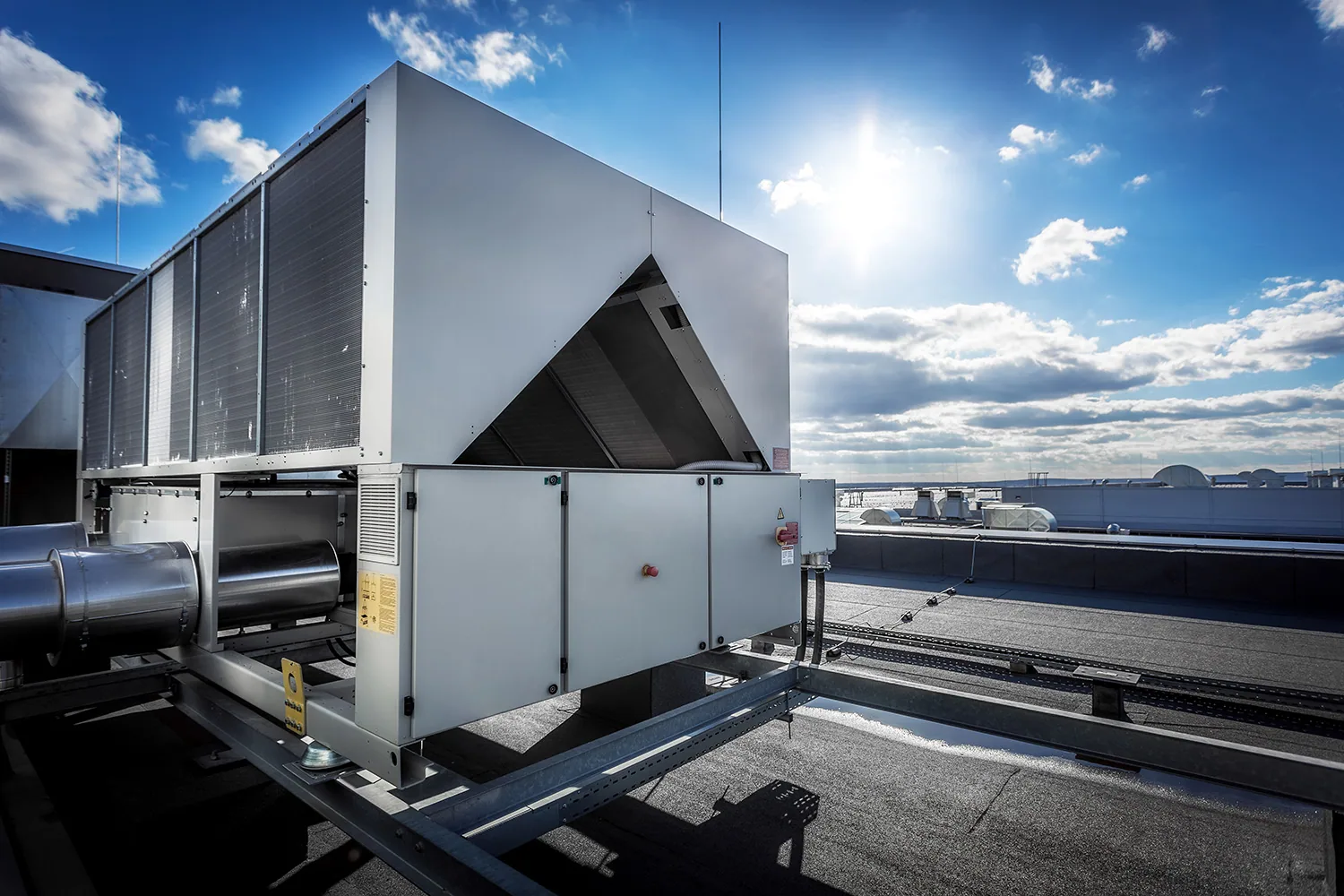
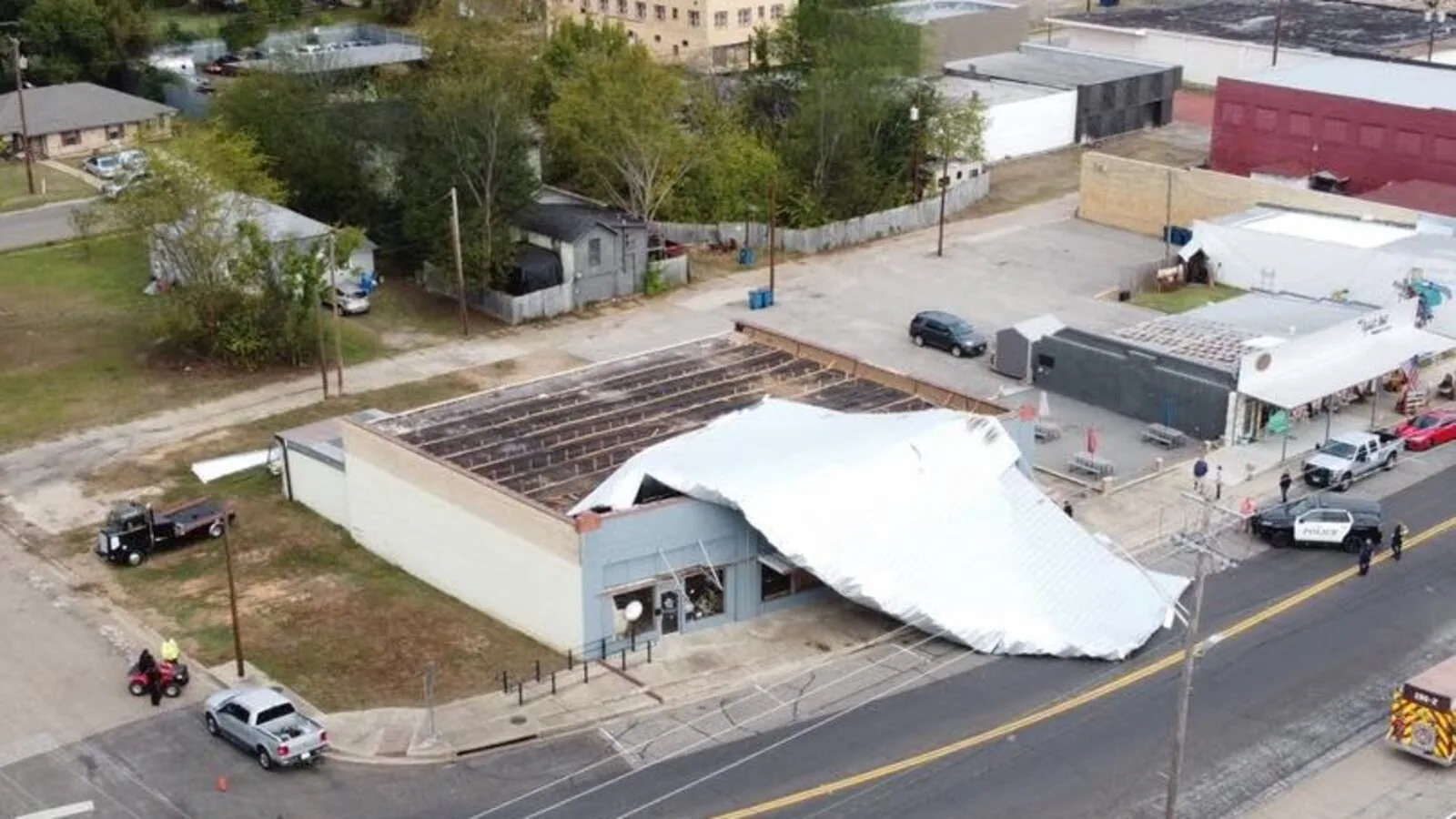
A perimeter detail has to transfer wind forces through its fasteners, cleats, substrate, and roof assembly. We look for loose or missing fasteners, metal that lifts under light hand pressure, pulled screw holes, and a substrate that cannot hold a secure connection. At corners, changes in direction and adjacent wall conditions can create different stress points from a straight run. If the roof membrane has also lifted, the metal repair cannot be separated from the termination beneath it. The estimate should name the length and location of each affected edge, the attachment method, and any substrate replacement that cannot be confirmed until opened. A wind-damage inspection can document the perimeter and adjacent roof field together.
Close the Metal-to-Membrane Transition
At a parapet or curb, the roof membrane, base flashing, counterflashing, and coping meet through different planes. A split at the base of the wall can route water behind the metal even while the coping cap looks intact. We trace the route, check termination height and attachment, and inspect corners where short metal pieces meet. On a metal-roof transition, a standing-seam detail requires attention to panel movement and the flashing connection rather than a rigid seal across a moving joint. The repair scope names the compatible materials and the surfaces that must be opened, cleaned, or replaced. Where concealed wood nailers or blocking are involved, the report identifies what remains unknown until access is created.
Carry Water Beyond the Wall
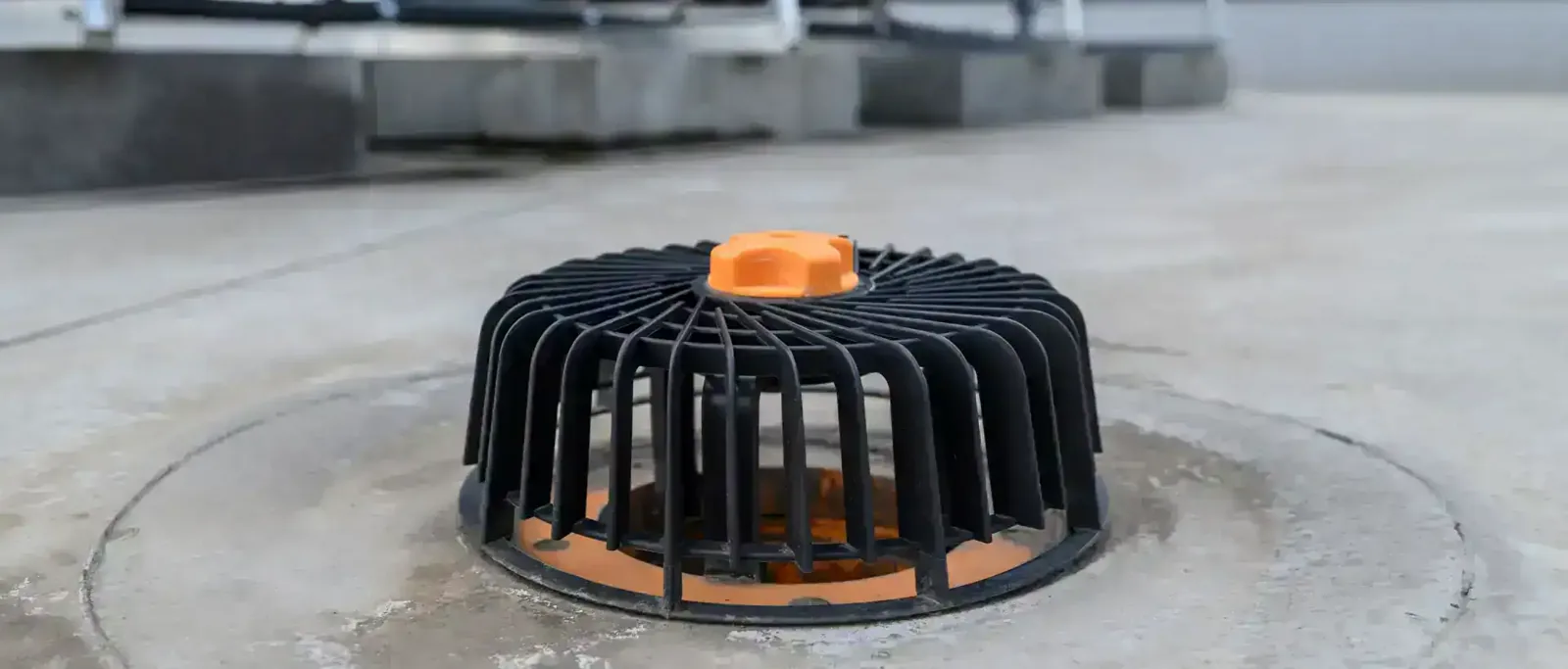
Gutters, scuppers, and downspouts are part of the roof edge, not separate accessories. We inspect slope, seams, hangers, end caps, outlets, splash points, and the connection to the wall or fascia. A gutter full of debris can hide a separated seam, while an undersized or restricted outlet may leave water standing along the edge. We also check whether the discharge reaches a safe path away from the building. If water backs toward the roof, opening the drain alone may not resolve the problem. Where a long fascia run changes elevation, each segment needs a transition that keeps the drainage route open and avoids trapping water behind the face metal. A coordinated drain and scupper review can trace the roof-side inlet and exterior discharge together, with a repair list that separates cleaning, metal, flashing, and downstream work.
Fit the Repair to Menifee's Building Use
The Newport Road Economic Development Corridor is planned for neighborhood-oriented commercial and office uses, while the McCall Boulevard Economic Development Corridor envisions a mix of office, medical, and residential activity. Those broad planning roles do not describe a particular wall or roof edge. They remind the facility contact to identify public entrances, delivery routes, occupied rooms, and exterior work zones before coping or gutter sections are removed. Menifee's inland heat also makes metal movement and sealant condition useful items to compare across inspections. We record the actual panel, edge material, and exposure, then set the repair sequence around the building's access needs and the product requirements for the chosen detail.
Choose a Repair Boundary That Holds
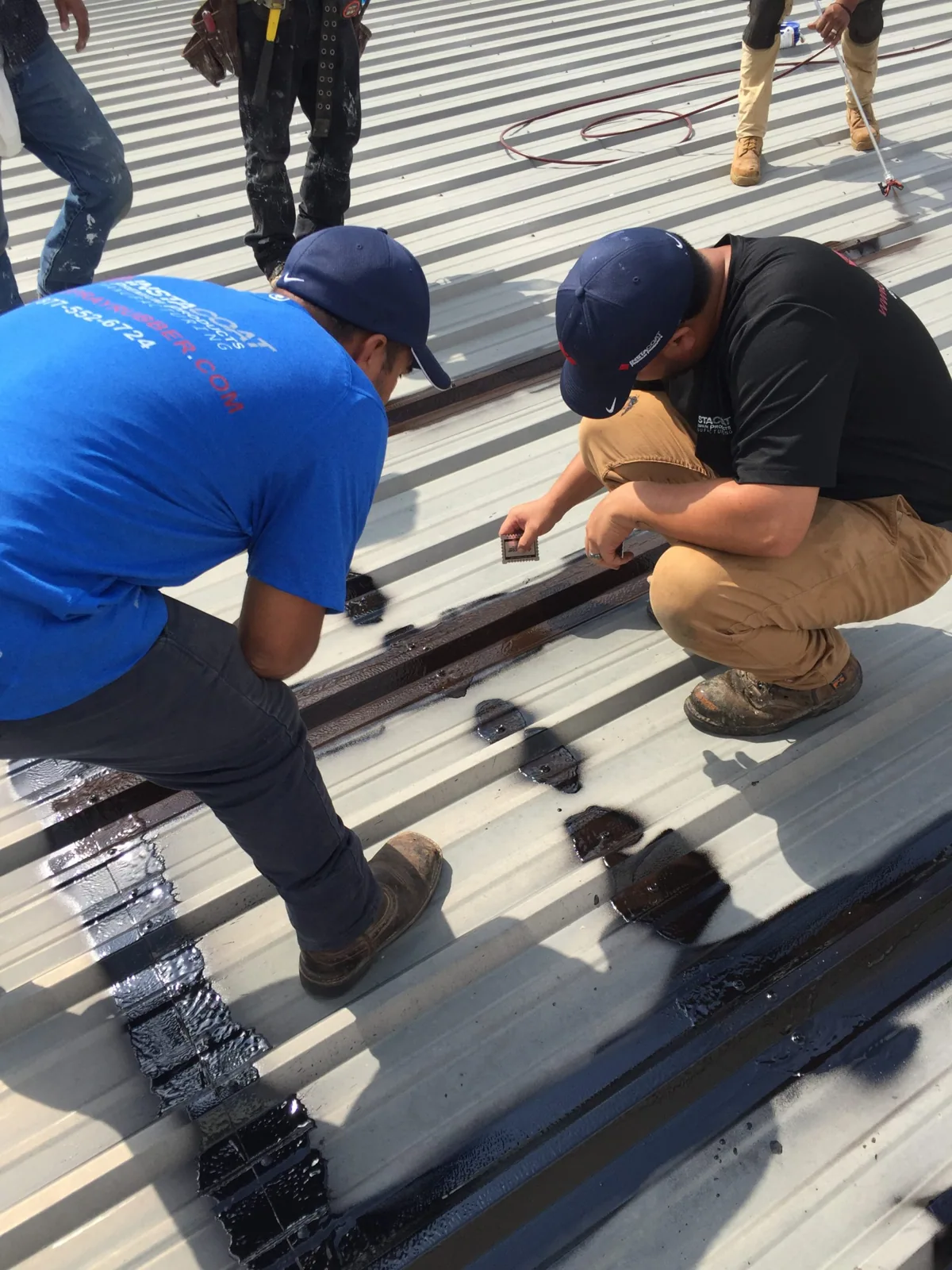
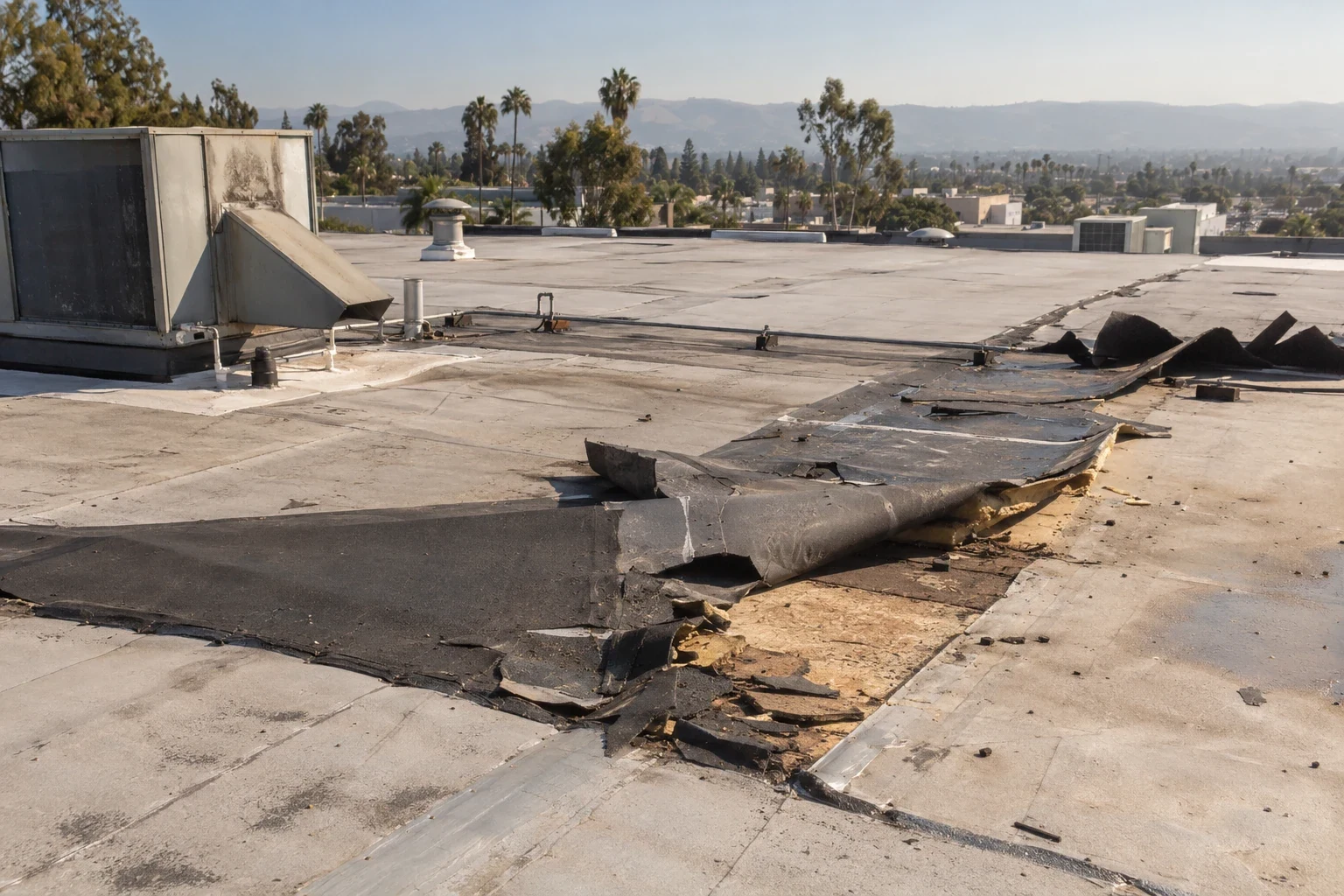
A short open joint may need a splice repair and new attachment; widespread corrosion, loose cleats, or failed nailers can require longer replacement sections. We price each affected run by location and component so the owner can see whether the work includes coping, edge flashing, gutter, downspout, or membrane termination. The scope should state how corners and transitions will be rebuilt, what substrate is assumed, and what would change if concealed material is deteriorated. If the roof field is sound, a localized perimeter repair can preserve it. If failure continues below the metal or across several edges, a broader commercial roof repair plan may be needed to restore the full water path.
Photograph the Completed Edge
After repair, we photograph the completed joint, corners, fastener pattern, membrane tie-in, and any gutter connection from a reference point on the roof plan. The closeout lists the metal sections replaced, the fastening or splice work completed, and any area deferred for access or design review. A facility manager can use that record when a later inspection finds movement or water at the wall. The report also states whether the test covered the roof-side transition, exterior discharge, or both. A single photograph of new sealant does not show the attachment below it. That level of detail keeps perimeter work tied to the component that failed and the route that water followed.
Commercial Roofing Questions
Can new sealant fix a coping joint that keeps opening?
Sealant can close a compatible static joint, but repeated movement or loose metal calls for an attachment and substrate check. We identify whether the splice, cleat, fastener, or backing has failed before choosing a repair detail.
How do you know whether a gutter problem is affecting the roof edge?
We inspect the gutter seams, hangers, fascia connection, outlet, and membrane termination above it. Water marks, backed-up debris, or a loose edge can point to separate defects, so the scope maps each condition rather than treating the gutter as the only source.
What does an edge-metal estimate need to show?
It should identify each run, corner, transition, metal component, attachment method, and assumed substrate. We also state whether membrane flashing or discharge work is included and what concealed conditions could change the scope after opening.
Can perimeter repairs be staged around an occupied building?
Yes. We coordinate roof access, exterior work zones, doors, deliveries, and interior protection with the facility contact. The sequence depends on how much edge must be opened and how the repair detail can be secured at the end of each shift.
Related Roofing Work
Inspect the Edge Before Adding Sealant
Request a Roof Assessment
Arrange an assessment with roof access and exterior conditions available. We will map the metal, attachment, membrane tie-in, and drainage path, then price a defined repair boundary.
Service area
Menifee, Perris, Murrieta, Temecula, Hemet, Lake Elsinore and nearby Inland Empire communities
Quick contact
[email protected]
555-555-5555