
Silicone Roof Coatings in Menifee
Home / Roof Systems / Silicone Roof Coatings in Menifee
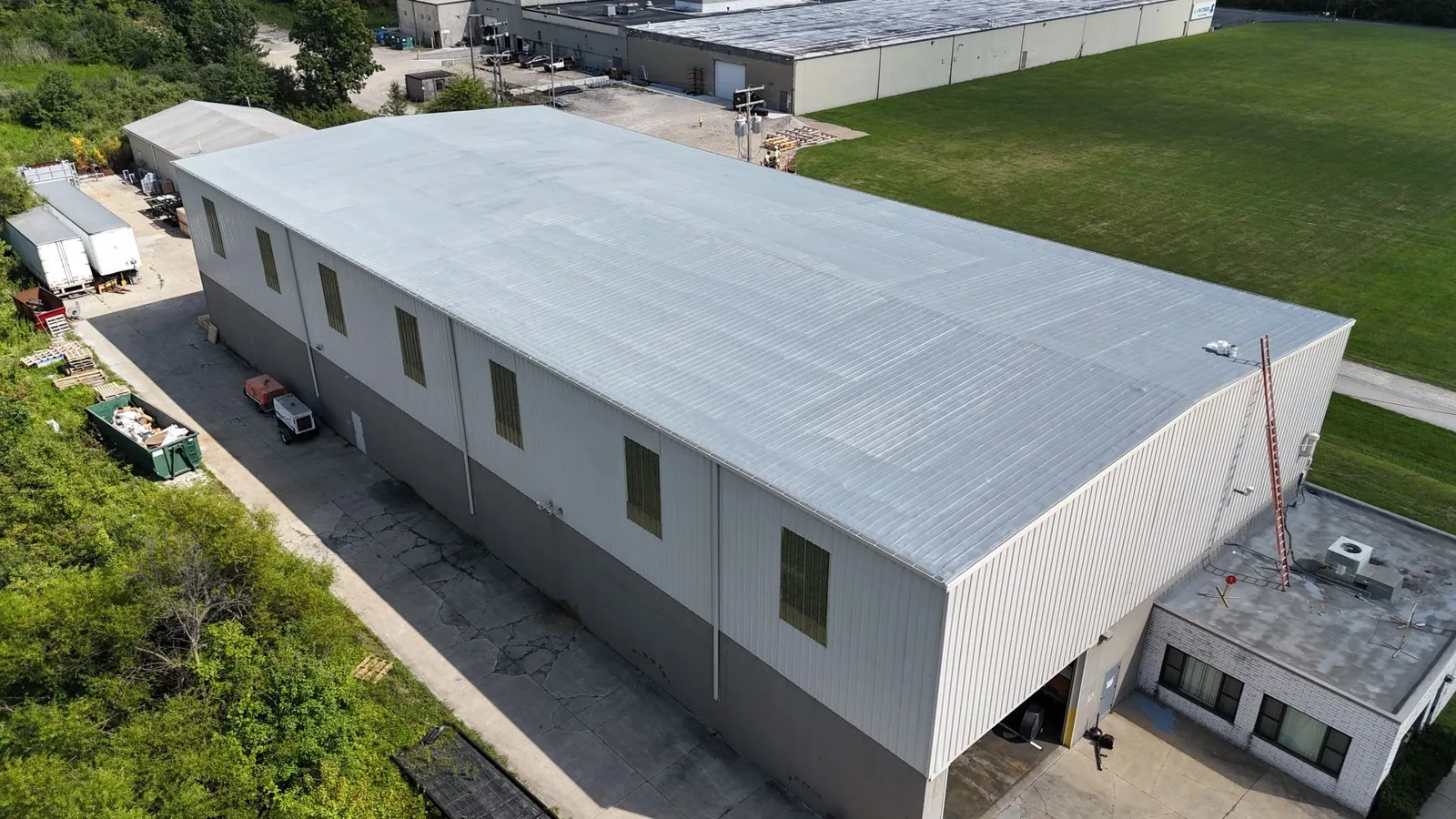
A silicone coating can renew a roof surface only when the existing assembly is sound enough to retain and the new material bonds to it. A coating does not repair wet insulation, a separated seam, or a drain that holds water. We first trace the leak route and inspect the substrate, then test adhesion and define the details that must be repaired before the coating field is applied.
The scope begins with the condition under the finish, not a color choice. We note the roof type, old coating, repairs, seams, curbs, and edges; then compare that record with the selected system instructions. If test areas fail or the roof contains widespread moisture, the application plan changes. A useful proposal separates preparatory repairs, reinforcement, field coverage, and closeout tests.
Test the Existing Surface Before Coating
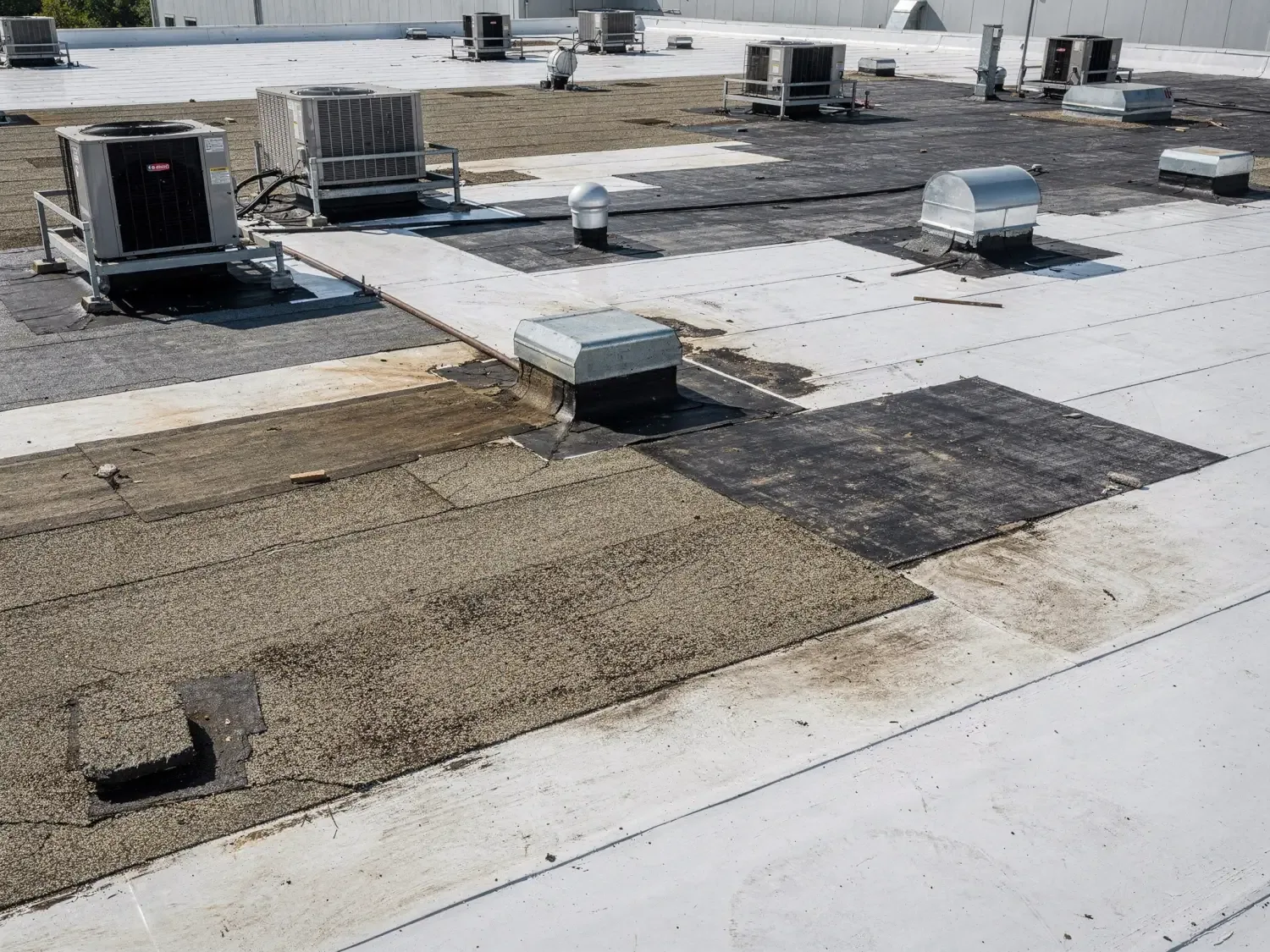
Silicone products bond differently to aged membranes, prior coatings, metal, and asphaltic surfaces. We clean and prepare representative areas, then apply a test patch according to the product requirements. The result helps determine whether a primer is needed or whether a system cannot be used on that roof. A generic adhesion assumption can leave a new layer that releases at the first weak interface.
We also check the condition beneath the surface. Soft insulation, trapped moisture, open laps, and corrosion need repair or removal before a field coat can hide them. The test map shows where each result was taken and which roof area it represents. An a photo-backed roof condition report can identify those locations and the details that need a separate repair boundary.
Correct the Water Route at Seams and Drains
A coating may resist water at its surface, yet the assembly still needs continuous seams, flashed penetrations, and outlets that carry water away. We inspect drains, scuppers, curbs, and wall transitions before field work. Ponded areas require a drainage review, not an assumption that a coating cures the underlying slope. The scope notes standing-water locations and whether correction requires tapered insulation or another design change.
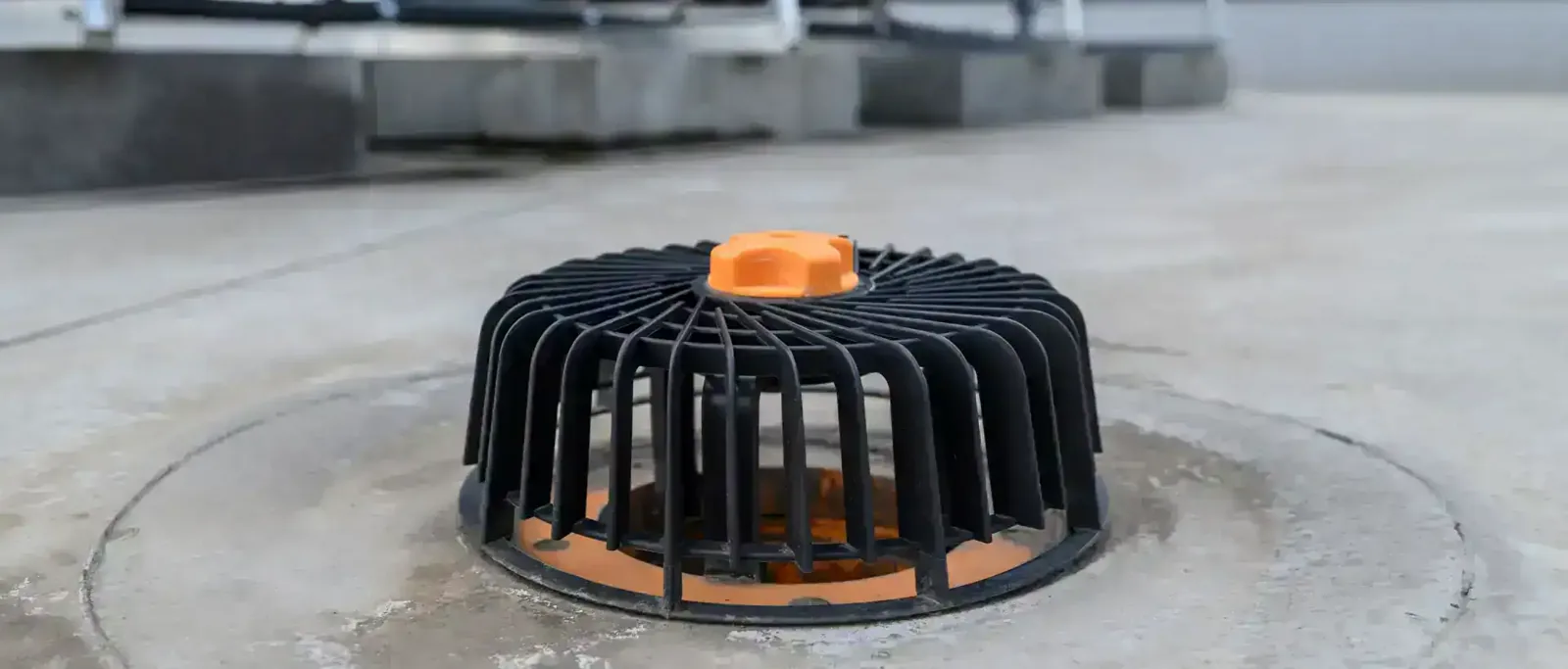
At a seam, we prepare the substrate, apply compatible reinforcement where required, and verify coverage before extending the field. A drain bowl must stay open, and the coating edge must terminate so it cannot peel into the flow path. Where outlet condition is uncertain, drain and scupper corrections before new work may be included before a coating is specified. The final map identifies treated and excluded areas.
Use Menifee Climate as Scheduling Context
City planning describes Menifee as inland and naturally dry, and notes the potential for more extreme-temperature days. We use that information to schedule surface-temperature checks, then let test results and system limits control.
The City’s code distinguishes the Northern Gateway Economic Development Corridor as more industrial than office, while Newport Road Economic Development Corridor planning calls for neighborhood-oriented commercial uses. Those are land-use plans, not a roof inventory. Different operations may shape access and masking, but our sequence is based on the building and work zone. We coordinate material staging, protect equipment, and record any day when conditions delay application.
Prepare and Reinforce Before Field Coverage
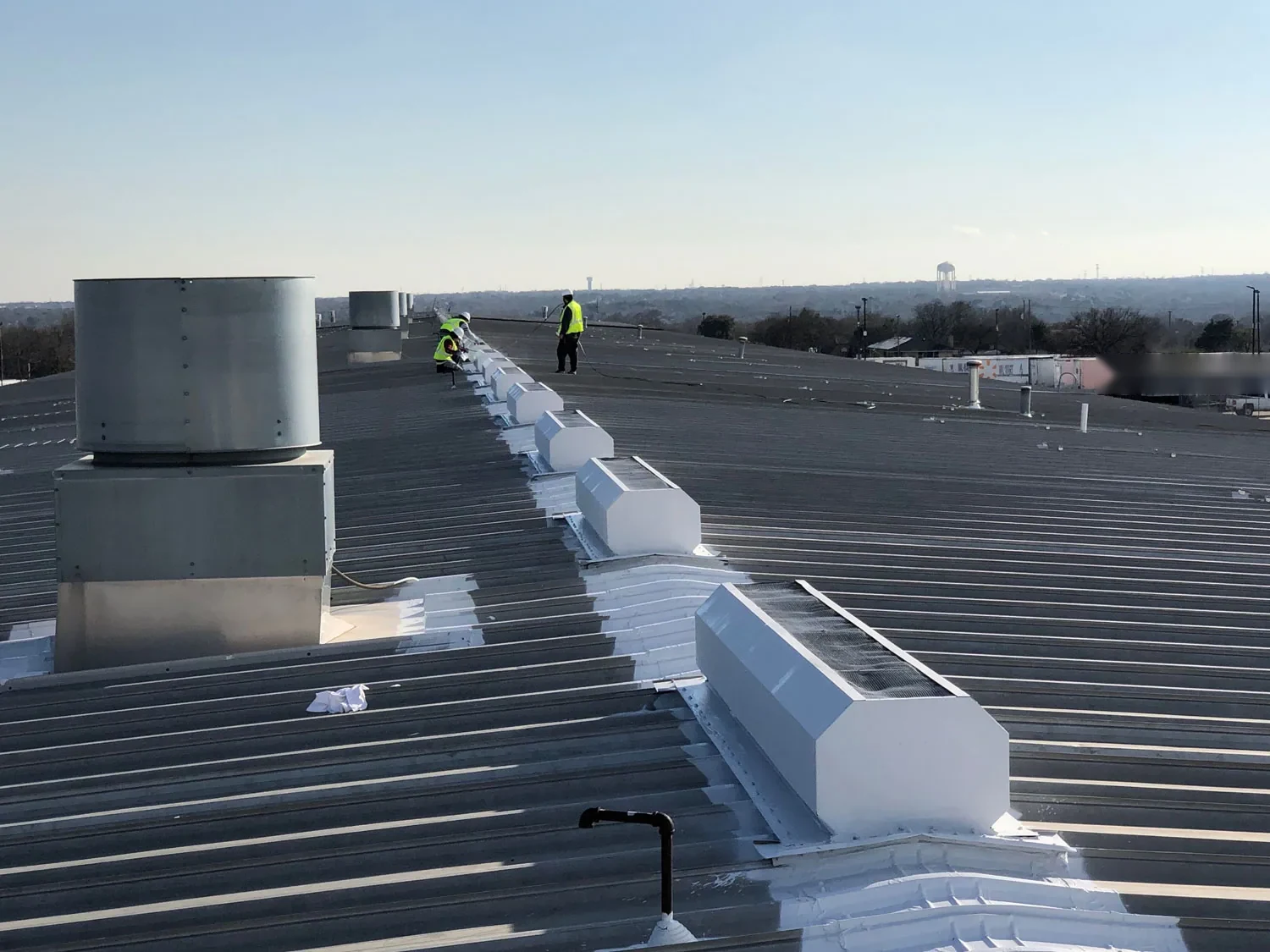
Preparation removes dirt, loose coating, and incompatible material so the test result and adhesion can guide work. We repair open seams, split flashing, and substrate damage before the field coat reaches those areas. Reinforcement is placed at the details called for by the selected assembly, then covered to the required thickness. Coating quantity alone cannot substitute for a sound transition at a curb or parapet.
The crew checks wet-film coverage during application and records completed zones. Particular attention goes to terminations where wind or foot traffic can lift a new edge. If an existing patch cannot be identified or does not accept the test material, we stop and assess the interface rather than bury it. That prevents a weak bond from becoming concealed under a uniform surface.
The application sequence follows surface preparation, detail repairs, primer where required, reinforcement, and field coating. Each stage has a hold point where the crew confirms that the prior layer is ready. Conditions outside product limits, dust, wind, or a wet substrate can require work to pause. A protected stop edge is more useful than extending a coat into a surface that cannot support it.
Daily notes identify the area completed, test results, ambient and surface conditions, and remaining detail work. We also record roof access restrictions and equipment protection. For an occupied facility, the project contact needs the expected odor and access controls before work begins. Closeout confirms coverage and open items; it does not promise a result beyond the system instructions.
Separate Coating From Roof Replacement
A coating is a restoration choice, not a universal replacement for an assembly that has reached its repair limit. If insulation is wet, seams are failing throughout, or deck attachment is uncertain, a surface coat will not restore the layers below. We identify the repairable areas and compare them with a larger removal scope. A local test that passes cannot erase a failed test elsewhere on the roof.
When the base roof is stable, a prepared and reinforced coating can create a continuous protective surface. If it is not stable, a a reroof with a defined removal boundary may offer a clearer scope with new insulation and flashing details. Owners can compare the amount retained, the water route addressed, and the next maintenance requirement for each option.
Compare Coverage With the Repair Scope
The cost and timing drivers include how much surface needs cleaning, how many repairs precede coating, the number of penetrations, test failures, access limitations, and required thickness. We list those items separately so the owner can understand why two bids may not include the same preparation. The map should show areas the coating will not cover and explain how those edges are protected.
Northern Gateway and Newport Road reflect different commercial planning contexts. Neither determines the roofing method at a particular address. We confirm operations, rooftop equipment, and access with the site contact, then set work zones that can be inspected and released. A capital planning tied to documented roof condition can track condition and budget choices by documented area, not by an assumed uniform coating cycle.
Maintain the Surface Without Hiding New Defects
After coating, maintenance returns to drain bowls, parapets, curbs, penetrations, and any repair edge. A new split, blister, or detached area should be checked against the original test map to see whether the bond or substrate changed. Cleaning methods must protect the coating and follow manufacturer instructions. Roof traffic from equipment service should be routed and documented so new wear has a traceable cause.
A maintenance record can also note debris, standing water, and any damaged flashing that needs attention before the next weather event. We photograph the same locations on repeat visits and record repairs made between inspections. If the coating is sound but another layer has failed, the scope needs to address that layer directly. A a preventive maintenance plan that tracks repeat details helps the facility team schedule the next check around the roof condition.
Compare the preparation and dry-window requirements with a an acrylic coating system finish or a a spray foam assembly assembly, then test the actual substrate. A site review for properties around commercial and medical-office settings near McCall Boulevard still depends on an approved service boundary.
Commercial Roofing Questions
Will silicone coating fix a ponding area?
It can protect a compatible surface where specified, but it does not correct slope or drain elevation. We map standing water and determine whether drainage work is needed.
Why is an adhesion test required?
Existing membranes and prior coatings vary. A test checks whether the selected preparation and coating can bond to the actual roof surface.
Can coating cover an active leak?
The leak route and substrate must be repaired first. Applying over wet insulation or an open flashing can conceal the symptom while water continues below.
What does a coating closeout include?
It records test areas, preparation, detail repairs, coverage zones, thickness checks, protected edges, and any excluded area that needs another scope.
Related Roofing Work
Set the next roof check
Request a Roof Assessment
Arrange an inspection around site access and operating hours. We will map the roof condition, explain repair boundaries, and document the options that fit the assembly.
Service area
Menifee, Perris, Murrieta, Temecula, Hemet, Lake Elsinore and nearby Inland Empire communities
Quick contact
[email protected]
555-555-5555