Acrylic Roof Coatings in Menifee
Home / Roof Systems / Acrylic Roof Coatings in Menifee
Acrylic coating can add a reflective protective surface to a roof that is dry, stable, and compatible with the selected system. It cannot bridge a failed seam, remove trapped moisture, or correct a drain that holds water. We trace visible stains, inspect the existing membrane, and test adhesion before deciding whether the roof is a candidate for coating or needs a different repair boundary.
A coating project depends on surface preparation, the right primer where specified, reinforcement at details, and enough coverage to meet the system instructions. Water-based products also need an application window that allows drying and cure. A proposal should separate repairs from coating work and identify locations where the existing roof must be opened. That gives the facilities director a scope tied to the assembly rather than a field-only promise.
Confirm the Base Roof Can Be Retained
The first check is whether the membrane or built-up surface below is attached, dry, and free from widespread deterioration. We look for open laps, punctures, split flashing, trapped moisture, and prior repairs that may not accept a new coating. Representative test patches evaluate adhesion after the specified cleaning. If a test area releases or the substrate is soft, the affected zone needs repair before coating proceeds.
A coating should not hide a leak path that has not been traced. We compare interior evidence with roof details and select test locations based on observed conditions. The findings separate sound field, repair areas, and sections that require further investigation. A a photo-backed roof condition report can retain the photos and test results so the owner knows which roof areas support coating and which do not.
Rebuild Seams and Penetrations First
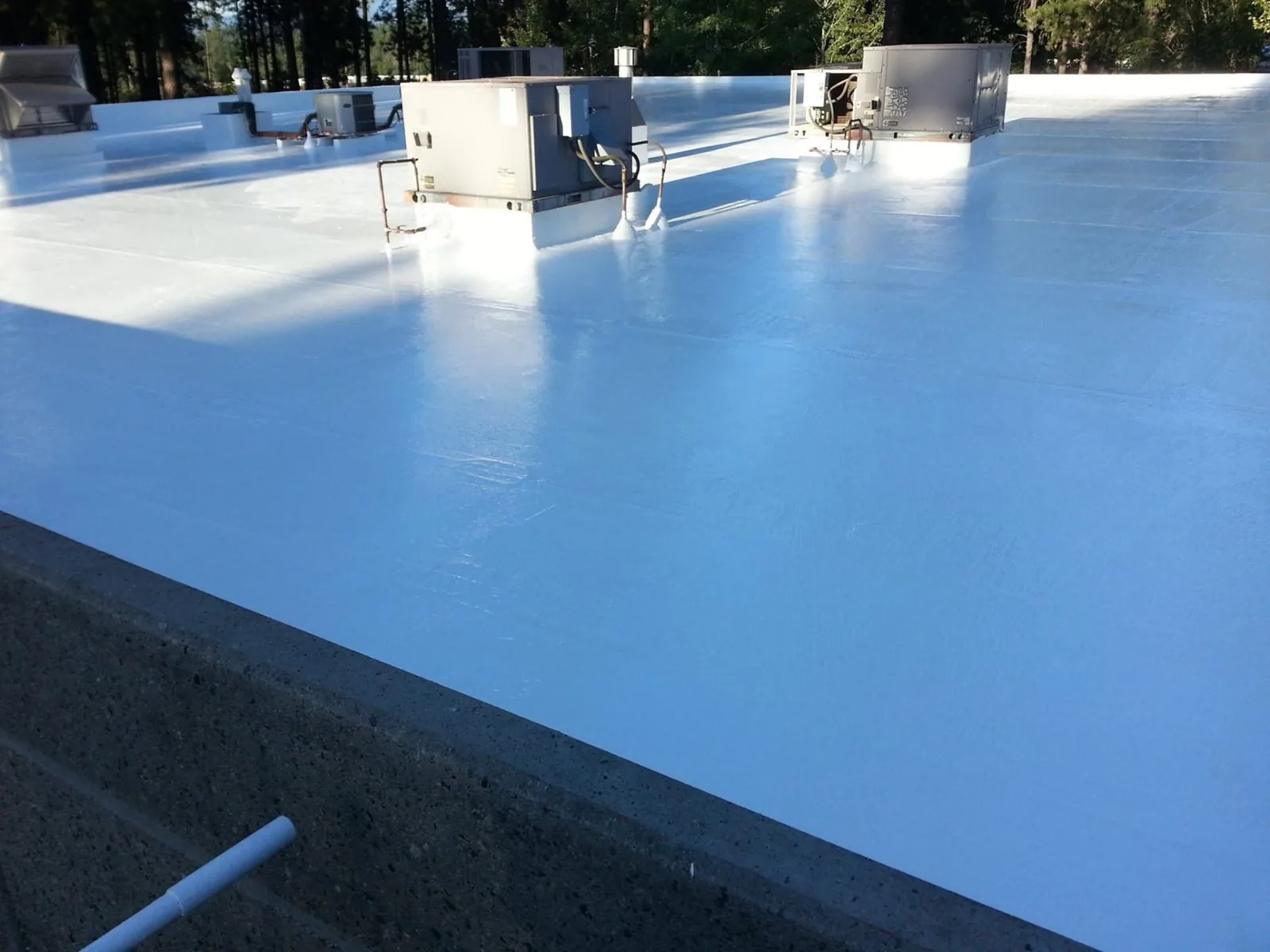
At a seam or curb, the new coating needs a stable transition and reinforcement where the system calls for it. Loose flashing, failed sealant, and open laps are corrected before the field coat is applied. We inspect at roof edges, scuppers, skylights, drains, and equipment supports because water can enter where the field changes direction. The repair must tie into material that remains sound, not end at a convenient square line.
A small sample at one seam cannot establish adhesion across every substrate. We record where the patch was applied, how it was prepared, and what adjacent materials were present. For penetrations, equipment-curb flashing at rooftop openings helps the owner see which curb transitions need flashing work rather than a heavier field application. Detail repairs and field coverage are listed as separate scope items.
Set Application Windows for Menifee
In its climate planning, Menifee identifies average warming and more extreme-temperature days as risks. For a coating job that is a prompt to measure the substrate and plan the drying window, not evidence that a given roof needs a reflective finish.
Newport Road Economic Development Corridor is planned for neighborhood-oriented commercial use, while the Southern Gateway Economic Development Corridor is planned for light industrial, office, and commercial opportunities. Those plans do not tell us the occupancy or roof type of a specific property. At the site, we verify operating hours, ventilation intakes, and access needs before setting work zones. The sequence protects equipment and leaves a known boundary if drying conditions change.
Compare Acrylic With the Existing Assembly
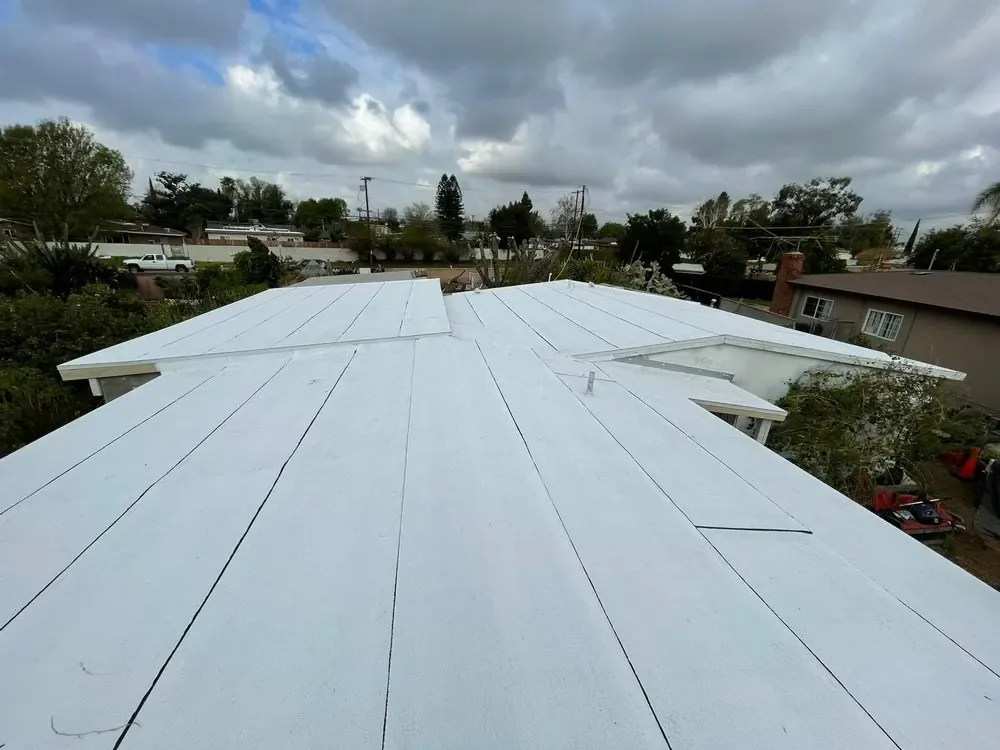
Acrylic coating selection depends on the existing membrane, prior coatings, slope, drainage, and the product instructions. A water-based coating may need a longer dry window than a system applied by a different method. Standing water and repeated wetting deserve a drainage review because a coating does not change the roof geometry. We identify whether water leaves the field and whether each drain remains clear after detail reinforcement.
Before proposing a coating restoration, we confirm the surface can be cleaned without damaging the retained membrane. We assess whether a primer or reinforcement is specified and test the full layer sequence on a representative area. If the tests or substrate condition fail, a broader a replacement roof with a defined scope may be more controllable. A system comparison should show what material remains, what is repaired, and where new termination metal is needed.
Apply in Measured Passes and Protect Open Edges
After preparation and detail repairs, the field coating is applied in passes to the specified thickness. The crew checks representative wet-film readings and revisits areas affected by wind, overspray risk, or surface irregularity. Coating at drains and parapets must maintain a clear outlet and close the transition without bridging debris. If the weather moves outside the product range, the work stops at an edge that can be protected.
Daily records show the zone coated, conditions at application, detail repairs completed, and areas left for another pass. We coordinate with building staff about roof access and ventilation while materials dry. The finished scope identifies any area excluded because adhesion or moisture evidence was not acceptable. That record prevents a partial application from being mistaken for completed coverage.
Quality checks include substrate acceptance, adhesion tests, primer coverage, reinforcement, wet-film readings, and a final review of edges and penetrations. A dry surface in one area does not prove every pass cured under the same conditions. We track zones and revisit transitions after the specified cure. Drain bowls, scuppers, and overflow routes remain clear throughout application and closeout.
Where a roof stays open for tenants or operations, handback status is recorded by zone. The log identifies the point where foot traffic may resume and any detail needing a return visit. If a test fails, the response is to diagnose and repair the interface rather than simply add another coat. Those records make the next inspection more precise.
Compare Preparation, Repair, and Coating Work
The main cost drivers include cleaning effort, substrate repairs, coating quantity, reinforcement, access, masking, and the number of drain and curb details. A scope with more repairs may be more responsible than a thin coat over an untested roof. We show test results and the areas that failed, then compare coating with replacement only where both options address the same water route and boundary.
The Southern Gateway and Newport Road plans describe different forms of commercial activity, but they do not identify a property’s roof assembly. We inspect actual rooftop equipment, penetrations, tenant access, and maintenance history before proposing sequence. The owner can use a capital planning tied to documented roof condition to compare the work now with a later capital project, using observed condition rather than a fixed promise about coating life.
Keep a Repeatable Coating Inspection Record
At follow-up, we compare coating condition at the same drains, edges, penetrations, and test areas photographed at closeout. Chalking, cracking, abrasion, or a new leak calls for a local examination of the coating and the roof beneath it. Cleaning and repair methods follow the specified system because a solvent or incompatible patch can weaken the finish. The maintenance map notes which sections were accessible and which were not.
When service trades cross the roof, the facility team can record their routes and any new damage. A later condition report then separates a coating issue from a curb or equipment change. Where the roof is due for broader review, a a condition inspection that traces the leak path helps rank observed defects and plan repairs without assuming the entire surface requires recoating.
A a silicone coating system system and a a TPO membrane comparison for a low-slope roof replacement use different field and detail controls. For buildings near the Newport Road commercial corridor, we confirm the address, access, and roof assembly before representing service availability.
Commercial Roofing Questions
Does an acrylic coating work over every commercial roof?
No. The existing membrane, prior coating, moisture condition, slope, and product compatibility must be checked with preparation and representative adhesion tests.
Can the roof be coated during hot weather?
Only when actual surface and weather conditions remain within the selected product limits and allow the required dry and cure period.
What if a test patch does not bond?
We stop the coating scope at that substrate, determine whether preparation, primer, repair, or a different assembly is needed, and document the revised boundary.
Does a reflective coating correct drainage?
No. It changes the roof surface but not slope or drain height. We map ponding and identify drainage corrections separately.
Related Roofing Work
Set the next roof check
Request a Roof Assessment
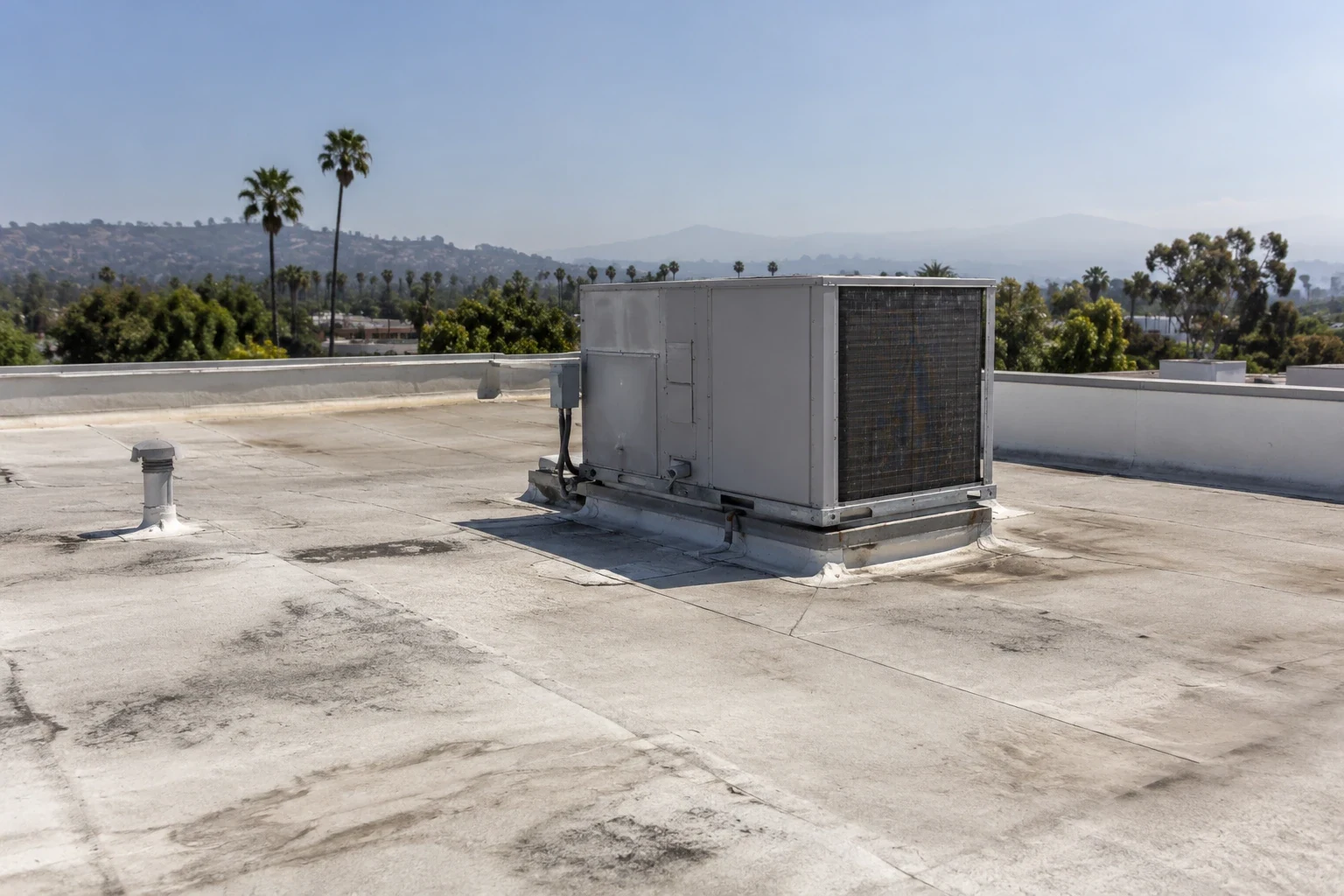
Arrange an inspection around site access and operating hours. We will map the roof condition, explain repair boundaries, and document the options that fit the assembly.
Service area
Menifee, Perris, Murrieta, Temecula, Hemet, Lake Elsinore and nearby Inland Empire communities
Quick contact
[email protected]
555-555-5555