
Commercial Roofing for Insurance Restoration Teams in Menifee
Home / Industries We Serve / Commercial Roofing for Insurance Restoration Teams in Menifee
A claim file may begin with a ceiling stain, but that mark does not identify when or where water entered. The roof inspection should record the membrane condition, affected rooms, weather chronology supplied by the owner, and any prior repair. We distinguish fresh damage observed in the field from old deterioration, maintenance needs, or concealed conditions that have not been tested. That record gives the restoration team a defensible roof scope without assigning cause beyond the available evidence.
For an occupied property, immediate protection and permanent repair are separate decisions. A temporary cover can reduce further exposure when it is safe and approved, yet it should not conceal a drain or create a new water route. The file should note who authorized access, where the temporary measure sits, what condition it addresses, and when a permanent inspection will follow. Keep photographs dated and labeled by roof zone so they can be matched to estimates and subsequent work.
Preserve the Event Chronology
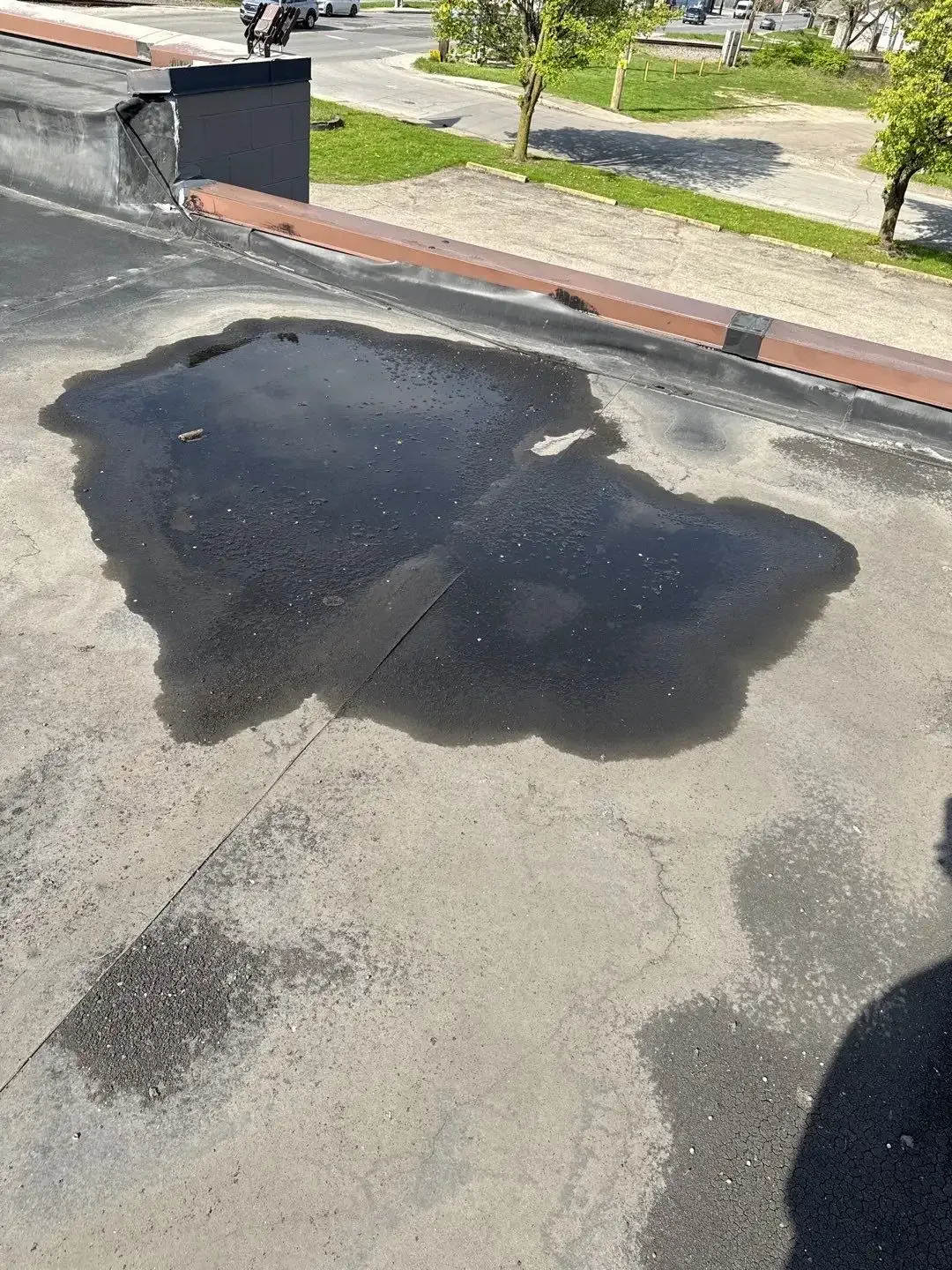
Build a simple chronology from the property manager’s report, maintenance logs, previous contractor visits, and available weather records. Record the first observation, each recurrence, interior movement of the stain, and whether HVAC or plumbing work occurred nearby. This does not prove causation; it narrows the inspection questions. A roof technician should photograph the visible condition before disturbing it and note whether water is active, residual, or not present at the visit.
The first roof visit should preserve the assembly as found. Identify the system where possible, note patches and seams, and avoid opening an area until the client approves the test. If a controlled opening is necessary, record the exact dimension and layers encountered. A test result can support a repair boundary, but any expanded removal should be documented with photos, measurements, and written authorization.
Control Immediate Water Exposure
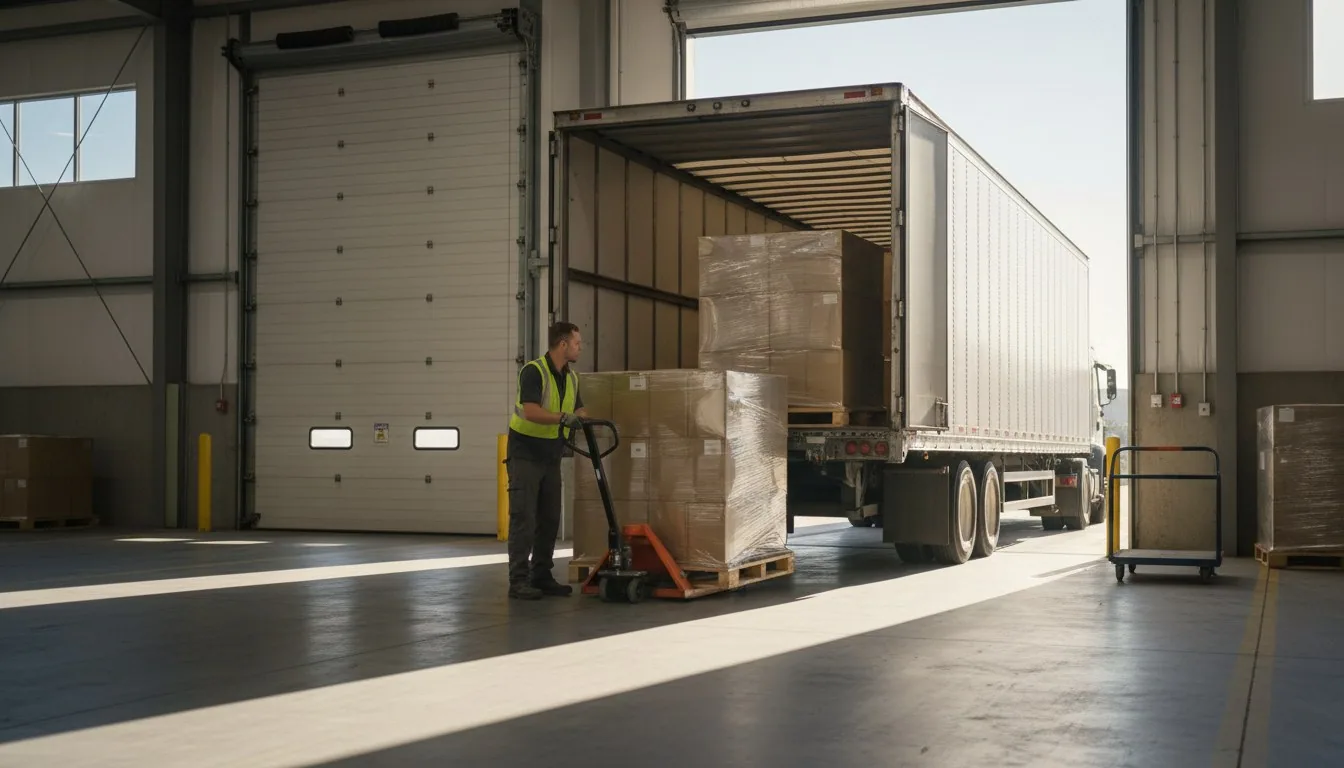
When water is actively entering, prioritize people and building systems. The owner or facility lead decides whether to isolate rooms, move inventory, or call an electrical or mechanical trade. A roofer can inspect accessible exterior details and recommend a temporary measure, but no one should enter an unsafe or energized area. The temporary scope should name the affected roof detail and state whether the measure is intended to redirect water or cover a verified opening.
Emergency work should retain a clear evidence trail: arrival time, conditions, roof access, photographs before and after, materials used, and the person who accepted the building area. If weather prevents permanent repair, state the next inspection trigger and the limits of the temporary protection. Storm-related roof repair can address a confirmed roof condition while keeping cause and coverage decisions with the insurer and policyholder.
Build a Neutral Inspection Record
A useful report uses neutral language. “Membrane split adjacent to curb” describes an observation; “storm caused split” is a causation conclusion requiring supporting evidence. Show the roof plan, room below, test areas, seam or termination details, and any inaccessible locations. If a condition cannot be inspected because of height, locked access, weather, or equipment, say so. The report should also list the next test that could reduce uncertainty.
Photographs should establish scale and context. Include a close view, a wider view with roof features, and a label that links each image to the plan. Avoid post-processing that changes colors or hides surface conditions. Store versions of the report and note when corrections were made. If an estimate changes after a test opening, the file should preserve the original scope and the reason for the revision.
Define the Estimate Boundary
Separate emergency services, investigation, temporary protection, permanent repair, interior restoration, and any broader replacement analysis. A roof estimate should list preparation, material compatibility, fastening or attachment, flashing, disposal, weather protection, testing, and warranty conditions. If wet insulation or deck damage remains unknown, use a documented allowance or unit price instead of treating the concealed area as confirmed. The adjuster can then compare an evidence-based scope with the policy review.
Before work, agree on access, test limits, photo expectations, sample retention if requested, and who may approve a change. A change order should state the new roof boundary, observed condition, added quantity, price, and schedule. Do not combine unrelated building-envelope or interior finish work into a roof line without identifying the responsible trade. Roof claim assistance can organize roof documentation; it does not make a coverage determination.
Separate City Context From Claim Evidence
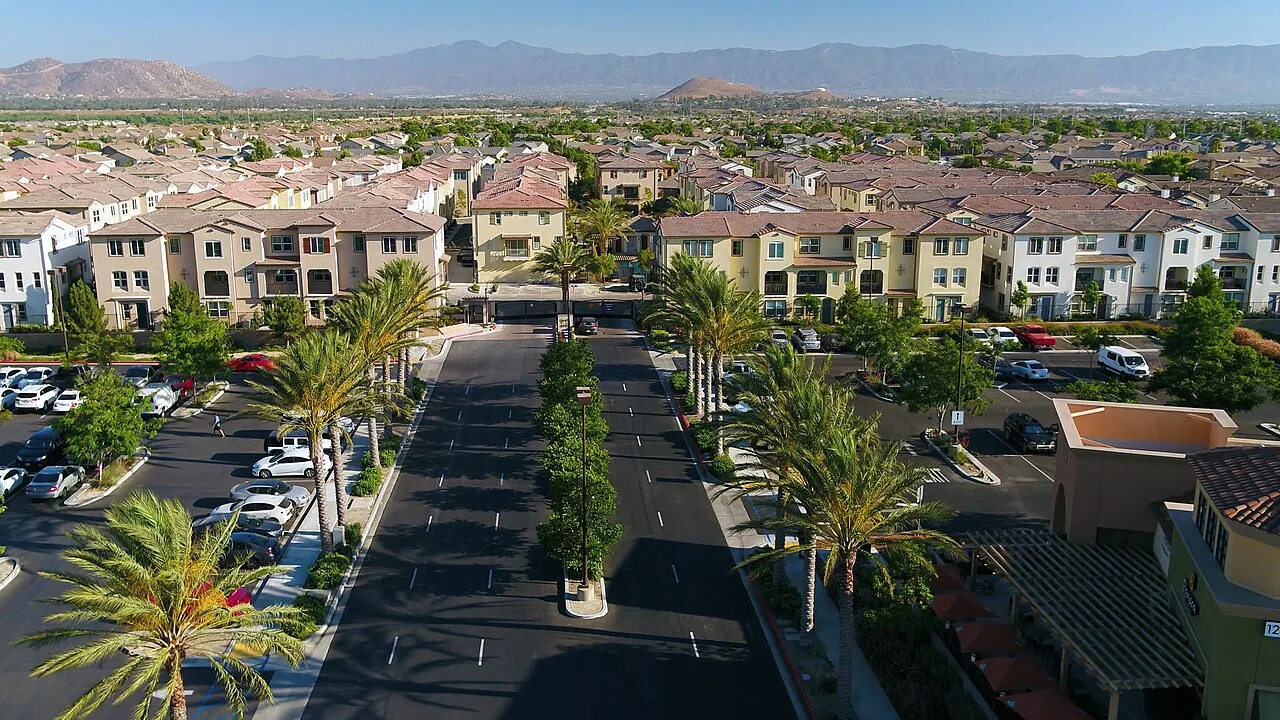
The City identifies Menifee as inland with a naturally dry climate and notes hotter average temperatures and more extreme-temperature days as climate risks. That is regional planning context, not proof of a covered loss or damage at any property. For an individual claim, use the inspected roof, dated records, and applicable policy process. Do not infer a wind, heat, or rain cause from the citywide summary alone. For a Menifee loss, confirm the property address and authorized owner contact before mobilization. Southern Gateway Economic Development Corridor and Community Core Economic Development Corridor are broad planning labels, not evidence of property damage, ownership, or claim coverage.
Menifee’s zoning map distinguishes retail, office, business-park/light-industrial, and heavy-industrial/manufacturing contexts. The City’s 2026 strategy also describes commercial and mixed-use corridors along I-215. Those facts can orient a general discussion of local building settings, but they do not prove a named property’s ownership, use, or roof assembly. A corridor planning reference is not a claim service boundary or a loss-location determination.
Repair and Validate the Detail
Select a repair only after confirming substrate compatibility and the actual failure detail. A patch over a wet assembly can trap moisture; a coating over an unstable surface may not restore the underlying attachment. Remove only the approved area, photograph layers as exposed, and stop if conditions differ from the estimate. Then follow product and project instructions for preparation, overlap, cure, and test. Record temperature and surface condition when those affect application requirements.
After repair, inspect terminations, seams, curb corners, and drainage. A controlled water test may be appropriate when approved and safe, but its limits should be stated. Testing one detail does not prove every roof area is watertight. The report should explain what passed, what remained inaccessible, and whether a return visit is needed after rain. This makes the work record useful to the property owner and the claim file.
Deliver a Clear Handoff
Deliver a packet with dated photographs, roof plan, observations, test locations and results, temporary measures, permanent repair materials, scope approvals, and open items. Identify which conclusions are field observations and which remain outside the roofer’s role. If the policyholder’s consultant or adjuster has a different interpretation, the report can still clarify the roof facts without deciding coverage. Retain earlier versions so the sequence of findings is transparent.
A final call should review the repaired boundary and any monitoring recommendation with the building contact. If a ceiling stain dries but the roof detail remains unverified, say so. The next check should be tied to an observable event or inspection date. Clear documentation avoids treating a temporary response as a complete roof rehabilitation and helps the owner schedule unrelated maintenance separately.
Related details are covered in general-contractor change records. Related details are covered in public-asset documentation. Related details are covered in emergency roof protection.
Commercial Roofing Questions
Does a roof report determine insurance coverage?
No. It documents observed roof conditions and work performed. Coverage and policy interpretation belong to the insurer and policyholder process.
Can the contractor state that weather caused the damage?
Only when the evidence supports that conclusion within the contractor’s role. Otherwise, describe the observed condition and preserve the chronology for review.
Should temporary protection be photographed?
Yes. Record the roof detail before and after, the materials and boundary used, who authorized it, and when the permanent inspection is planned.
How are hidden conditions handled?
Stop at the agreed test boundary, document exposed layers, and obtain written approval for additional removal or revised pricing.
What records should accompany a repair estimate?
Include roof-zone photos, plan markup, measured limits, material and preparation details, test notes, exclusions, and any open investigation item.
Related Roofing Work
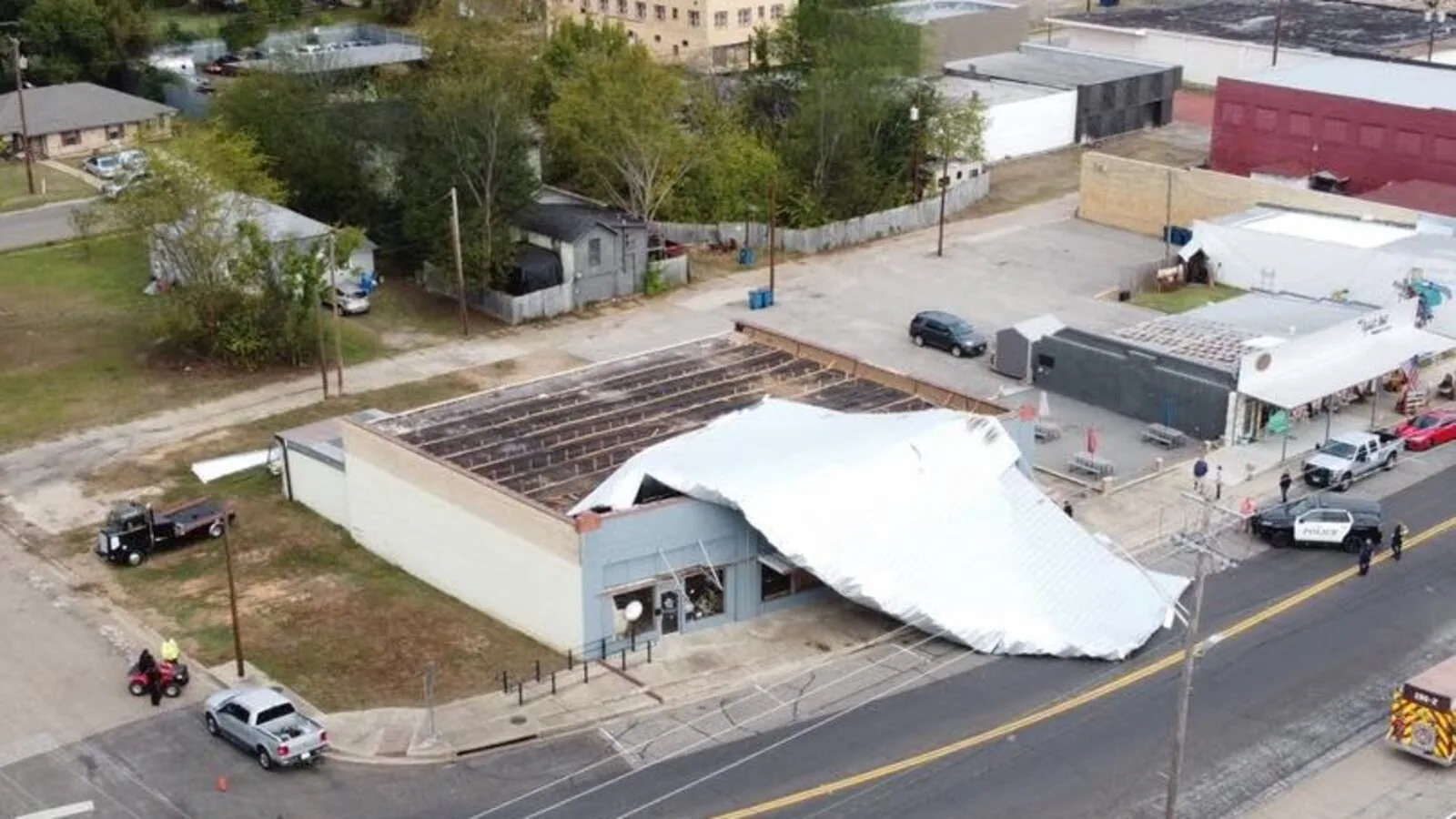

Coordinate a commercial roof review
Request a Roof Assessment
Schedule a roof inspection with the property contact and claims team. We will document observed conditions, test limits, temporary protection, and any repair boundary requiring approval.
Service area
Menifee, Perris, Murrieta, Temecula, Hemet, Lake Elsinore and nearby Inland Empire communities
Quick contact
[email protected]
555-555-5555