
Commercial Roof Insurance Claim Assistance in Menifee, CA
Home / Commercial Roofing Services / Commercial Roof Insurance Claim Assistance in Menifee, CA
A leak enters through a roof opening, but a claim file can lose its path when photos, calls, temporary protection, and estimates label different roof areas. In Menifee, we build the record from the property outward: reported room, date and time, likely water path, roof detail, and any material opened. The Diligence Notes separate an emergency action from permanent work and identify conditions that remain untested. We can prepare photographs, a roof map, moisture findings, and a repair scope for the owner and insurer to review. Coverage, causation, and payment remain decisions made under the policy by the carrier. A documented roof inspection gives those conversations a clear technical starting point.
Build the Timeline Before the Scope
Start with the first report of water, not with a repair total. We record when a leak appeared, what room or equipment was affected, whether water continued after the event, and what temporary action followed. Dated photos should show the interior condition and the corresponding roof area where access is safe. If a ceiling tile was removed or an opening was covered, the report notes who made that change and when. A roof plan with numbered photo locations helps everyone distinguish one curb, seam, or drain from another. The chronology matters when a property has older maintenance items and a new event close together. It keeps observed conditions, owner reports, and contractor findings in separate lanes.
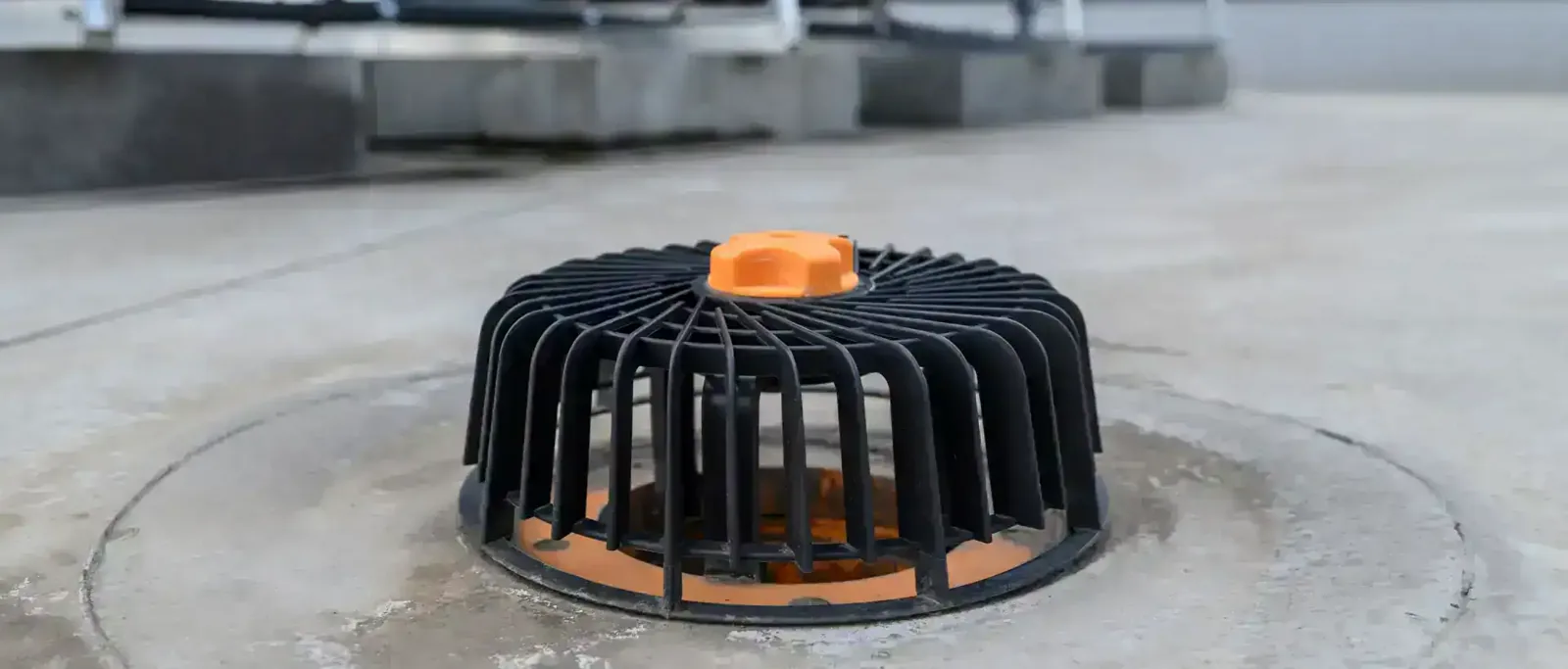
Show the Roof Detail Clearly
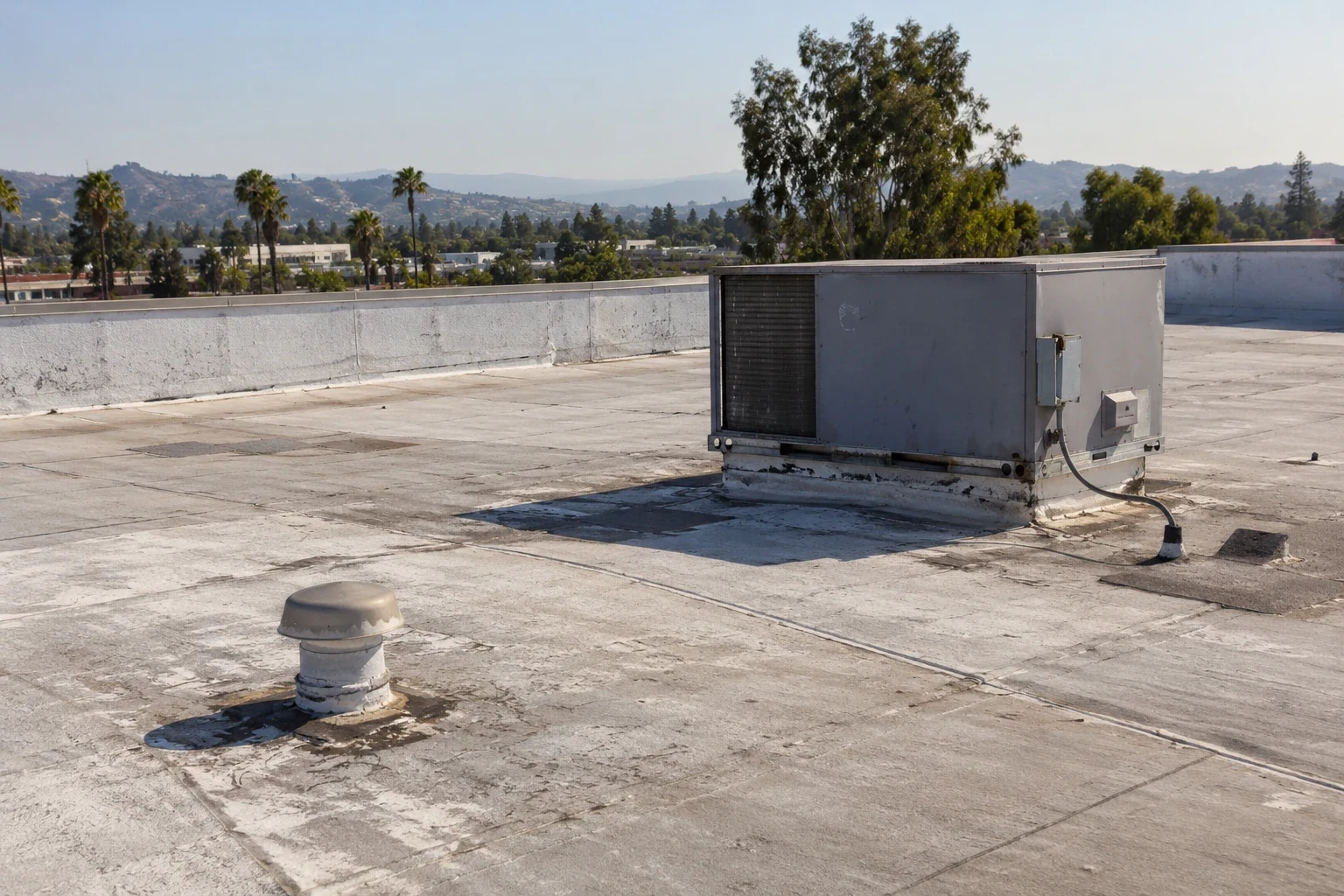
At the roof, we photograph the reported area before disturbing debris or material, then record the defect from context and close range. A wide image establishes orientation; a closer view shows a lifted edge, puncture, split seam, or damaged flashing. We note adjacent conditions that could change the repair boundary, such as moisture beyond the visible opening or a drain restriction near the leak path. If a core cut or other opening is needed, its location and findings should be documented, then the area protected and restored. A storm-damage assessment can keep emergency stabilization, observed damage, and permanent repair recommendations distinct in the claim packet.
Separate Damage from Maintenance
An estimate is easier to review when it identifies the material, roof zone, quantity, and repair method for each item. We distinguish the immediate opening from unrelated housekeeping, deferred maintenance, or an existing defect that requires separate attention. That does not assign responsibility or decide coverage; it gives the reviewer enough detail to ask a precise question. For a membrane repair, the scope can identify preparation, compatible patch material, seam treatment, flashing tie-in, and closeout photos. If moisture extends beyond the repair area, the estimate should state what testing or opening remains. A commercial roof repair scope can provide those technical details while keeping unknown layers and concealed conditions clearly identified. Before any concealed condition is priced as confirmed work, note the access or opening needed to evaluate it. A separate allowance should state its basis and what would trigger its use, rather than blending uncertain removal into a fixed repair quantity. If damaged insulation extends past the visible wet area, map the tested boundary and identify which adjacent sections remain unchecked. The insurer and owner can then review the documented roof work beside any policy questions without treating an estimate assumption as a final finding.
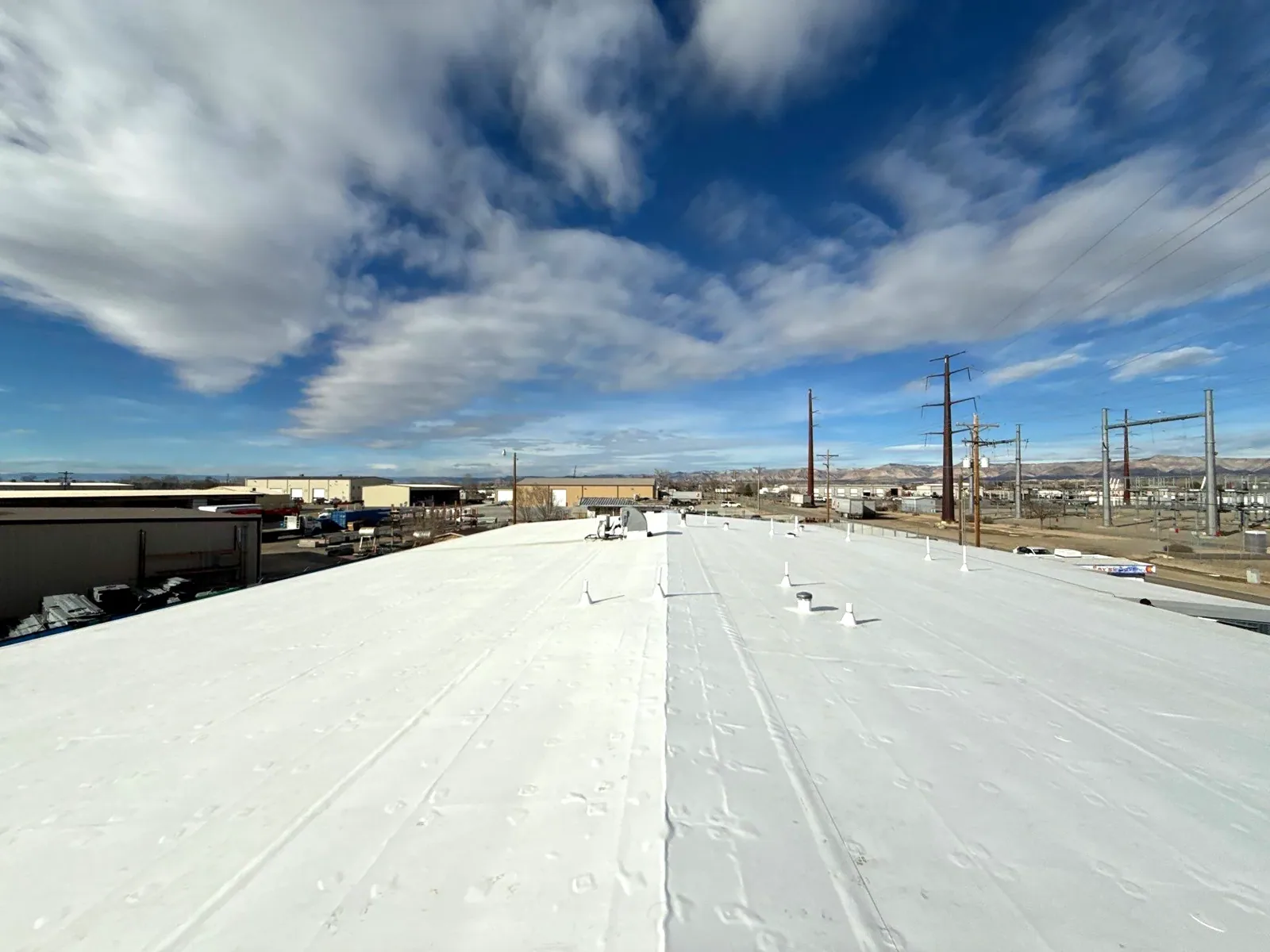
Keep Local Context in Its Place
Menifee planning describes the Northern Gateway Economic Development Corridor as a business-park area with more industrial use than Scott Road, while the McCall Boulevard Economic Development Corridor is intended for office, medical, and residential uses. Those different area roles do not establish the cause of damage or the roof assembly at a particular address. They do underscore why a claim record needs to identify the actual building use, access route, equipment restrictions, and roof conditions rather than rely on a citywide assumption. Menifee's inland heat context also makes the event timeline useful when a membrane or sealant condition changes between inspections. The scope remains tied to the photos, Diligence Notes, and roof details that were observed.
Coordinate the Roof Walk
When an insurer, adjuster, facility contact, and roofing contractor need to review the same area, agree on access and a photo route before the walk. We can identify the visible roof defects, explain the test method, and record questions that require another opening or policy review. If parties observe different conditions, the report can show the locations and images that need a second look. No one should describe an untested area as dry or sound simply because the walk did not expose it. For a disputed entry path, a wind-related roof review can document attachment and perimeter conditions, while the carrier evaluates coverage under the actual policy.
Protect the Building While Decisions Continue
Active water may require temporary protection before the claim review is complete. We document the starting condition, the temporary material and location, and what remains exposed; then we plan the permanent repair once the scope is agreed. A temporary cover should not block drainage, overload a weak area, or conceal a known defect without a follow-up note. If the assembly needs to dry or an insurer requests another inspection, schedule that step before permanent material closes the area. The closeout can list completed repair, quantities, photographs, and remaining observations separately. A condition report can help track that handoff; a roof condition report keeps the technical record organized by roof zone rather than by email thread.
Keep the File Useful After Repair
After work, add final photos from the same angle as the initial images and label the repair location on the roof plan. Use one roof-map reference for each photo and estimate item, and retain the original image before marking or compressing it. If an adjuster requests a new angle, add that image to the same zone record instead of replacing the earlier view. The file then preserves both context and close-up detail. Record what material was installed, what area was prepared, and whether a test or return inspection remains. Keep invoices and Diligence Notes tied to the same work item so an owner can compare the approved scope with the completed work. If another leak appears later, the record should show whether it is at the repaired detail or a separate roof zone. Menifee's Community Core is intended as a civic gathering place, with commercial retail supporting its activity-center role. That citywide planning context cannot replace a building-specific claim record, which starts with the roof.
Commercial Roofing Questions
Should temporary protection wait until an adjuster arrives?
When water threatens the interior, prompt stabilization can limit additional exposure. We photograph safe, accessible conditions before and after the work, record the materials and limits, and preserve the area for follow-up. The owner should also follow the policy's notice and mitigation requirements.
Can a roofer determine whether the insurer will cover the damage?
No. We describe roof conditions, testing, and repair requirements. The carrier applies the policy and makes coverage decisions. A clear technical record helps the owner and reviewer discuss the same observed areas without treating a contractor's scope as a coverage determination.
What should be included with the repair estimate?
Identify the roof zone, observed condition, quantities, preparation, materials, tie-ins, access limits, and exclusions. Separate emergency protection from permanent work and list concealed conditions that still need inspection. Dated photos should match the locations named in the estimate.
Can unrelated maintenance be left out of a claim scope?
Yes. We can separate a reported damage repair from routine cleaning or older defects in the estimate. Keeping those tasks apart allows the owner and carrier to review each item on its own evidence without merging unrelated work into one total.
Related Roofing Work
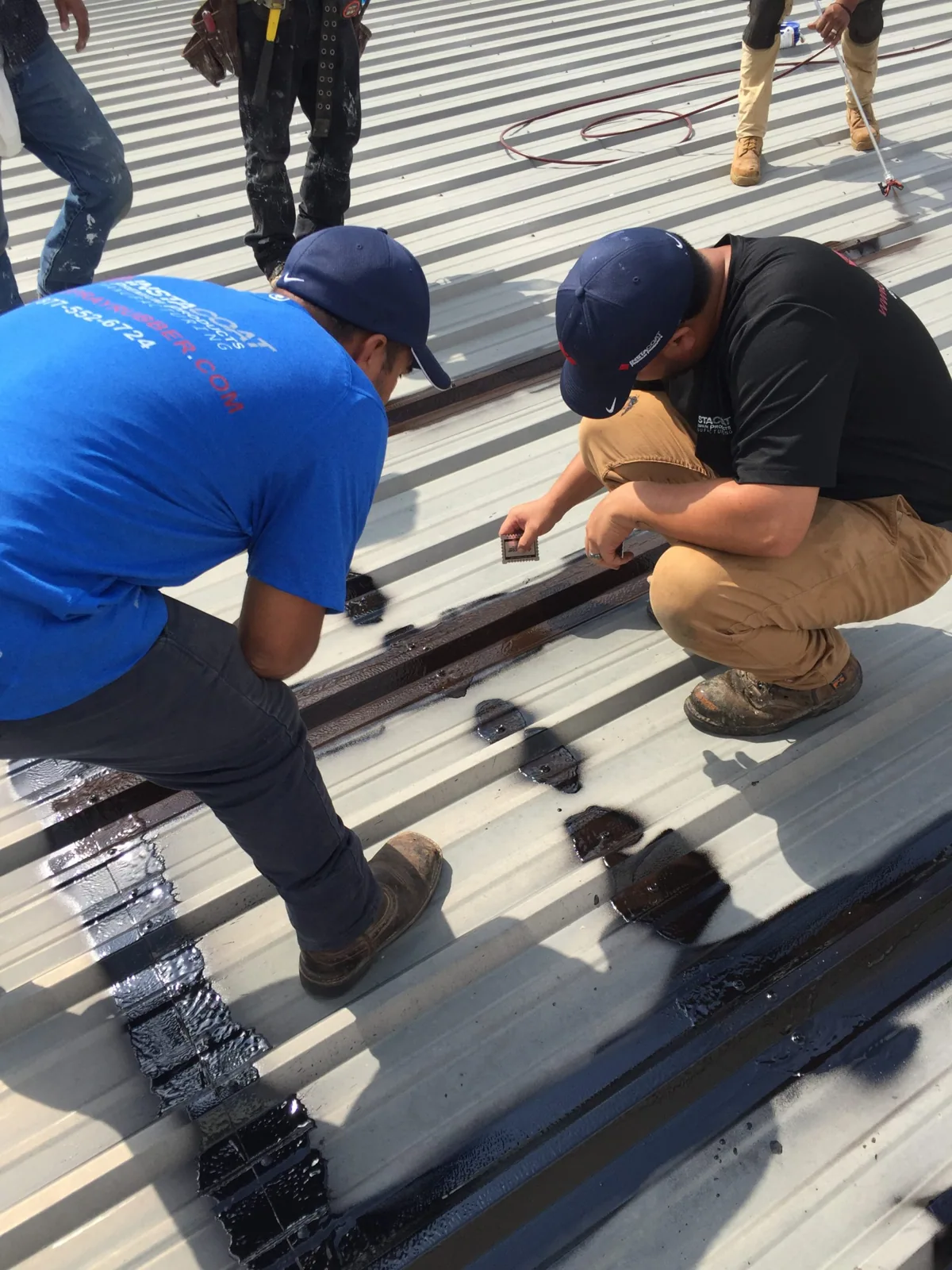
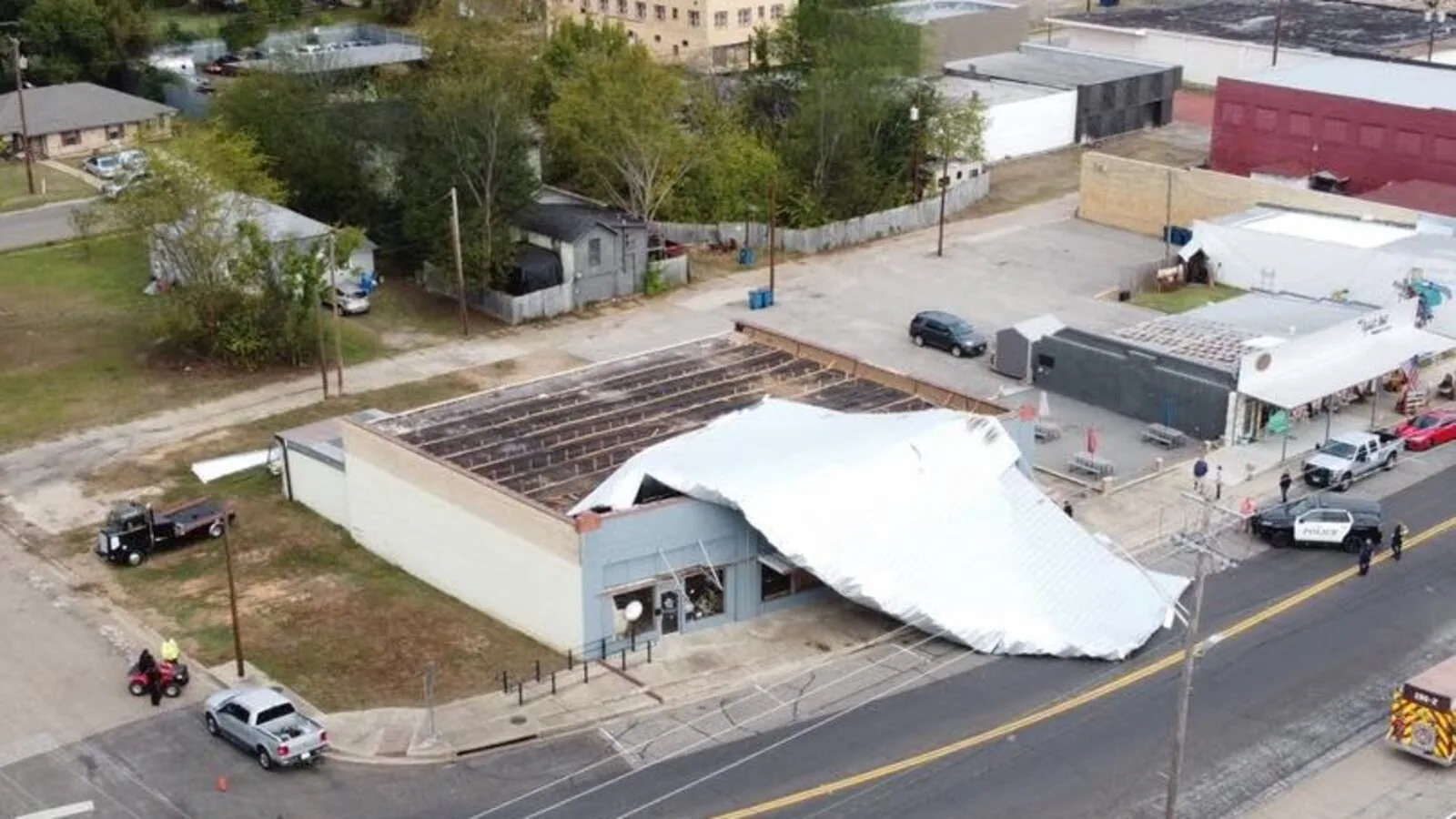
Organize the Roof Record for Review
Request a Roof Assessment
Arrange a technical inspection and gather the event timeline, existing roof plan, and safe access details. We will document conditions and prepare a repair scope without promising a coverage outcome.
Service area
Menifee, Perris, Murrieta, Temecula, Hemet, Lake Elsinore and nearby Inland Empire communities
Quick contact
[email protected]
555-555-5555