Versico Commercial Roofing in Menifee
Home / Roofing Manufacturers / Versico Commercial Roofing in Menifee
Versico’s product resources identify VersiFlex as a PVC membrane and provide separate membrane and system information. That is a useful beginning for a specification review, but not enough to select a roof assembly at a particular building. Confirm the installed product, compare the current detail set, and inspect the deck, insulation, seams, drainage, and rooftop transitions.
Menifee’s employment and commercial corridors are broad planning areas rather than evidence about any single roof. For each facility, trace the reported water path and make the proposed repair or replacement match what the field survey actually confirms.
Use the Product Page as a Starting Point
When a project record refers to VersiFlex, verify the exact membrane and system components in the current technical documents. Product pages and system pages serve different purposes: one may describe the membrane, while another specifies how it is assembled with insulation, attachment, flashing, and accessories. Keep the documents together so the selected detail does not drift away from the approved specification.
Ask whether the roof file includes approved submittals, material labels, repair tickets, test data, and marked as-built drawings. If any are missing, list them as evidence gaps. A photo of a white sheet cannot confirm chemistry, reinforcement, or thickness. The inspection should document visible conditions and use owner-approved testing where a decision depends on concealed layers. A roof condition report can preserve those distinctions.
Evaluate VersiFlex PVC on the Whole Assembly
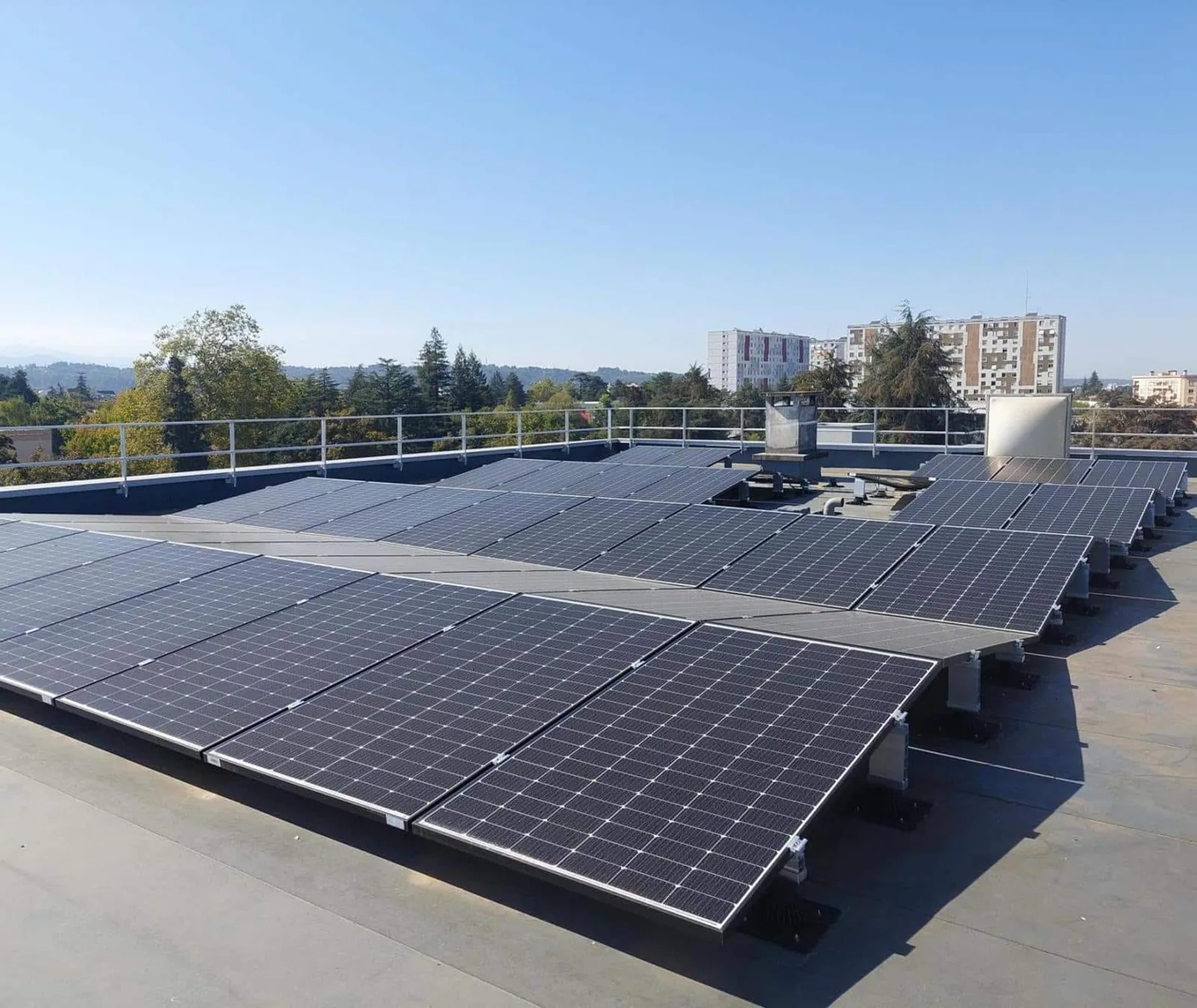
VersiFlex identifies a PVC membrane product, but the roof performs as an assembly. Consider deck, vapor control, insulation, cover board, attachment, seams, penetrations, edges, drainage, and maintenance paths together. Each may influence whether a repair can stay local or whether the surrounding area needs investigation. Compare the current product data with the system details written for the project.
Do not assume the existing roof is a VersiFlex assembly because the building has PVC. Verify the label or documentation, examine seams and patches, and confirm layers at an approved test opening if needed. If product identity remains uncertain, state that and avoid a material-specific tie-in until it is resolved. PVC roofing considerations explain broad category questions but do not identify an individual roof.
Review Welds, Flashings, and Changes in Plane
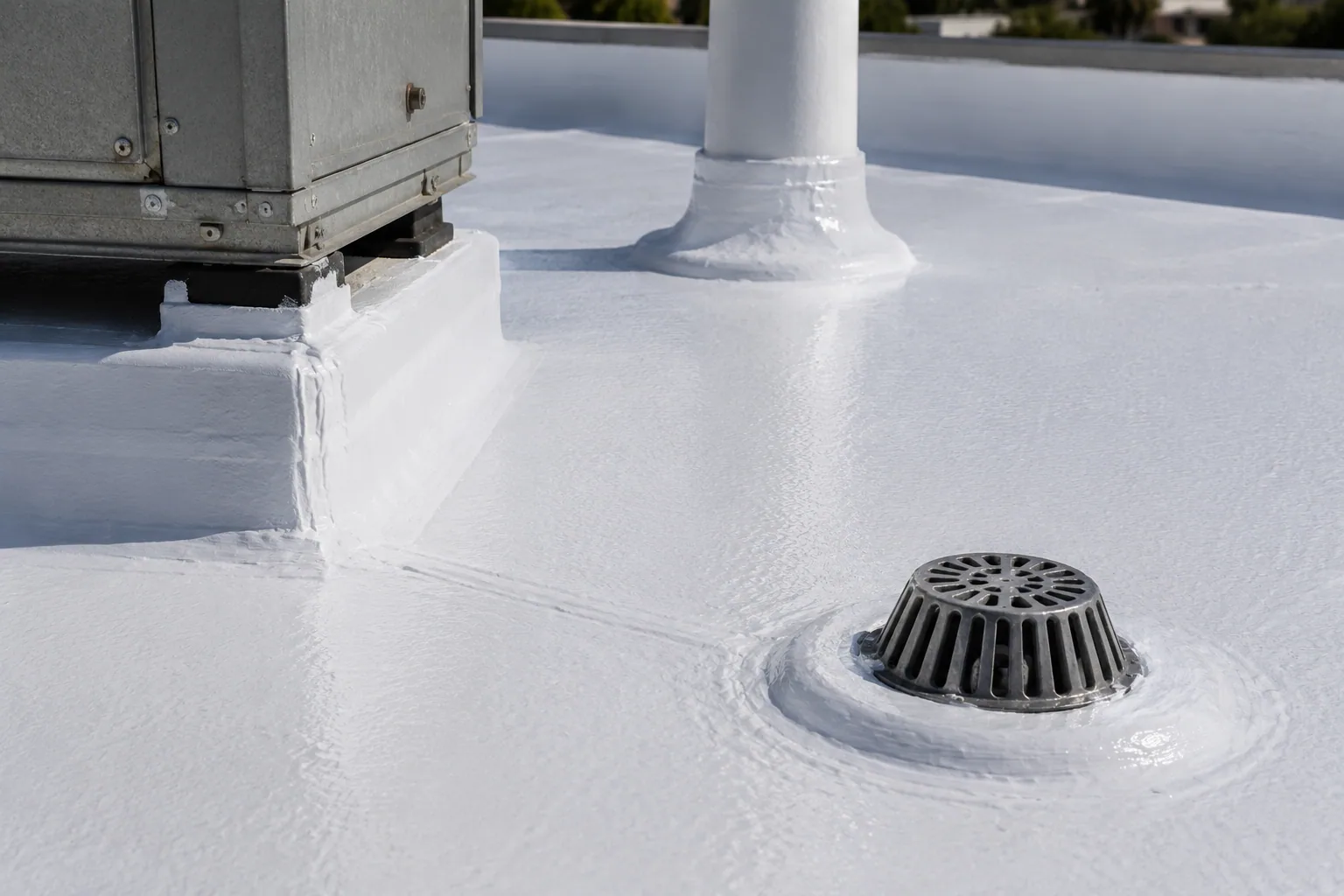
Check the field seams first, then follow the sheet into corners, wall flashings, curbs, pipe penetrations, drains, and expansion joints. A seam may look continuous in the middle of a roof yet open at an intersection or change in plane. Record wrinkles, unbonded edges, movement, patch layers, and nearby maintenance traffic. Where visual review cannot confirm weld integrity, use a test method allowed by the project procedure.
Repairs should state the preparation, compatible material, weld or flashing sequence, and inspection point. Photograph each detail before counterflashing or equipment conceals the work. The location of a patch should be measured from a fixed grid or roof feature so a follow-up visit can find it. Penetration flashing review and seam repair planning address distinct details that may meet at the same leak path.
Confirm the Attachment and Wind Design Basis
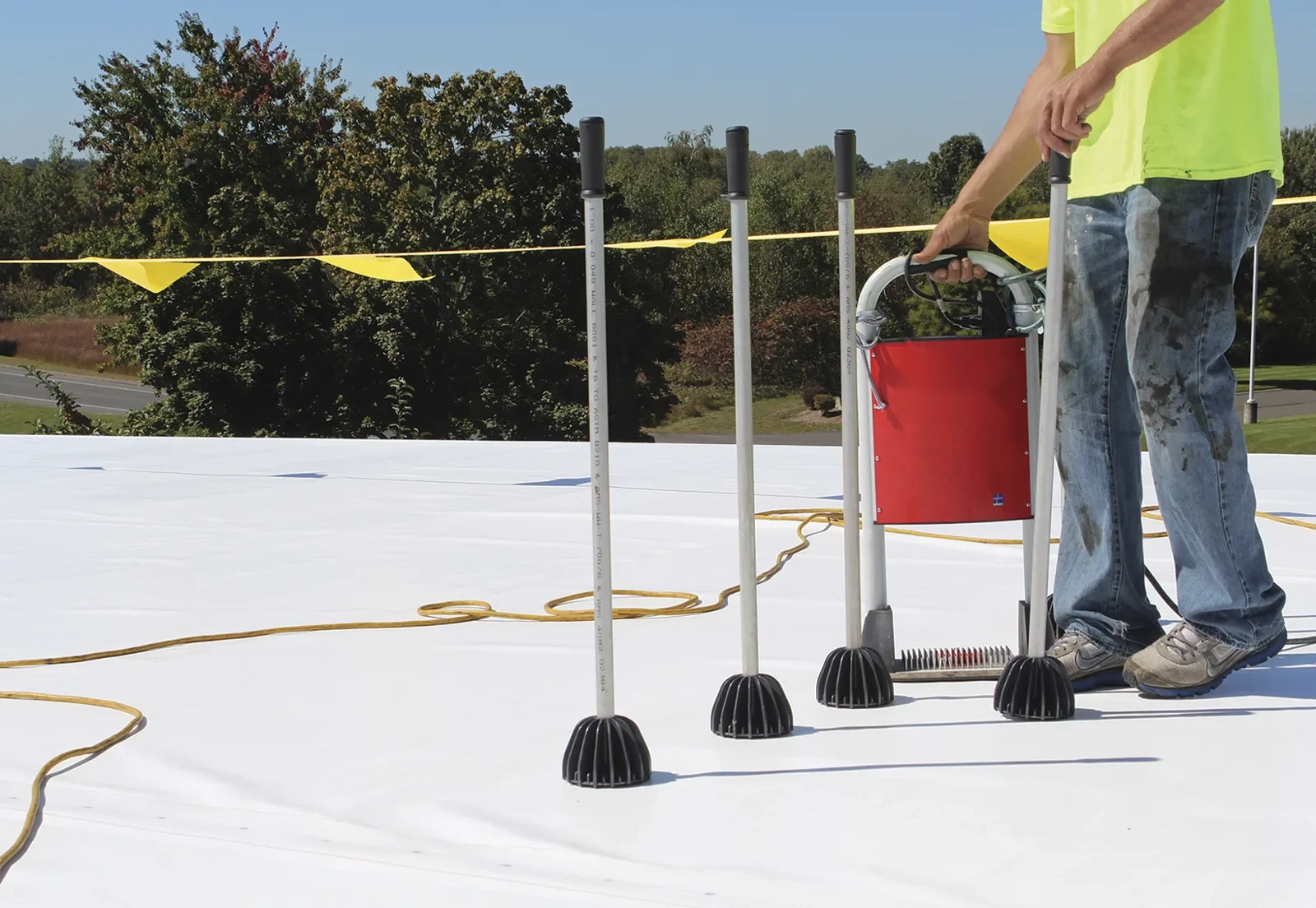
Whether a system is mechanically attached or adhered, check the substrate and approved components that support the design. For mechanical attachment, confirm deck material, fastening data, pattern, perimeter zones, insulation attachment, and edge conditions. For adhered work, review substrate preparation, adhesive compatibility, application limits, and any required field checks. Do not change the attachment method because it appears faster or familiar on another property.
Menifee’s code-adoption information is useful jurisdictional background, but risk category and project-specific wind pressures still need design confirmation. The building geometry, exposure, and edge zones matter. Record who approved those inputs and how they relate to the selected Versico system documents. Replacement planning should describe the basis and identify any unresolved design question before materials are ordered.
Trace Moisture and Surface Conditions
Follow a water report from the interior back to the roof. Inspect nearby drains, overflow paths, equipment bases, wall transitions, and earlier patches. Where moisture mapping is used, note the instrument, surface temperature, weather conditions, and verification process. A wet area can extend beyond the visible opening, but its extent should be measured rather than assumed. Show the confirmed boundary on the roof plan.
The City describes Menifee as inland and naturally dry, and notes rising temperature exposure in its climate planning. That does not establish the condition of a VersiFlex membrane or any other roof. Inspect the real surface and record any open seam, displaced termination, or movement-related clue. Northern Gateway planning context may help orient a property conversation, while roof conditions must come from an on-site review.
Stage the Work and Protect Building Operations
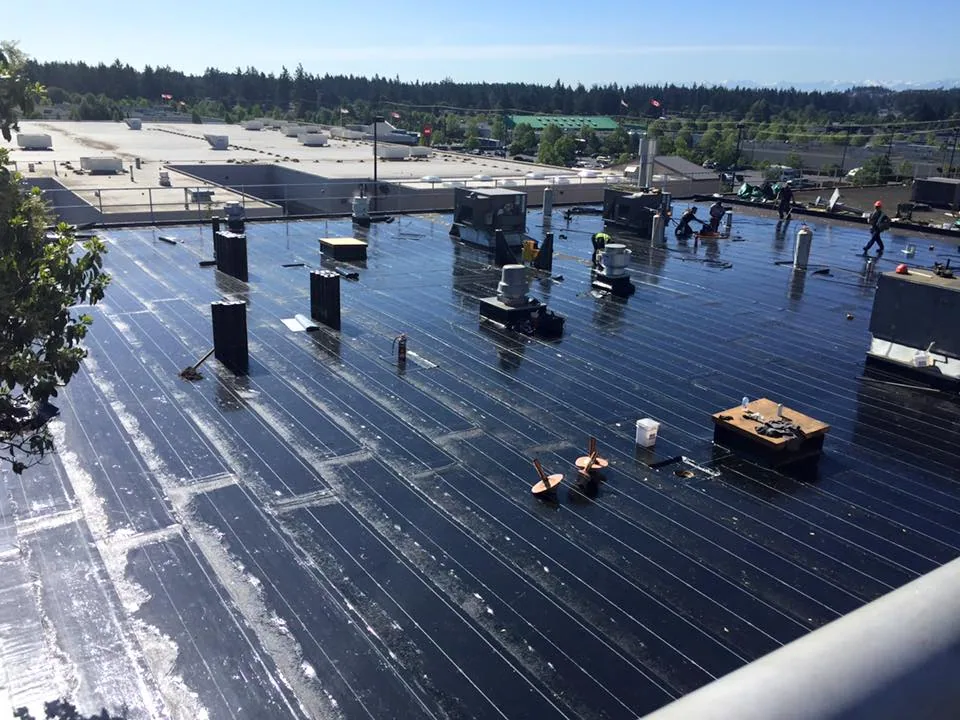
Before the crew mobilizes, confirm access, lift locations, delivery windows, material storage, restricted areas, and the building contact who can release a roof zone. Protect interior equipment and occupied spaces from debris or water exposure. If rooftop equipment must be isolated, the owner’s qualified staff manages the control and restart. Keep roofing scope focused on membrane and flashing interfaces, with clear coordination points for other trades.
Set daily limits for open roof area and define a secure stop condition if moisture or deck deterioration exceeds the planned boundary. A change decision should include photographs, measurements, a proposed repair detail, and schedule consequences. Occupied-building sequencing can state these handback conditions. Keep the plan specific enough that a facilities manager can understand what will be exposed, protected, installed, and inspected during each shift.
Maintain a Useful As-Built Record
At closeout, retain approved technical data, the actual product and accessory identification, shop details, installation photos, inspection results, change orders, and a final roof map. Mark repaired seams and penetrations, areas of retained membrane, test locations, and unresolved maintenance items. This record helps the next inspection distinguish a new defect from an old repair and shows which documents governed the installation.
Follow-up checks should revisit edges, drains, equipment interfaces, and locations where later trades worked. Record date, weather, roof zone, observed condition, and next action. A roof record review can organize documents without deciding coverage. Compare the Sika Sarnafil PVC information or Carlisle SynTec product families only as separate manufacturer references; confirm current details for whichever system the design actually specifies.
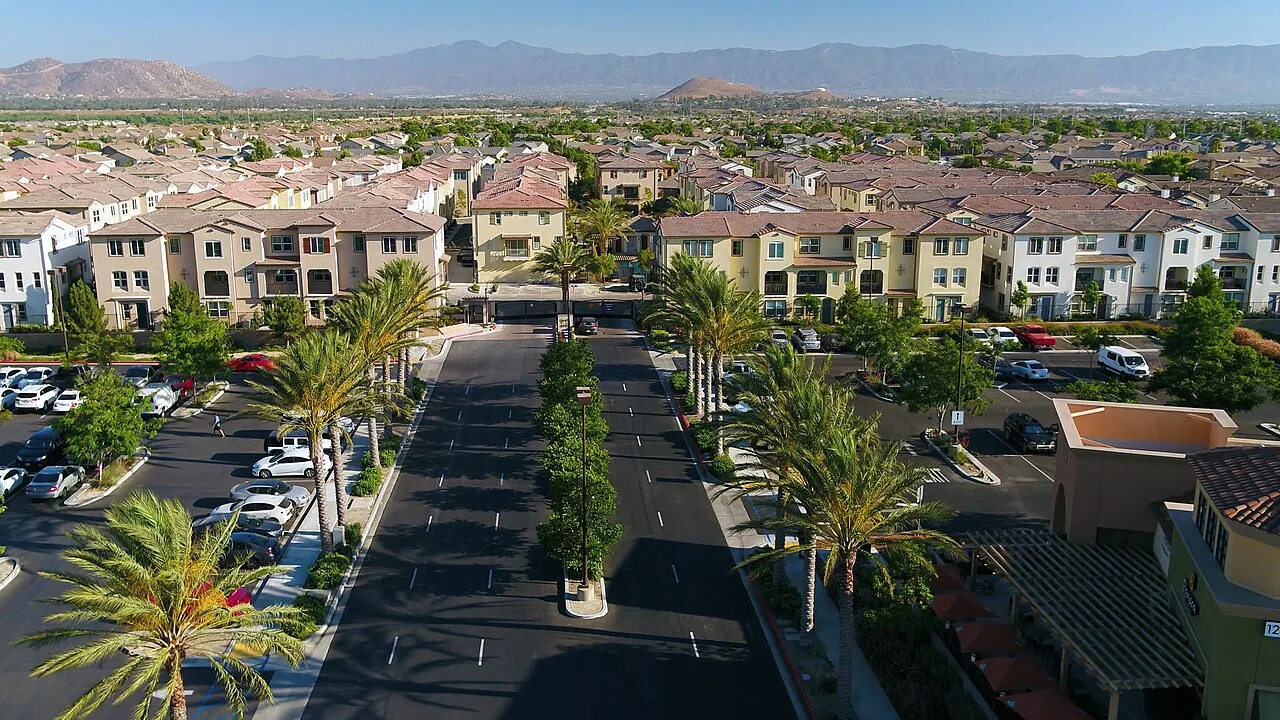
City planning context can help a Menifee property team coordinate access without being mistaken for a building inventory. The Northern Gateway Economic Development Corridor is described as an employment district, while Newport Road Economic Development Corridor is described as a commercial district with retail and office uses. Neither description identifies a roof assembly or service relationship. A property manager comparing VersiFlex should verify the actual address, project records, and each roof section before discussing attachment, seam procedure, or repair materials. Different additions can have different substrates even when they share one parcel. Mark those boundaries and the location of test openings so the design review stays tied to the right assembly. Compare Carlisle SynTec system families and Sika Sarnafil PVC resources as independent product references.
Commercial Roofing Questions
Does VersiFlex mean every Versico roof is PVC?
No. Confirm the product name and installed assembly in project records and the field. A brand relationship does not identify an existing membrane.
Can a PVC seam be repaired with a generic patch?
Use the current system-specific surface preparation, compatible material, and joining procedure. Identify the membrane before specifying the repair.
What information is needed to compare attachment methods?
Deck and insulation data, fastening or adhesive requirements, wind design, perimeter details, and the approved assembly documents should be reviewed together.
What belongs in the maintenance handoff?
Keep product documentation, approved details, test results, repair photos, the final roof map, and any conditions that require a scheduled follow-up.
Related Roofing Work
Review the roof assembly and next step
Request a Roof Assessment
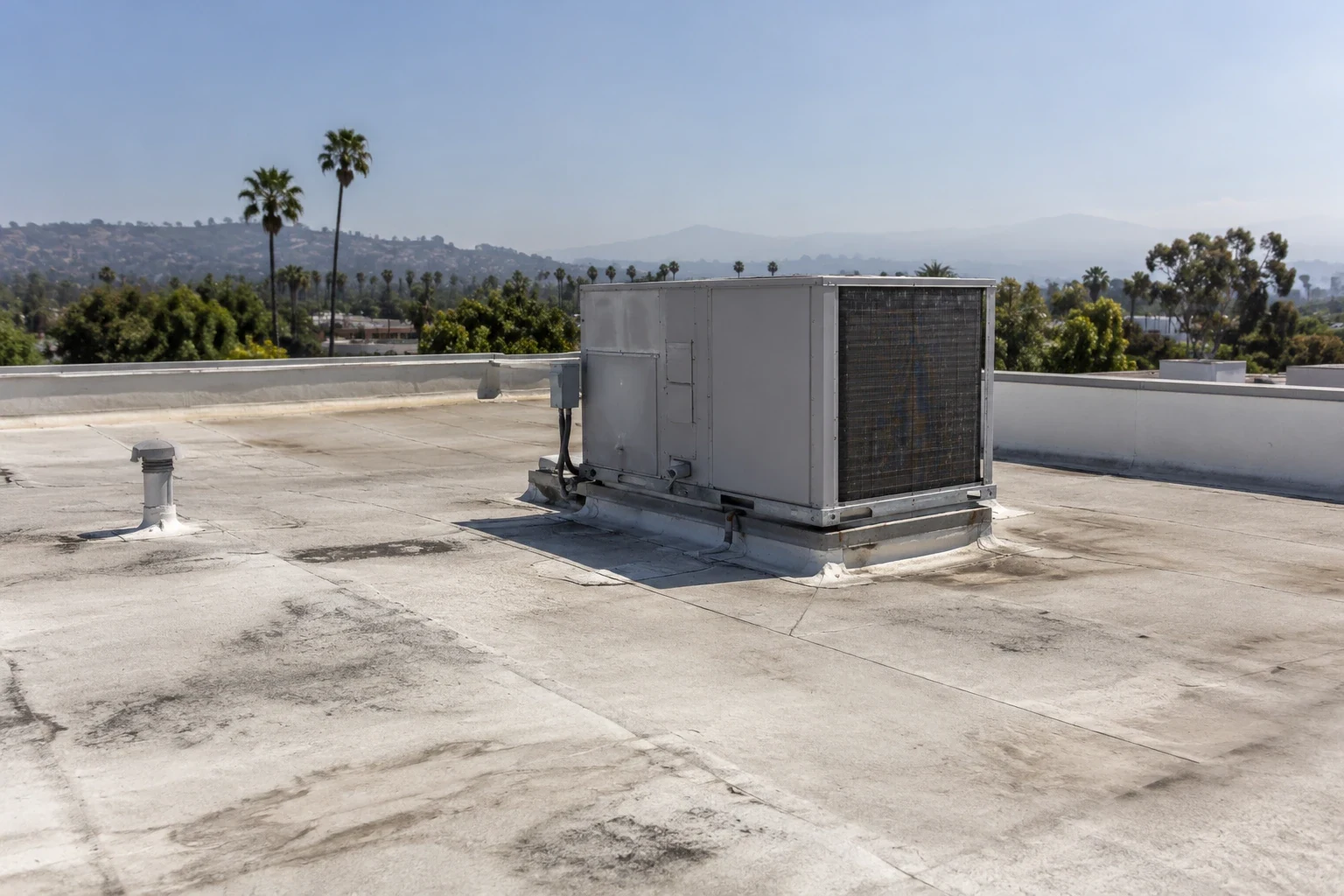
Arrange a commercial roof inspection around access and operating hours. The field report can identify the installed layers, document repair boundaries, and separate confirmed findings from questions that need further testing.
Service area
Menifee, Perris, Murrieta, Temecula, Hemet, Lake Elsinore and nearby Inland Empire communities
Quick contact
[email protected]
555-555-5555