
Commercial Roofing for Retail and Restaurant Chains in Menifee
Home / Industries We Serve / Commercial Roofing for Retail and Restaurant Chains in Menifee
A brown ceiling tile over a dining area may be the last sign of a roof problem, not the first. Water can enter near an exhaust curb, travel under a membrane, and appear far from the opening. We start by matching the indoor stain to the roof above it, then note whether the building has a kitchen, walk-in cooler, drive-through, customer entrance, or shared shopping-center access. The initial report separates the urgent water route from any broader roof work.
For a chain, a repeatable report format matters, but each address still needs its own inspection. Store managers can share operating hours, delivery windows, refrigeration concerns, and who may approve ceiling access. Corporate facilities staff provides prior repair records and brand standards. That division keeps a local observation from being treated as a portfolio-wide defect, while letting decision-makers compare the same roof details and repair evidence across different properties.
Triage the Store Report
Classify a call by what is happening inside: active dripping, stained finish with no current water, odor, ceiling sag, or water near electrical or food-preparation areas. Ask when the condition began, which weather preceded it, whether an HVAC service visit occurred, and if the stain changed after the roof dried. The manager should protect merchandise and keep customers away from an unsafe ceiling without attempting roof access.
The field team then maps the affected room to roof features above it. Exhaust hoods, refrigeration lines, parapets, drains, and previous patches are checked as separate possible paths. A stain may sit below an offset or a roof transition. Photos should include a room reference and roof-zone label without capturing customer faces or payment information. If moisture testing is needed, agree on the exact test area and how the dining or sales floor will be protected.
Schedule Around Trading Hours
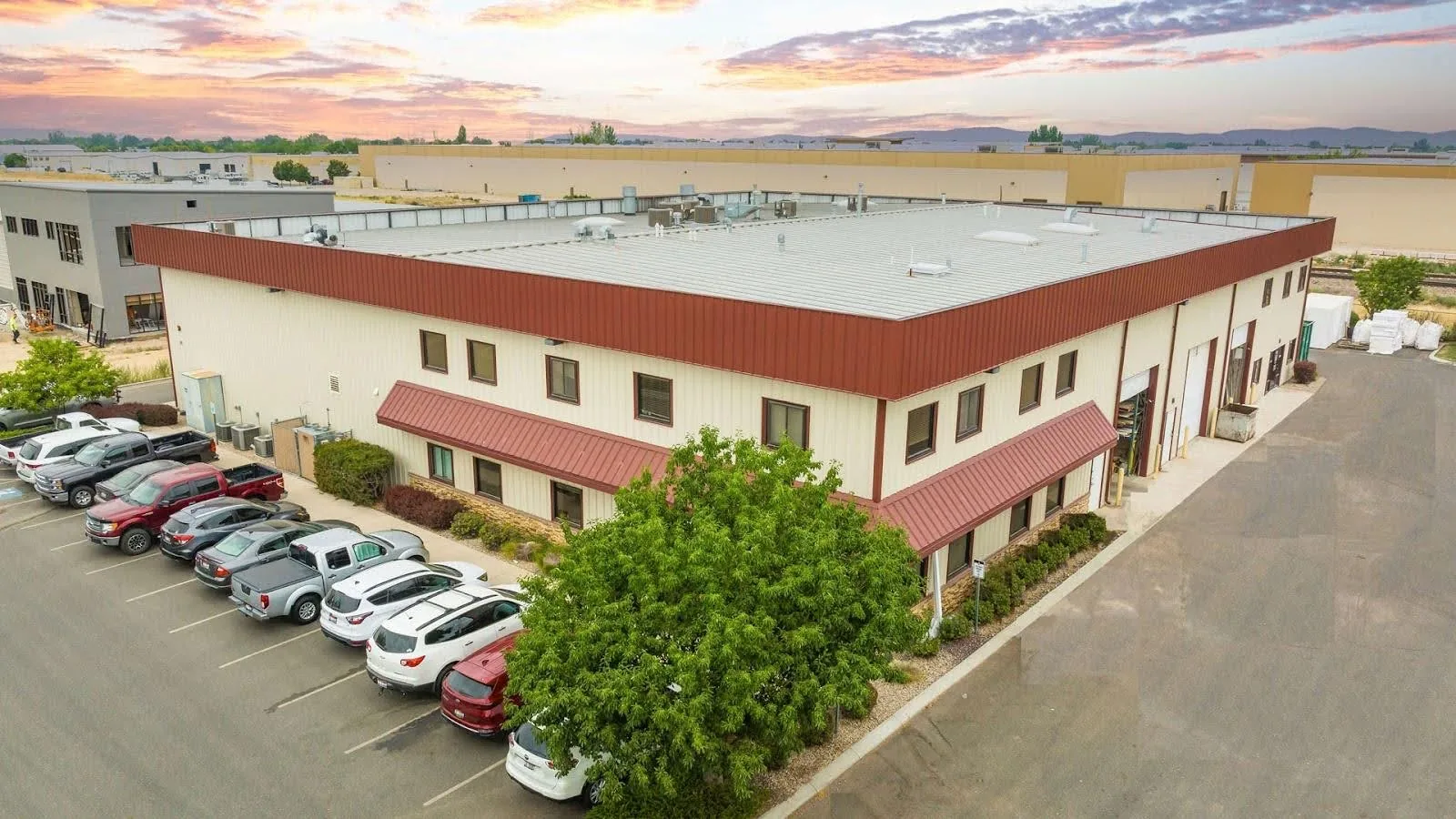
Choose an inspection window that avoids the busiest service period and confirms access to a manager or facilities lead. Roof access may require a ladder location away from customers, a secured back-of-house route, and advance notice to tenants when a roof is shared. For restaurants, confirm whether a rooftop exhaust fan can be inspected while it is off, and who controls shutdown and restart. For retailers, note deliveries, stockroom use, and areas where a lift could block egress.
Small repairs may fit between operating periods if the work area can be isolated and materials can be secured. Larger removal is different: noise, odors, overhead work, and temporary openings can affect sales and food operations. A daily plan should specify a watertight stopping point and what the manager checks before reopening the adjacent area. Occupied-building sequencing is useful when a roof project crosses store hours or multiple shifts.
Coordinate Kitchen and Rooftop Equipment
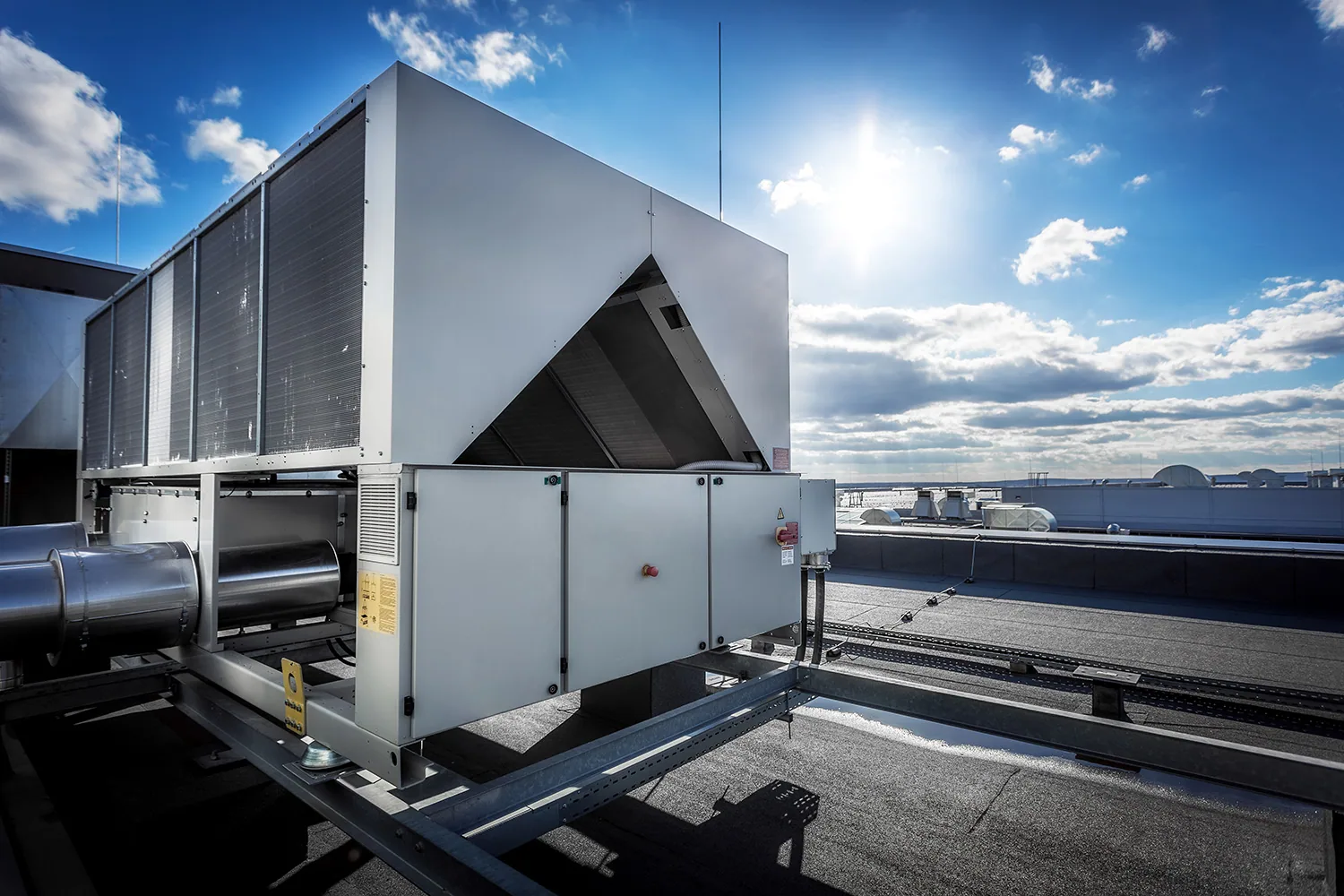
Kitchen exhaust creates grease exposure and repeated service activity around curbs and duct penetrations. Inspect the flashing, curb attachment, nearby seams, and any protective metal without assuming the exhaust contractor caused a leak. If cleaning or fan work is due, coordinate the trades so roof findings are not confused with a recent equipment repair. Refrigeration lines and cooler penetrations should be recorded with the equipment operator, especially if the roof repair could affect a line support.
Avoid placing temporary materials where they restrict exhaust, intake, fire protection, or service access. The roof team should not change a hood system, refrigeration circuit, or electrical connection without authorization from that trade. A roof report can still identify a gap at a curb and photograph its surroundings. A curb and equipment-support review can document the roof interface while preserving separate mechanical responsibilities.

Keep Portfolio Records Comparable
Corporate teams can keep a chain register with location ID, roof system, inspection date, warranty contact, known repairs, and the manager authorized to grant access. Store nicknames are not stable identifiers, so include the street address and a corporate asset number. Distinguish an emergency visit from a planned condition survey; they answer different questions. A repeat leak call at one location should prompt review of that site’s repair history rather than a blanket replacement recommendation for every store.
If several stores report similar conditions after one weather event, compare observations before declaring a common defect. Roof age, drainage, construction, and maintenance may differ. A portfolio dashboard can show which sites need follow-up while preserving individual photos, test locations, and boundaries. Multi-site roof records can help the facilities group schedule comparable inspections without treating every address as identical.
Menifee Context
The City’s zoning map distinguishes commercial retail and office categories as well as business-park and manufacturing uses. Use zoning labels only as background; verify the tenancy, access arrangement, and actual roof condition at the address. Verify ownership, lease responsibility, roof access, and the exact work boundary from project documents. For a Menifee property, confirm the exact address and who controls the roof before scheduling. Newport Road Economic Development Corridor and Community Core Economic Development Corridor are planning areas, not a verified list of chain locations or a service limit.
Menifee’s economic strategy describes designated commercial, office, and mixed-use corridors along Interstate 215. It also identifies Newport Road as a commercial district mixing retail and office uses. Those planning references describe broad activity areas, not a service-radius promise or a chain property roster. For a site-specific plan, confirm address and access with the property manager. Newport Road corridor context can orient the conversation without substituting for that check.
Account for Heat and Water
The City characterizes Menifee as inland and naturally dry, and its climate materials identify increasing temperatures and more extreme-temperature days as risks. Heat can influence when crews handle exposed roofing and how a surface feels underfoot, but the actual membrane condition must be inspected. Record whether seams are open, flashing is separated, or an old patch has become brittle; do not infer a failure solely from the season.
After rain, check drains and overflow paths before attributing ponding to a leak source. A damp ceiling may reflect retained interior moisture, while a separate roof detail admits new water. The test plan should distinguish those possibilities. Cover merchandise only after the manager approves a safe layout, and do not leave a bucket or temporary barrier where customers could trip. For food areas, the store’s sanitation lead determines what must be protected or discarded.
Close the Repair Record
Closeout should name the store, room, roof zone, repair material, and boundary. Include before-and-after photos, any water test, debris removal confirmation, and the manager or facilities lead who accepted the work area. State whether a drain, exhaust feature, or HVAC item remains outside the roofer’s scope. If a test opening uncovered wet insulation beyond the estimate, attach the approved change and revised map instead of burying that difference in an invoice description.
A follow-up is most useful when tied to a measurable condition: inspect the stained ceiling after the next rain, recheck the repaired curb, or confirm that a drain remains clear. The manager should know who to contact if the wet area returns and what not to move on the roof. This creates a clean record for future service calls and makes a later repair easier to compare with the original work.
Related details are covered in hospitality property sequencing. Related details are covered in manufacturing roof records. Related details are covered in a documented condition inspection.
Commercial Roofing Questions
Should a store manager call the roofer or corporate facilities first?
For active water or a safety concern, protect the affected area and follow the chain’s incident process. Corporate facilities can provide the roof history and authorize testing.
Can repairs be completed before opening?
Some isolated work can fit an approved early access window. Noise, hot work, curing, roof access, and a secure watertight stop may require a longer closure or phased plan.
How are shared shopping-center roofs handled?
Confirm the lease, owner, property manager, and party responsible for access and authorization before mobilizing. Record the store’s roof zone separately from shared areas.
What is checked around kitchen exhaust?
Inspect the curb, flashing, membrane transitions, and adjacent seams, then coordinate with the exhaust contractor for fan shutdown or service.
Does one leak mean every chain location needs replacement?
No. Each roof needs its own assembly, condition, and repair record. Similar symptoms can have different water paths and repair boundaries.
Related Roofing Work
Coordinate a commercial roof review
Request a Roof Assessment
Arrange a site visit with the store manager and facilities contact. We can map the water route, protect customer and food-service areas, and document a repair boundary for that address.
Service area
Menifee, Perris, Murrieta, Temecula, Hemet, Lake Elsinore and nearby Inland Empire communities
Quick contact
[email protected]
555-555-5555