
Commercial Roofing in Uptown Temecula, CA
Home / Service Areas / Commercial Roofing in Uptown Temecula, CA
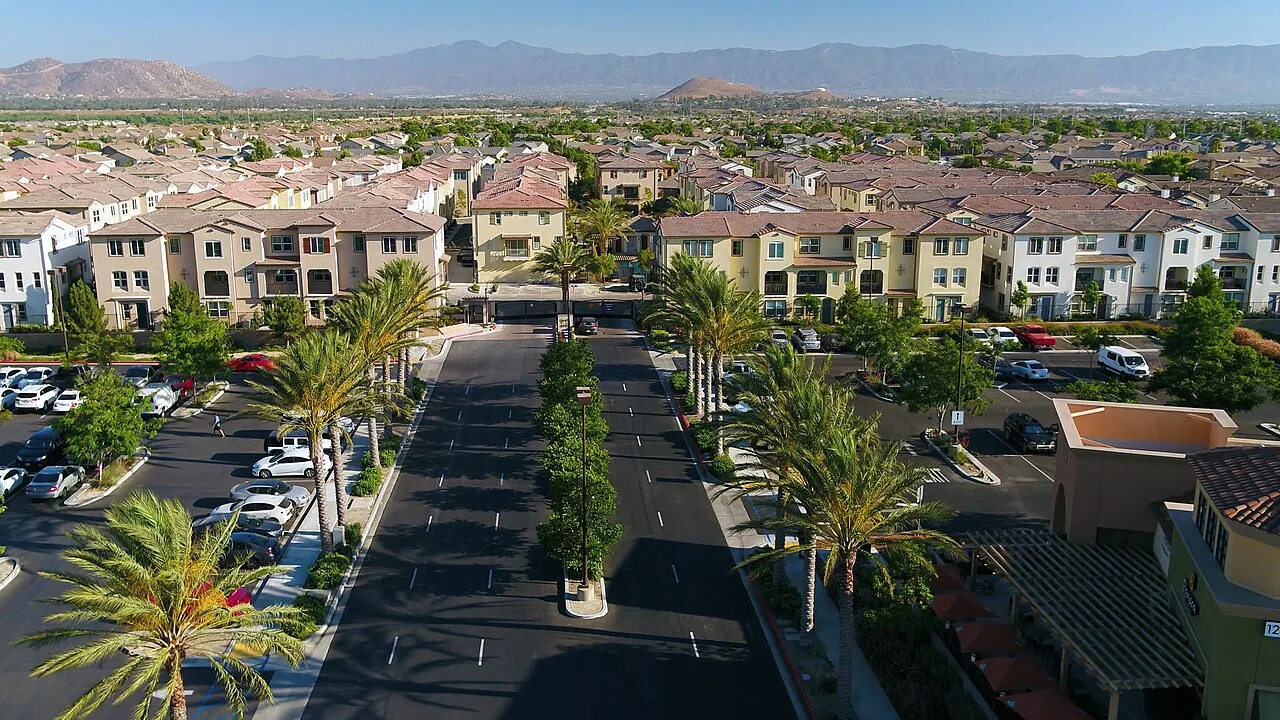
A blister that breaks open at a roof seam can expose insulation before water reaches a tenant space. Uptown Temecula covers a broad area north of Old Town, west of Interstate 15, south of Cherry Street, and east of Diaz Road, with Jefferson Avenue serving as a primary corridor. The district plan also describes development from the 1970s and 1980s and a framework for redevelopment and adaptive reuse. Those facts set useful context, but they do not identify a specific building's roof. We begin with the assembly on site, trace the water route, and document each repair boundary so the property team can make a decision from visible conditions.
Read the district at building scale
Uptown is planned as a mixed area with commercial, lodging, residential, and other uses. Future street improvements are intended to balance walking, cycling, vehicle travel, and transit. Those planned outcomes should not be read as completed work or as a count of active buildings. For an operating property, we confirm its current use, access route, and hours with the owner before planning a roof visit. If renovation work is underway, we coordinate boundaries with the other trades and identify the roof zones that remain available for inspection.
Old Town Temecula is a separate district with historic buildings, shops, and restaurants. A property near both areas still needs its own roof record; a district map cannot confirm membrane type, wet insulation, or prior patching. We inspect edges, seams, penetrations, drains, and wall transitions and note what the surface shows. If a question remains under a coating or a hidden layer, we identify whether a scan or approved core sample would change the next decision. Testing should answer a roof question, not simply add another line to a report.

Check the seams before water travels
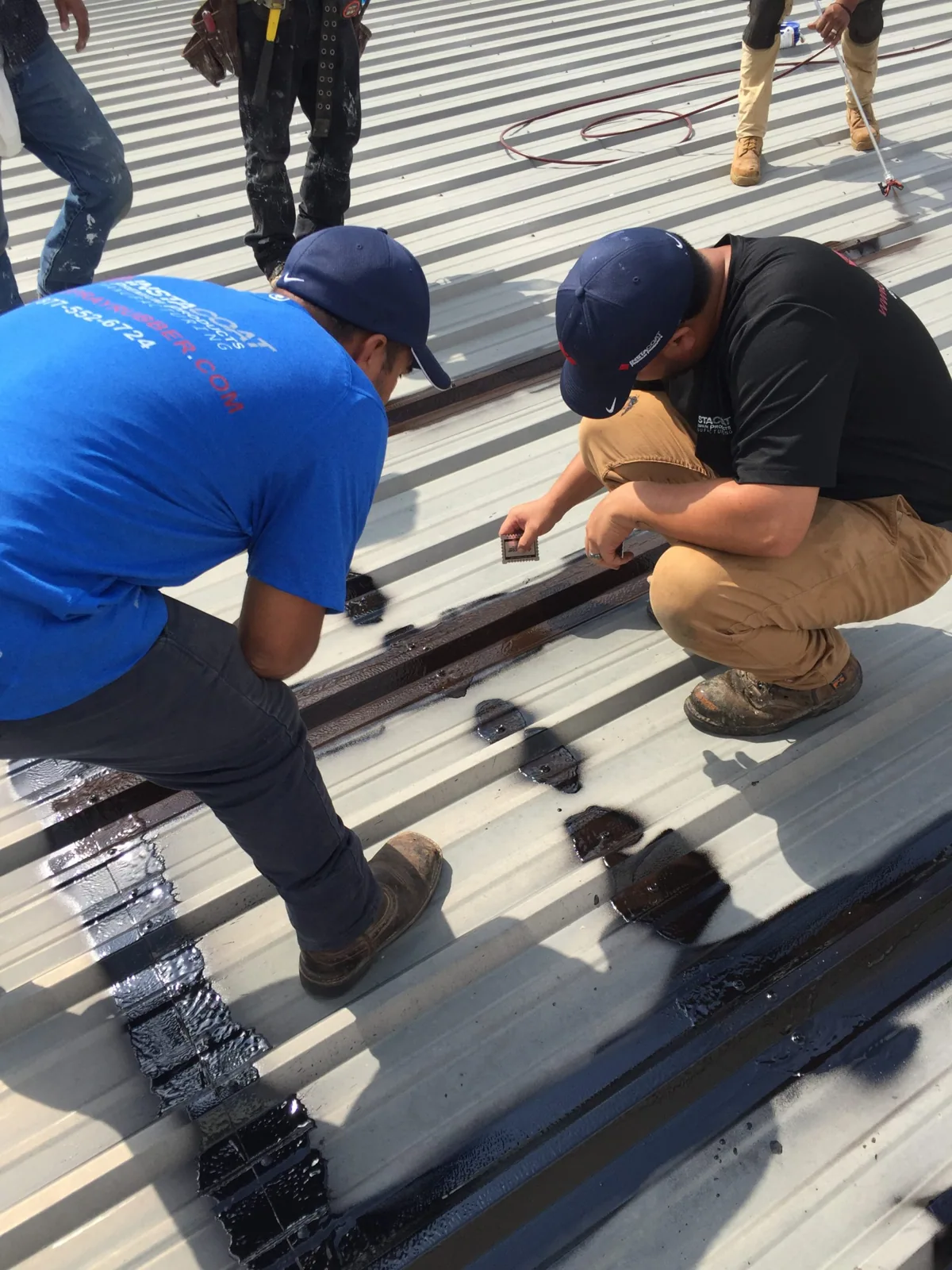
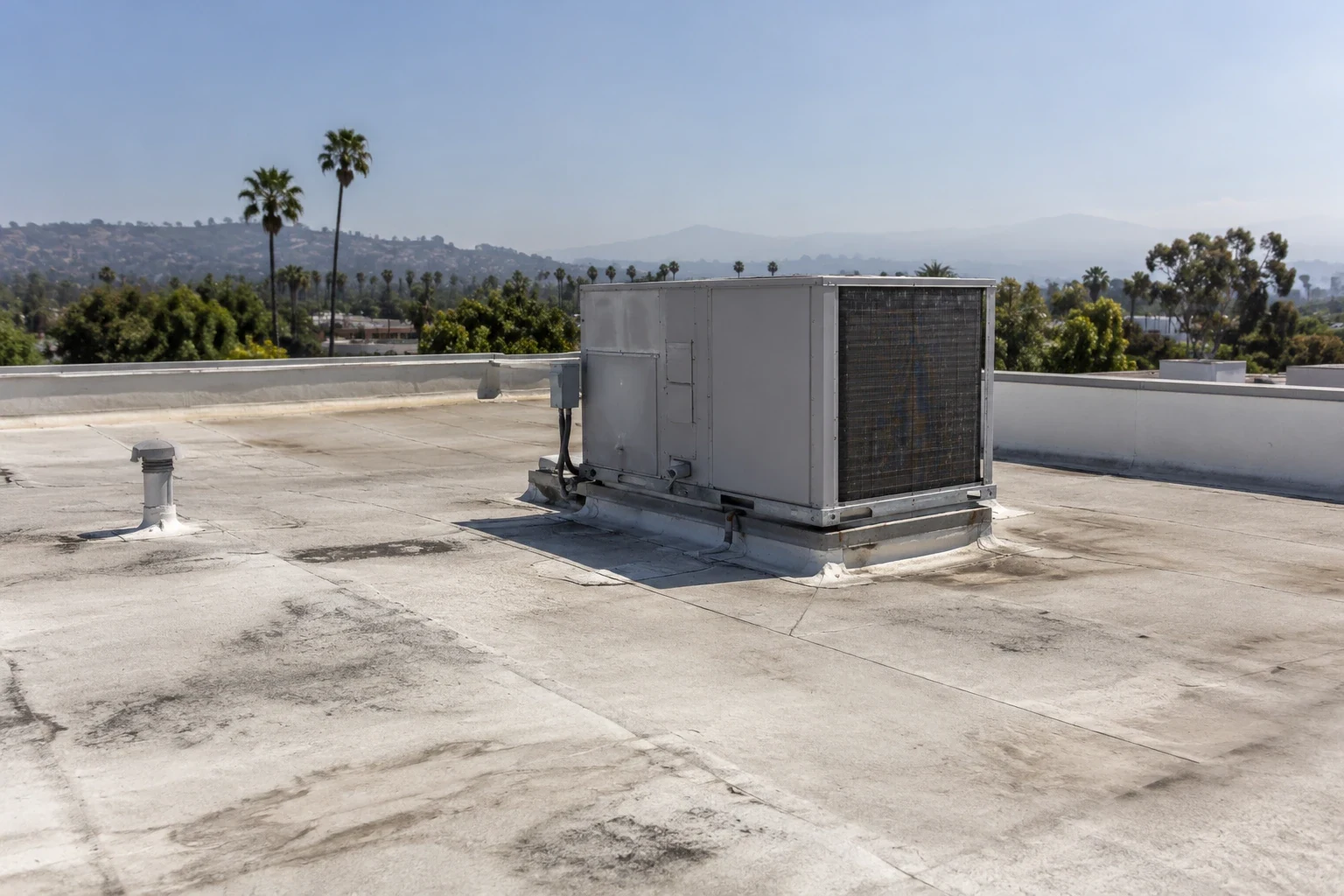
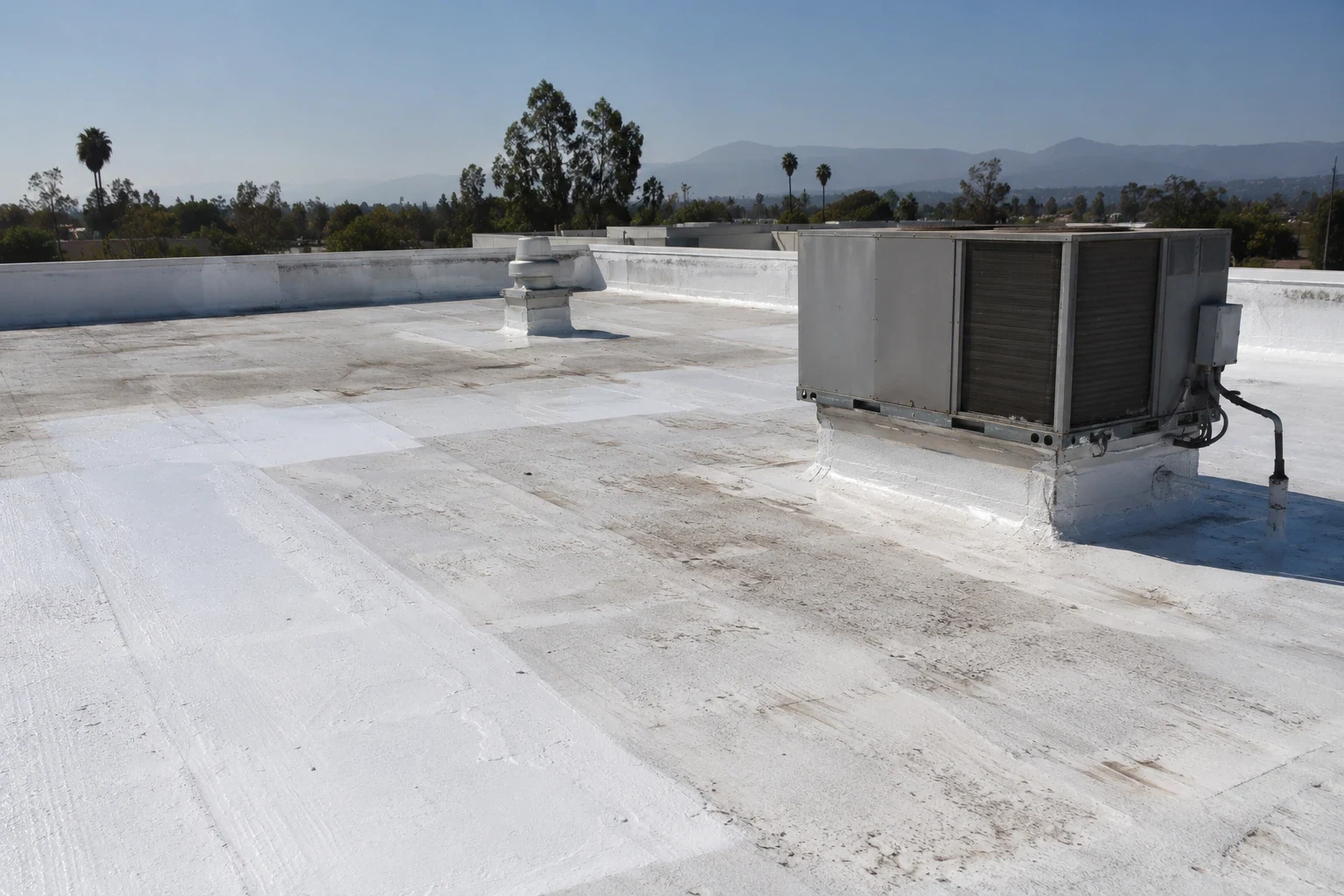
On a membrane roof, we look for open laps, lifted corners, worn flashing, punctures, bubbles, and edges that have lost bond. At rooftop equipment, a curb may need a new flashing transition while the surrounding field remains serviceable. A drain can become the point where debris holds water against a seam. On a metal roof, we inspect fasteners, panel overlaps, closures, and terminations. We photograph each clue with its roof zone so the owner can compare one area with another without turning a single defect into a broad replacement claim.
When water is already inside, a stain may be several feet from its roof entry. We compare the ceiling clue with roof details, inspect the deck path where visible, and trace toward a drain, wall, or opening. If the route remains uncertain, the Diligence Notes says so and identifies what would help resolve it. We can conduct an infrared moisture survey or propose a small core in an approved location, but only when the information could change the repair boundary or replacement decision.
Separate a leak from a roof-wide condition
A single leak may result from one failed penetration or seam. Several ceiling marks, repeated patches, or wet insulation across separate roof areas suggest a wider pattern worth mapping. We label each condition as urgent, planned, or monitor so the owner can set a sequence. The repair boundary should follow the confirmed issue and stop where the surrounding material remains sound. If a repair uncovers a different layer or deteriorated substrate, we document it before extending work and ask for approval on the revised scope.
Menifee's city climate planning identifies increasing average temperatures and more extreme-temperature days as risks for that inland, naturally dry city. We keep those climate facts attached to Menifee, not to a Temecula building. On every roof, heat exposure can still be considered during inspection: we note movement at seams, changes in sealant, and the condition of perimeter metal. The recommendation is based on those observed details. It may call for a patch, testing, broader restoration, or replacement, depending on the condition of the assembly.
Compare restoration with removal
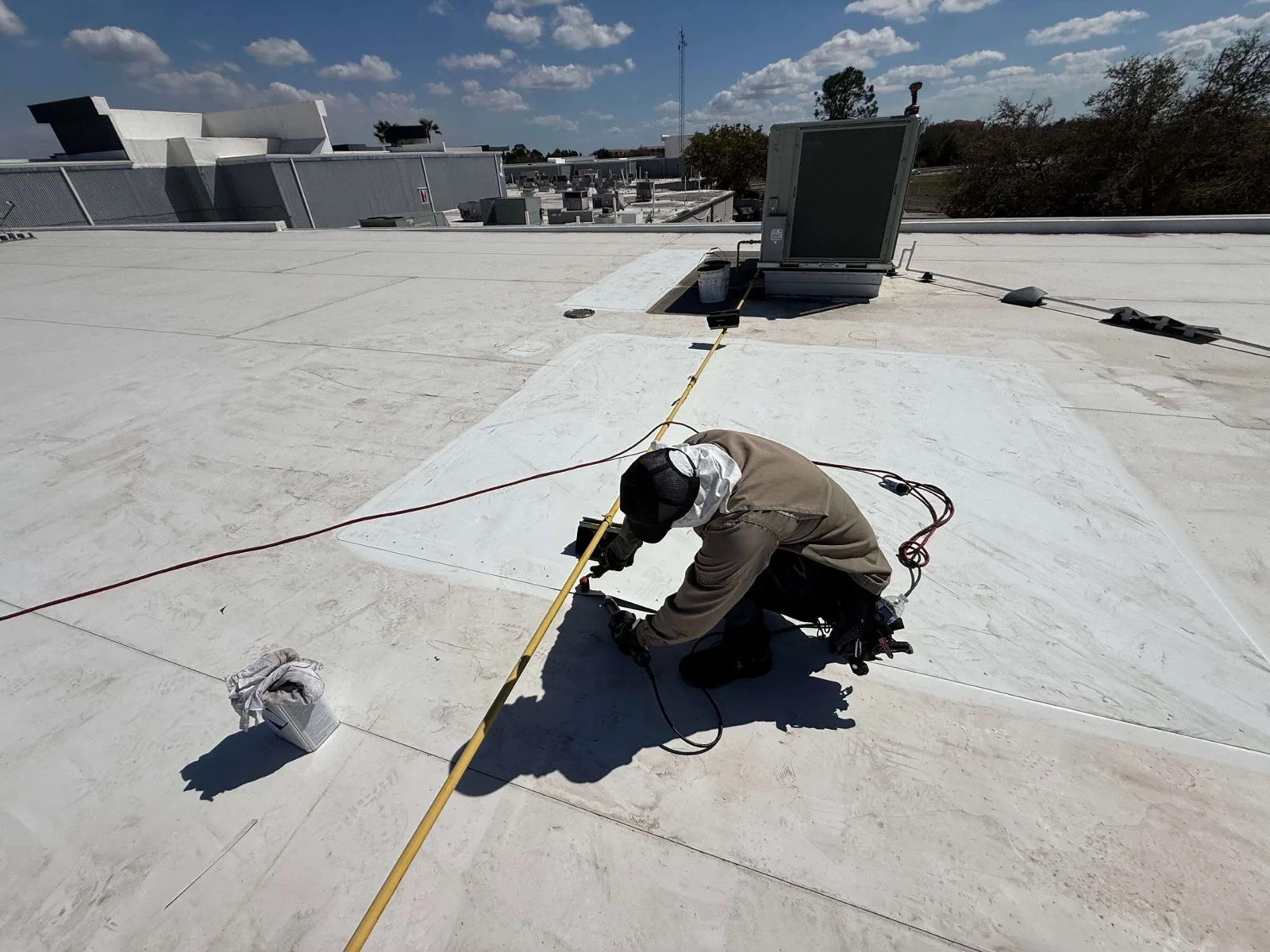
A compatible repair can address a confined failure when the adjacent membrane or metal remains suitable. We prepare the surface, remove failed material inside the agreed boundary, install a matching detail, and inspect the finished transition. A coating may be considered when the surface is stable, moisture is controlled, and drainage and edges can accept the system. If a roof has widespread wet insulation, loose layers, or details that cannot be rebuilt over the existing assembly, removal may create a clearer scope.
Recovery is not simply a shortcut. The existing roof's attachment, number of layers, structural capacity, and drain elevations matter. Added thickness can affect wall flashings, doors, equipment curbs, and code details. We compare alternatives against the property's timeline, access, tenant operations, equipment needs, and the amount of repair work already required. The report separates confirmed findings from assumptions and lists tests that could change the recommendation. That gives ownership a path to approve the immediate item while planning a larger project when the evidence supports it.
Protect an occupied building during work
Before mobilizing, we agree on roof entry, staging, safe routes, operating hours, and any equipment that must stay online. If a tenant or lodging operation is active below the work zone, we identify interior protection and communication needs. A planned redevelopment or adaptive-reuse project may have its own trade sequence, so the owner should provide the current schedule and limits. We set an end-of-day stopping point and determine how opened seams will be secured if the crew cannot finish a detail before weather changes.
During the job, work stays within the approved boundary unless a concealed condition is recorded and authorized for correction. The crew keeps debris out of drains and protects the interior below. At closeout, photos show each repaired seam, curb, edge, or drain, and the Diligence Notes lists any unresolved item. That record supports the next inspection and can be compared with future renovation work. For a larger roof, repairs can be phased by section so access, budget, and building use remain visible in each decision.
Tie future work to the current roof
Uptown's redevelopment framework can affect an owner's timeline, yet a roof scope still starts with present conditions. We document membrane type where identifiable, visible moisture, drainage, access, equipment conflicts, and failed details. Cost and schedule reflect roof height, material compatibility, staging, the repair area, and how work fits around the building. If the owner's plans may change the roof later, a limited repair may have a different role than a long-term replacement. We state the assumptions so the comparison is clear.
For a current assessment, a commercial roof inspection can identify visible defects, while a condition report organizes the findings for ownership. A defined water path may need commercial leak repair; broader surface work can be compared with roof restoration after the assembly is checked. System-specific review may include EPDM roof repair or office-building roofing where those routes fit the property's actual use.
Temecula's Old Town and Hemet's Downtown Village are separate district contexts; Menifee's Community Core corridor is another municipality's planning area. None replaces a property-level inspection in Uptown.
Commercial Roofing Questions
Does the Uptown plan mean every property is being redeveloped?
No. The plan establishes a framework for an area, not the status of every property. We confirm the building's current use, access, and project schedule with its owner.
Can a roof repair be coordinated with renovation work?
Yes. We need the active schedule, trade boundaries, and roof access limits before setting a sequence. The repair scope can then be coordinated with work already planned for the property.
What helps distinguish one leak from wider damage?
A roof-zone map with photos can show whether clues cluster around one detail or appear across several areas. If needed, infrared review or a core sample can clarify the moisture pattern.
Will a new layer affect roof equipment or drains?
It may. We check added height at drains, curbs, edges, and doors, along with the existing assembly and structure, before comparing recovery with removal.
What belongs in a phased roof plan?
Each phase should name the roof zone, observed condition, access needs, repair boundary, and next check. That keeps immediate corrections distinct from later capital work.
Related Roofing Work
Review the current roof condition
Request a Roof Assessment
Arrange access around the building's operation and any active renovation. We will document visible roof conditions, outline repair options, and identify tests that could change the scope.
Service area
Menifee, Perris, Murrieta, Temecula, Hemet, Lake Elsinore and nearby Inland Empire communities
Quick contact
[email protected]
555-555-5555