
Commercial Roofing in SR-60 Corridor, Moreno Valley, CA
Home / Service Areas / Commercial Roofing in SR-60 Corridor, Moreno Valley, CA
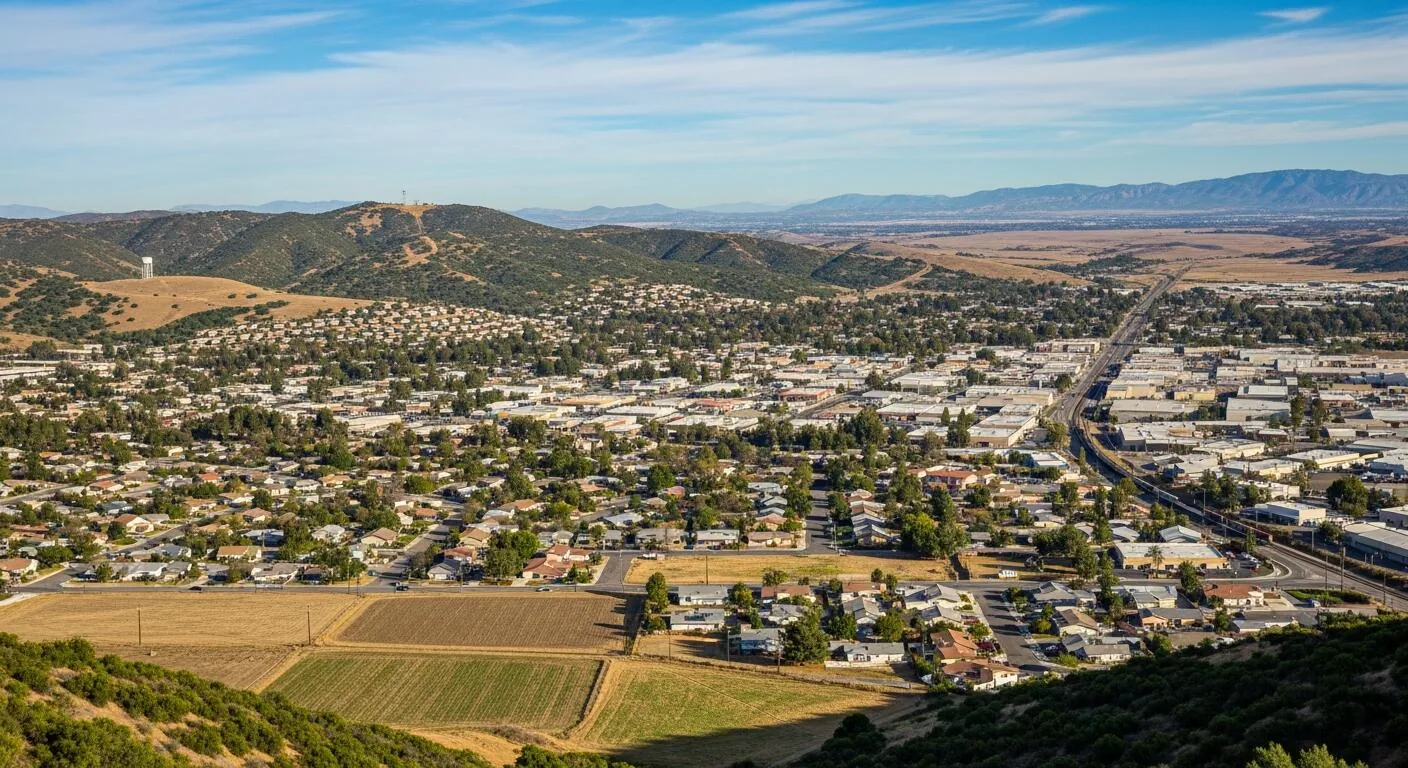
A lifted edge, open lap, or drain that leaves water behind can interrupt work before a ceiling shows a stain. In Moreno Valley's SR-60 Corridor, the City identifies an industrial hub at the SR-60 and I-215 junction. That context makes a clear roof record useful when receiving, equipment access, and repair reviews compete for time. We begin at the visible clue, trace the water route, and check the membrane, flashing, and drainage path. The visit should leave your team with photos, a repair boundary, and a practical next check, not a guess about what sits below the surface. We can document the condition on an occupied commercial roof. Nearby, the Moreno Valley Industrial Area is another broad city-designated target, while Menifee's Community Core corridor provides a separate local planning reference.
Trace the water route
A ceiling mark is a starting point, not a roof map. Water can travel along insulation, a deck flute, or a seam before it reaches a room. We compare the interior mark with nearby drains, penetrations, wall transitions, and membrane laps. We look for a surface change, loose termination, split corner, or patch that has released at its edge. Each observation gets a location and photo so the repair can address the first weak point rather than cover the stain. When clues appear together, the report separates the likely entry path from conditions that still need monitoring.
The City's site-selection materials connect Moreno Valley to the SR-60 and I-215 junction and provide property maps. That is planning context, not a roof inventory. We identify the visible membrane or metal assembly and check whether prior repairs changed the water route. Those details keep a city map from becoming an assumption about one facility.
Check transitions and access
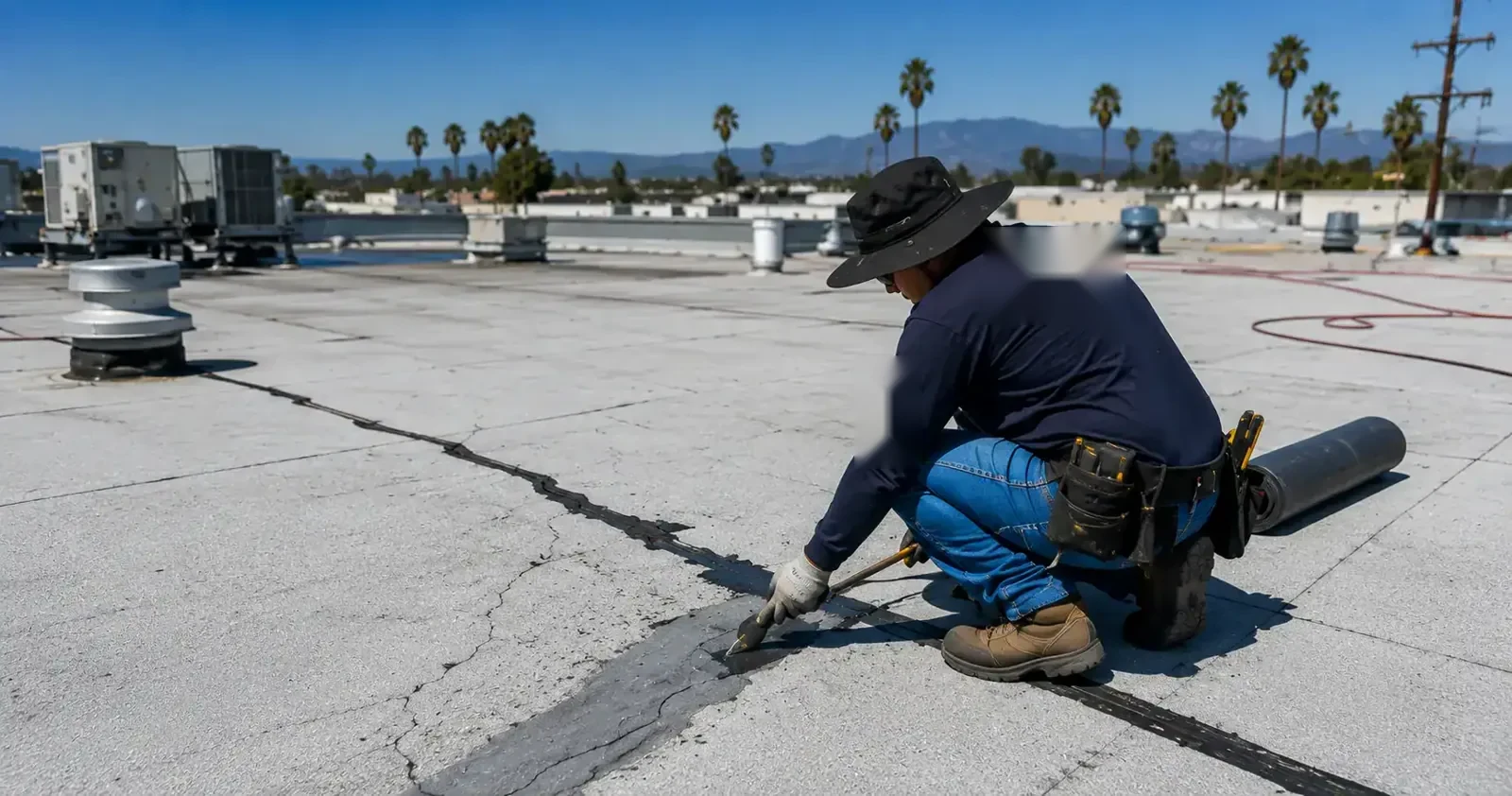
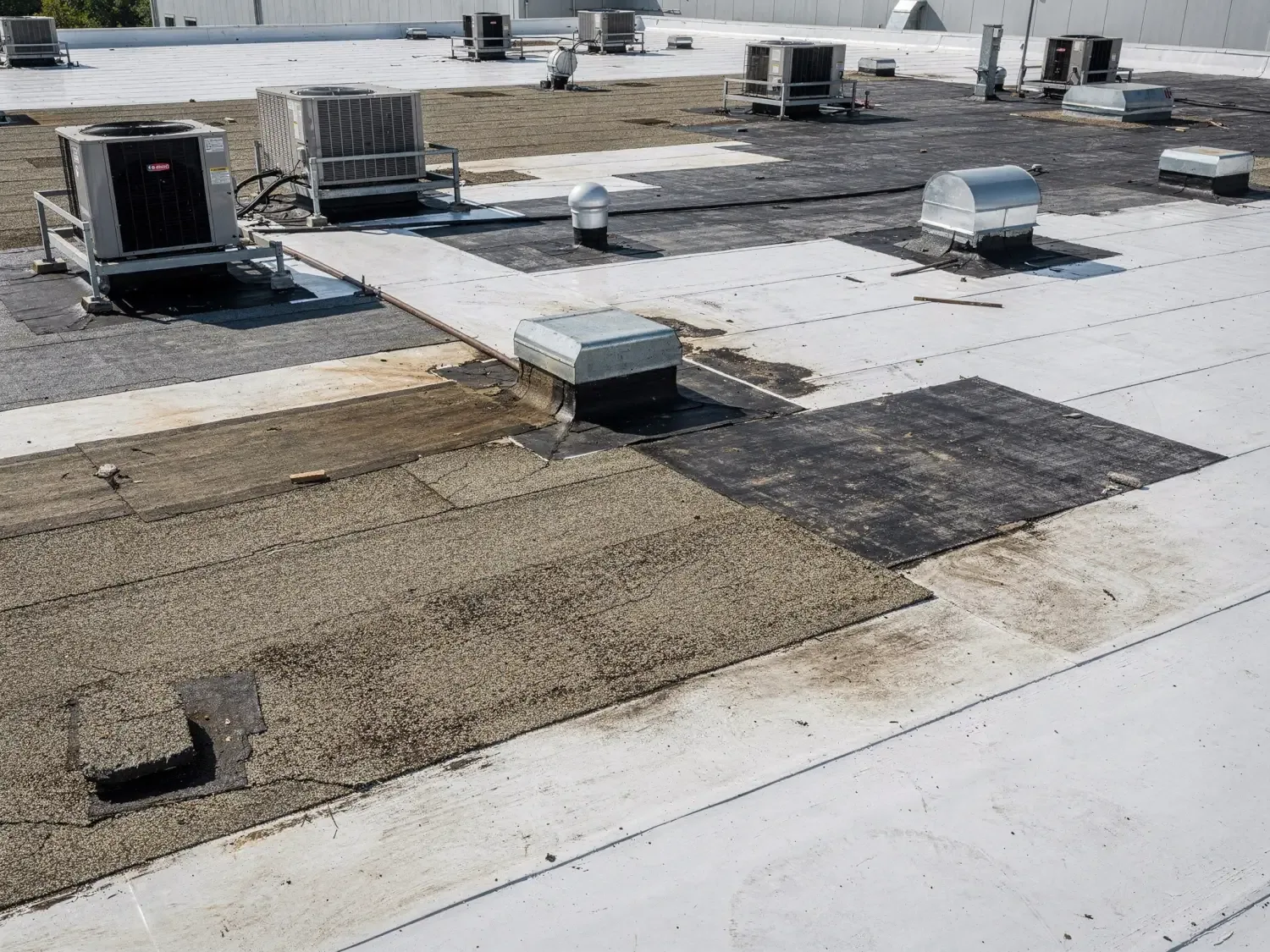
Roof trouble often gathers where materials change direction. We check curbs, pipes, ducts, skylights, parapet edges, expansion joints, and drain bowls because each transition needs a sound connection to the field surface. A seam can look intact while an edge starts to lift. A coating can hide an older patch without restoring the bond below. We note visible conditions, safe access, and areas needing closer review. For a facility with active receiving or production, the route can fit a scheduled access window.
Photos should answer a decision. One may show the roof zone; another can show a seam, curb, or drain close enough to identify the condition. We label both and explain whether the finding supports a localized repair, testing, or follow-up. If water is inside, immediate exposure stays separate from long-term planning. The resulting Diligence Notes can go to maintenance, ownership, or a tenant contact without turning one wet spot into a replacement recommendation.
Account for inland heat
At the SR-60 and I-215 junction, a visit can involve several access constraints at one property; the City’s corridor designation helps orient the location but is not a roof-condition record. We set an arrival window with the facility contact, identify lift and escort requirements, and keep receiving or tenant paths clear.
The roof review then focuses on observable movement at laps, edge metal, and equipment transitions. We describe any moisture question separately and recommend scanning or a core only when the result could change the repair boundary. This keeps logistics and building evidence distinct in the final scope.
Where an operation cannot pause, we can divide the visit into approved zones and record which areas remain uninspected. The report states any escort, shutdown, or access restriction that limited the review. That boundary gives facilities staff a practical way to schedule a follow-up without treating an incomplete roof walk as a full condition survey.

Compare a patch with a larger scope
A repair fits when the membrane remains serviceable around a confined failure and the assembly can hold a compatible detail. We identify the substrate, remove failed material within a controlled boundary, prepare the surface, and install a repair suited to the system. The finished edge and nearby seams get a second look because transitions matter. Several wet areas, widespread seam separation, or mixed patches may call for a condition map before restoration or replacement is selected.
We mark each item as an immediate correction, planned repair, or condition to monitor. Access, roof system, wet insulation, perimeter work, equipment, staging, and operating hours affect labor and sequence. A recovery layer is an option only when the assembly and drainage allow it. Added thickness that interferes with drains, doors, or code details may point toward removal. The written report keeps these choices separate so the bid follows the roof condition. For scheduled care, we can also review preventive roof maintenance alongside a replacement plan.
Plan the work around operations
Before work starts, we confirm reachable roof zones, lift or escort needs, and hours that will not block deliveries or occupied areas. A leak repair may fit one access window; a larger section may need phased staging and temporary protection at each shift's end. We identify equipment that must stay online and coordinate rooftop trades such as HVAC or electrical work. For open-roof work, the stopping point and dry-in plan are set before the membrane is cut.
The crew follows the repair boundary and records concealed conditions that change the scope. Wet insulation, deteriorated deck, or an incompatible patch is documented before work expands. At closeout, photos show completed details and areas needing another check. City development and industrial-property maps help track changing activity, but site access, approvals, safe routes, and schedule still need owner confirmation. The warehouse roof review can also help frame questions about insulation, equipment, and drainage on a similar building type.
Keep a usable roof record
A useful record connects roof condition to date, area, and decision. We organize notes by zone, drain, penetration, seam, and repair status so the same place can be checked later. When your team compares a patch with a larger project, we separate confirmed observations from items needing tests. An estimate is not proof of hidden damage, and a dry interior on inspection day does not establish that the roof is sound.
For an SR-60 Corridor facility, the report can note access limits that affect future work, including equipment clearances, hatches, or delivery timing. The City identifies the corridor among its industrial hubs and maintains development maps. We ask for the operating constraints that matter to your site, then plan the next visit around them. Start with a roof inspection, a focused commercial roof repair, or a broader condition report when the decision needs documentation.
Commercial Roofing Questions
Can a roof visit fit around receiving hours?
Yes. We set the access window with your facility contact and keep the inspection route clear of deliveries. Any lift, escort, or shutdown is confirmed before the visit.
What does a ceiling stain tell us about the roof?
It identifies where water became visible inside. We trace nearby roof details before choosing a repair. A photo and location note help distinguish the likely entry point from the place where it appeared.
When should we test below the membrane?
Infrared review or a small core can help when surface clues do not show moisture depth. We explain each method and get approval before testing the assembly.
Could a recovery layer work on an industrial roof?
That choice follows the assembly, drainage, structure, and surface condition. We check whether another layer is suitable and where added thickness could affect drains or edges.
What will the report include after a repair visit?
You receive labeled photos, observed conditions, the repair boundary, and items needing testing or follow-up. The notes separate completed work from open decisions.
Related Roofing Work
Set an inspection window
Request a Roof Assessment
Arrange a roof visit around access and operating hours. We will document the water route, affected details, repair choices, and the next check for your Moreno Valley facility.
Service area
Menifee, Perris, Murrieta, Temecula, Hemet, Lake Elsinore and nearby Inland Empire communities
Quick contact
[email protected]
555-555-5555